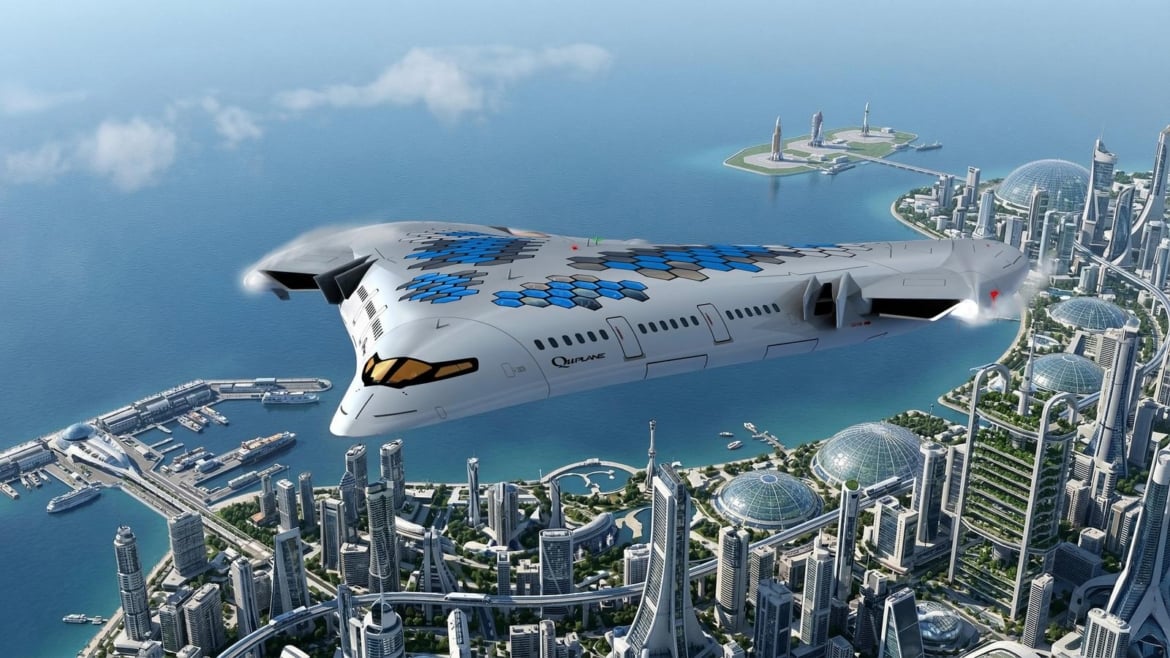
A futuristic aircraft concept could bring back the thrill of supersonic passenger travel while offering an experience that resembles a flying luxury hotel, complete with private bedrooms, spacious seating and an AI-managed cabin. Called the QuPlane, the proposed hydrogen-powered aircraft has been designed by Barcelona-based industrial and concept designer Oscar Viñals, who envisions a radically different future for commercial aviation between 2040 and 2055. With a projected cruising speed of Mach 2.1, a range of nearly 10,000 miles and room for up to 200 passengers, the concept aims to combine the speed associated with Concorde with the comfort of a modern luxury airliner.
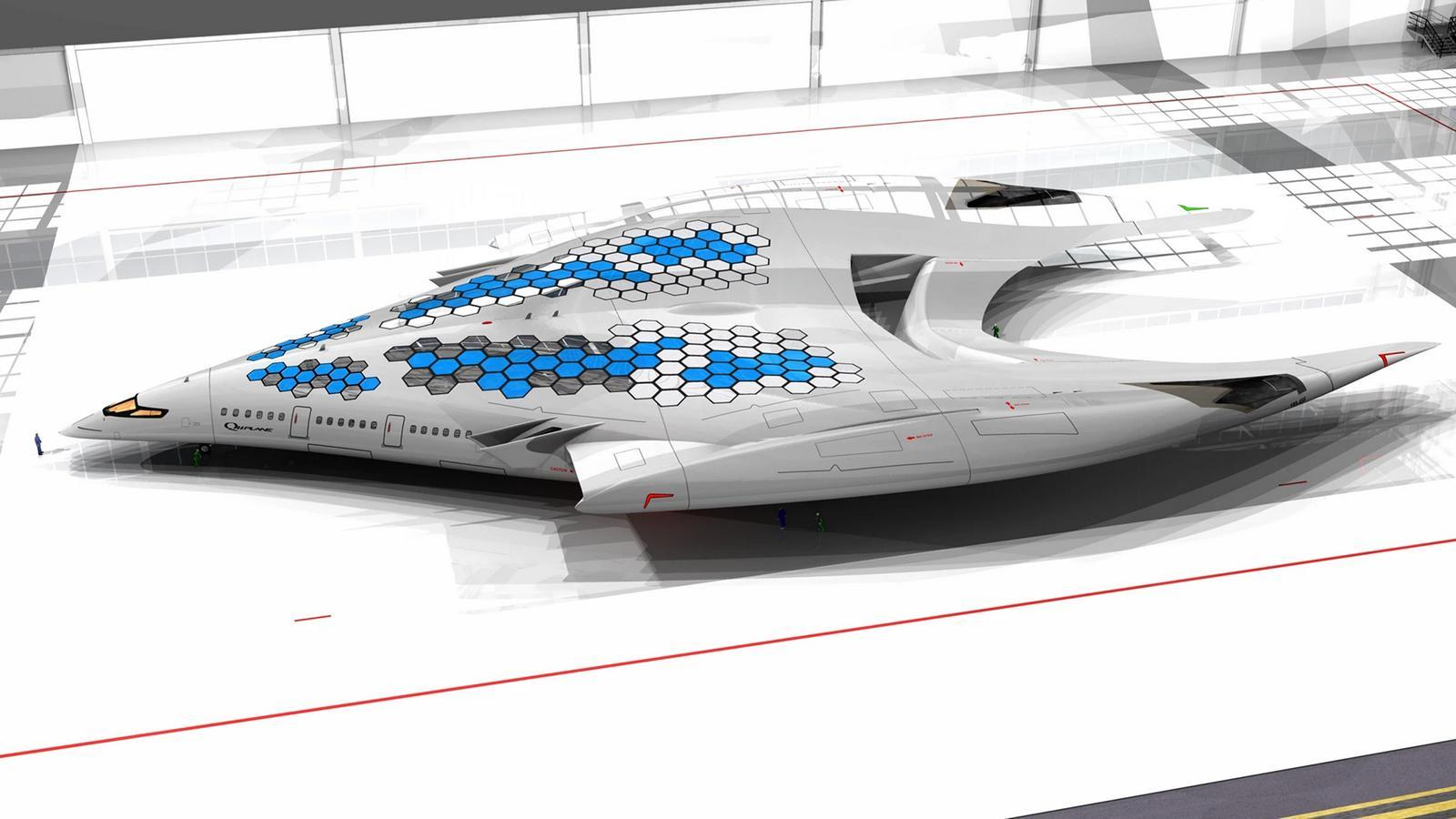
According to the designer, the 222-foot-long QuPlane could cut travel times by as much as 70 percent, with a proposed London-to-New York journey taking around two hours. Its designers also envision enough range to connect London with Australia without a stopover, thanks to a projected nonstop capability of 16,000 kilometers (10,000 miles). However, the aircraft remains a speculative design rather than a flight-tested machine, with no confirmed manufacturer, airline customer, or commercial launch date. Its ambitious specifications therefore describe what Viñals hopes future aviation could achieve, rather than the demonstrated capabilities of an aircraft ready to enter service.
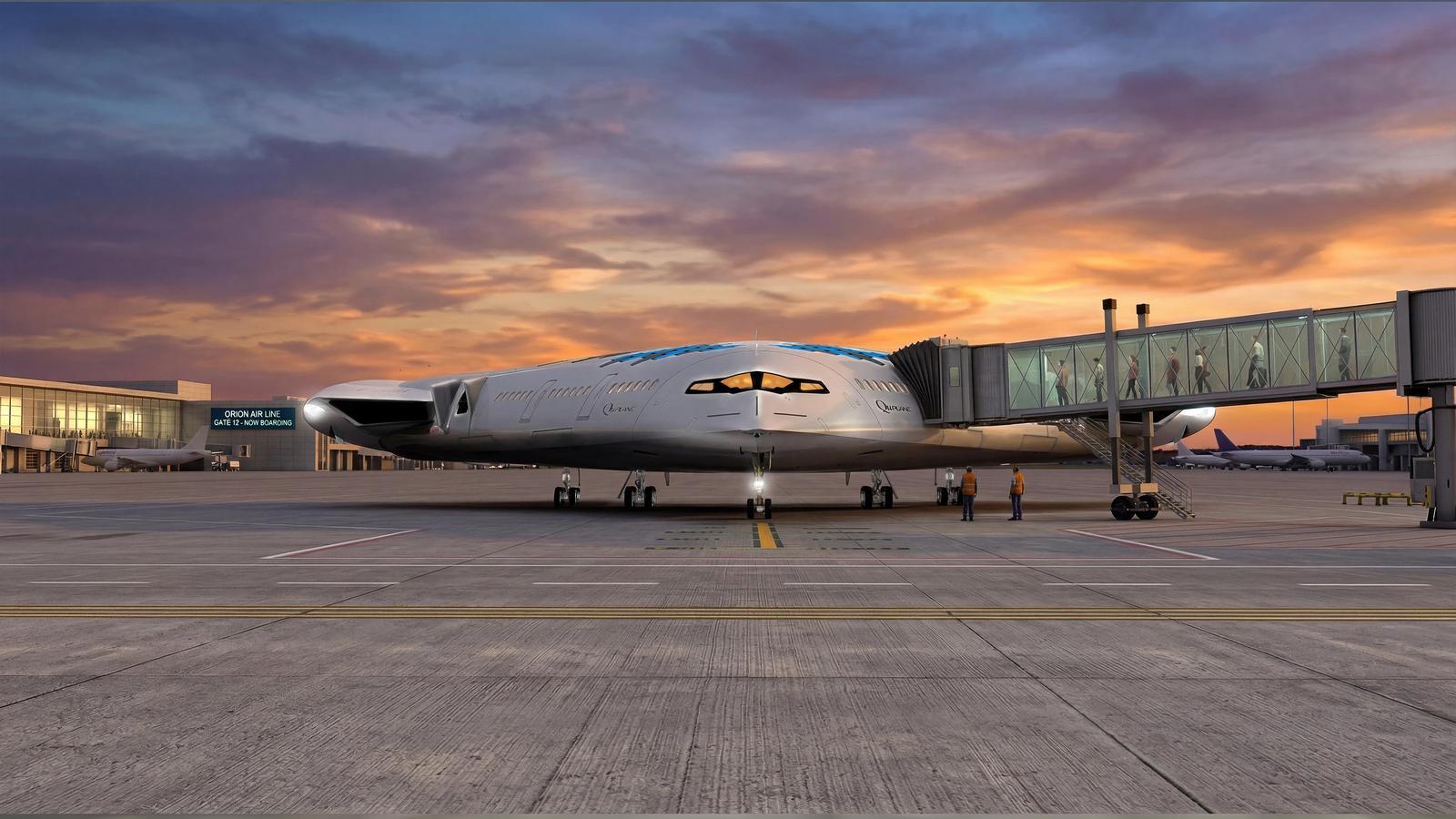
A radical flying-wing design powered by hydrogen
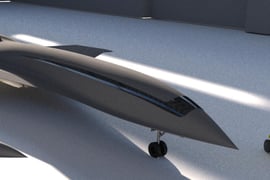
Unlike conventional passenger jets, the QuPlane adopts an Advanced Blended Wing Body configuration that integrates its fuselage and lifting surfaces into a broad, flattened structure. The design eliminates the familiar appearance of separate wings extending from a cylindrical body, creating an aircraft that is 67.6 meters long, 34.9 meters wide from wingtip to wingtip and just 5.3 meters tall.
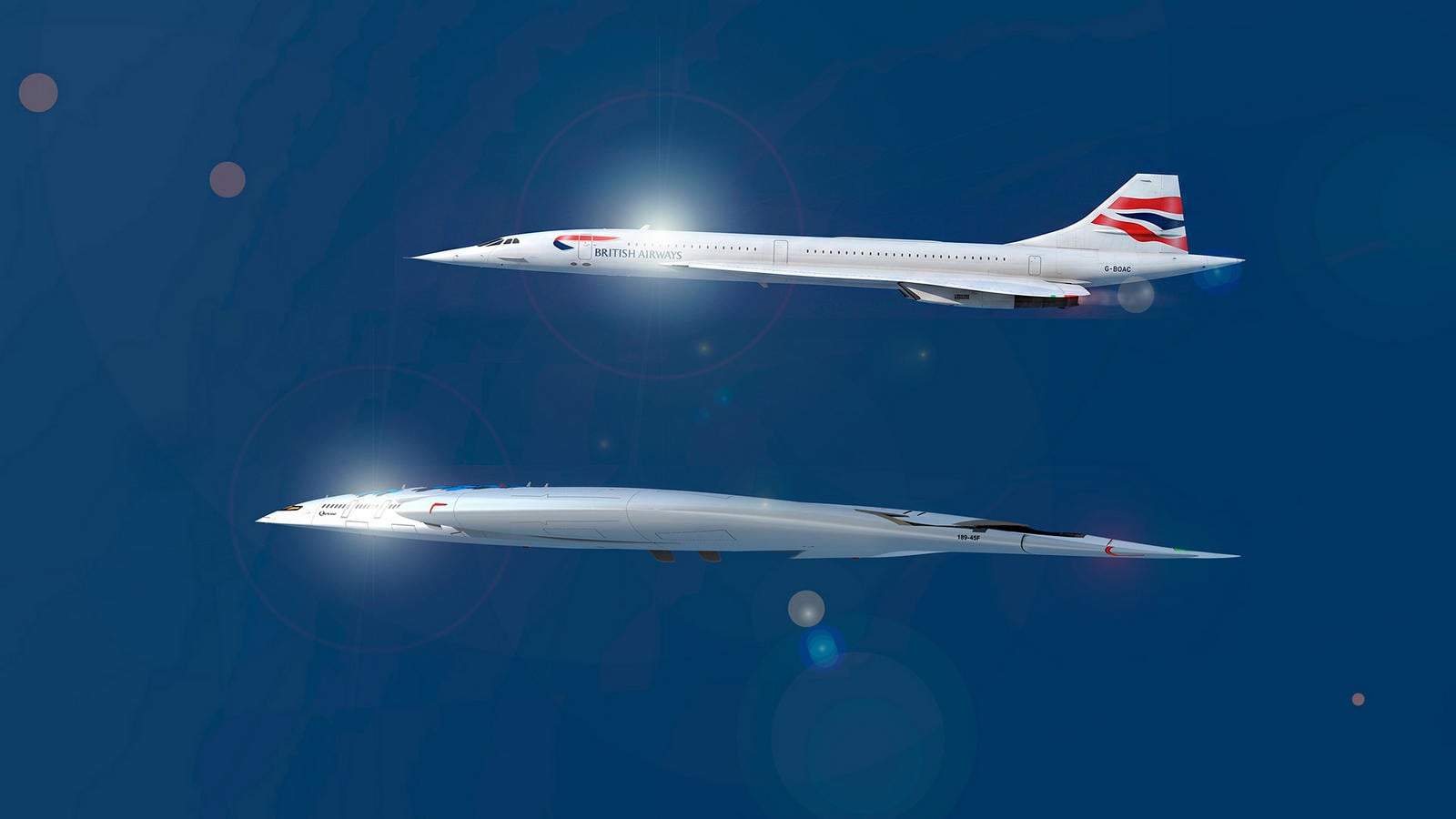
Its proposed cruising altitude of 59,000 feet would put it above the typical operating altitude of commercial airliners, while its Mach 2.1 cruising speed would make it marginally faster than Concorde. The concept also specifies a maximum boost speed of Mach 2.2 and a maximum takeoff weight of approximately 440,000 kilograms.
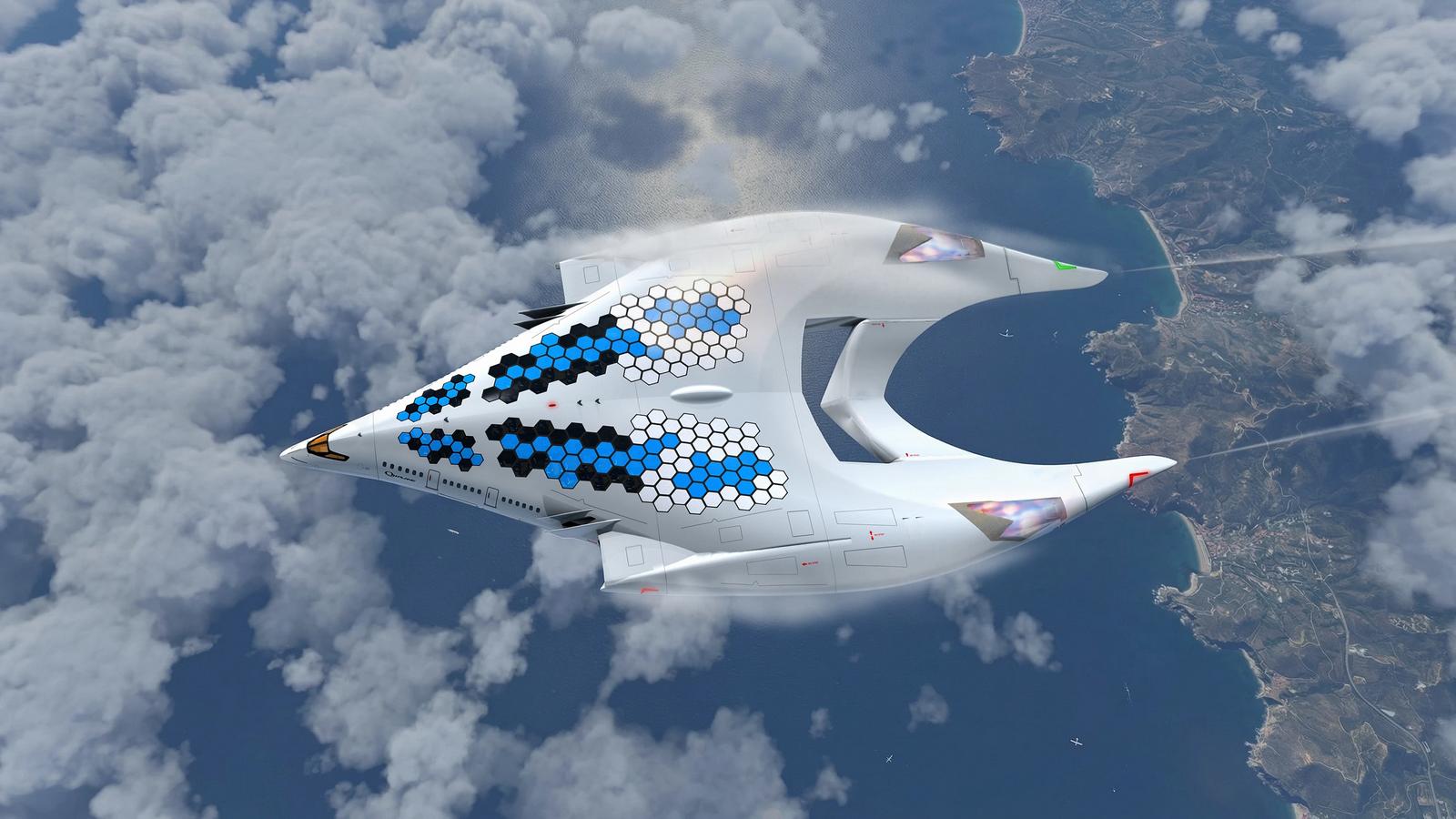
Hydrogen sits at the heart of its proposed propulsion system, with the aircraft designed to carry approximately 145,000 kilograms (319,670 pounds) of liquid fuel in specially insulated storage tanks. These double-walled, vacuum-jacketed composite tanks would occupy a protected central vault, with the hydrogen maintained at approximately minus 253 degrees Celsius (minus 423 degrees Fahrenheit). The fuel would not simply power the engines, as its extremely low temperature could also help cool parts of the propulsion system before combustion. The proposed architecture combines four turbine-based combined-cycle engines with rotating-detonation technology and electromagnetic airflow conditioning, while a system would capture evaporating hydrogen for auxiliary fuel cells that supply electricity to onboard equipment.
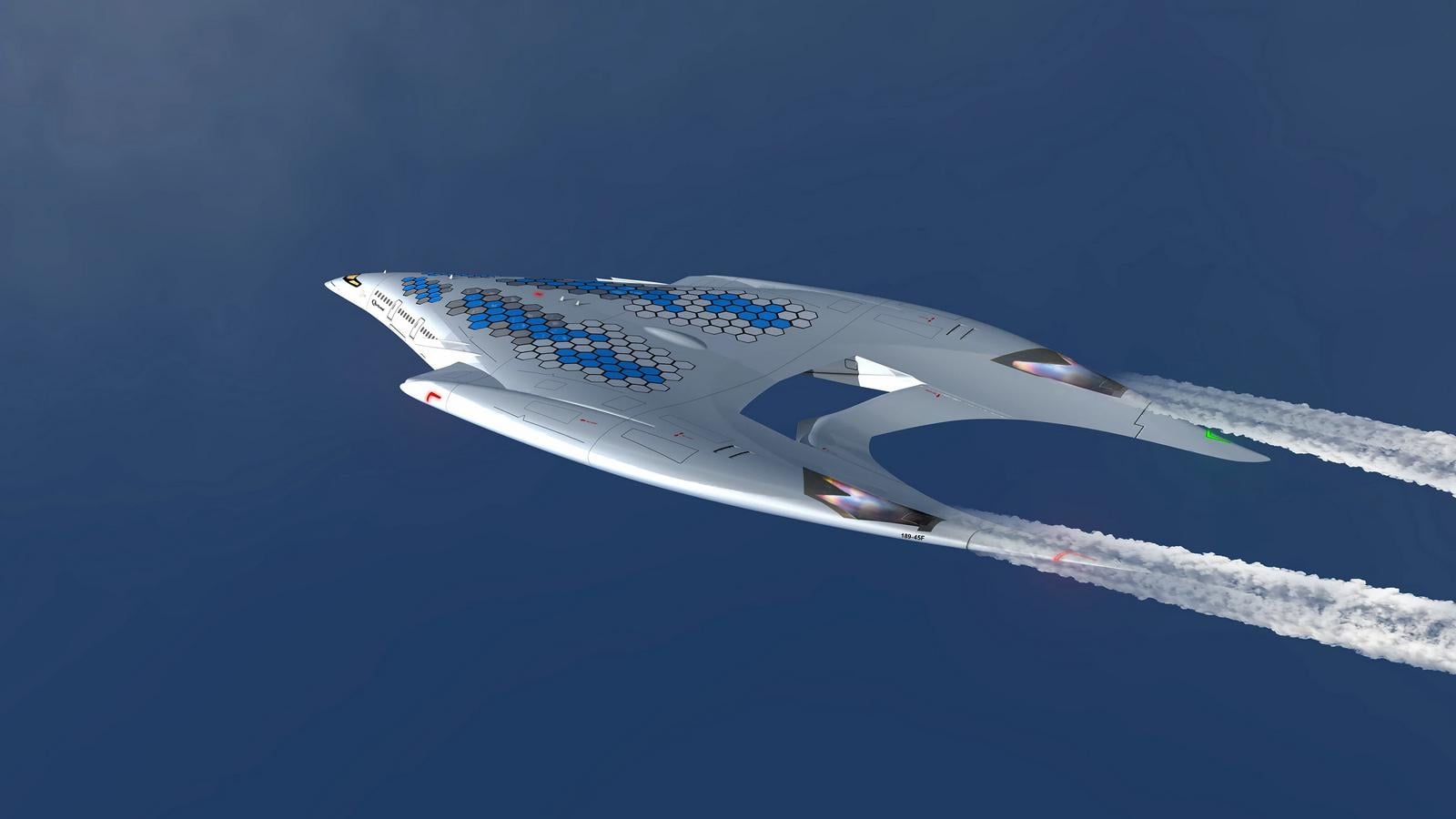
The concept goes even further by proposing a compact fusion reactor capable of generating between 80 and 150 megawatts of electricity, alongside systems intended to collect energy across the aircraft’s surface. These technologies remain highly speculative, and there is no evidence that the complete propulsion architecture has been demonstrated in an aircraft. The designer also proposes a hydrogen-only fallback if compact fusion technology takes longer to develop, although its effect on performance remains unclear.
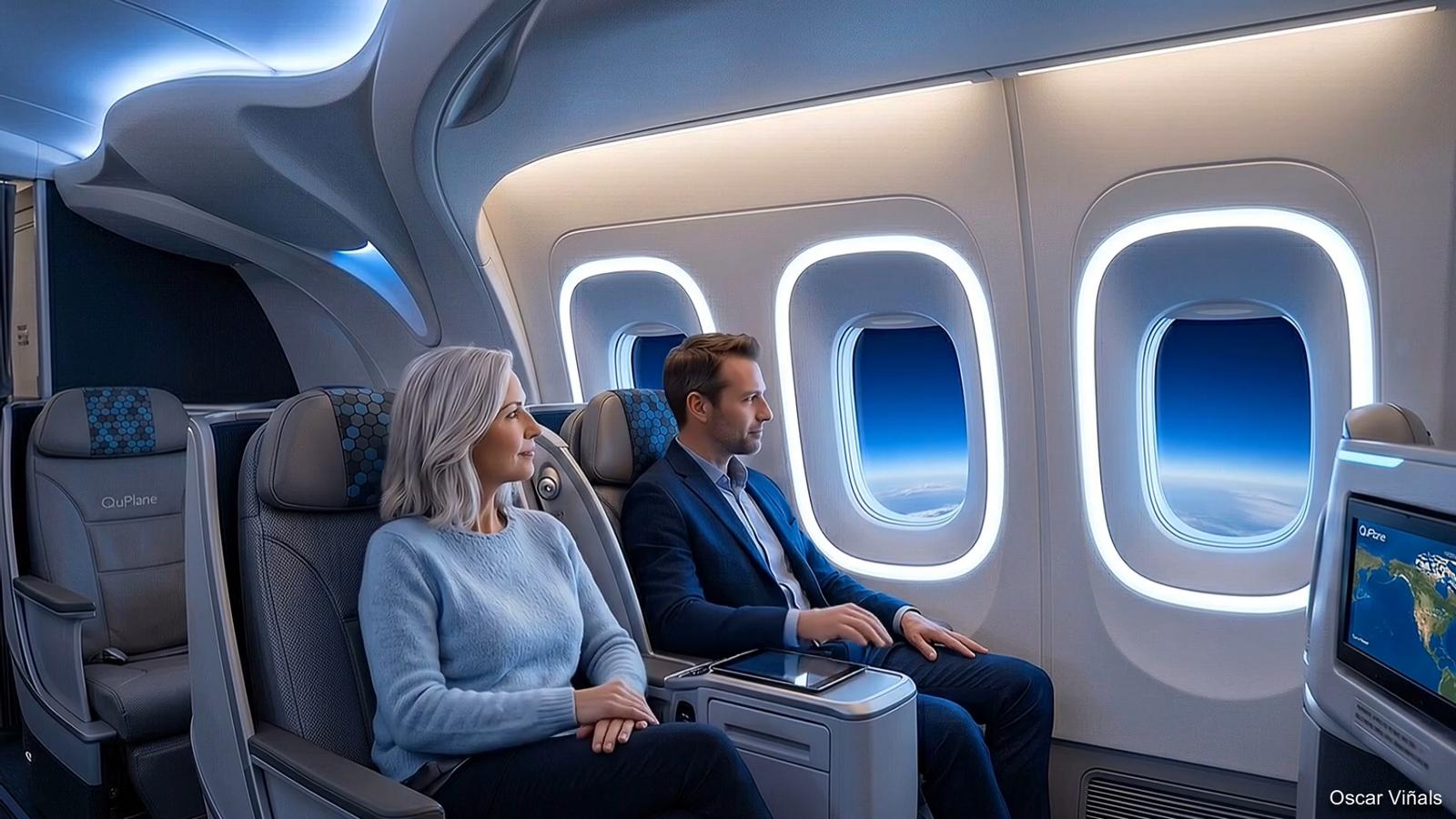
OVI’s Design
Private bedrooms and a cabin unlike Concorde
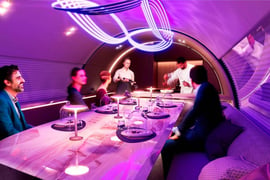
The QuPlane’s most compelling feature may be its proposed cabin, which is designed around three classes and a level of privacy that Concorde never offered. First Class passengers would occupy Quantum Suites, described as floor-to-ceiling private rooms featuring beds measuring 6 feet 3 inches long.
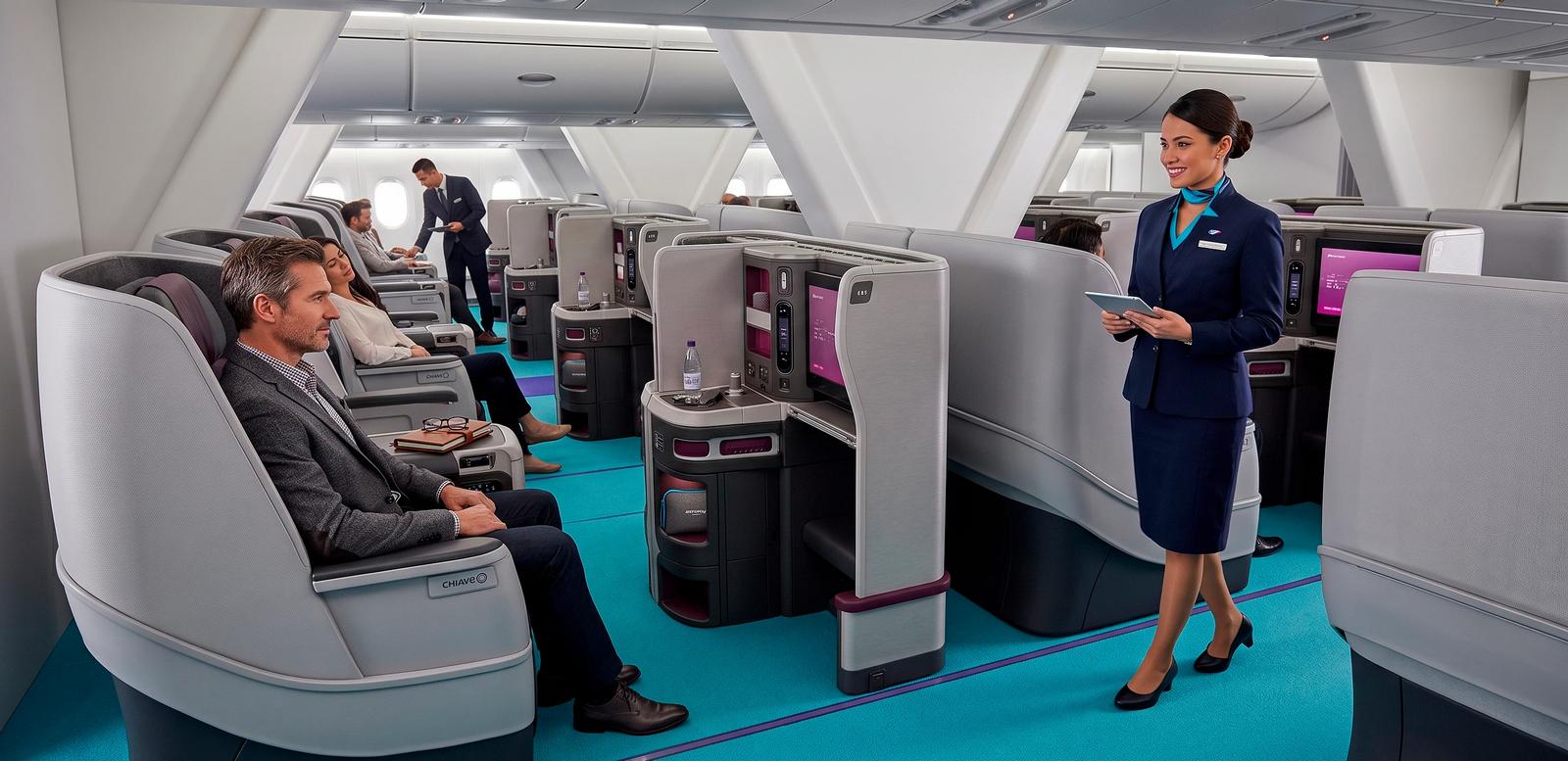
Business Class would eliminate the traditional middle seat, while regular-class passengers would receive 19-inch-wide seats, approximately two inches wider than the average Boeing economy seat cited in the original report. The concept also promises low-vibration seating, generous ceiling height, panoramic transparency, and whisper-level acoustics, although the final cabin layout and number of premium suites have not been disclosed.
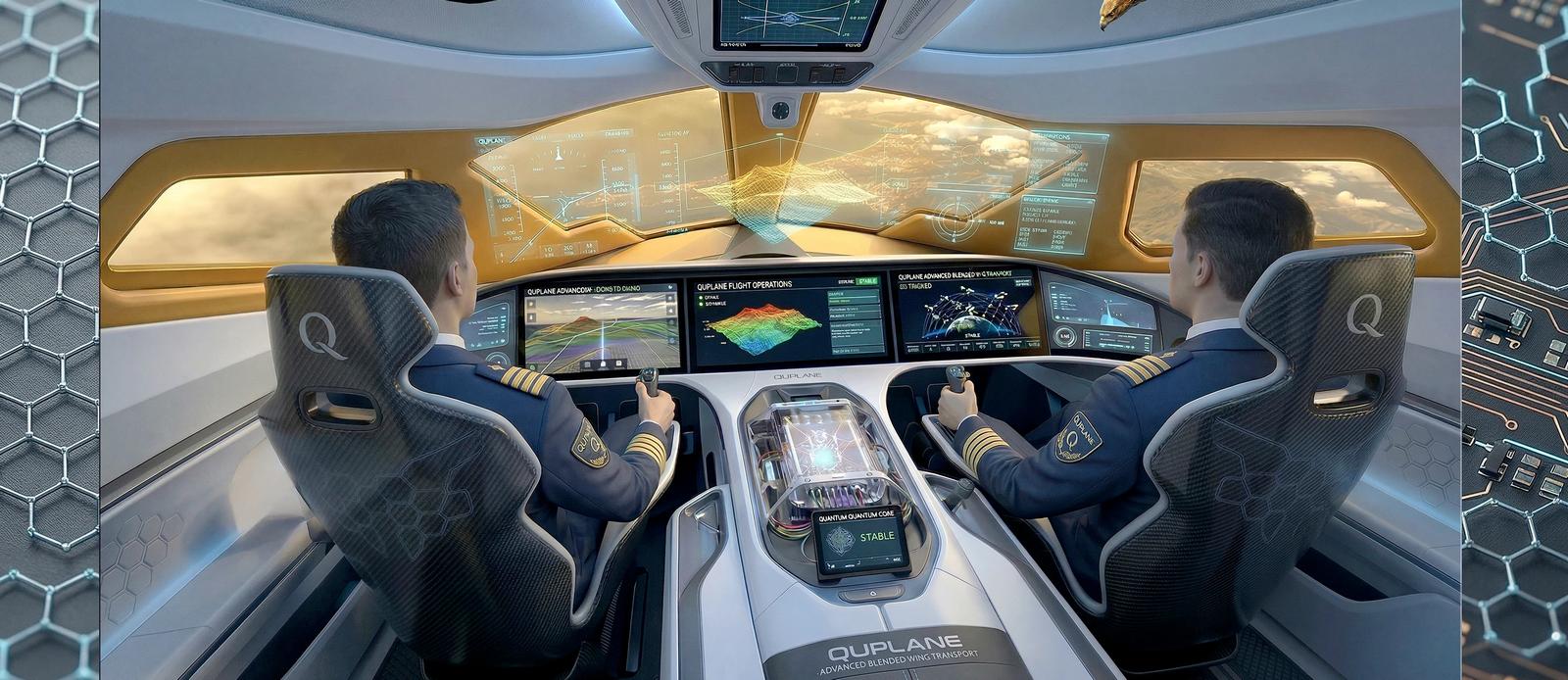
An AI Quantum Hospitality System would manage lighting, temperature and humidity around the clock, while the proposed ventilation system would introduce 100% fresh air every two minutes and 40 seconds. The cockpit would be equally futuristic, using three-dimensional holographic displays overlaid on the pilots’ real-world view, with touch, gesture and voice controls. Artificial intelligence, all-weather mapping and systems described as resistant to jamming would support flight operations, while sharkskin-inspired microscopic riblets and thermal-protection layers are intended to reduce aerodynamic friction and manage heat.
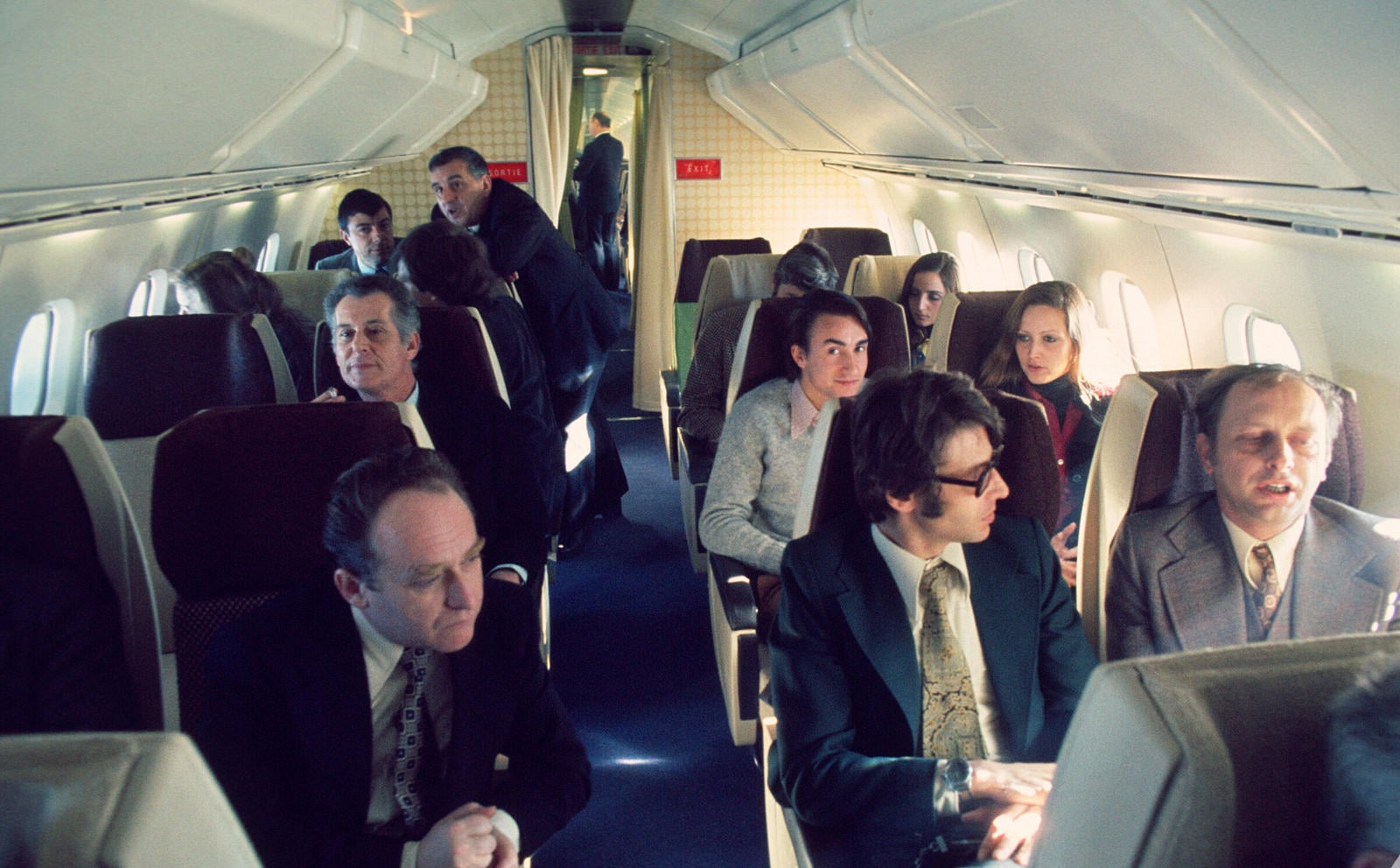
Concorde remains the clearest benchmark for the QuPlane’s ambitions. The supersonic jet regularly cruised at Mach 2.04 and approximately 60,000 feet, carrying passengers across the Atlantic in around three and a half hours on scheduled flights. Its fastest New York-to-London crossing took 2 hours, 52 minutes and 59 seconds in February 1996, demonstrating how close supersonic travel had already come to the three-hour mark. The QuPlane proposes a slightly higher cruising speed and a vastly longer range, while accommodating as many as 200 passengers compared with Concorde’s substantially smaller cabin.
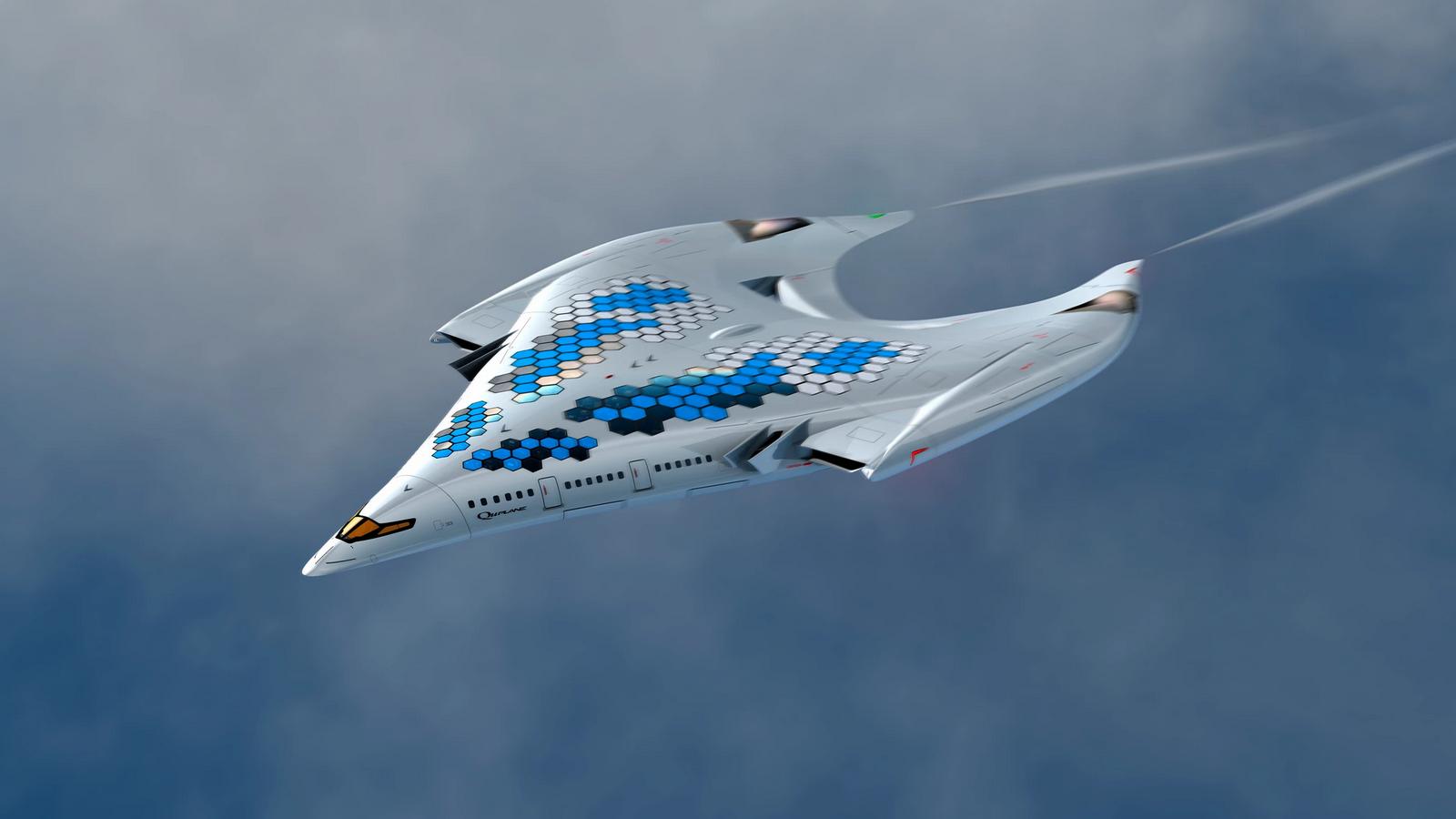
Yet its extraordinary promises come with formidable challenges, from hydrogen storage and experimental propulsion to sonic-boom restrictions and emergency evacuation through a cabin unlike conventional aircraft. For now, the QuPlane remains a vision of what supersonic travel might become, combining the speed of Concorde with the privacy of a luxury jet and the range of an ultra-long-haul airliner.