

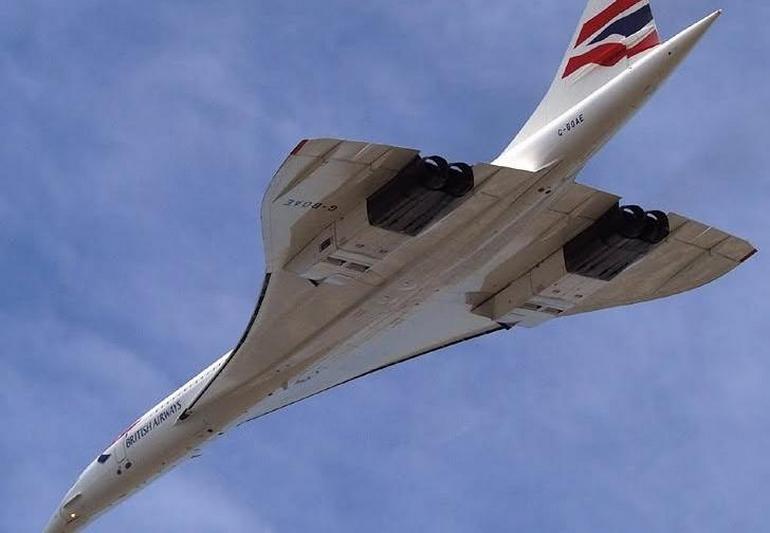
Concorde cruised at 55,000 to 60,000 feet, nearly five miles above where a regular jetliner spends its life, moving at Mach 2, or about 1,350 miles an hour. Up there, above the weather, passengers could actually see the earth curve beneath them and watch the sky fade toward the blackness of space. It was an incredible way to travel. But that altitude came with a catch nobody advertised on the ticket. The same thin, bone-dry, pressurized air that made the view so extraordinary was also working against the food and wine British Airways had spent so much effort perfecting.
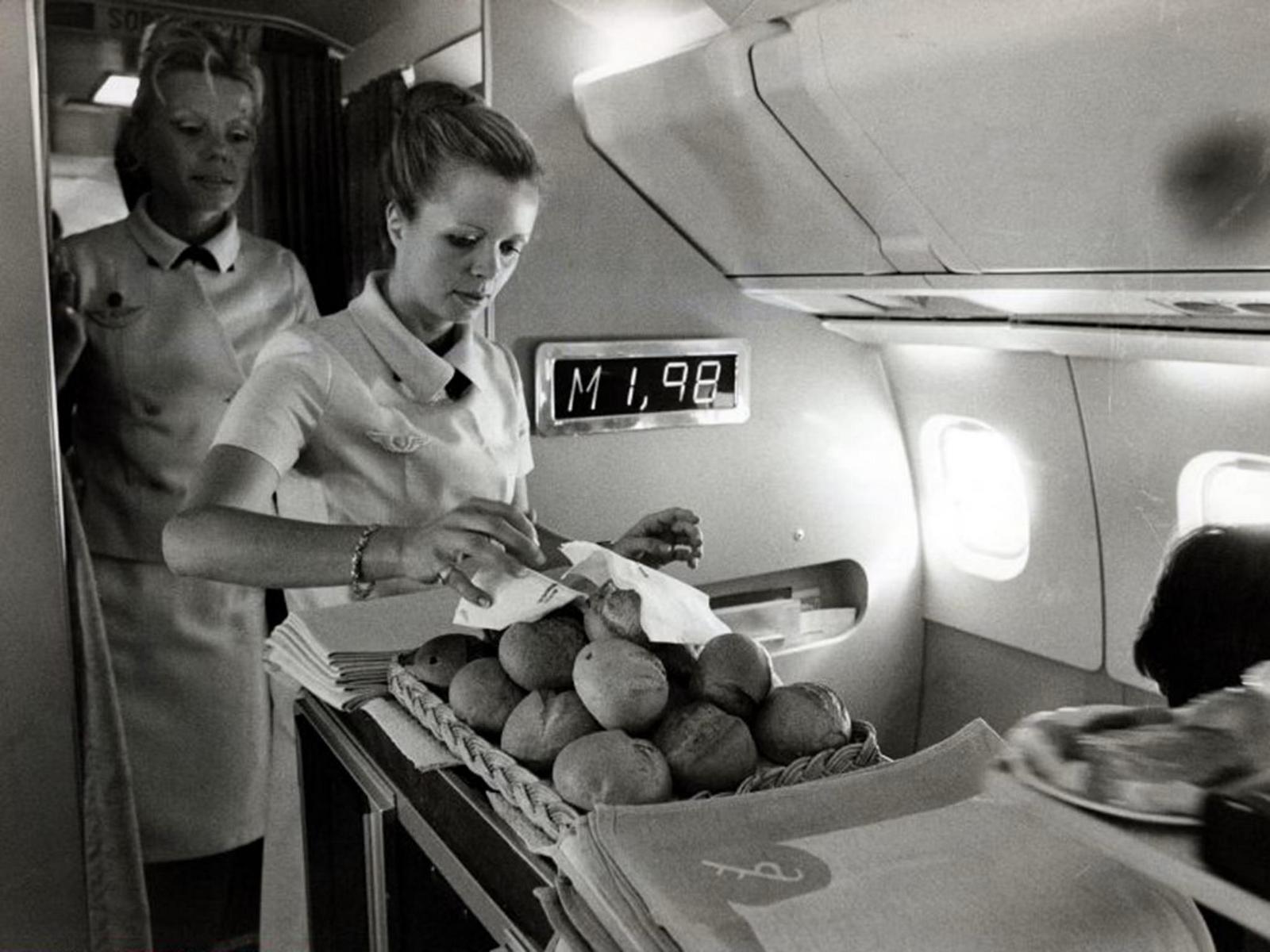
David Stockton, who ran food and beverage development for the airline, knew this better than anyone on the team. Cabin pressure and dry air blunt a person’s sense of taste by somewhere around 20% to 30% on a normal long flight, and the problem only got worse on Concorde, where the cabin sat higher and drier than anywhere else in commercial aviation. So instead of just throwing luxury ingredients at the problem and hoping for the best, Stockton and his chefs built a menu meant to fight back against dulled palates, as per Vanity Fair. Underneath all that glamour, there was actually a fair amount of thinking about how flavor behaves at 60,000 feet.
Built to survive thin air
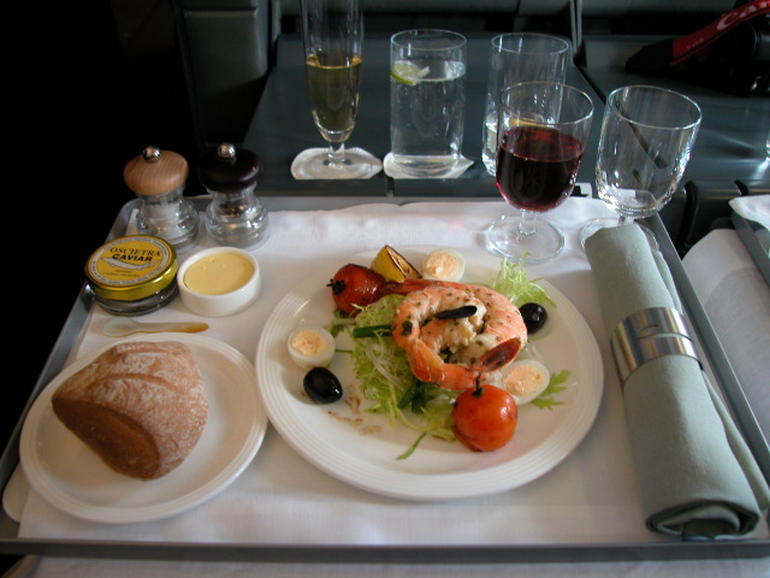
Caviar made sense almost immediately. It’s salty, it’s got that deep umami punch, and both of those come through even when a passenger’s taste buds aren’t firing on all cylinders. The texture alone gives you something to work with too, so it doesn’t rely purely on smell to land. And obviously it looked the part, which never hurts when you’re trying to convince someone their $12,000 fare was worth it.

Then there was the morel velouté, usually served with corn-fed chicken or guinea fowl, which might have been the smartest dish on the whole menu whether anyone planned it that way or not. Mushrooms are naturally loaded with umami, and that flavor seems to hang on better than most things do once you’re up in a pressurized cabin. Serving it as a velouté kept everything warm and moist too, which mattered a lot, since a dry reheated chicken breast at altitude is nobody’s idea of a good meal. Guinea fowl itself has more depth and a slightly gamier edge than standard chicken, giving it a better shot at cutting through, though honestly the sauce was probably doing more work than the meat.

Ginger compote was a clever move, and not for the reason most people would guess. Ginger doesn’t just register on the tongue, it also triggers the trigeminal nerve, the same system that picks up on heat and tingling and cooling sensations. So even after sweetness and aroma had been dulled by the cabin, a bite of ginger compote could still deliver a real physical kick. The compote format helped too, since it held onto moisture and kept the flavor concentrated instead of letting it fade out.
Foie gras rounded things out with sheer richness and fat, the kind of mouthfeel that doesn’t need a delicate nose to be appreciated. Its one weak spot was temperature. Serve foie gras too cold, and it goes flat fast, so getting that right, along with the seasoning, actually mattered more on Concorde than it would have on the ground.

Even the champagne had something to prove
Lobster was a slightly different story. It’s a delicate ingredient by nature, and that made it more exposed to dry cabin air than something heartier would be, so it usually showed up dressed with butter, herbs, or a sauce with some backbone to it. On British Airways’ first-ever Concorde flight, lobster reportedly turned up as a canapé alongside caviar and champagne before the actual three-course lunch even started, which suggests it was there for the moment as much as for the taste.
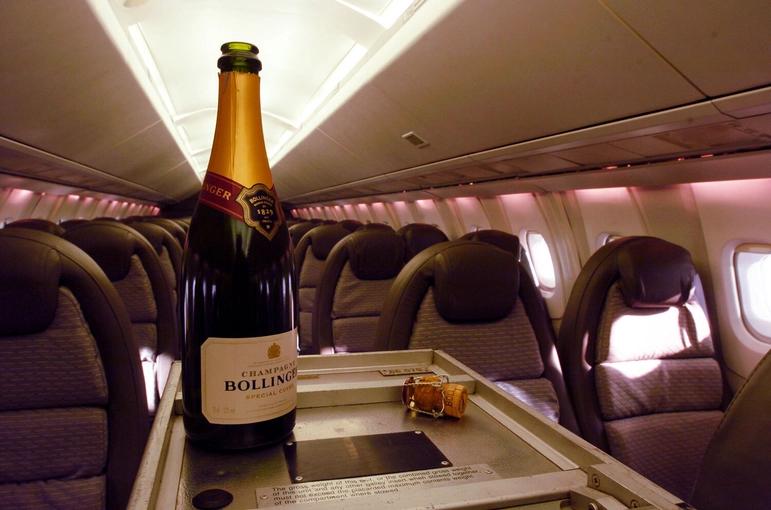
Champagne had its own version of this problem. Dry air can flatten out the subtler notes in a wine, but champagne had a few things going for it that still worked. The acidity held up. The bubbles gave the mouth something physical to grab onto. And there’s just something about the sound and the sensation of it, cold and celebratory, that doesn’t need a perfectly tuned palate to land.

That’s likely why British Airways stocked its Concorde Cellar with houses like Krug, Pommery, Lanson, and Pol Roger, brands known for making a statement rather than whispering. The Pol Roger Cuvée Sir Winston Churchill stood out in particular, a champagne bold enough to hold its own at altitude, and the 1986 vintage alone would have run close to $200 a bottle back on solid ground.

It’s said the same vintage was poured on Concorde’s very last scheduled flight, which feels fitting. Of everything on that menu, it was the one drink built, quite deliberately, to still taste like something worth remembering nearly five miles up.