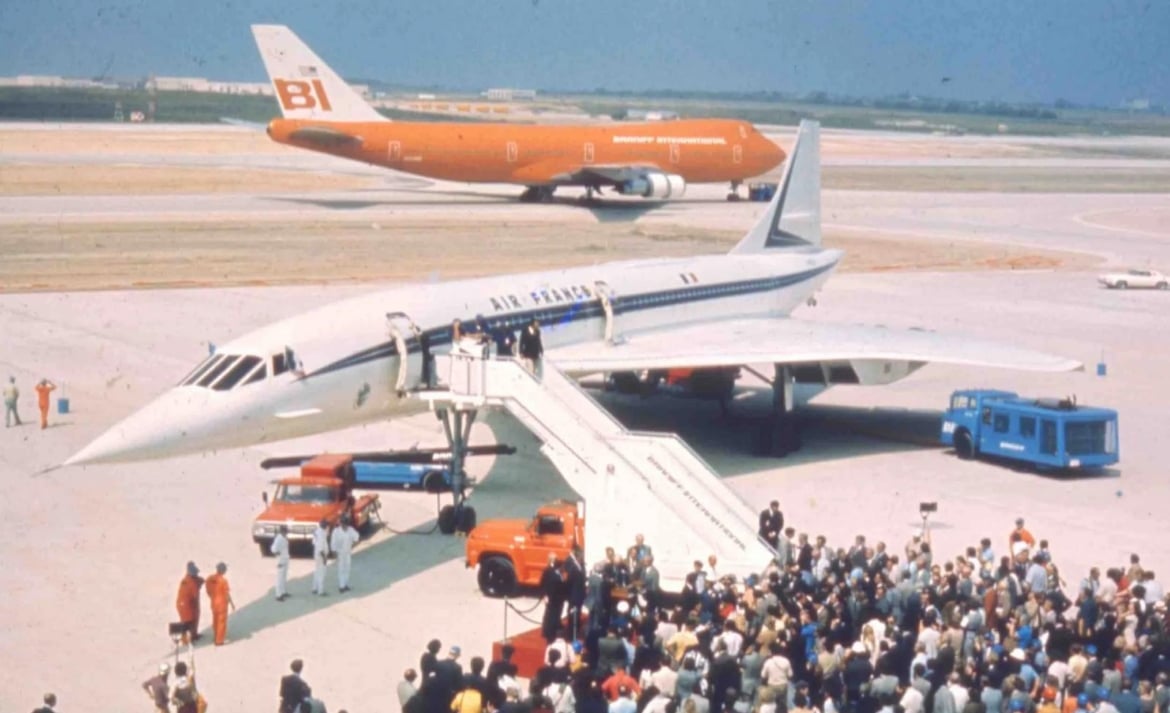
For 16 months at the dawn of the 1980s, some of Texas’ wealthiest business travelers paid a premium for what seemed like the ultimate aviation experience. They boarded Concorde in Dallas expecting to fly aboard the fastest passenger aircraft ever built, sipping champagne and dining on caviar before continuing to London or Paris. Yet there was one extraordinary catch. During the domestic leg between Dallas and Washington, the sleek supersonic icon never did the one thing that made it famous. The aircraft were never allowed to breach the speed of sound.
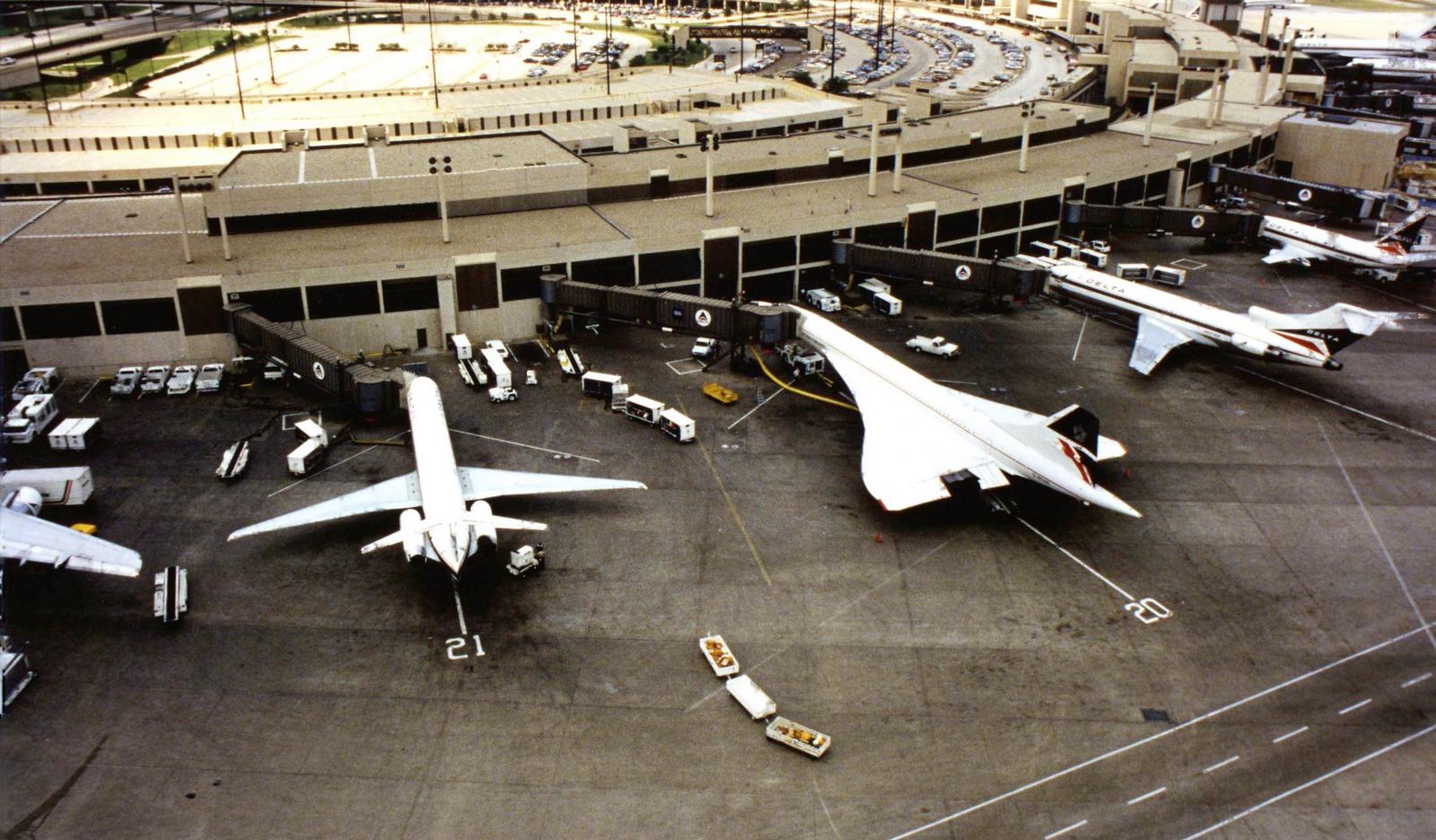
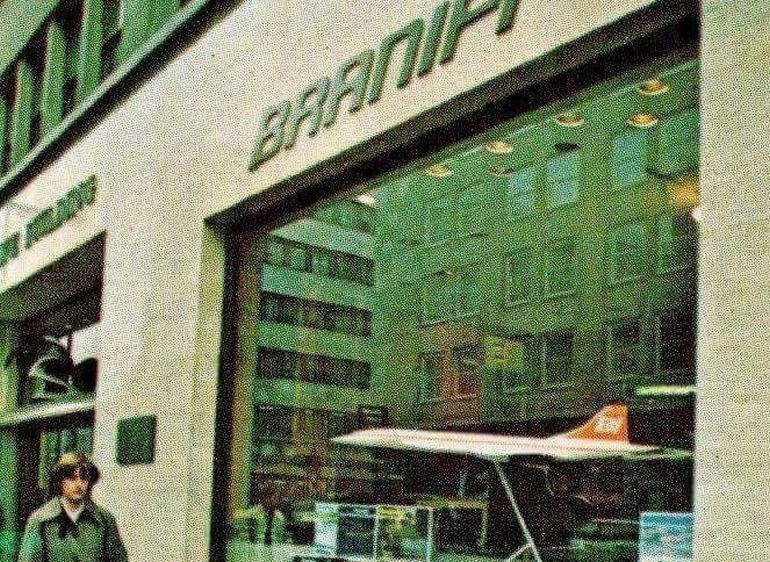
The unusual operation, which ran from January 12, 1979, to May 31, 1980, made Braniff International the only American airline ever to operate scheduled Concorde services, even though it never owned the aircraft. According to Airways Magazine, British Airways and Air France supplied the jets under a unique interchange agreement, while Braniff crews flew them between Dallas/Fort Worth and Washington Dulles before the aircraft continued across the Atlantic under their European operators.

America’s most glamorous airline meets the world’s fastest jet
Long before Concorde arrived in Texas, Braniff had built a reputation unlike any other US airline. Its celebrated “End of the Plain Plane” campaign transformed commercial flying into a showcase of fashion and design. Aircraft wore vibrant colors instead of conventional liveries, crews dressed in designer uniforms created by Emilio Pucci and later Halston, and even airport lounges reflected the airline’s obsession with style.

Concorde fit naturally into that vision. Although Braniff had once hoped to buy supersonic aircraft of its own, those ambitions faded after the cancellation of Boeing’s SST program. The partnership with British Airways and Air France finally allowed the airline to offer passengers something no domestic rival could match. It gave the opportunity to begin an international journey aboard aviation’s ultimate status symbol.
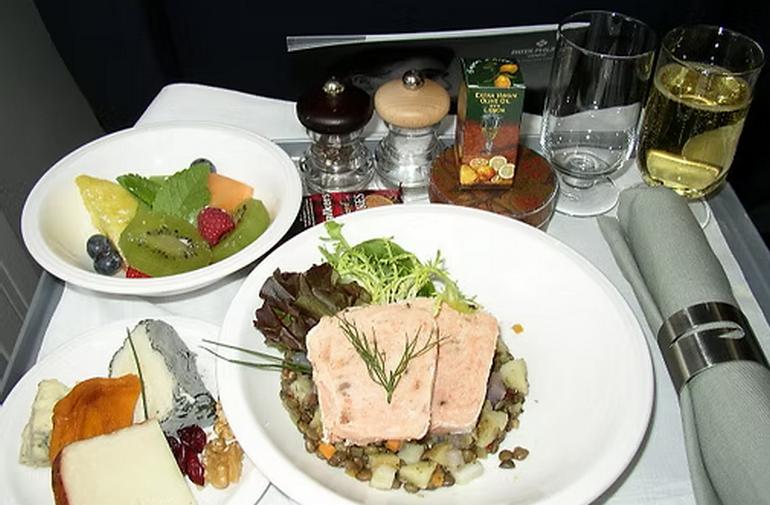
The onboard experience reinforced that exclusivity. Passengers enjoyed generous servings of caviar, Chateaubriand steaks and Moët & Chandon champagne, served on china specially commissioned for Braniff’s supersonic service. Even with Concorde’s famously narrow four-abreast cabin and compact, passport-sized windows, the flight felt less like a commercial airliner than an exclusive private club at altitude.

The trouble was that the club was almost always empty, and the excess pressed on regardless. Braniff loaded so much caviar that crews reportedly took the leftovers home for their cats: glamour outrunning economics, five-ounce tins bound not for a Texas oil baron but for a house cat in a Dallas suburb. The waste marked the aircraft too. Crews poured leftover red wine down the galley drain, streaking the jet’s pristine white belly dark purple, until a furious Air France purser stormed up the stairs to show them the damage, and the practice stopped.

Why Concorde could never break the sound barrier over America
For all its glamour, the Dallas-Washington service was governed by a rule that fundamentally changed the aircraft’s purpose. In 1973, the US government prohibited routine civilian supersonic flight over land because of the disruptive sonic booms created when aircraft exceeded the speed of sound. Studies and public complaints had raised concerns about the effects of repeated sonic booms on communities, including loud explosive noises, vibration, and potential property damage. As a result, commercial aircraft could not legally cruise above Mach 1 over the American mainland.

That meant Braniff’s Concordes were limited to about Mach 0.95 during the entire domestic journey. The world’s fastest airliner crossed the United States at closer to the same cruising speed as conventional jets parked at neighboring gates. While passengers still enjoyed Concorde’s prestige and shaved roughly 20 minutes off the trip thanks to its high subsonic cruise, they never experienced the dramatic acceleration to Mach 2 that defined the aircraft on transatlantic sectors.
A remarkable operation unlike any other
The interchange service required an extraordinary level of coordination. British Airways and Air France crews flew the aircraft into Washington from Europe. After landing, the airplanes temporarily adopted US registrations to satisfy Federal Aviation Administration regulations governing domestic operations by American carriers.

Braniff pilots, who had undergone full Concorde training in Britain and France, then took control for the flight to Dallas. The process was reversed the following morning, when the aircraft returned to Washington and resumed its European identity before crossing the Atlantic. Few commercial airliners have ever changed registration, documentation, operating crews, and airline identity during a scheduled journey as routinely as Concorde did during the Braniff years.

Prestige could not overcome economics
Despite attracting enormous publicity, the service never became the commercial success Braniff had envisioned. Concorde had been engineered to deliver its greatest efficiency while cruising at twice the speed of sound. Flying below Mach 1 meant the aircraft retained its high operating costs without offering the full time-saving advantage that justified its premium fares.

The timing also proved unfortunate. The 1979 oil crisis sharply increased fuel prices, interest rates climbed toward 20%, and demand for premium travel weakened. Many wealthy travelers found Braniff’s spacious first-class cabins on conventional aircraft more comfortable than Concorde’s narrow fuselage, especially when the supersonic jet could save only a fraction of an hour on the domestic leg.
After 360 flights, Braniff ended the experiment on May 31, 1980. The airline itself would collapse two years later, but its Concorde partnership remains one of the most fascinating chapters in aviation history. For a brief moment, wealthy Texans could claim they had boarded the world’s fastest airliner in Dallas. They simply had to wait until reaching the Atlantic before it was finally allowed to prove it.