There are few things more frustrating for a watch collector than discovering that a timepiece once within reach has become worth a fortune. Even Philippe Stern, the man who helped turn Patek Philippe into one of the world’s most prestigious watchmakers, had reason to experience that particular regret. His son, Thierry Stern, recently recalled an extraordinary conversation in which his father spoke about a watch he could have purchased in 1985 for just $17,000, only for its value to climb to an astonishing 15 million decades later. The revelation came during the Patek Philippe Museum’s 25th-anniversary celebrations in Geneva, offering a rare glimpse into the missed opportunities behind one of watchmaking’s most celebrated collections.
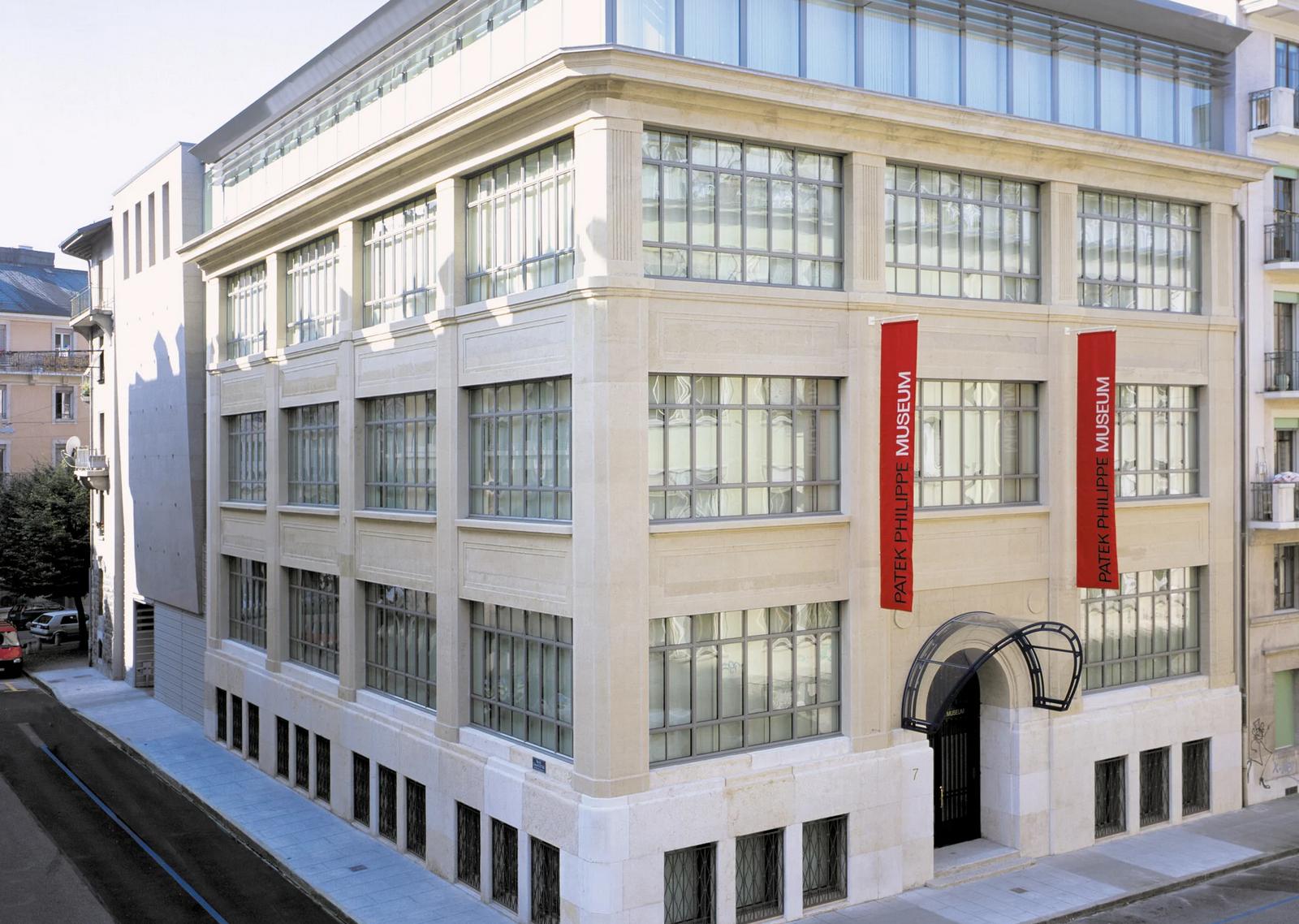
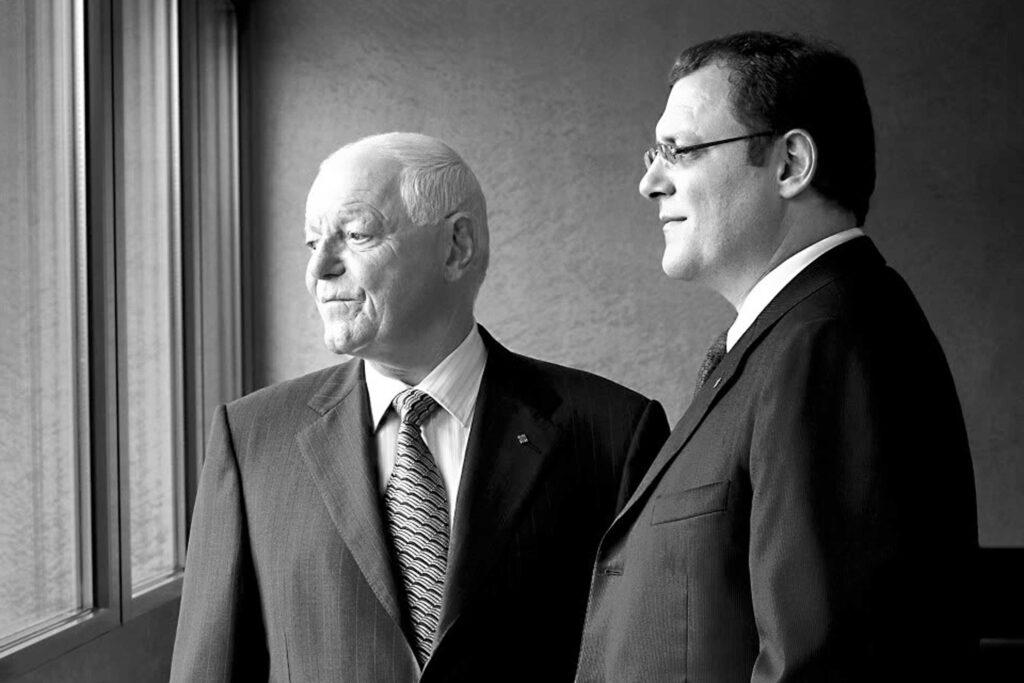
As reported by Forbes, Thierry shared the anecdote while discussing his father’s collecting philosophy and the museum’s growing ambitions. He recalled Philippe saying, “I could have bought it in 1985 for $17,000, and today it’s worth 15 million.” Thierry suggested that Patek Philippe was now financially strong enough to potentially acquire such a piece, although he added with a smile that he hoped to negotiate a better price. Neither father nor son identified the watch, its previous owner or its present whereabouts, leaving collectors with an intriguing mystery.

The watch that got away
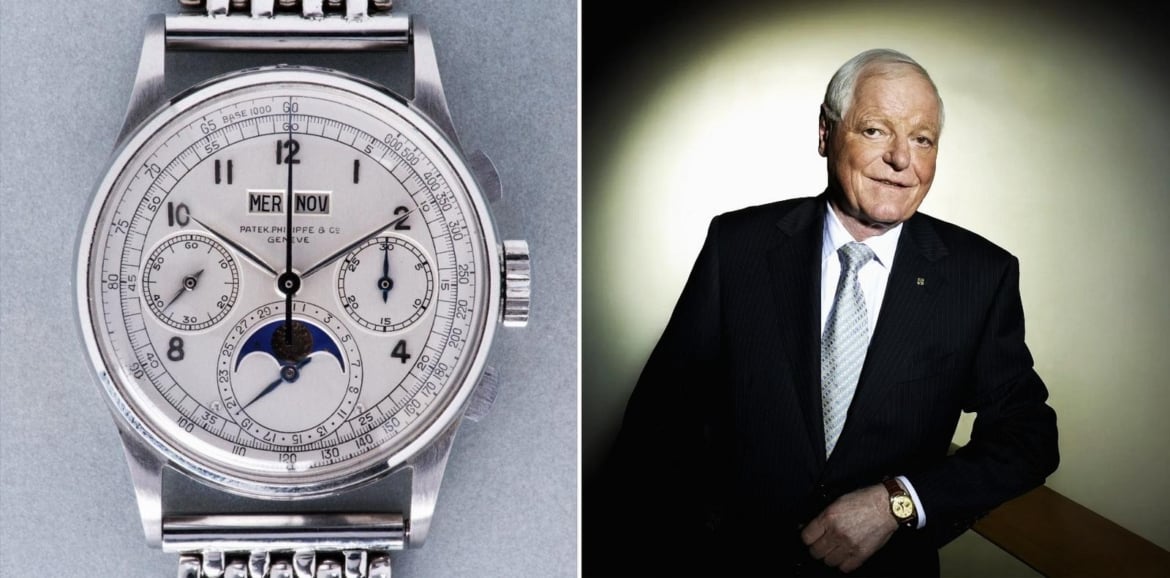
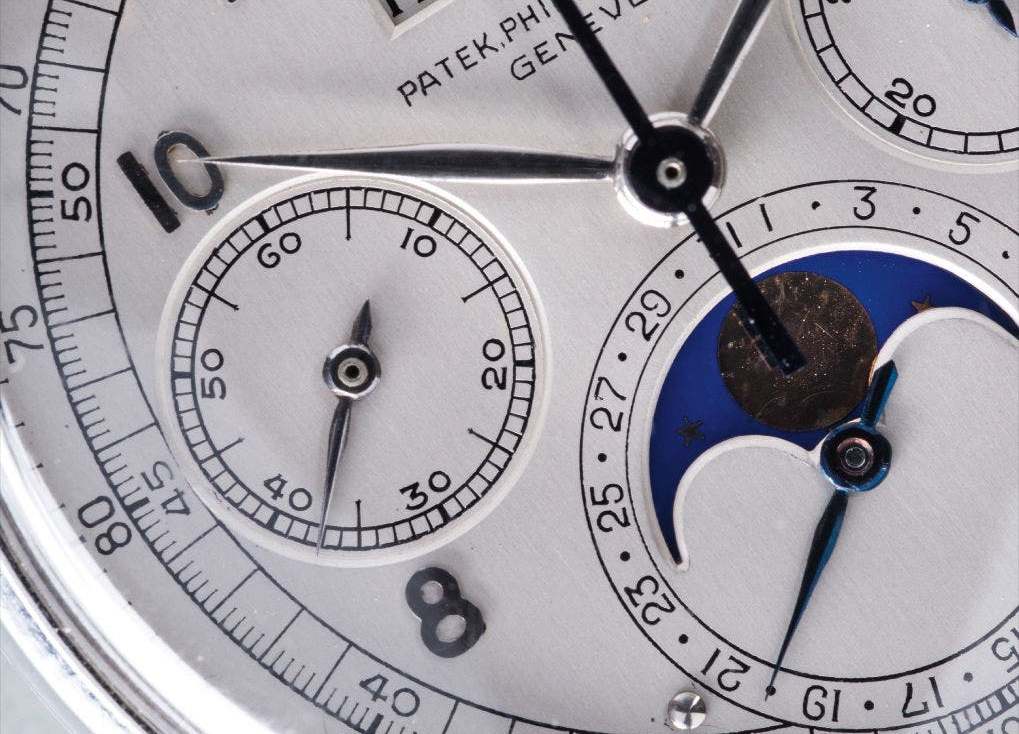
One possible clue lies in the stainless-steel Patek Philippe reference 1518, among the most coveted vintage watches ever produced. A steel example achieved approximately €15.24 million (about $17 million) at a Phillips auction in Geneva in 2025, illustrating just how extraordinary the market has become for these historically important timepieces. However, there is no confirmed evidence that this was the watch Philippe was referring to, and the particular example associated with collectors in the 1980s may have been a different piece. There is also a currency distinction worth noting, since the original Spanish report gives the later valuation as $16.5 million without specifying whether it means dollars or another currency.
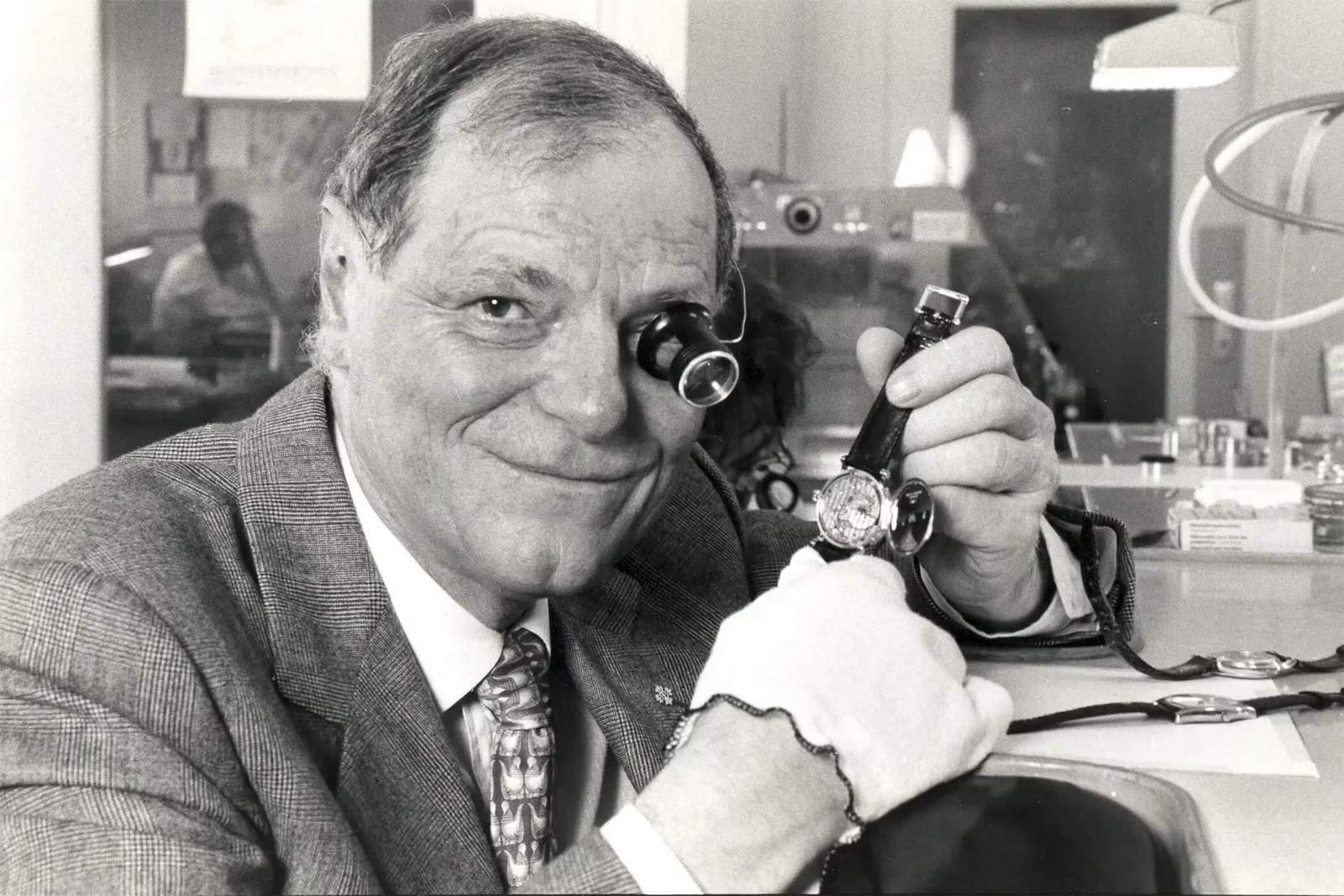
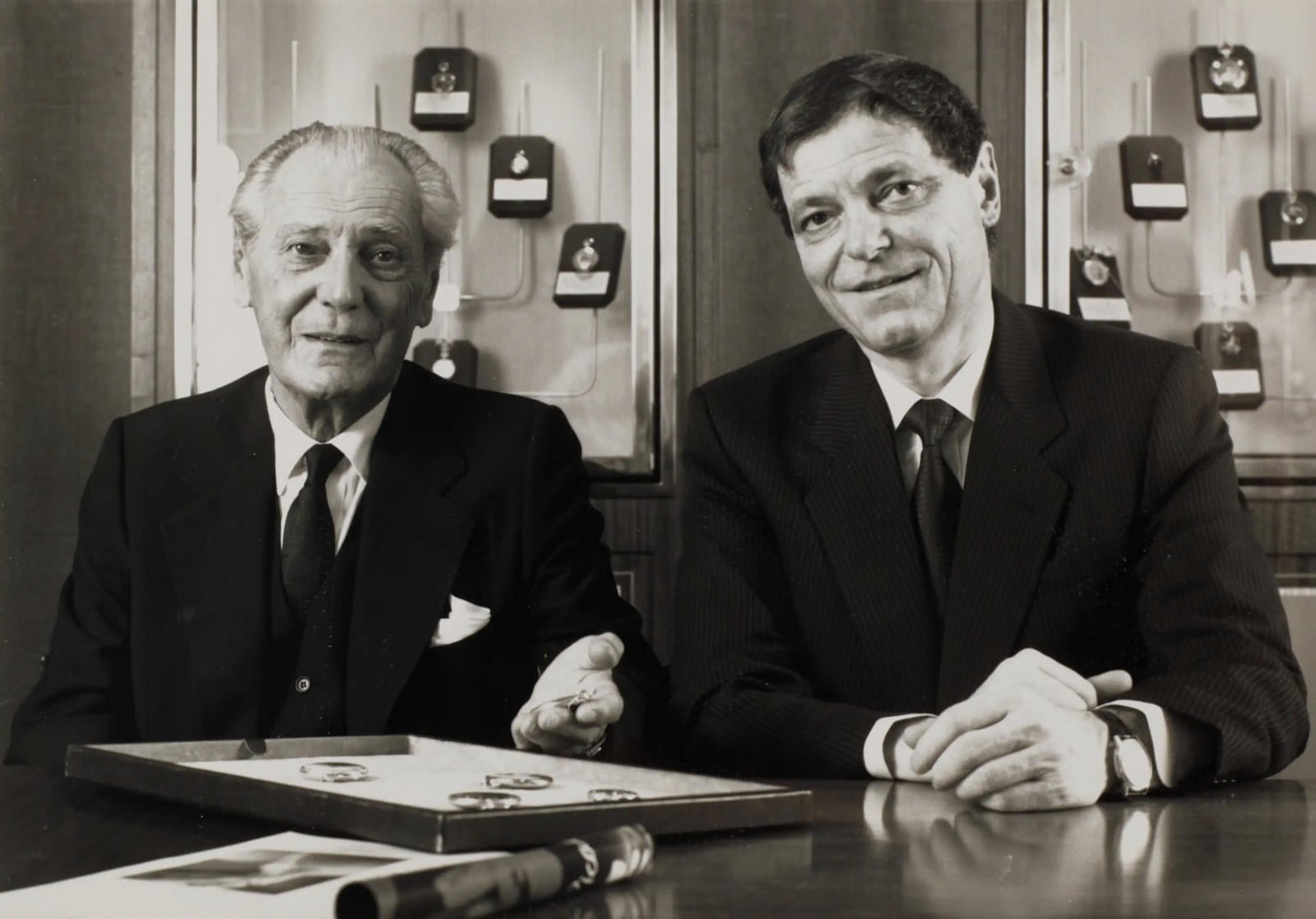
Philippe’s decision becomes easier to understand when viewed against the financial circumstances surrounding Patek Philippe during the 1980s. His son has previously recalled how his father took out a substantial loan to buy back company shares and protect the family business, telling them at dinner that he had taken a huge risk. In 1985, Philippe was the company’s general director, while his father, Henri Stern, remained president until 1993. Building the manufacture and securing Patek Philippe’s future took precedence over expanding an already impressive personal collection.
A different kind of investment
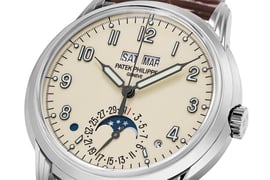
The year 1985 was also significant for the manufacture because it introduced the reference 3940, an ultra-thin perpetual-calendar wristwatch that would become one of Patek Philippe’s defining modern models. Its initial production included 25 numbered examples commissioned for Zurich retailer Beyer’s 225th anniversary, and Philippe himself wore a champagne-dial version. He was particularly committed to preserving traditional mechanical watchmaking and specialist crafts through the quartz crisis, making investment in the manufacture a priority.
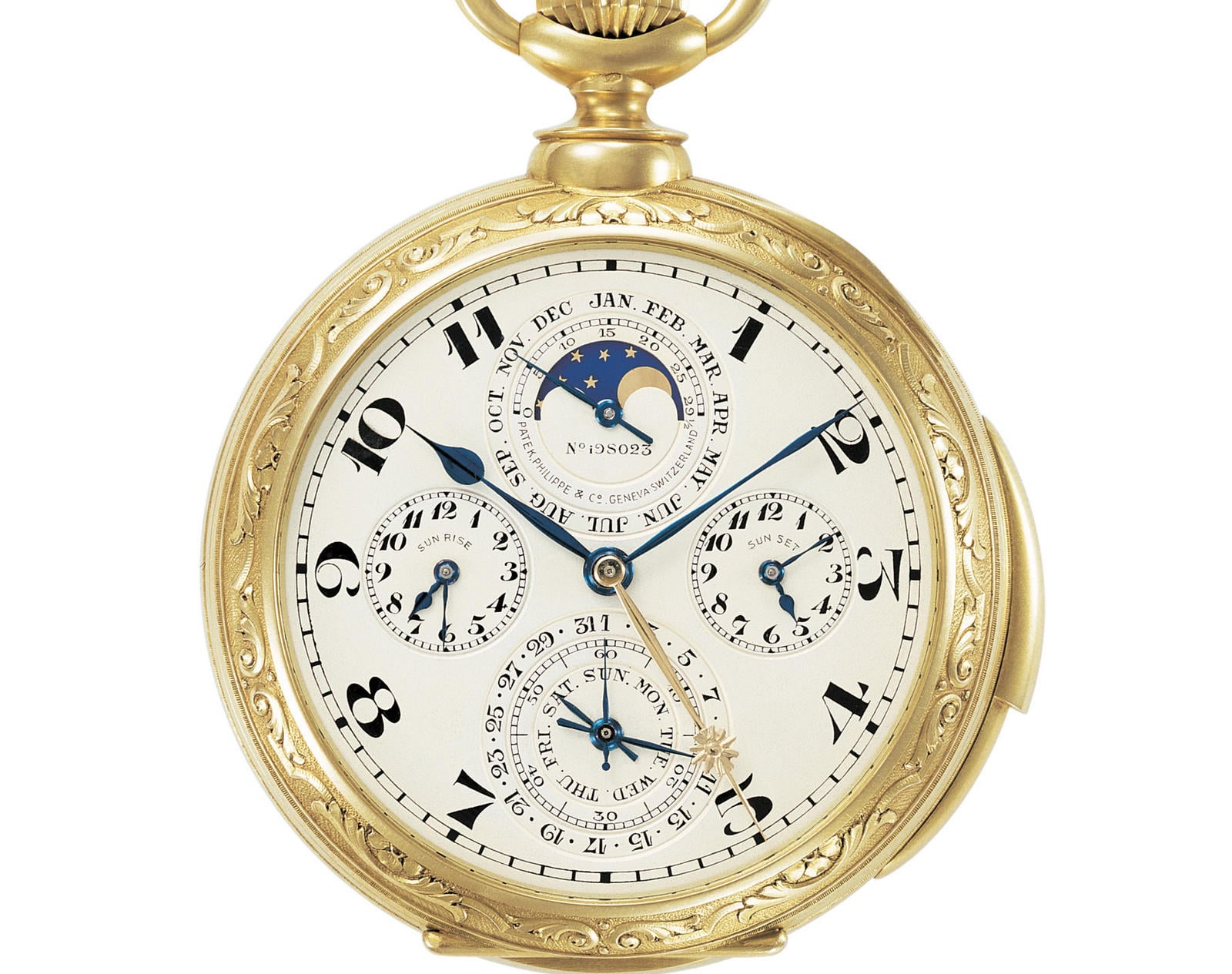
His collecting preferences also leaned heavily toward historical pocket watches, enamel craftsmanship and exceptional complications rather than rare steel wristwatches. Around 1988, Patek Philippe paid a non-negotiable $1.3 million for James Ward Packard’s extraordinary astronomical pocket watch, demonstrating that Philippe was prepared to spend heavily when an acquisition aligned with his horological priorities. His father’s missed $17,000 opportunity is therefore more than an expensive collecting mistake. It is a reminder that even the most influential figures in luxury watchmaking cannot acquire everything worth owning, particularly when the future of the institution they are building matters more than the next extraordinary watch.