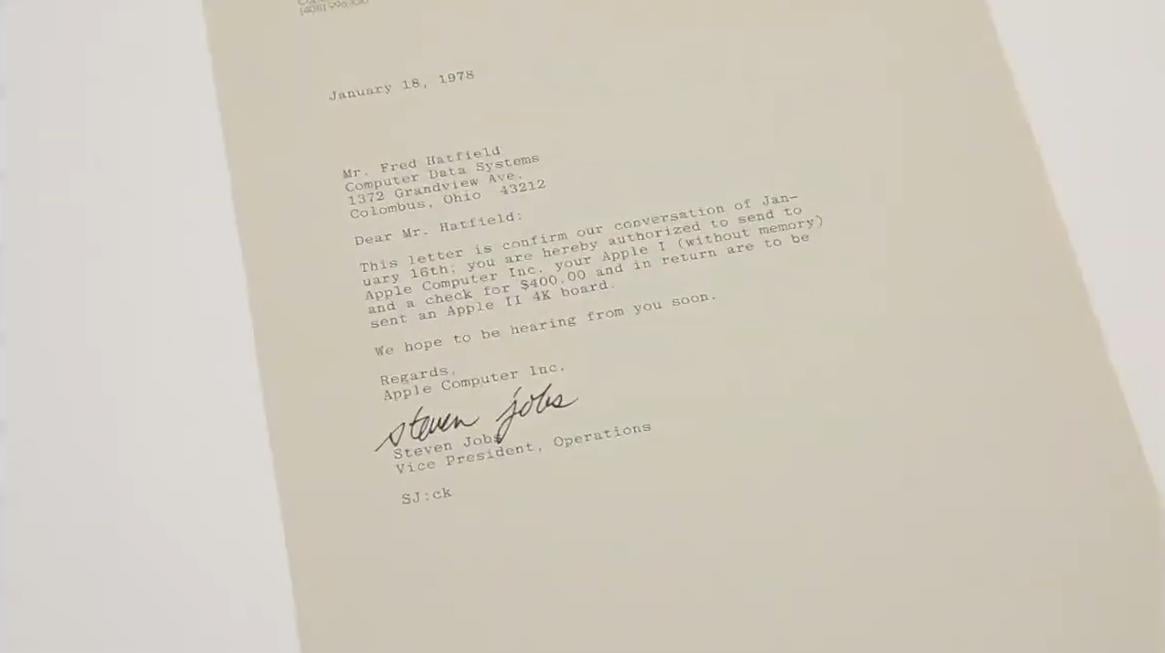
The most remarkable thing about a rare Apple-1 heading to auction may not be the computer itself. It may be the letter that once asked its owner to give it back. In January 1978, Steve Jobs wrote to Fred Hatfield, a New Orleans engineer and early Apple customer, authorizing him to exchange his Apple-1 for an Apple II 4K board by sending the old computer back to Apple along with $400. Hatfield said no, kept the machine, and preserved something that Apple itself had been trying to make disappear. Nearly five decades later, that decision could help turn the computer into an $800,000 auction prize.
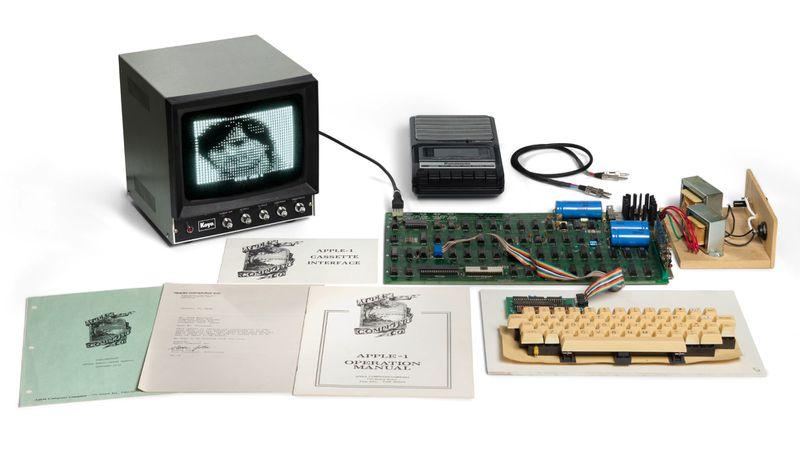
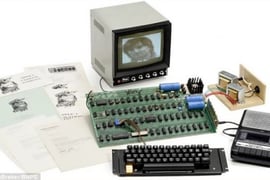
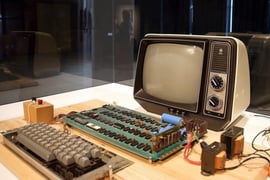
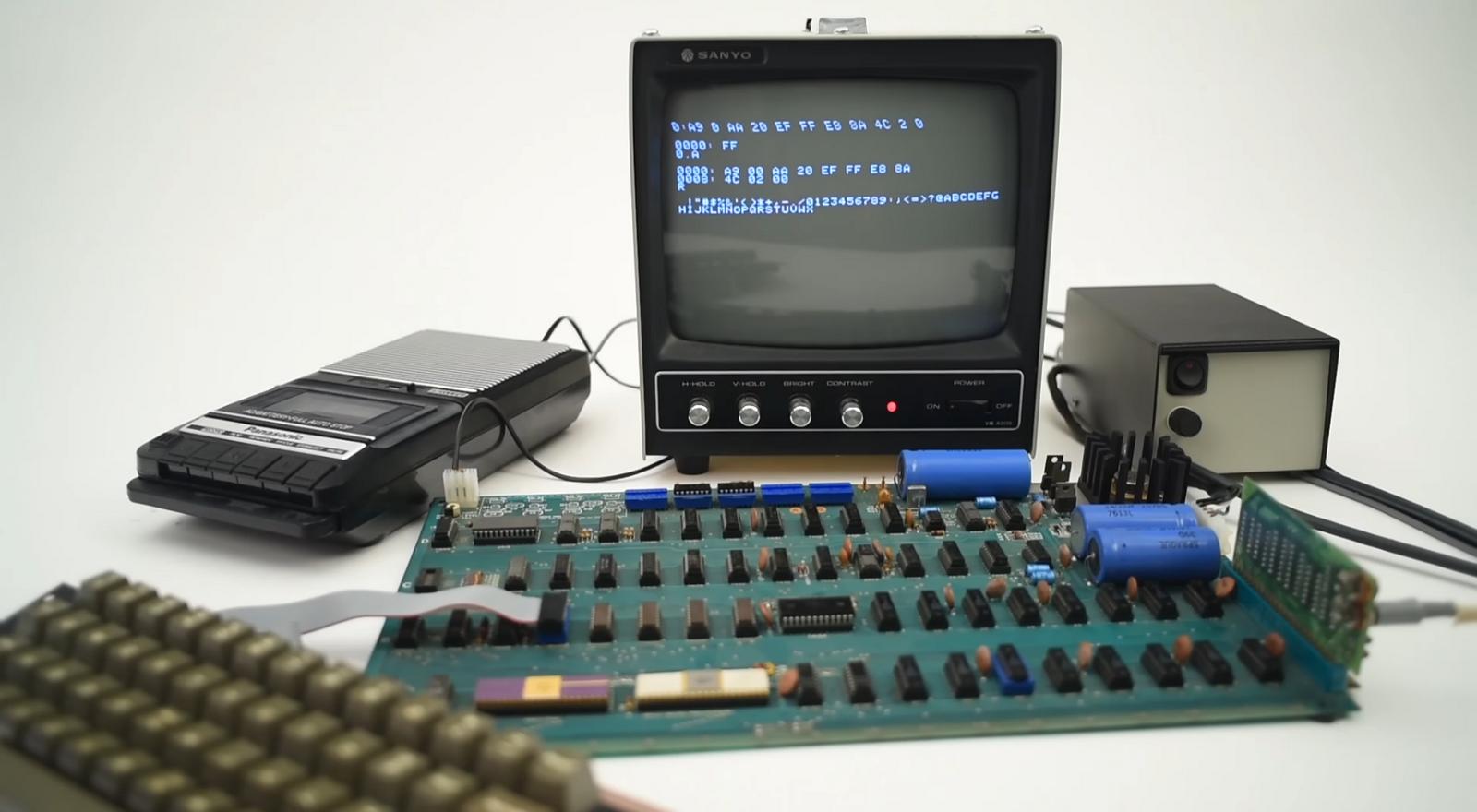
The Hatfield Apple-1 will be auctioned as part of Bonhams‘ forthcoming History of Science, Technology & Computing sale, running online from October 4 through October 14, 2026, with an estimate of $500,000 to $800,000. It is one of fewer than 75 verified Apple-1 computers known to survive and remains listed as an operational example.
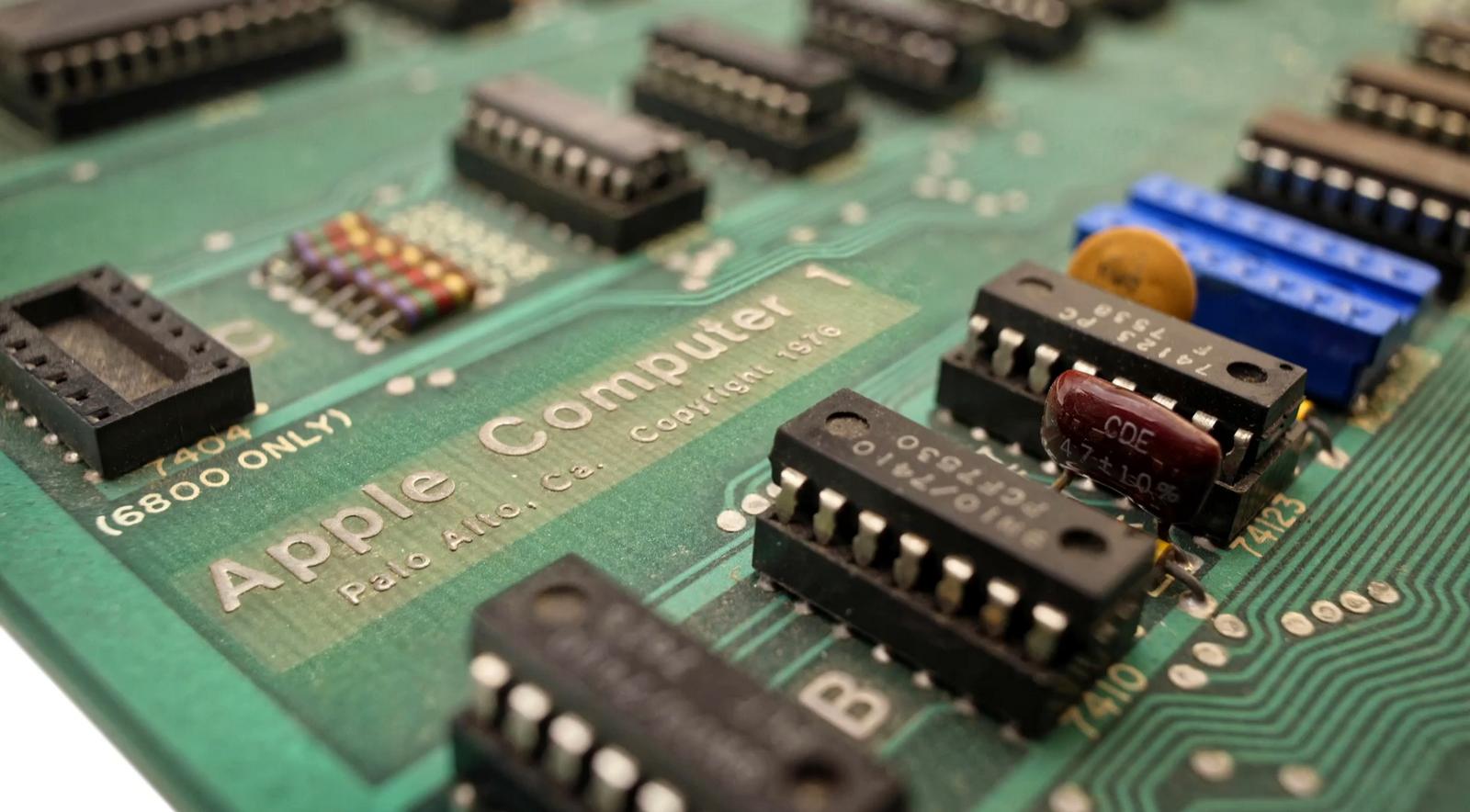
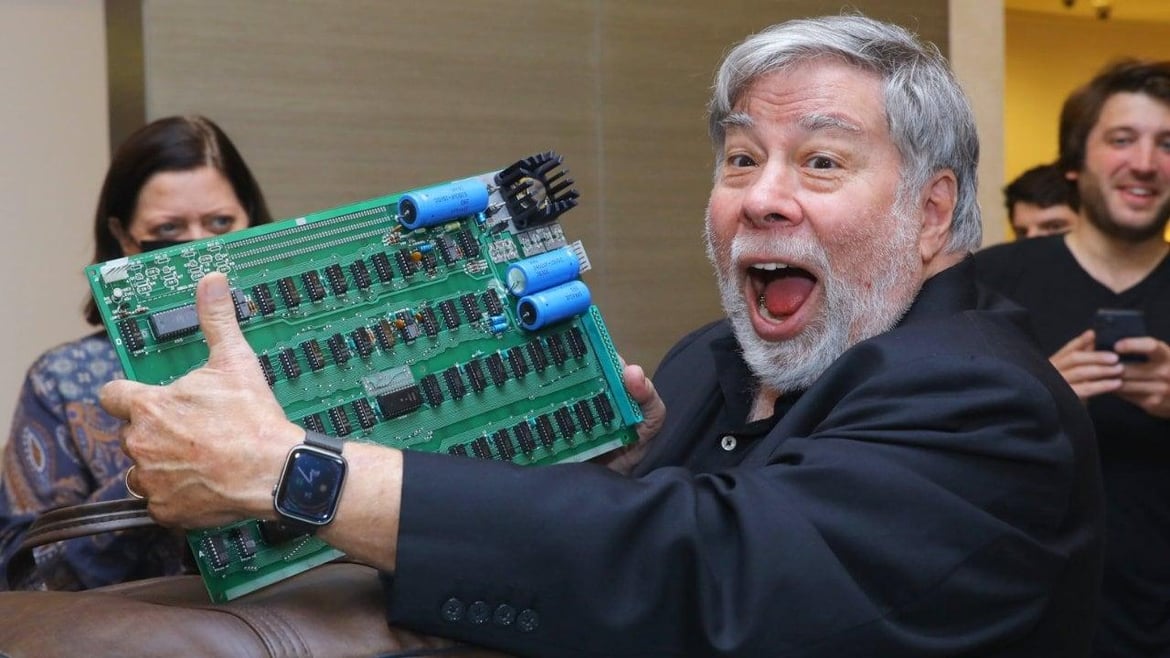
The motherboard carries Steve Wozniak’s signature and comes with Jobs’ 1978 letter to Hatfield, creating an unusually direct connection between Apple’s two founders and a single machine. Yet the Jobs letter is more important than a piece of celebrity memorabilia. It is evidence of what Apple wanted to happen to this particular computer.
The letter that could have ended its life
Apple had discontinued the Apple-1 in 1977 and began encouraging owners to trade their machines in for newer hardware. Returned Apple-1 boards were destroyed, helping reduce the surviving population to fewer than half of the 200 computers originally produced. There was a practical reason for Apple’s push as well, since Wozniak was reportedly the only employee able to provide technical support for the aging machine. Against that backdrop, Jobs’ letter to Hatfield becomes something much more revealing than a founder’s autograph. It is a surviving instruction to send one of those increasingly unwanted boards back to Apple.
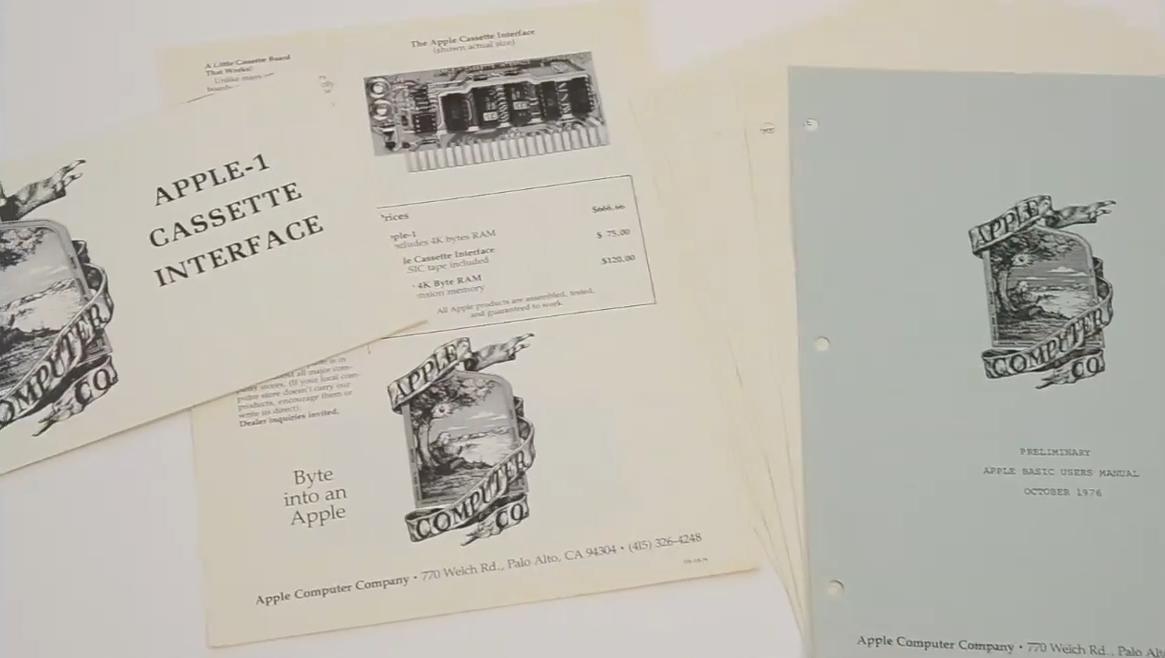
Hatfield had contacted Apple because he was unhappy with the limited software available for the Apple-1. Jobs responded on January 18, 1978, signing as Apple’s Vice President, Operations, and authorizing Hatfield to return his Apple-1 without its memory chips along with a $400 check in exchange for an Apple II 4K board. Hatfield could keep the memory chips, but the computer itself was supposed to go back to Apple. The Apple II 4K board retailed for $598 at the time, making Jobs’ offer a substantial concession. Hatfield nevertheless decided that the upgrade was not worth the additional $400 and kept his Apple-1 instead.
A refusal worth hundreds of thousands
That refusal eventually became the defining moment in the computer’s history. Hatfield packed the machine securely and carried it through multiple moves rather than discarding it when the Apple-1 became obsolete. He eventually sold it in 2013 for $40,000 when it was not functioning, after which it was restored and demonstrated in working order. The computer was then sold at auction for $671,400, showing how dramatically the market had come to value surviving examples of Apple’s first computer. It is now returning to the auction block with a potential price of $800,000.
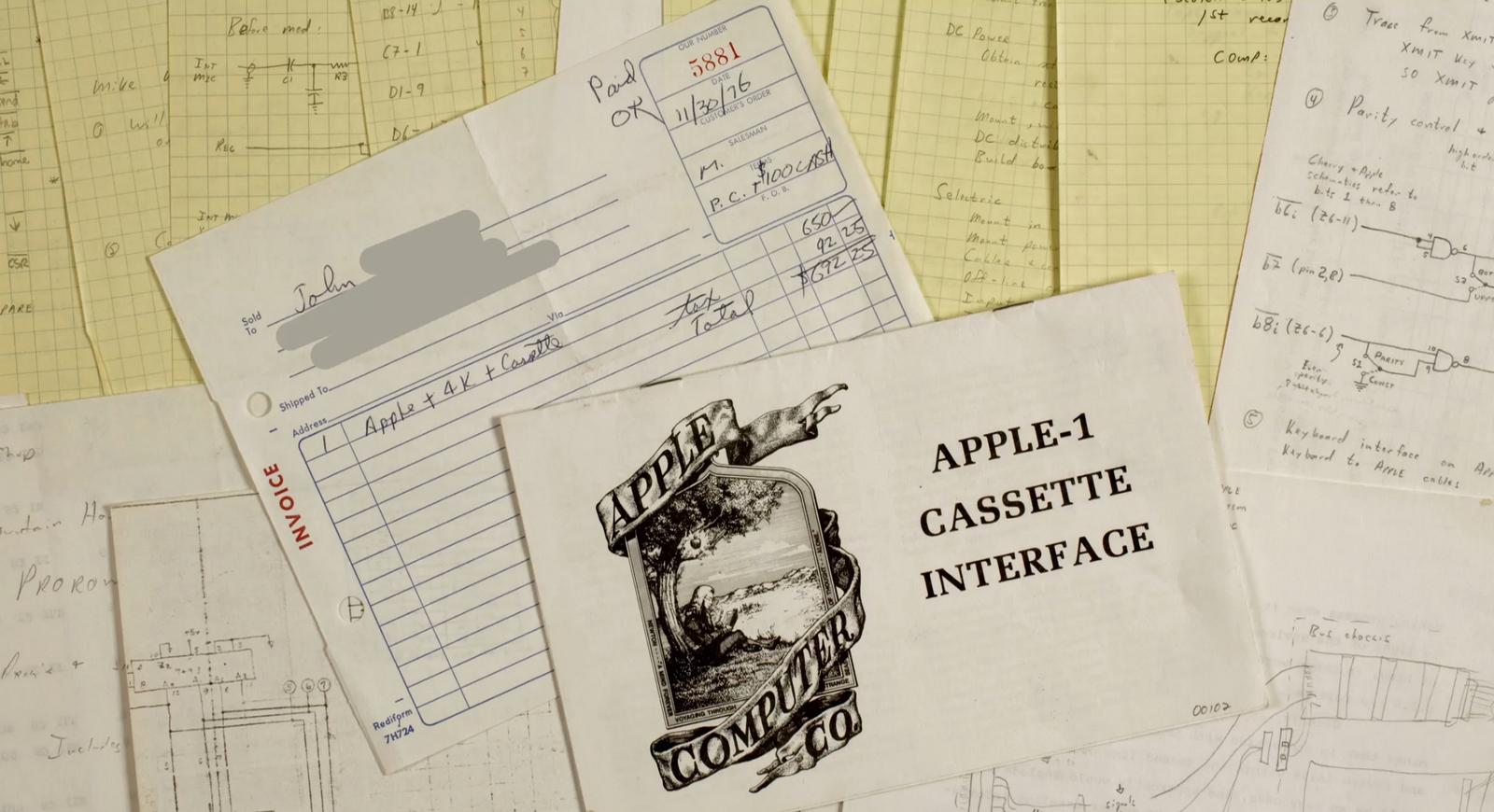
The most compelling part of the lot is therefore the relationship between the two objects. Sitting together are the artifact Apple wanted back and the letter that effectively ordered its return. One survived because the other failed, and Hatfield’s refusal is the reason both can now be examined together. The buyer is not simply paying for a 1976 computer or a Steve Jobs signature, but for physical evidence of a decision that could easily have erased the machine from history. In that sense, the letter is worth preserving precisely because its intended outcome never happened, and the $800,000 question is ultimately a price being placed on a failed instruction.