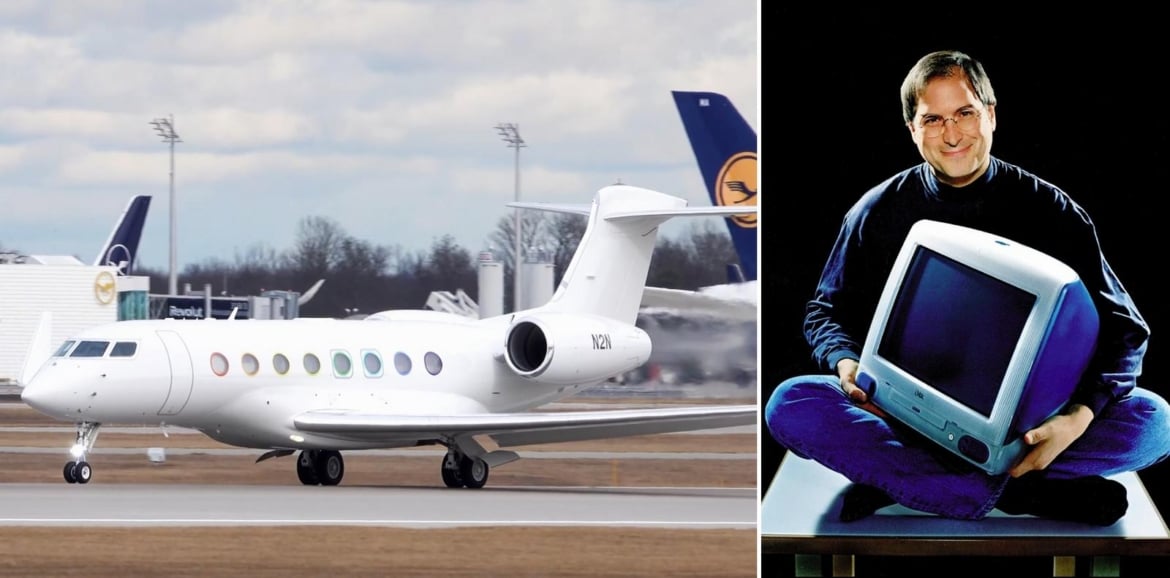
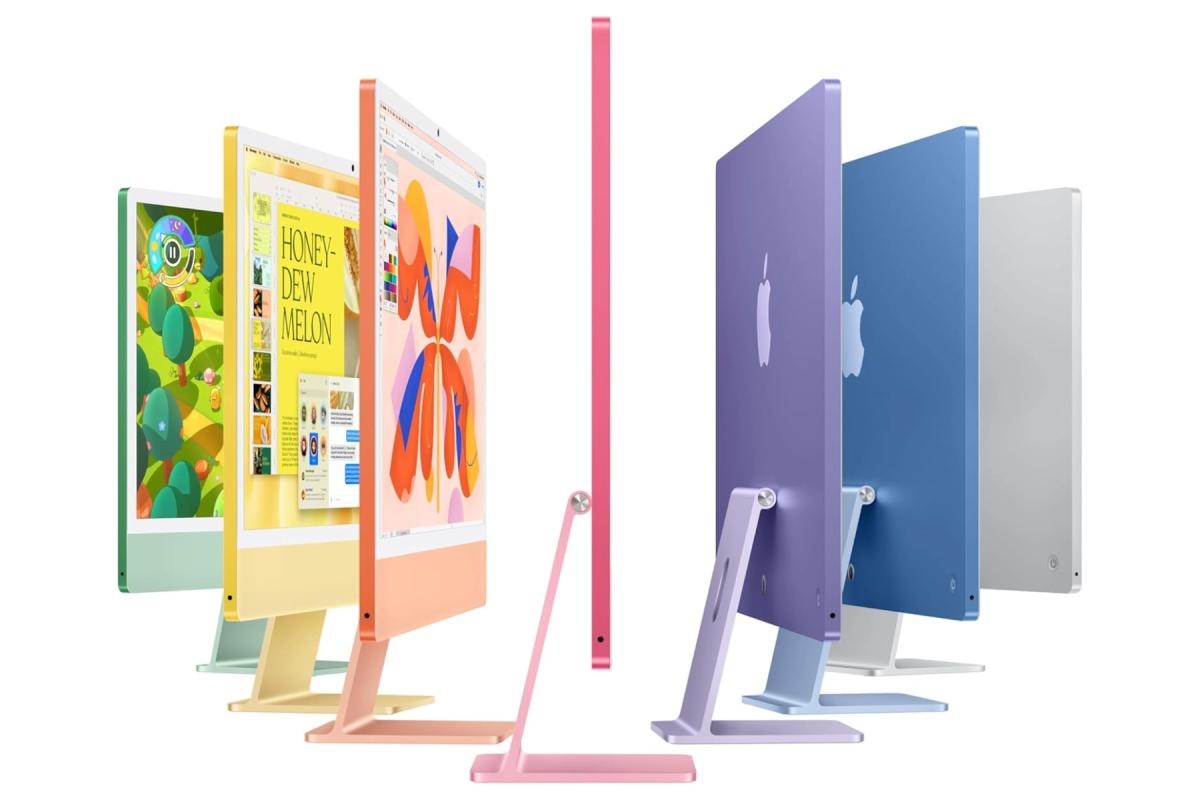
Steve Jobs had a rather unusual way of making even a private jet stand out. Instead of covering the aircraft in elaborate graphics or extravagant paintwork, its predominantly white exterior featured a series of colored outlines around the cabin windows, creating a look that would feel surprisingly familiar to anyone who remembers Apple’s colorful computers from the late 1990s. The resemblance is hard to miss, with the different shades bringing to mind the original iMac G3 and its playful collection of colors that helped turn Apple’s fortunes around.

While there is no confirmed evidence that the aircraft’s window surrounds were deliberately inspired by the iMac, the visual connection makes for an interesting piece of Apple’s history. The computer, after all, was much more than another product launch for the company. It became one of the most important machines of Steve Jobs‘s return to Apple, helping transform a struggling business into one of the most recognizable technology companies in the world.
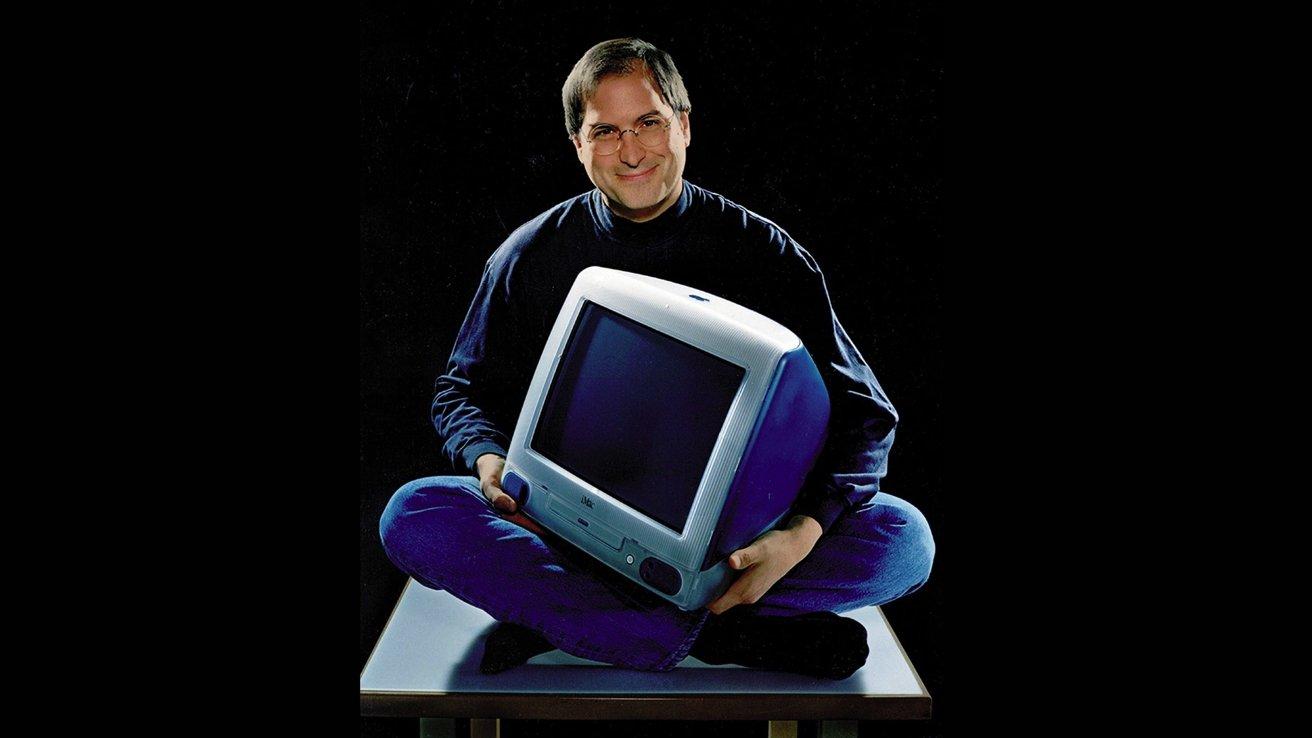
The iMac that brought color back into Apple’s world
When Apple unveiled the original iMac in May 1998, the company was still recovering from a financial crisis that had left it with a staggering $1.045 billion loss in fiscal 1997. Jobs had already started turning things around, with Apple reporting a $47 million quarterly profit earlier that year, but the recovery was far from secure. The iMac was among the products that would give the company a much-needed push, and it certainly did not look like the beige desktop computers people were accustomed to buying.
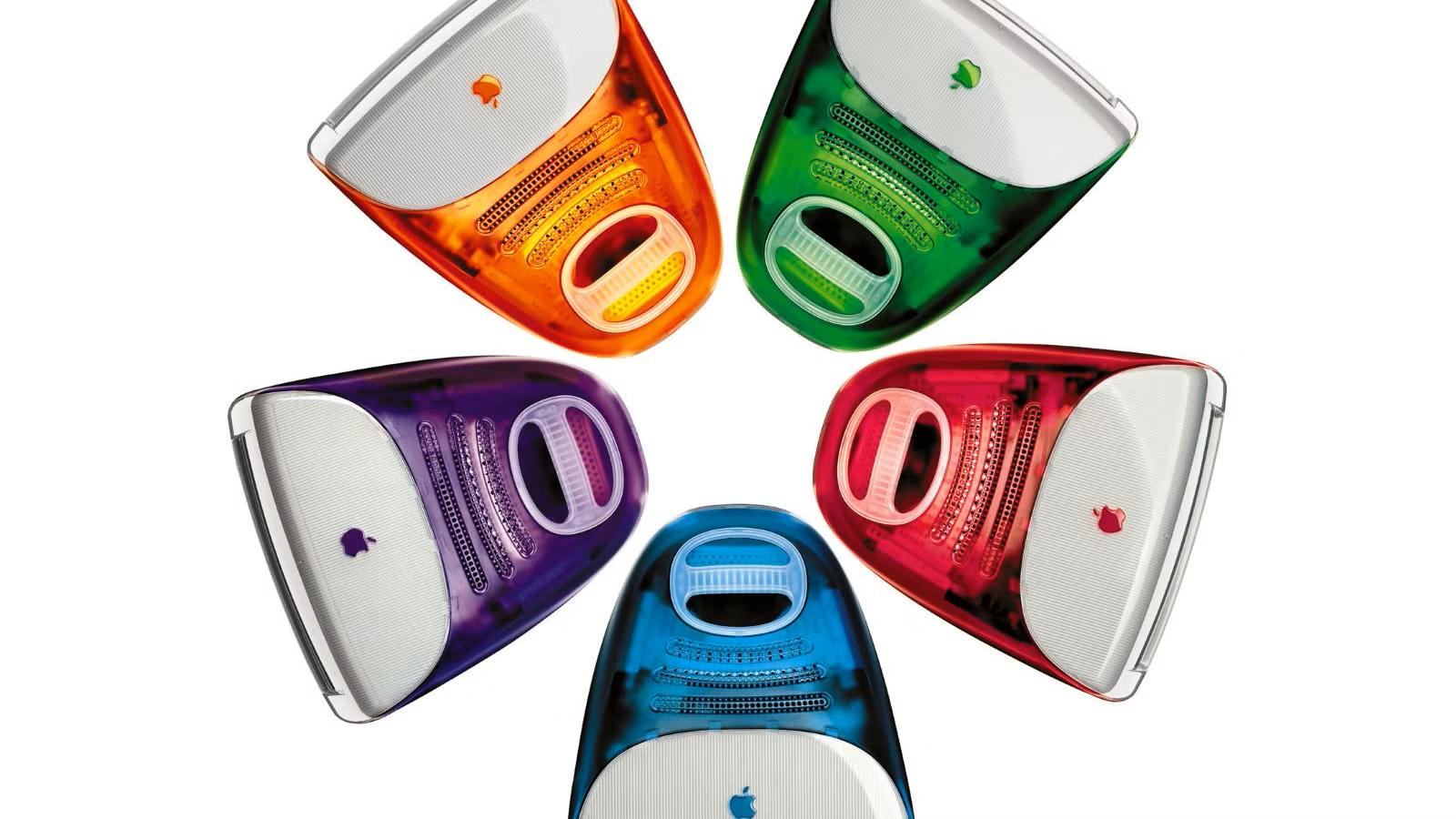
The original machine arrived in translucent Bondi Blue, with a rounded enclosure that made it look more like a piece of contemporary furniture than a conventional computer. Apple then took things further by introducing five additional colors: Strawberry, Blueberry, Grape, Lime and Tangerine. Suddenly, choosing a computer could involve the same sort of personal preference as choosing a car or a piece of furniture. Steve Jobs even suggested that the most important question when buying a computer might soon be, “What is your favorite color?”
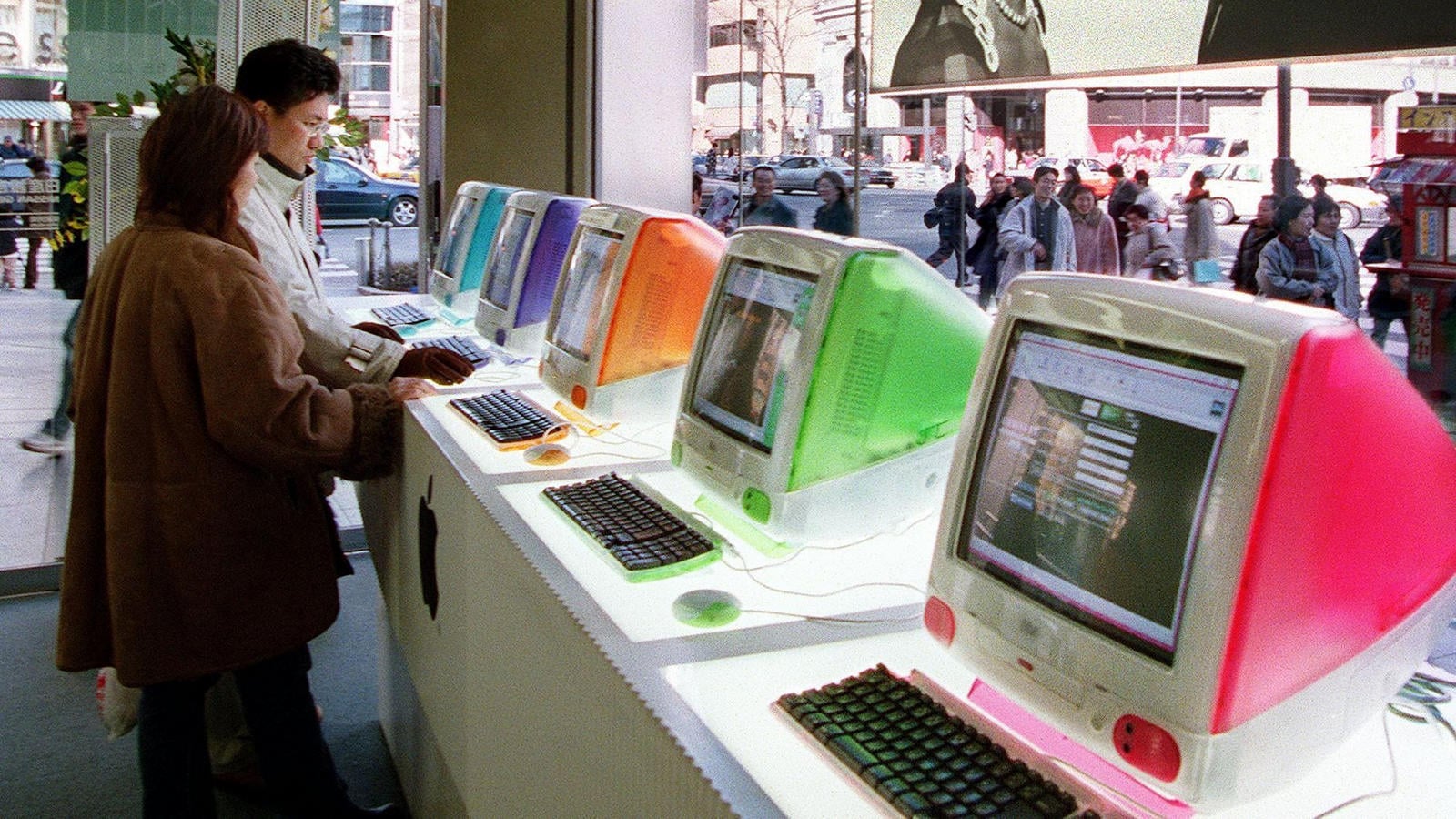
The strategy worked. Apple sold 800,000 iMacs in the first 139 days, before the expanded five-color collection had even arrived. Sales reached approximately 1.8 million units during fiscal 1999, while the company’s net income climbed to $601 million, compared with $309 million the previous year. The iMac was not solely responsible for Apple’s recovery, but it became one of the biggest reasons the turnaround gained momentum.

The private jet Apple gave its returning CEO
The success of the iMac and Apple’s broader recovery also help explain why Jobs ended up with one of the most impressive executive perks imaginable. In January 2000, Apple announced that it was awarding him a Gulfstream V private jet, alongside stock options, in recognition of his contribution to the company. Apple’s market capitalization had increased from less than $2 billion to more than $16 billion during the preceding two and a half years of his leadership. Jobs, meanwhile, continued to draw an annual salary of just $1.
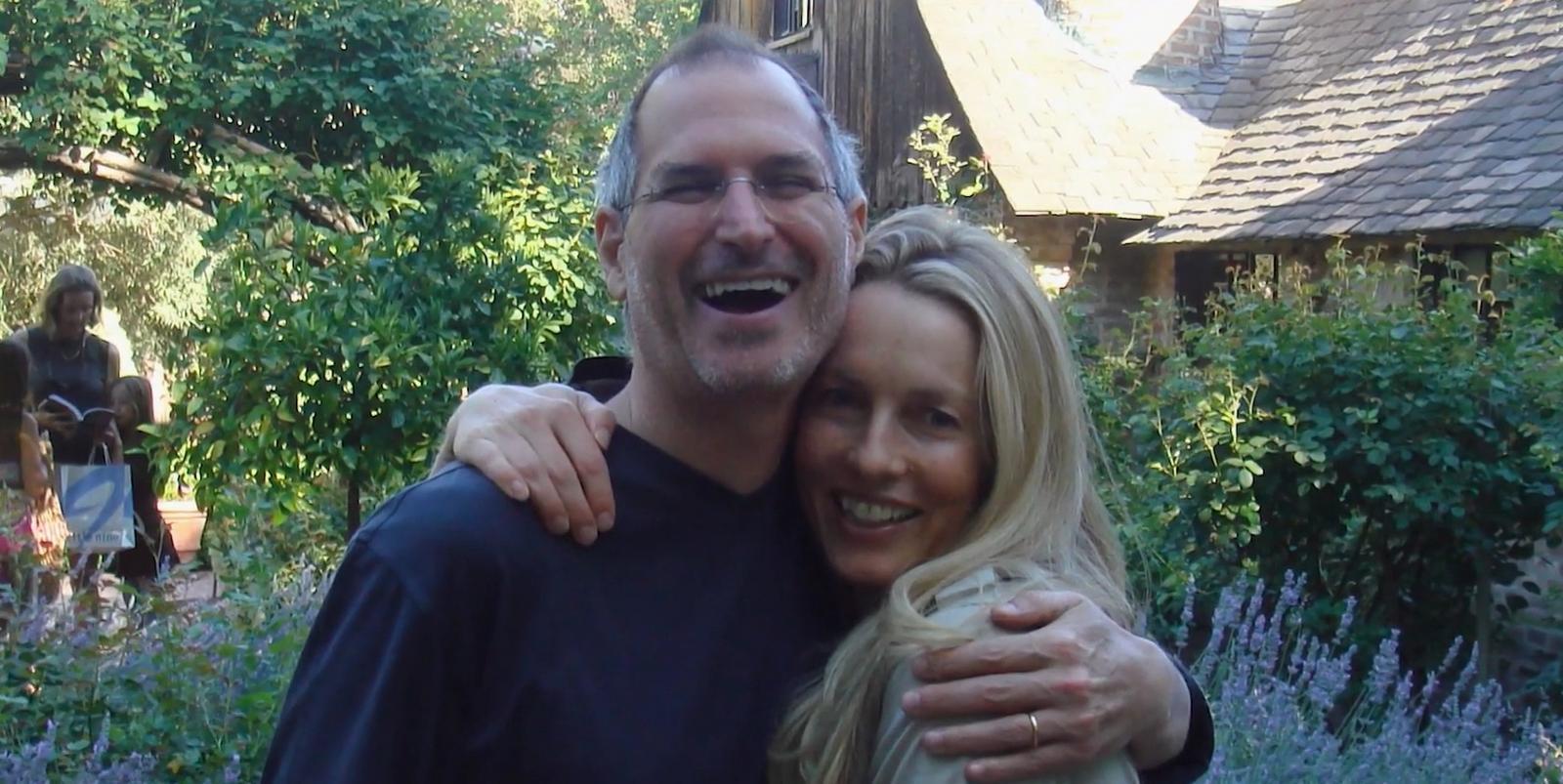
The aircraft was transferred to him in 2001, and Jobs was known to take a keen interest in its design. According to Walter Isaacson’s biography, he used fellow technology billionaire Larry Ellison’s aircraft interior as a reference and hired the same designer. He also wanted a simpler cabin-door control, with a single button replacing separate controls for opening and closing the door. Brushed metal was another preference, rather than polished stainless steel.

The aircraft has continued to attract attention because of its famous ownership history, having passed to Jobs’s widow, Laurene Powell Jobs, before being acquired by his longtime Apple design collaborator Jony Ive. After remaining associated with Ive for several years, it changed registered ownership again in 2026, with Trousdale Aviation LLC appearing as its new registered owner in May.
A colorful reminder of Apple’s design philosophy
The colored window surrounds on the aircraft offer another interesting connection to Jobs’s approach to design. The iMac was never just about putting bright colors on a computer. Jobs believed that the way a product looked, sounded and worked together mattered just as much as its technical specifications. In a contemporary Fortune interview, he explained that the iMac was not simply about its color, translucence or exterior shape. He also spoke about eliminating the constant drone of cooling fans, which required considerable engineering work to make the computer fanless.
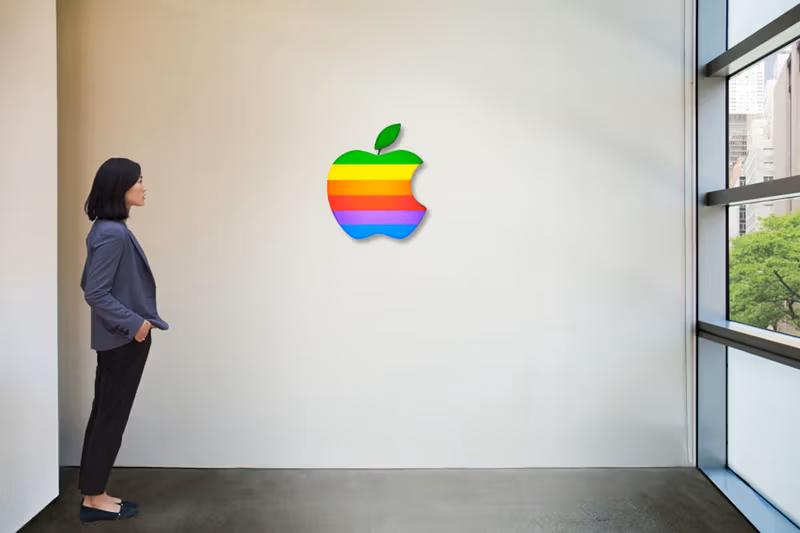
There is also Apple’s original rainbow logo to consider, which predates the iMac by nearly two decades and was designed to reflect the Apple II’s color capabilities. The spectrum on Jobs’s aircraft could evoke that earlier identity just as easily as it recalls the colorful iMac collection. Neither connection has been confirmed as the inspiration behind the aircraft’s exterior, however.
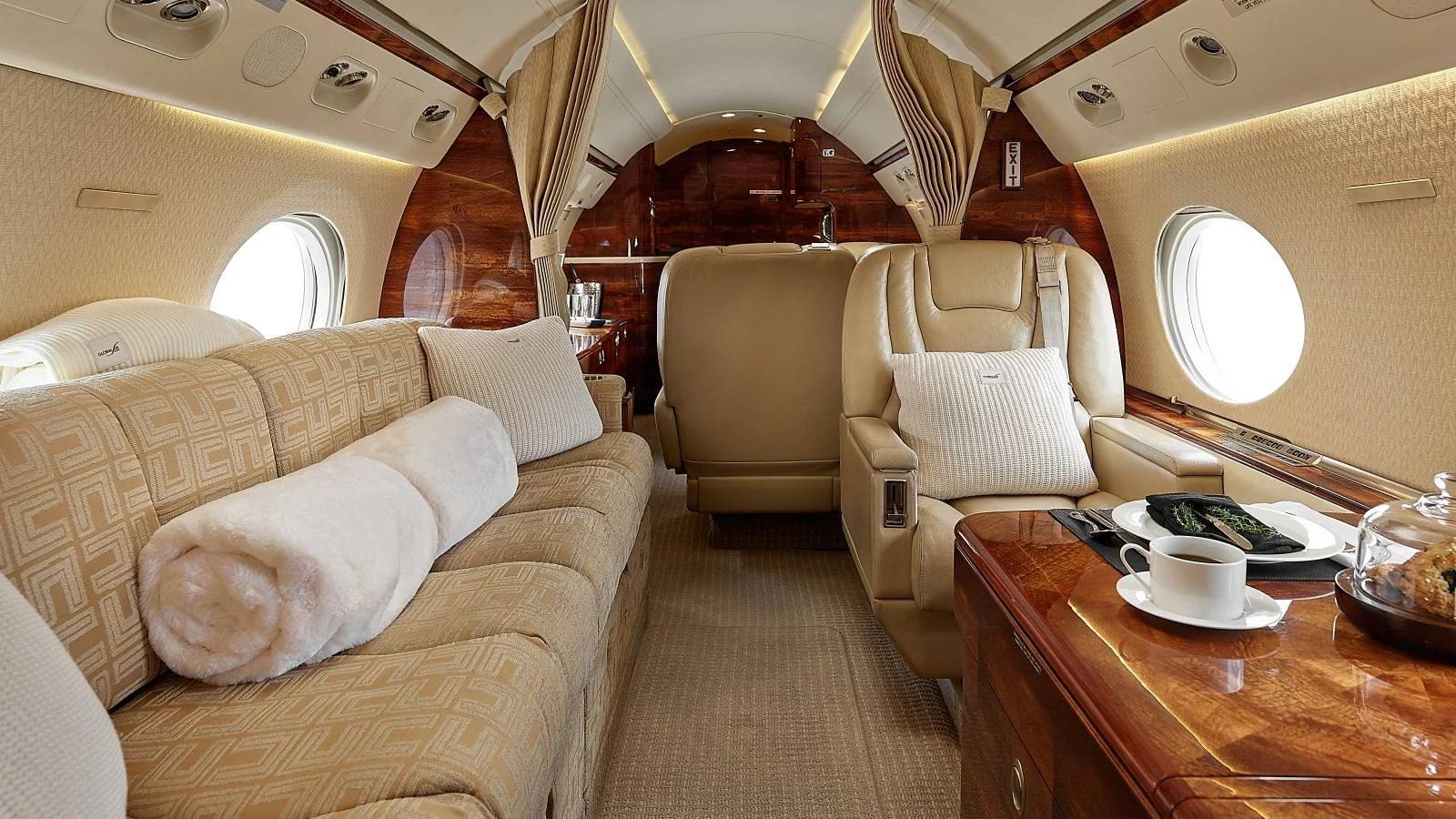
Still, there is something fitting about a billionaire’s private jet carrying a visual reminder of the computer that helped revive his company. The iMac made an ordinary desktop computer feel exciting again, and the aircraft’s restrained use of color achieves something similar with an otherwise understated white exterior.