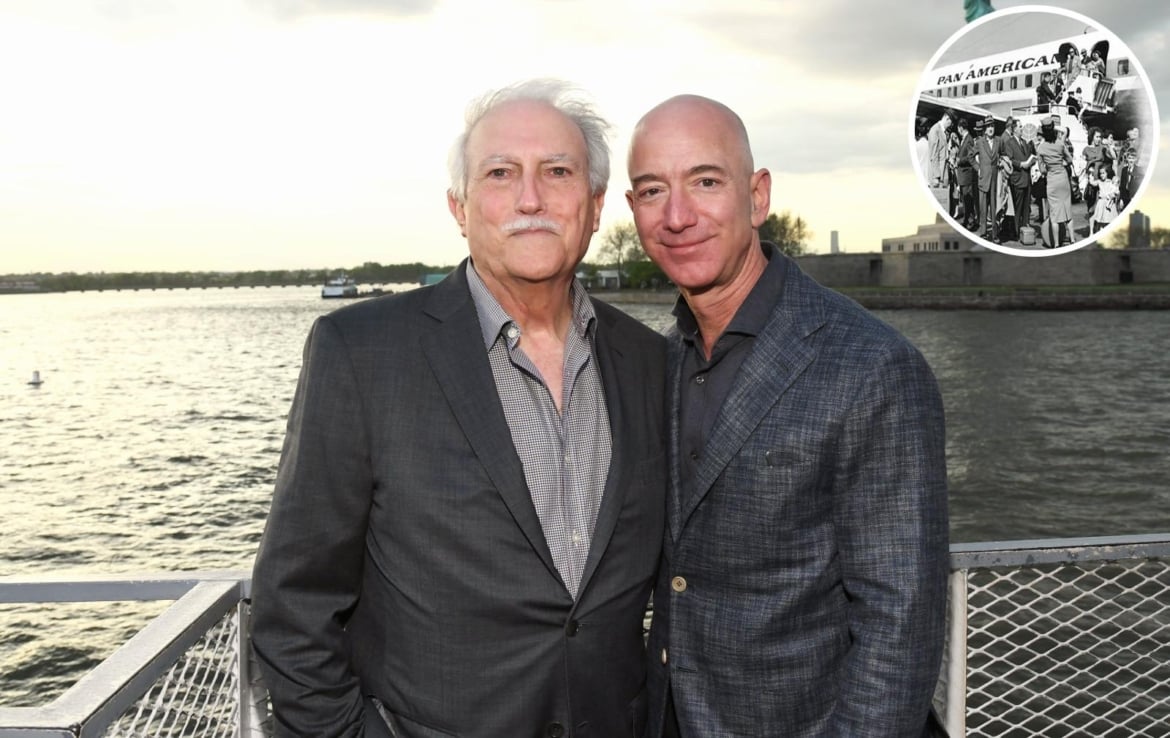
In 1962, Miguel Bezos arrived in the United States as a 16-year-old Cuban refugee carrying just three shirts, three pairs of pants, a pair of shoes and a handmade jacket. He had no English, no money to speak of and no idea what his future would look like in a country thousands of miles from home. More than three decades later, the teenager who had left everything behind would make a decision that could have turned nearly $250,000 of his family’s savings into one of the most extraordinary investments in business history. Alongside his wife Jackie, Miguel backed his son Jeff Bezos when he decided to quit his job and start an online bookstore called Amazon. If the couple had retained every share from their original investments, those shares would be worth approximately $89.3 billion today.

Miguel, often called Mike, left Cuba on July 21, 1962, as part of Operation Pedro Pan, which allowed thousands of Cuban children to travel to the United States without their parents amid fears about the future under Fidel Castro’s government. According to a report by AS, he spent approximately two weeks at Camp Matecumbe in Florida before moving to a Catholic mission in Wilmington, Delaware. His parents had received little time to prepare for his departure, and Mike later recalled that they could only drop him outside the airport because they were not allowed to accompany him inside. His permitted belongings included three shirts, three pairs of pants, one pair of shoes and a jacket handmade by his mother and sister using cleaning cloths.
From a teenage refugee to Amazon’s first investor
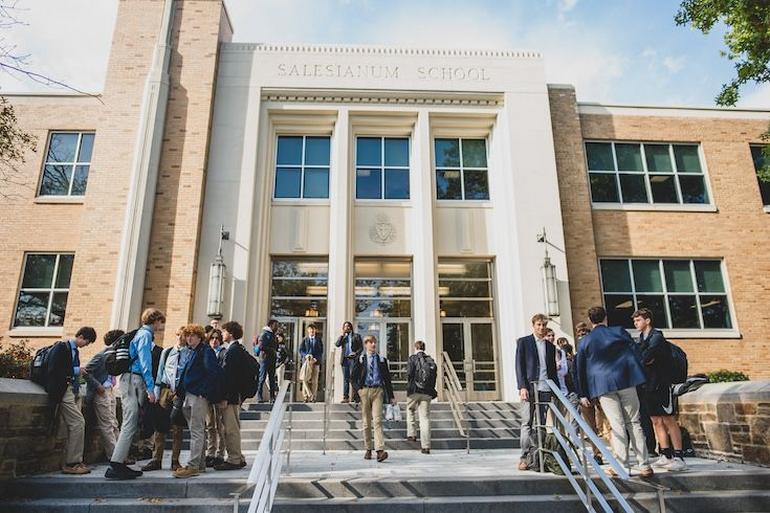
Life in America required Miguel to start from scratch. He attended Salesianum School in Wilmington, graduating in 1963, while Father James P. Byrne became an influential teacher and mentor. He later worked at a bank during the day and held a part-time job at McDonald’s around Washington, D.C., and Maryland, where the franchise operators, who were former Marines, influenced his disciplined approach to work. Miguel initially wanted to become a mechanical engineer, but with a family to support, he chose to graduate in mathematics at the end of 1968 rather than spend another year completing the engineering requirements. He married Jackie in 1968, adopted Jeff when the boy was four and eventually moved with his family to Houston after joining Exxon.

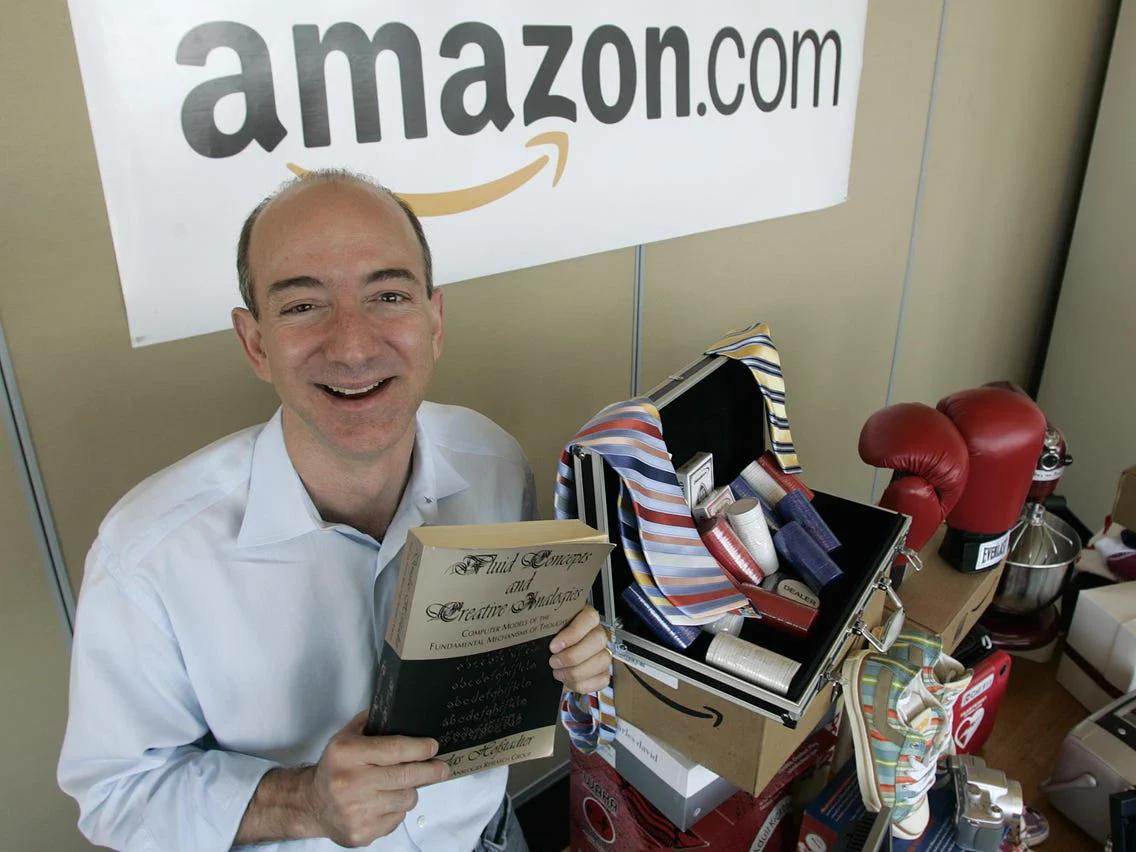
Miguel spent more than 32 years at the energy company, working in engineering and management positions, including overseas assignments. His career helped him build the financial stability that would later allow him and Jackie to support their son’s ambitions. When Jeff decided in 1994 to leave his job in New York and establish an online bookstore, his parents became the company’s first investors. According to Amazon’s 1997 informational brochure, they invested $245,573 of their savings in the fledgling business, despite Jeff warning them that there was a 70 percent chance they could lose the entire amount. During a 2001 interview with the Academy of Achievement, Jeff recalled that his father’s first question about the proposed business was, “What’s the Internet?” Nevertheless, his parents trusted him enough to put a substantial portion of their savings behind an idea they barely understood.
The $89.3 billion investment that could have been
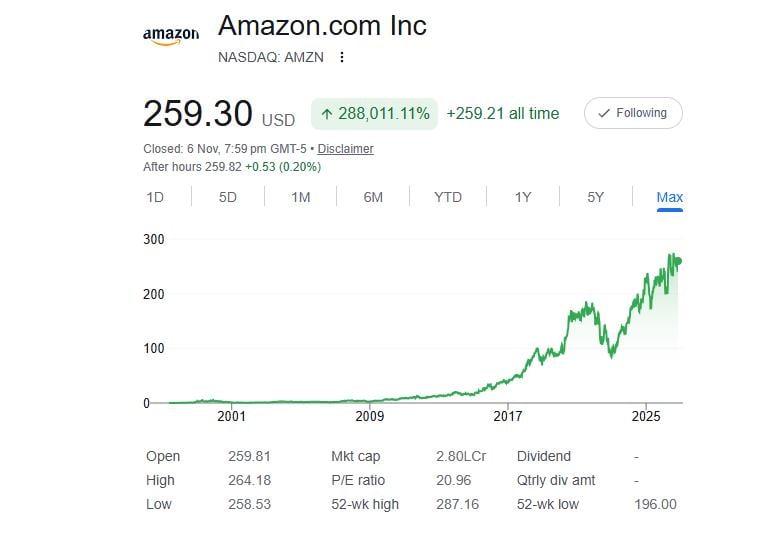
The potential value of that decision today is staggering. Based on Amazon’s November 5, 2026, closing share price of $260.21, Miguel’s original February purchase would translate into approximately 139.8 million shares after subsequent stock splits, worth around $36.38 billion. Jackie’s trust made another purchase in July, which would translate into approximately 203.45 million shares worth $52.94 billion. Combined, the two investments would represent approximately 343.26 million shares valued at $89.32 billion, assuming every share had been retained.
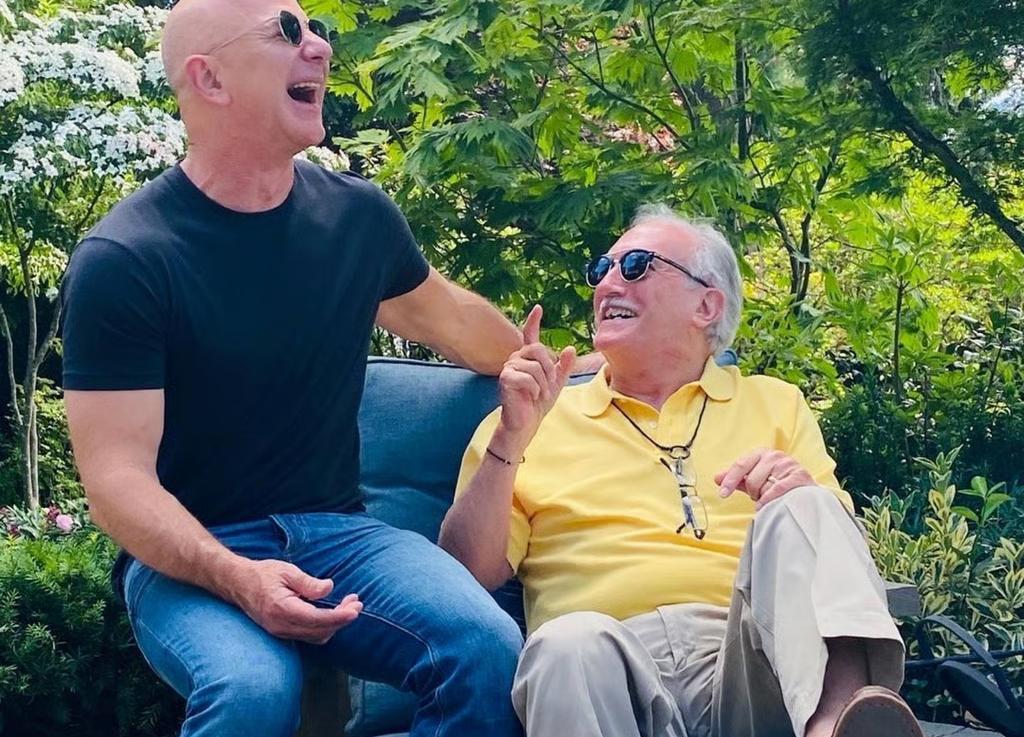
This is a hypothetical calculation, not an indication of how much the couple actually owns today or how much they eventually made from their investment. Jeff himself has described how modest Amazon’s early operations were, recalling employees packing books on a concrete floor before someone suggested buying packing tables instead of kneepads. Meanwhile, Miguel’s handmade jacket remains a treasured reminder of his journey, preserved in a glass-fronted display at his parents’ home after Jackie persuaded him not to throw it away. From arriving in America with almost nothing to potentially backing an investment worth tens of billions, Miguel’s story is a remarkable reminder of how one family’s faith in an idea helped launch a business empire.
Note – According to the World Bank, Panama’s nominal GDP was about $90 billion in 2025.