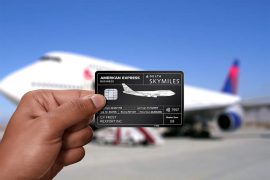
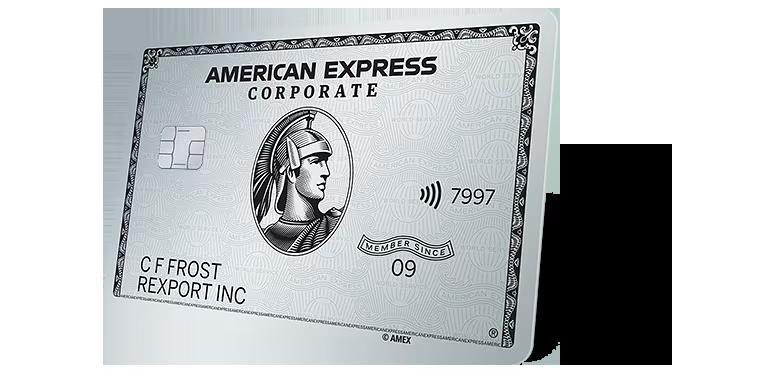
Robert Keeley never imagined he would be blowing through over a million Amex points on something other than a luxury vacation. But when a surprise tariff bill landed on his desk, the CEO of Keeley Electronics had no other choice. Instead of redeeming the 1.3 million American Express reward points on something extravagant, he cashed them in to pay nearly $11,000 in import duties. His likely card of choice? The American Express Corporate Platinum Card, which is a favorite among business owners for its high rewards and flexible redemption options.
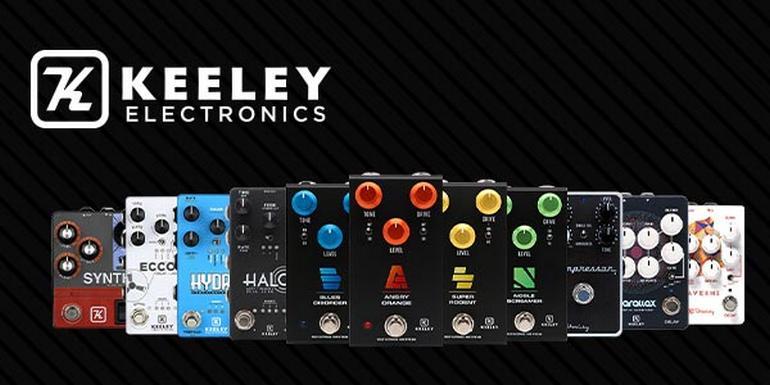
Keeley’s Oklahoma-based company, which makes boutique guitar pedals, was hit with the tariff for components like circuit boards and transistors imported from China, according to a Bloomberg article.
With only 35 employees and modest financial cushion, the unexpected cost came at a time when cash was tight. The bill arrived with no warning, and rather than disrupt payroll or halt production, Keeley dipped into a reward points stash that he had probably built up over years of business expenses. It was the only play he had left.

To put that points redemption in perspective, 1.83 million Amex Membership Rewards could have bought Keeley five round-trip first-class tickets on Emirates from New York to Dubai. The airline is known for offering some of the most lavish experiences in the sky.

Think private suites, gourmet dining, access to an onboard lounge, and even a shower spa at 40,000 feet. Emirates also provides complimentary chauffeur service to and from the airport, wrapping the whole journey in sheer opulence.

Even after using up the points on first-class tickets, Keeley would have been left over with enough points for a tropical escape. The left-over Amex points would have covered for five nights stay in an overwater villa at The St. Regis Bora Bora Resort. Each villa features panoramic ocean views, private decks, and direct access to turquoise waters. Guests are pampered with personal butler service and world-class cuisine while lounging in paradise.
Redeeming Amex points for statement credits usually yields just 0.6 cents per point, meaning 1.3 million points only shaved off about $7,800 from the tariff bill. If those points had been strategically transferred to Emirates and Marriott, they could have unlocked nearly $80,000 in dream travel, which is around seven and a half times more value. But Keeley, instead of sipping champagne mid-air or enjoying sunsets in French Polynesia, used his hard-earned points to offset the financial shockwaves.

Like many boutique pedal makers, Keeley relies on overseas components because domestic alternatives are either unavailable or prohibitively expensive. A printed circuit board that once cost $1.40 from China now has a US equivalent priced over $20. This pricing gap threatens to push retail prices beyond what most musicians are willing to pay.

In response, Keeley and other pedal manufacturers have formed a grassroots support group to share ideas and find ways to survive. The group, started by Julie Robbins of EarthQuaker Devices, includes business owners who have drained credit lines, reduced work hours, and even contemplated mortgaging their homes to stay afloat.

Keeley’s decision to use Amex points for tariffs speaks volumes about the dire situation. Points meant to reward a life of travel and comfort are now being used as a financial parachute. It captures the painful irony faced by small business owners navigating a trade war they didn’t start but are now paying for out of pocket.