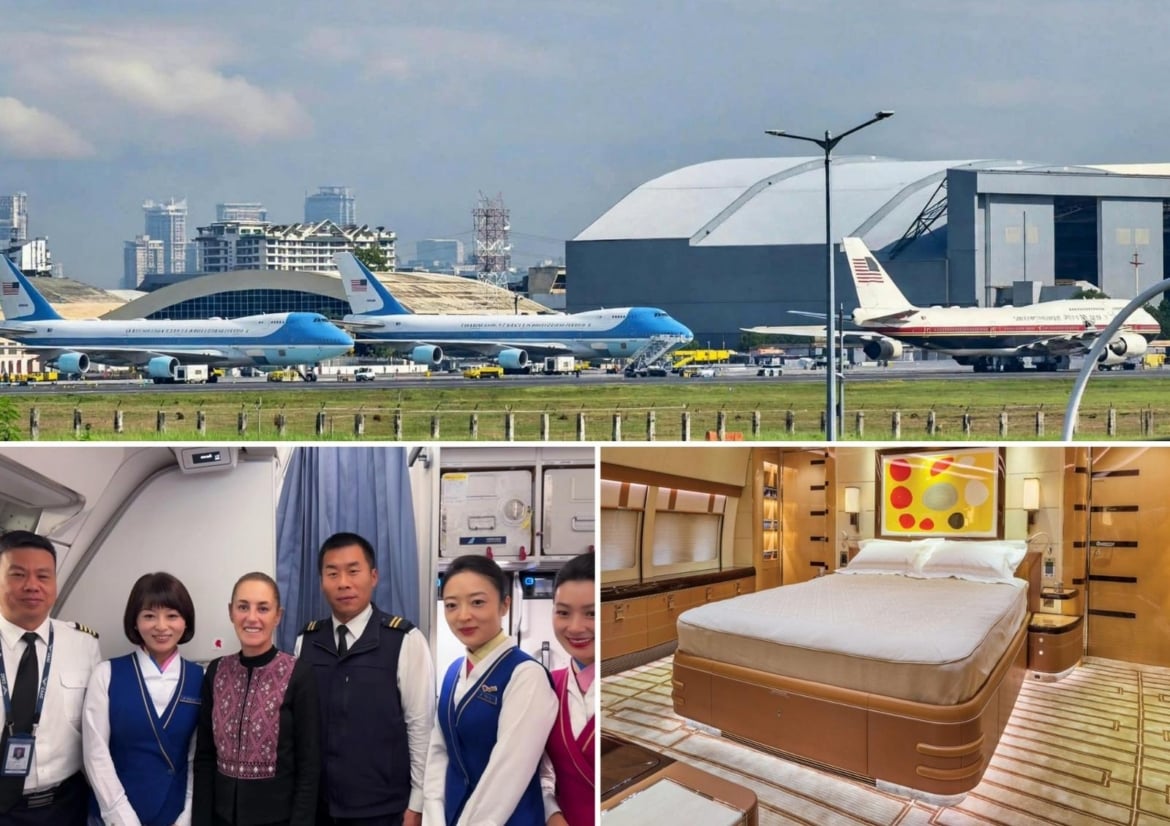
Two presidents left Shenzhen on the same day, but the aircraft waiting to take them home could hardly have been more different. One boarded a former Qatari royal Boeing 747-8i surrounded by an extraordinary American aviation operation involving three other jumbo jets, while the other joined approximately 300 passengers aboard a regularly scheduled commercial flight. Their journeys offered a remarkable contrast between two approaches to presidential aviation, with one relying on a fleet of specialized government aircraft and the other choosing to travel much like an ordinary international passenger. Both had attended the 2026 Asia-Pacific Economic Cooperation (APEC) meetings in China, yet their departures from Shenzhen on November 19, presented two very different pictures of what it means to travel as a head of state.
Claudia Sheinbaum Pardo
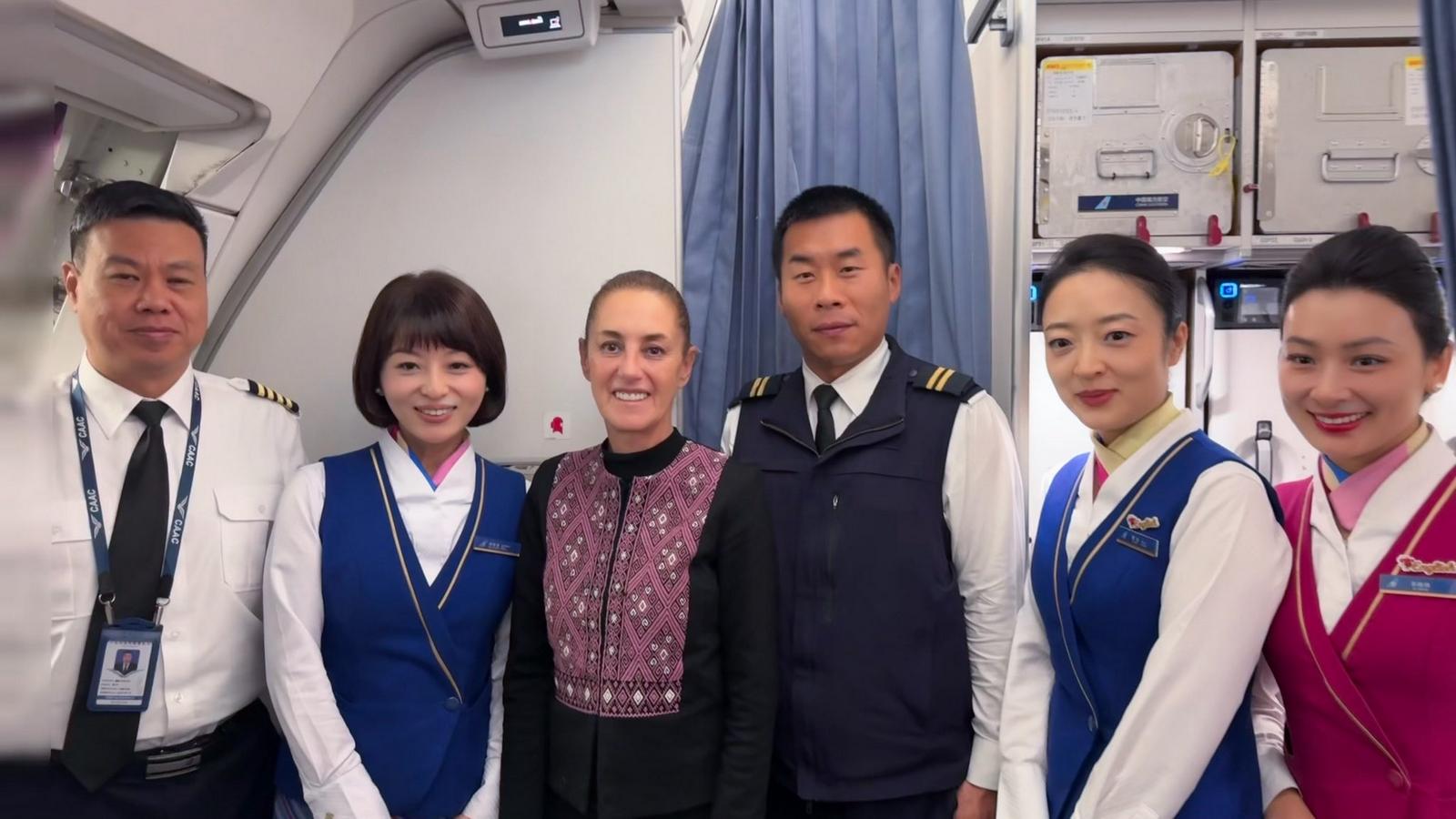
Mexico’s President Claudia Sheinbaum returned aboard China Southern Airlines flight CZ8031, accompanied by members of her team, after a five-day visit to China. According to Mexican newspaper Excélsior, she boarded the aircraft at Shenzhen Bao’an International Airport and subsequently shared a photograph with the flight crew, thanking them for their service. The return journey continued her preference for commercial aviation, following an outbound trip that attracted considerable attention in China after she was spotted occupying an economy-class seat. The distinction becomes particularly striking when compared with the elaborate American aviation operation that accompanied the other presidential departure.
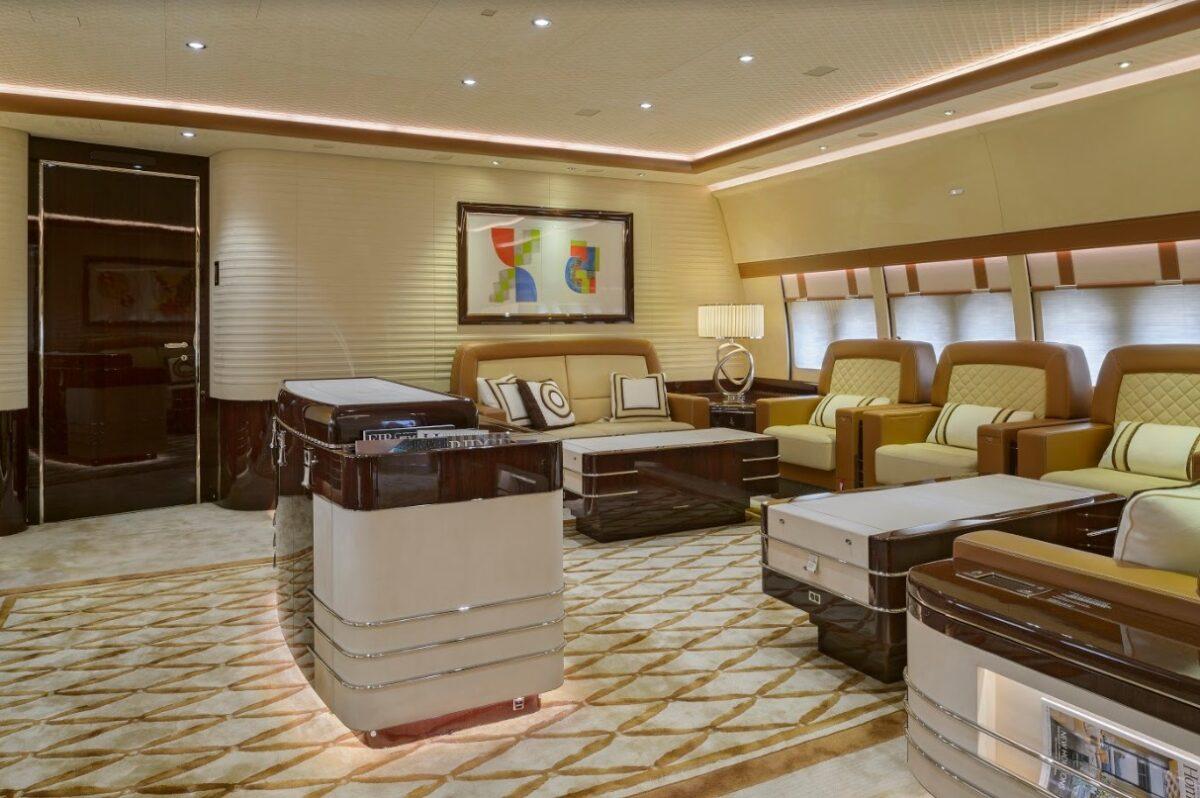
A former Qatari royal jumbo at the center of America’s four-747 operation
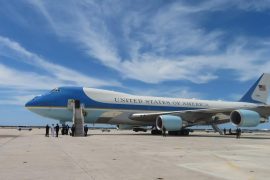
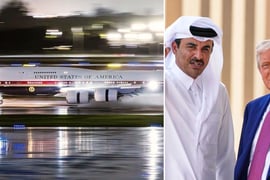
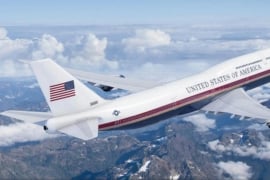
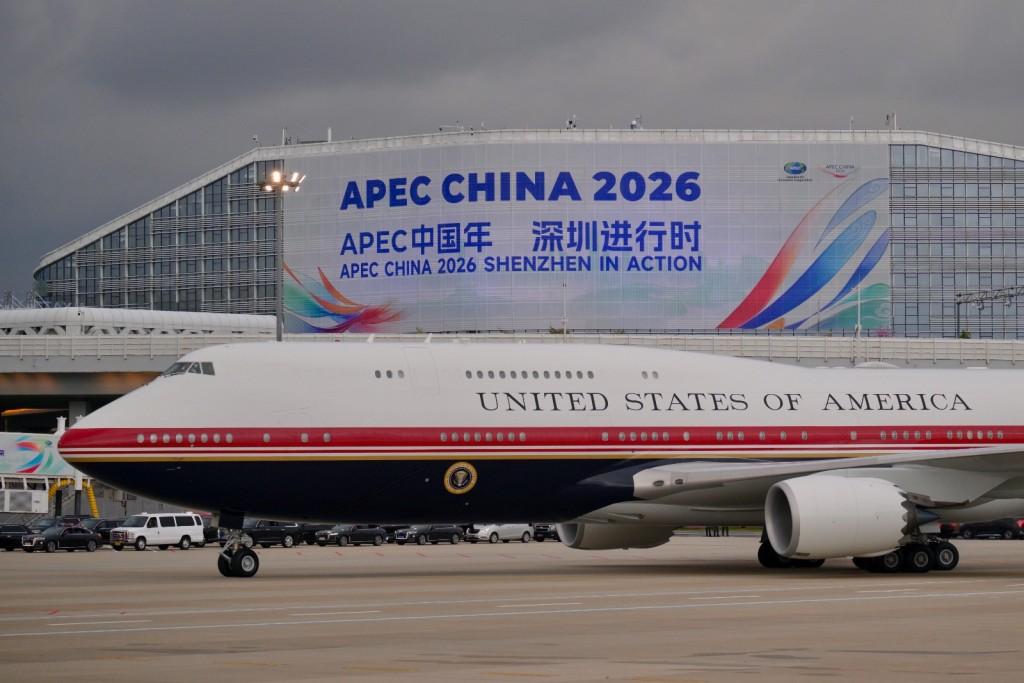
The American president returned aboard the Boeing 747-8i known as Bridge Air Force One, an aircraft originally built for the Qatari government and subsequently donated to the United States. The aircraft, which underwent modifications for presidential service, became the centerpiece of an operation involving four Boeing 747s, although they were not all performing the same duties or departing Shenzhen together. Three presidential transports left China, while the fourth aircraft, a specialized airborne command center, joined the return operation from a separate location in Japan.
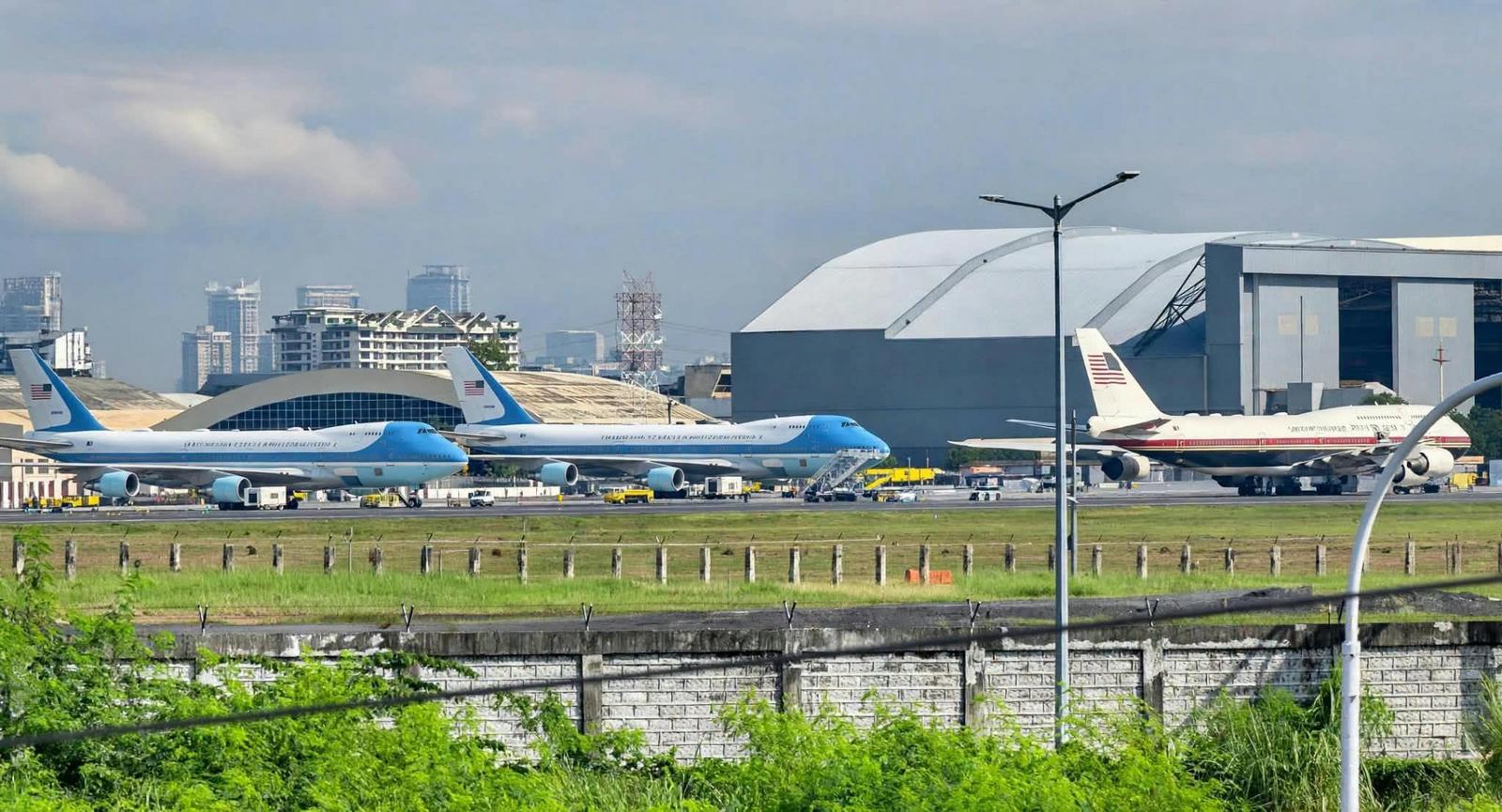
The two older VC-25A aircraft, based on the Boeing 747-200, accompanied the newer Bridge aircraft and carried other members of the presidential delegation while providing additional presidential airlift support. These aircraft have served as America’s principal presidential transports for decades and possess capabilities developed specifically for the demanding requirements of international presidential travel. Unlike the newer 747-8i, the older VC-25As are capable of aerial refueling, allowing them to remain airborne for considerably longer periods when supported by tanker aircraft. The Bridge aircraft, meanwhile, offers the advantages of the newer Boeing 747-8 platform, including more efficient engines and greater unrefueled range, although it does not have an aerial refueling system.
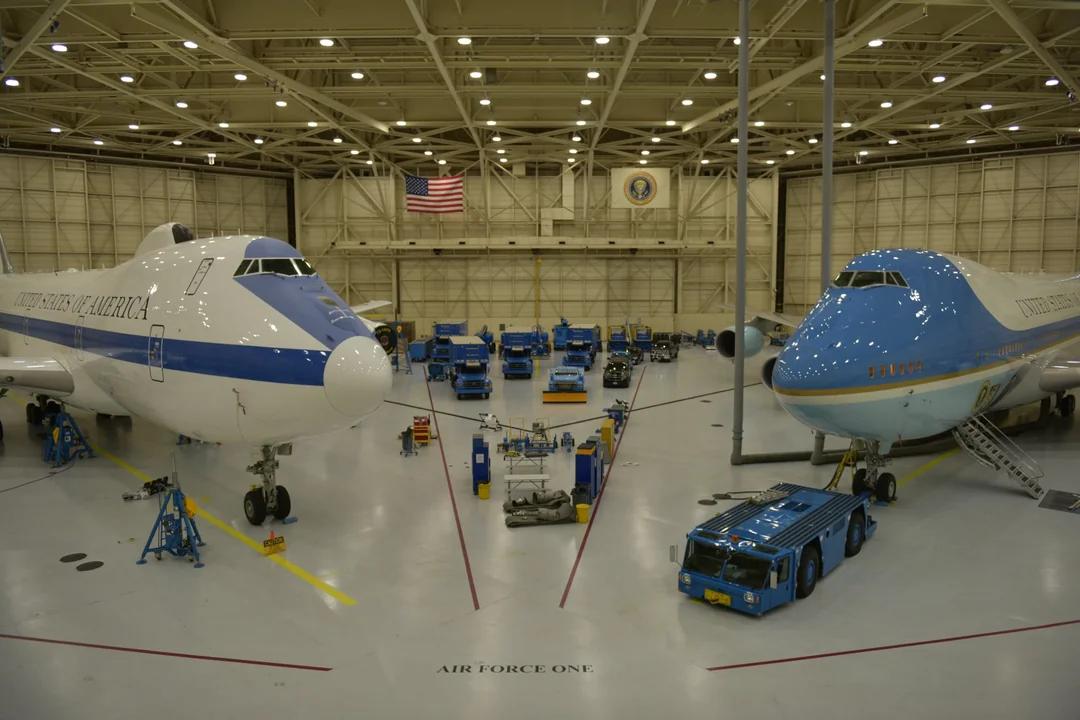
The fourth jumbo was an E-4B Nightwatch, another heavily modified Boeing 747-200 that operates as an airborne national command center. It had been positioned at Kadena Air Base on Okinawa, Japan, during the presidential visit, rather than remaining alongside the other three aircraft in China. As the presidential transports crossed Japan on their journey home, the E-4B took off from Kadena to follow their return route, bringing the total number of American 747s involved in the operation to four. The aircraft carried the military registration 73-1676 and was tracked using the callsign TRUCK55.
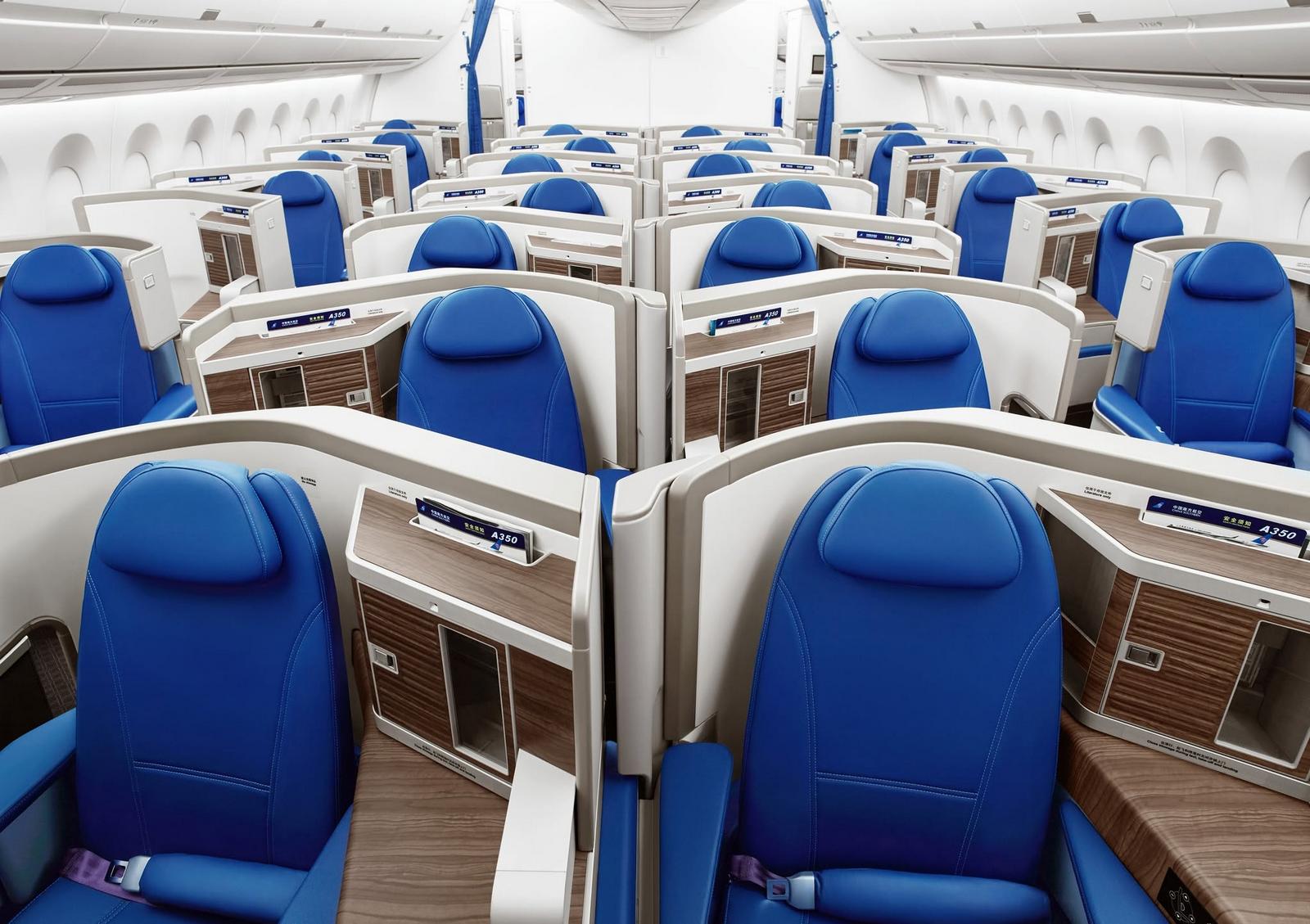
A commercial Airbus with a sporting livery carried Mexico’s president home
While the American delegation relied on an extensive fleet of government aircraft, Sheinbaum’s return journey was considerably more conventional, although the aircraft itself was anything but ordinary. China Southern Airlines operated flight CZ8031 using an Airbus A350-900 registered B-308T, which wore a special livery celebrating China’s 15th National Games. The aircraft’s colorful artwork incorporated the Hong Kong-Zhuhai-Macau Bridge, kapok flowers and the Games’ mascots, giving it a distinctive appearance quite different from the presidential blue-and-white colors of the American 747. Flight-tracking records identified the specific Airbus used for the journey, making it possible to establish precisely which aircraft carried the Mexican president home.
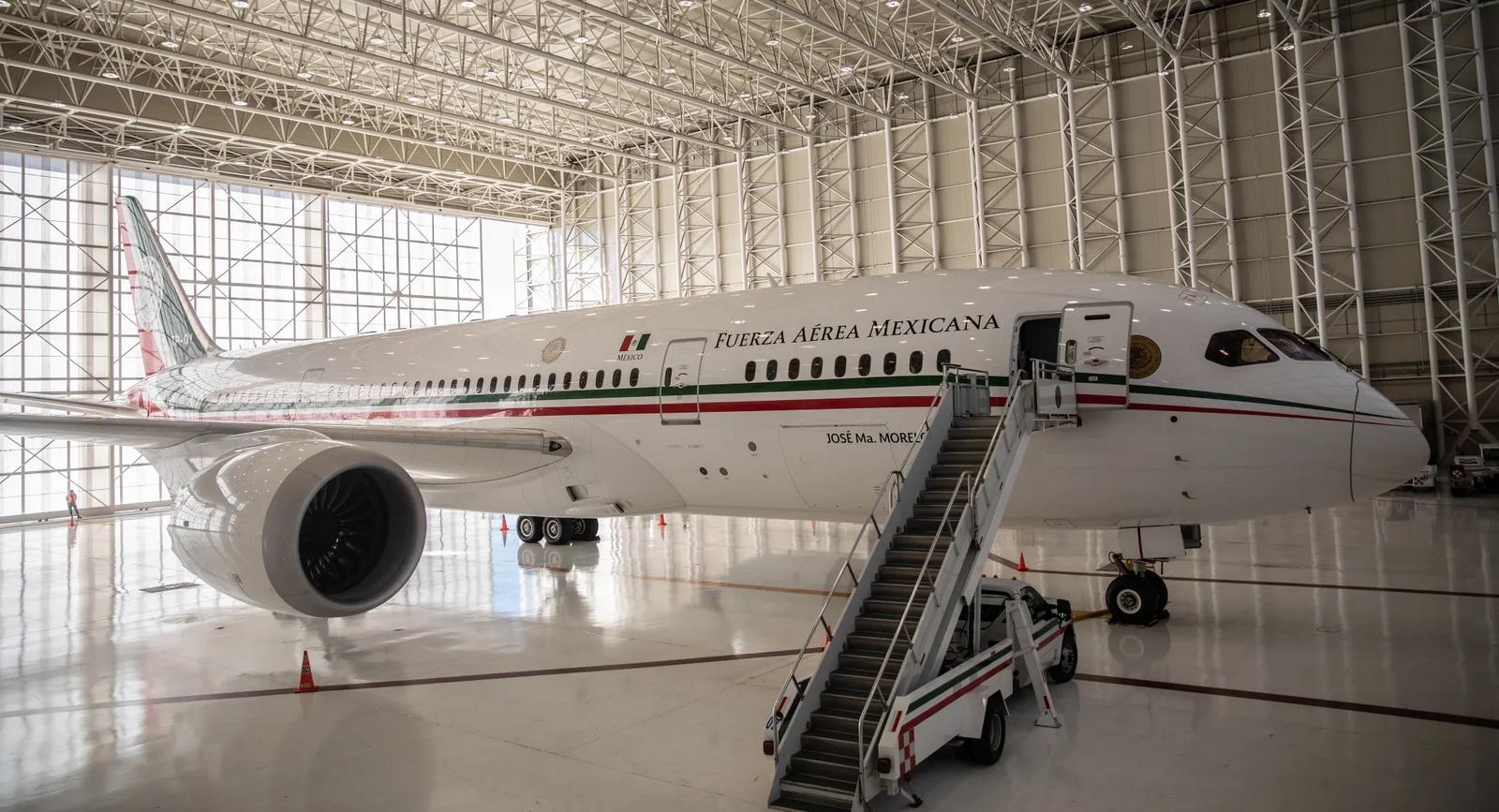
The decision to travel commercially reflects a policy that began with her predecessor, Andrés Manuel López Obrador, who refused to use Mexico’s presidential Boeing 787-8 Dreamliner. The aircraft, known as TP-01 and named José María Morelos y Pavón, had been acquired for approximately $218 million before being sold to Tajikistan in April 2023 for around $92 million.
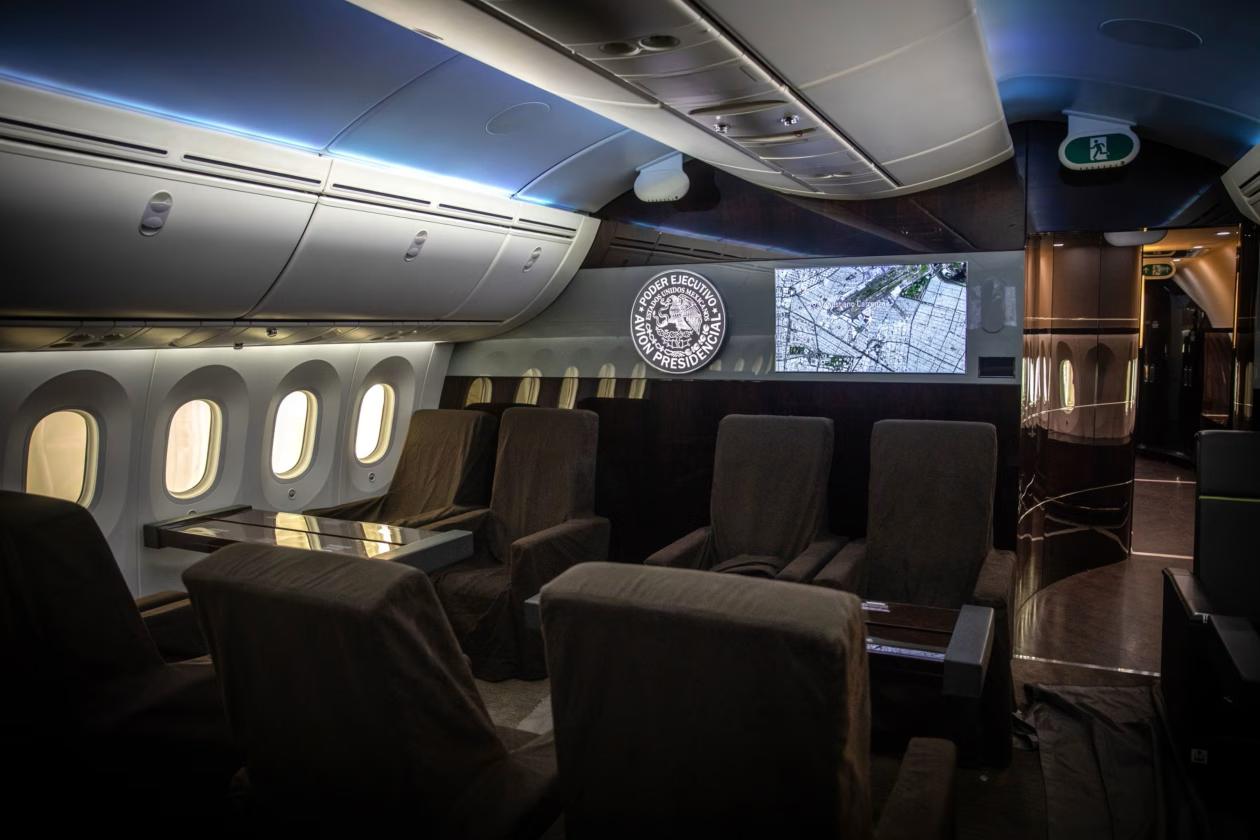
The proceeds were intended to support public healthcare projects, while the sale also eliminated the financial burden associated with maintaining the aircraft. Sheinbaum continued this approach after taking office, using commercial flights for international engagements including the G20 in Rio de Janeiro, the G7 in Canada and her subsequent visits abroad.
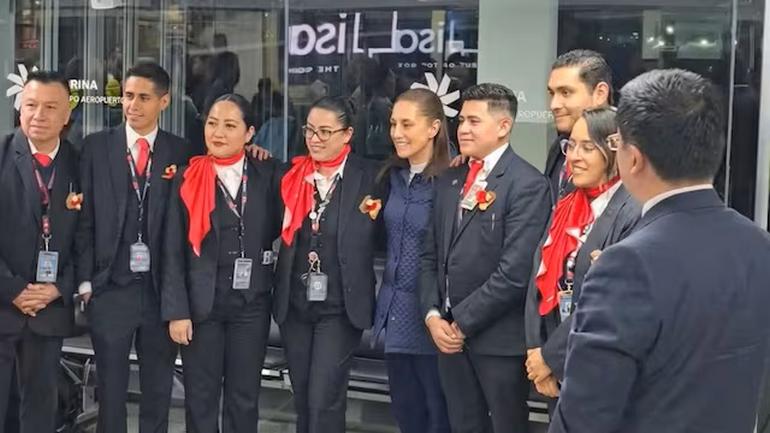
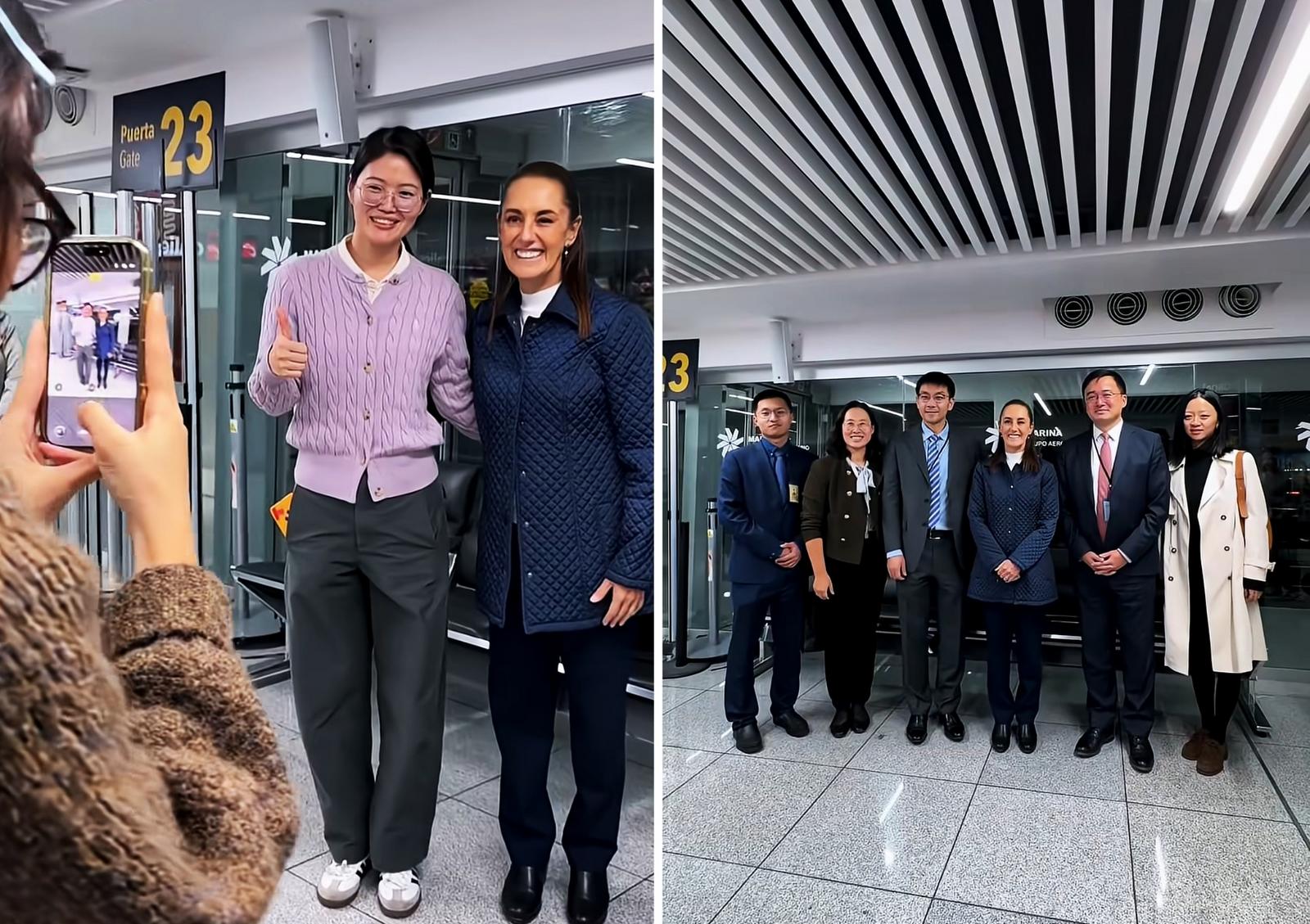
The financial difference is also considerable, with Forbes México reporting that approximately 14.3 million Mexican pesos, or less than $1 million, had been spent on Sheinbaum’s commercial international work trips between her inauguration and March 30, 2026. Her airport experience has similarly reflected the approach, with photographs documenting her interacting with passengers in the waiting area at Gate 23 of Mexico City International Airport before her outbound journey and posing with members of the commercial flight crew. Her return from Shenzhen continued that practice, placing her aboard an ordinary scheduled service rather than a dedicated presidential aircraft.
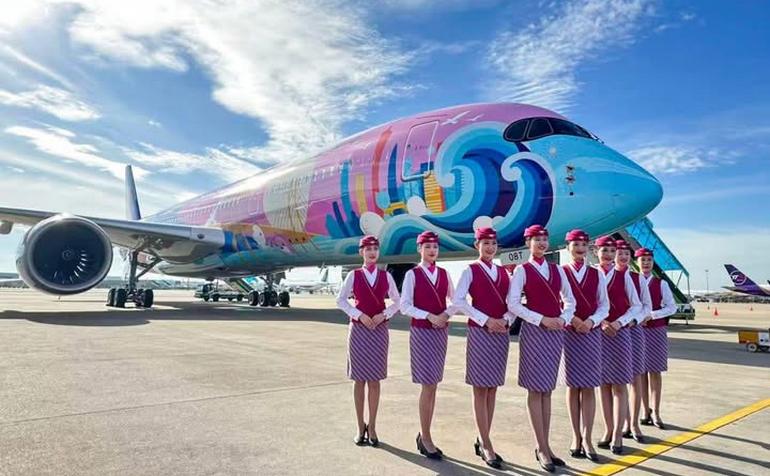
The contrast between the two journeys was about much more than the number of aircraft involved. One president returned on a scheduled Airbus A350-900 alongside hundreds of commercial passengers, while the other traveled aboard a specially configured Boeing 747-8i supported by two older presidential jumbos and an airborne command aircraft. Four Boeing 747s formed part of the American return operation, each with a different responsibility, while Mexico’s president needed only one commercial aircraft to complete her journey home.