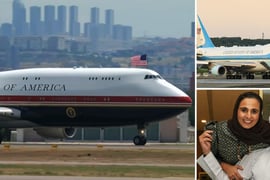
The next-generation Air Force One is taking so long to arrive that some of the high-end communications technology being built into it could already be obsolete when the first aircraft finally enters presidential service. The two Boeing 747-8s being converted into VC-25B aircraft at Port San Antonio are now expected to enter service in 2028 and 2029, roughly four years later than originally planned. Boeing plans to begin the crucial flight testing of the jets by next year. The aviation giant is putting additional resources into the build and test program to keep the first delivery on track for 2028, while the Pentagon is asking for another $555.2 million for the program in 2027, including money for a communications technology refresh.

The problem is particularly striking because the aircraft were supposed to serve as airborne White Houses and military command centers for decades. A newly released Pentagon report says the communications system originally planned for the VC-25Bs is “not viable past CY 2028 due to cybersecurity and obsolescence issues,” as reported by Express News. Without additional upgrades, the aircraft could struggle to connect to the secure networks needed for presidential communications. The same report also points to defective passenger windows and a shortage of spare windshields as problems that could further slow the already troubled program.

The longer the VC-25B takes, the faster its technology ages
The communications equipment aboard an aircraft like Air Force One is considerably more sophisticated than what is found on a normal 747. It has to keep the president connected securely while flying anywhere in the world, with multiple ways to communicate through satellites, military radios and onboard networks.

That technology must remain secure as well as functional. A communications system does not necessarily become obsolete because its hardware suddenly stops working. Software can become unsupported, security standards can change and equipment can become too old to receive the updates needed to connect safely to sensitive government networks.

That appears to be the issue facing the VC-25B. The Pentagon has not said that the aircraft will simply stop communicating after 2028. Instead, it says the planned communications baseline will no longer be viable beyond that point because of cybersecurity and obsolescence concerns. In other words, the aircraft could be physically finished but still require a significant technology refresh before it can perform its intended presidential mission.

It is an especially awkward problem for a program that has already consumed years of development. The longer an aircraft spends being designed, modified and tested, the greater the chance that the computers, networking equipment and security architecture selected at the beginning of the project will need to be reconsidered by the time it reaches the runway.

The Air Force has experienced this before. Communications equipment on the existing presidential fleet has been upgraded over the years as satellite and networking technology evolved. For the VC-25B, however, the problem is arriving before the aircraft has even entered regular service.

Another expensive upgrade for an already troubled program
The Pentagon is now asking for $555.2 million for the VC-25B program in 2027, nearly $102 million more than previously planned. Part of that money is expected to support the communications technology refresh, on top of the $36.7 million Congress previously approved for the upgrade.

That adds another layer to a program that has already become significantly more expensive. The latest Pentagon assessment puts the taxpayer-funded development cost at about $6 billion, roughly $266 million above the original baseline. Boeing has taken an even larger financial hit, with the company expecting the project to cost it about $8.1 billion and produce a loss of roughly $3.7 billion.

The technology problem also cannot necessarily be solved by simply pulling out an old computer and putting in a new one. Communications equipment is integrated into the aircraft’s electrical systems, wiring, cooling, security architecture and certification process. A significant change can therefore require additional engineering and testing.


That makes the timing especially uncomfortable. Boeing is working toward a 2028 delivery while the Pentagon is already saying that the planned communications architecture is not viable beyond that same year. The VC-25B program has also had to contend with other production problems. GKN Aerospace has struggled to deliver passenger windows without defects, while the original manufacturer of the 747-8’s windshield shut down. Boeing has had to bring in PPG Industries to restart windshield production. None of these problems alone necessarily threatens the aircraft, but together they illustrate how little room the program has for another major setback.

The old Air Force Ones will have to keep flying
Until the two new VC-25Bs are delivered, tested, accepted and fully cleared for presidential missions, the existing presidential fleet will continue carrying the responsibility. The two current VC-25A aircraft, which entered service in 1990, will therefore have to remain available for presidential travel for longer than originally expected. Their age makes continued maintenance and modernization increasingly important, particularly as the 747-400-based fleet becomes more difficult to support.

The Qatar-donated 747-8 known as the Bridge Air Force One also provides an important stopgap. The aircraft was converted for presidential use specifically as the VC-25B program continued to fall behind schedule. It gives the Air Force another presidential transport while Boeing works on the two fully configured replacements.

But even the Bridge aircraft is not a permanent answer. The aircraft if already back in Texas for more upgrades. Moreover, the Pentagon expects it to undergo additional security-system work in the future, underscoring how quickly the communications and security requirements for presidential aircraft continue to evolve.
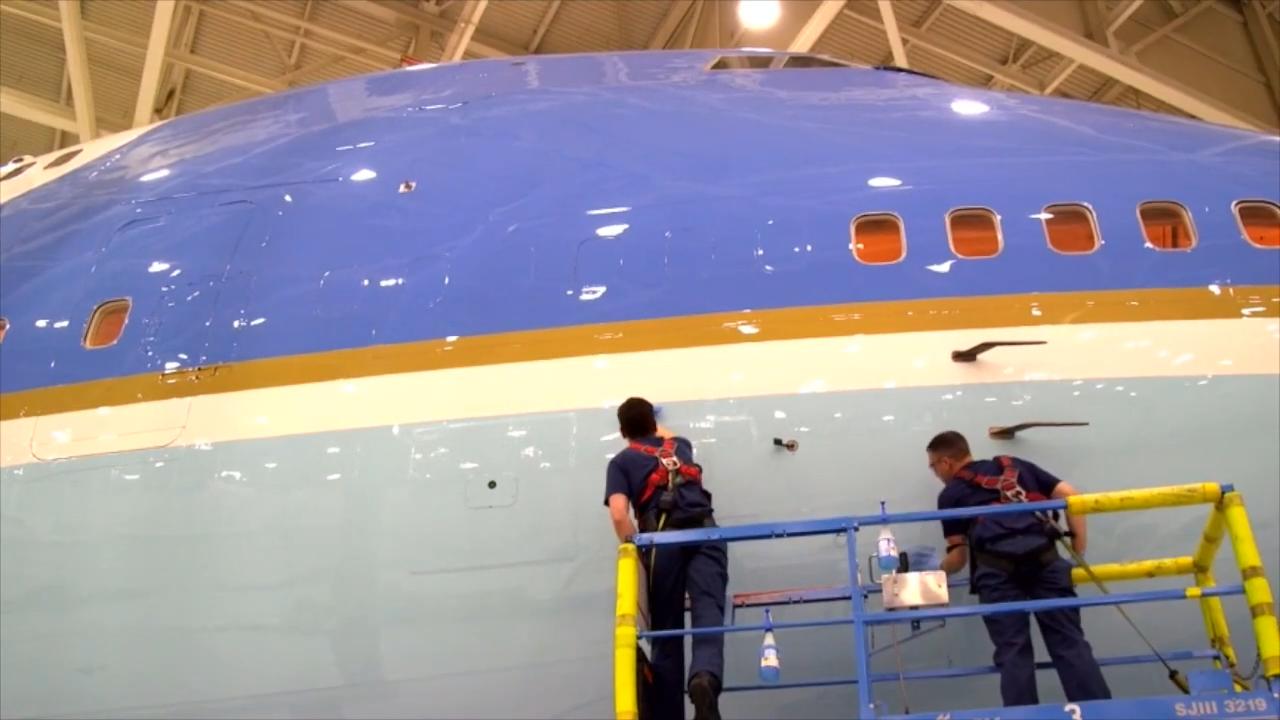
That leaves the VC-25B program facing an unusual race against time. Boeing is trying to deliver an aircraft that has already taken years longer than expected, while the Pentagon is preparing to spend more money updating communications equipment that risks becoming outdated before the aircraft reaches full operational status.

The irony is difficult to miss. The new Air Force One was supposed to represent the future of presidential aviation. Instead, after years of delays, the biggest question may be whether some of the technology designed to make it the world’s most sophisticated presidential aircraft can remain current long enough for the airplane to actually enter service.