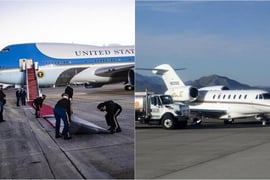
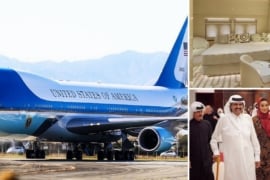
The Boeing 747-8 that Qatar donated to the United States, which now has entered service as the new Air Force One, has attracted attention for its lavish interior ever since photographs of its cabin first emerged. Designed more like a royal palace than a long-haul airliner, the aircraft features elegant living rooms, private offices, bedrooms, dining areas and designer furnishings spread across roughly 4,500 square feet.
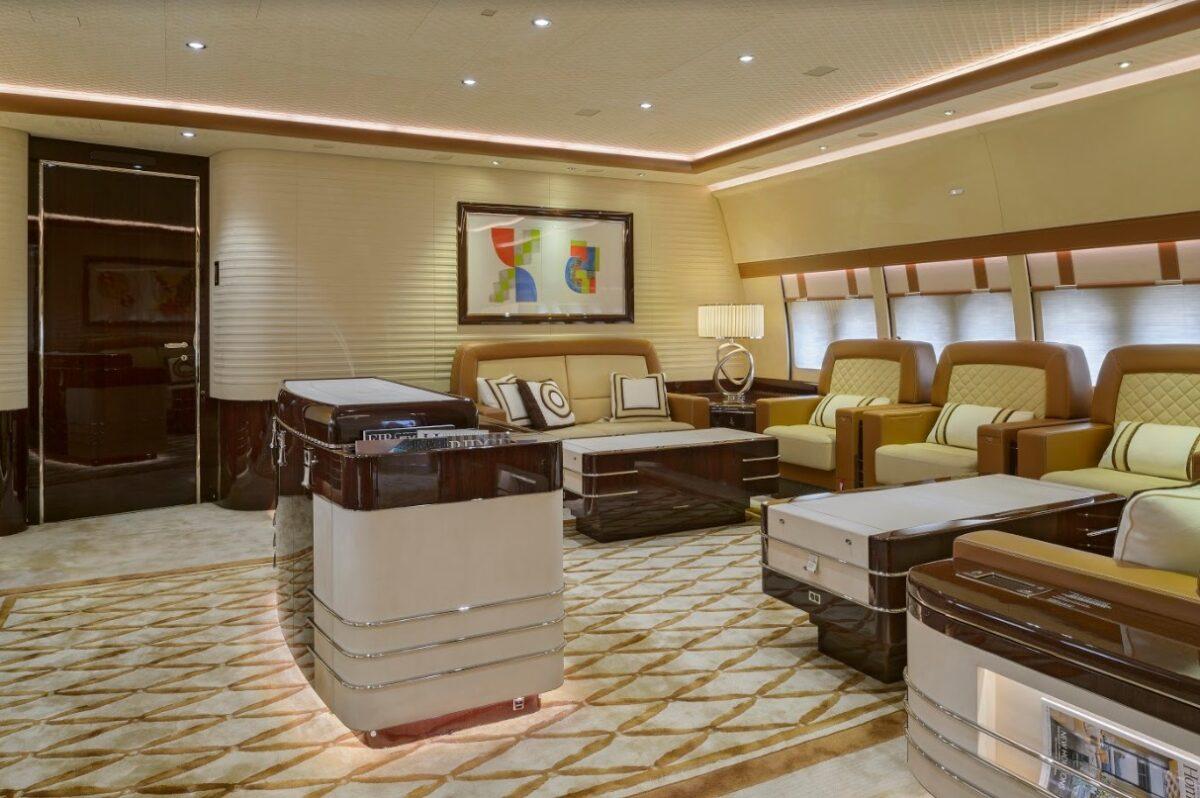
Instead of rows of traditional airline seats, much of the cabin is arranged around plush leather sofas and lounge-style seating, earning it the reputation of being a flying mansion.
What many people never realized is that some of those luxurious seating areas required their own regulatory approval before the aircraft could enter presidential service. Because several of the sofas and lounge seats face sideways rather than toward the front of the aircraft, the Federal Aviation Administration had to issue special certification covering the unconventional layout, as reported by the New York Times. The approval became legally effective on July 1, the same day the aircraft made its debut presidential trip, following an application that had been under review for weeks.
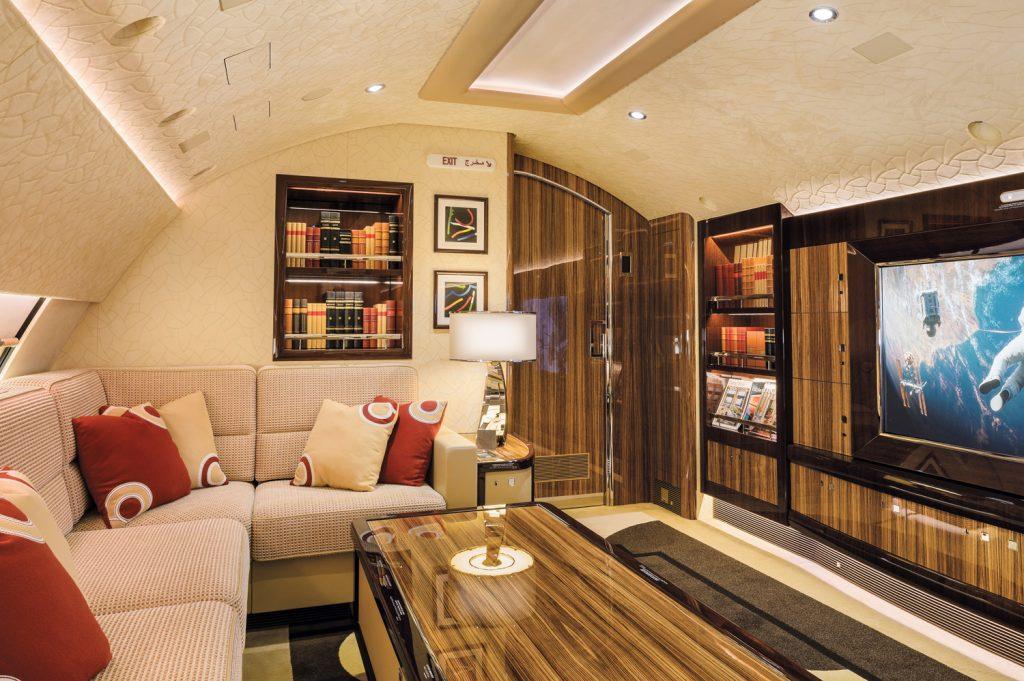
A palace in the sky instead of a conventional jet
Originally completed for Qatar’s royal flight, the aircraft’s interior was created by renowned French design house Cabinet Alberto Pinto after a four-year design and construction effort. The result bears far more resemblance to a luxury penthouse or a superyacht than a commercial Boeing 747.
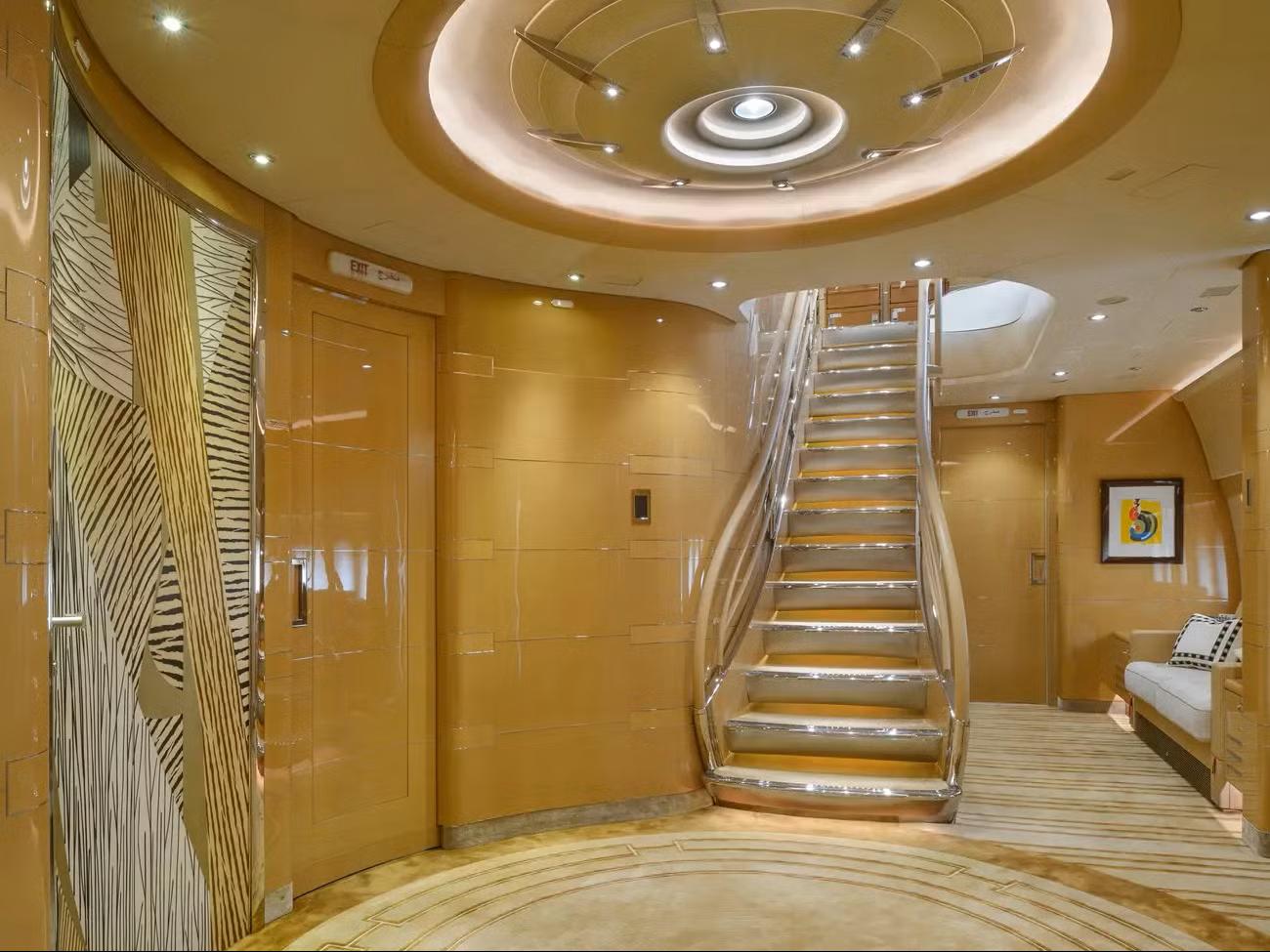
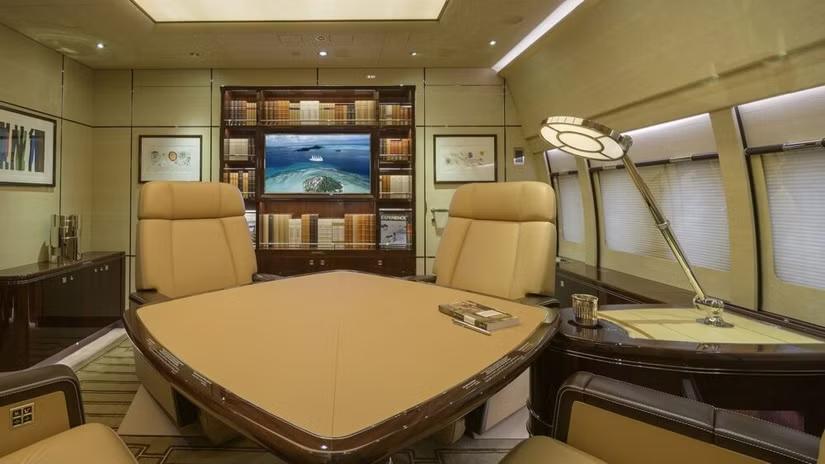
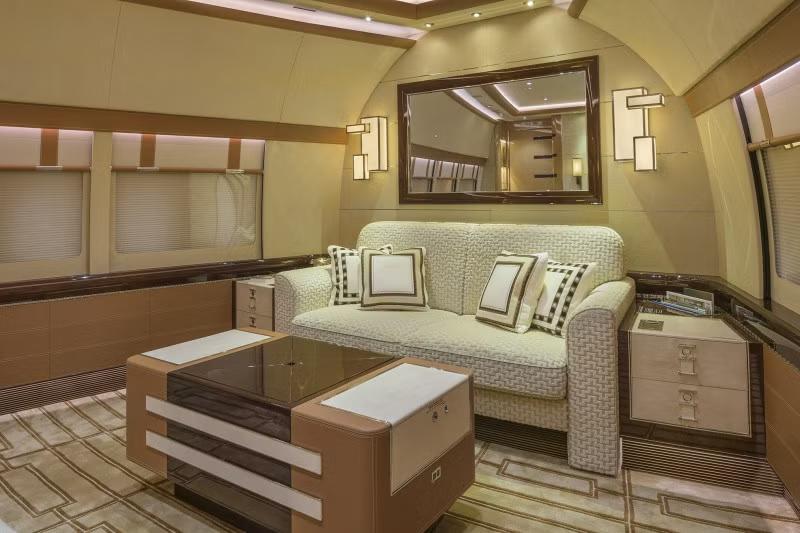
Passengers enter through an elegant foyer with curved walls before reaching an upper-deck living room featuring a large corner sofa, bookshelves and a giant television. On the main deck, three full-size sofas form the centerpiece of an expansive lounge, accompanied by leather recliners, meeting spaces, dining areas and private offices. The presidential suite occupies the quiet nose section beneath the cockpit and includes its own bedroom, private sitting area and en-suite bathroom.
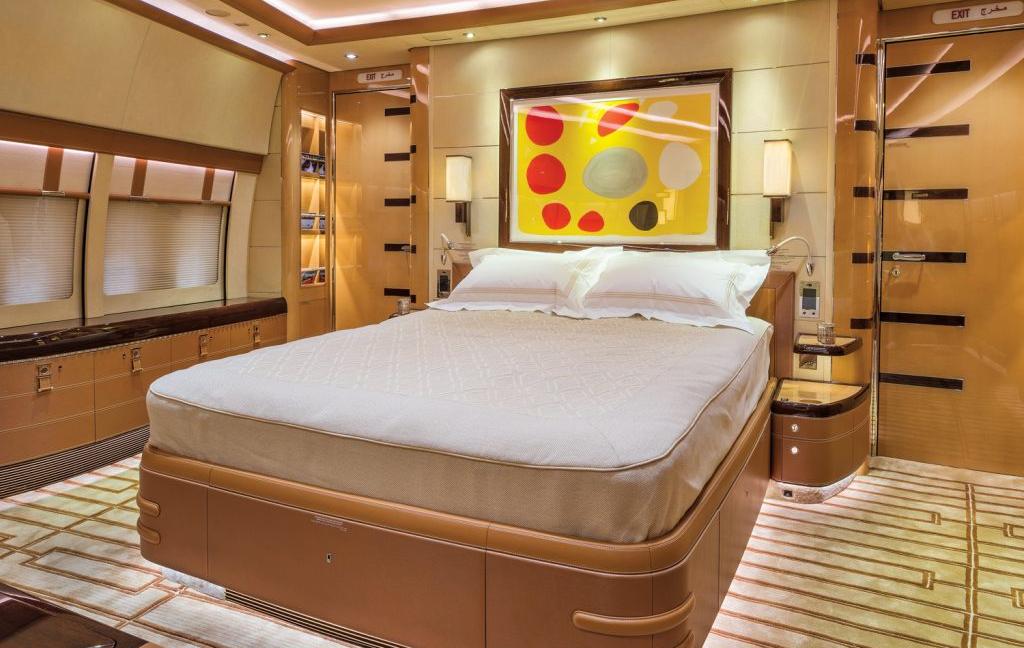
At the rear of the aircraft, conventional business-class seats accommodate staff and accompanying travelers, while guest bedrooms and additional lounges complete an interior unlike almost anything found aboard a commercial aircraft.
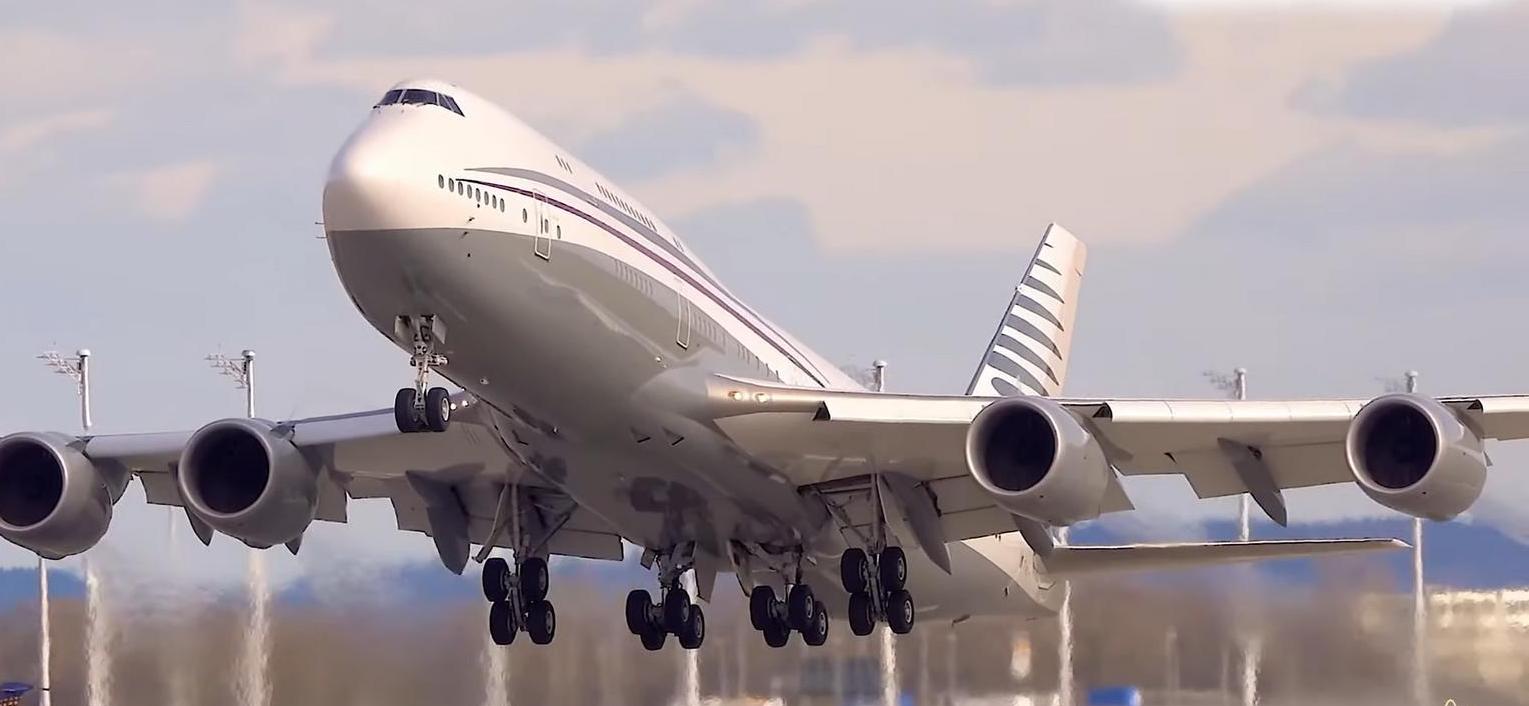
Why the FAA had to approve the seating
The attention from regulators had nothing to do with the quality of the furnishings. Instead, it centered on how several of the aircraft’s sofas were positioned. A seat is considered side-facing when the occupant sits across the cabin rather than facing forward. The upper-deck corner sofa and the long sofas positioned along the walls of the main lounge appear to fall into this category, creating a seating arrangement rarely found on transport aircraft.
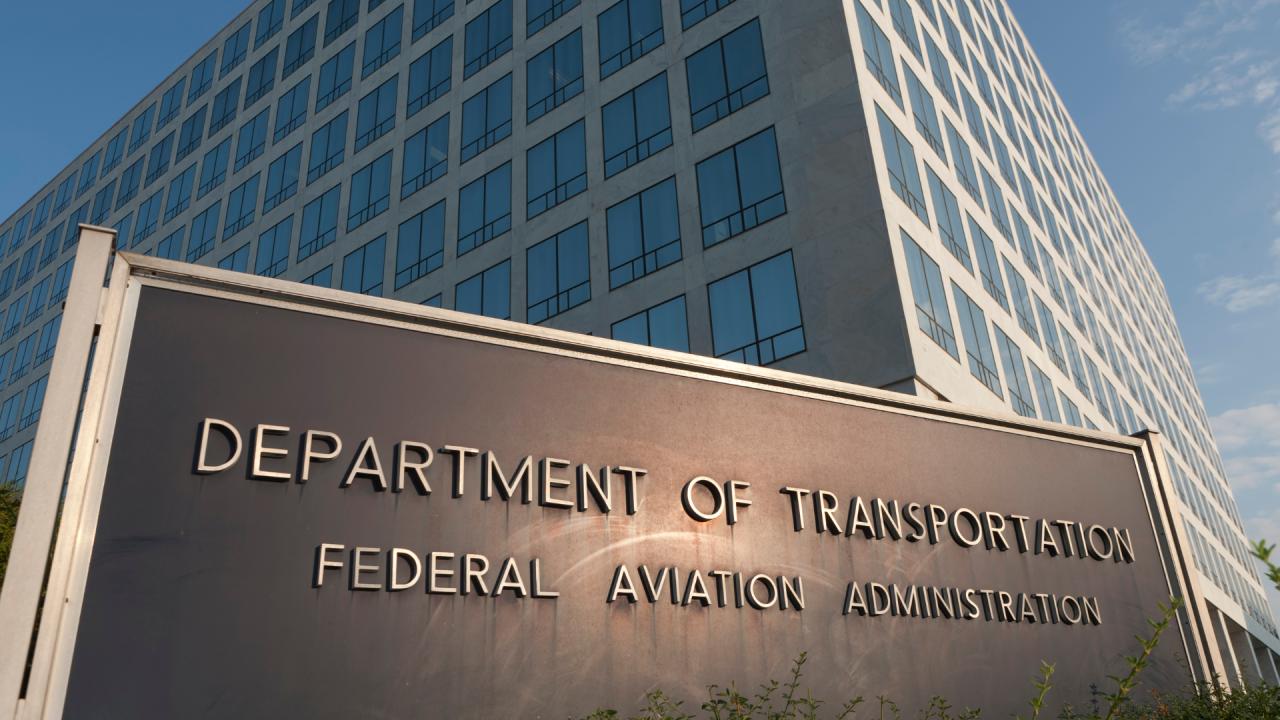
Because existing certification standards were written primarily for traditional forward-facing passenger seats, the FAA determined that the executive interior represented what it described as a “novel or unusual” configuration. Swiss completion specialist AMAC, which had already obtained European approval for the royal interior, therefore sought FAA validation through a Supplemental Type Certificate.
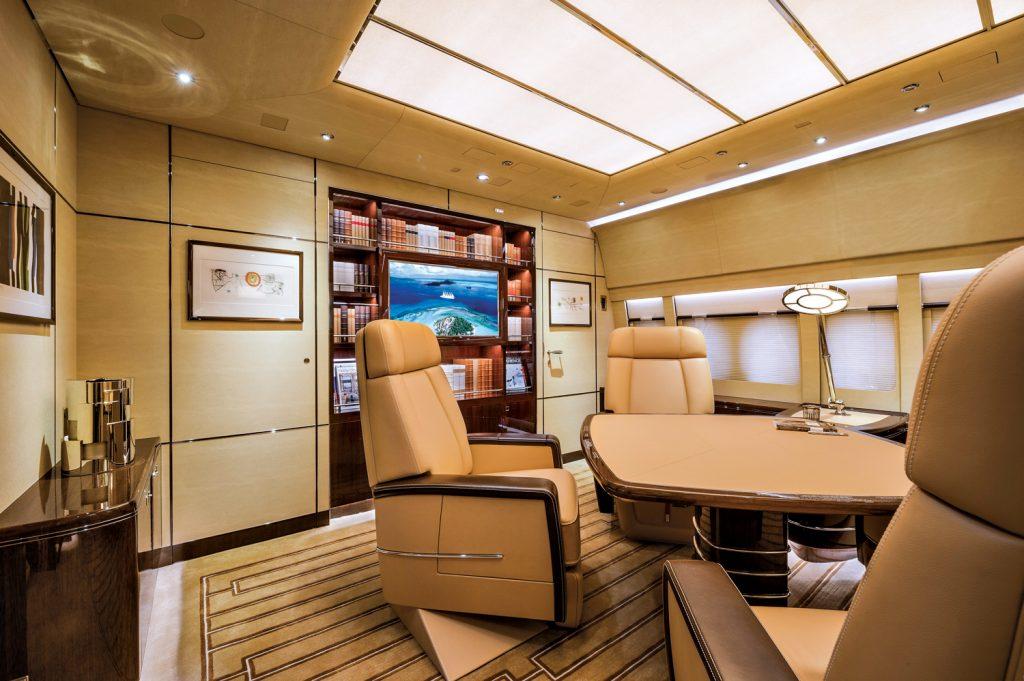
The agency issued Special Conditions No. 25-891-SC, adding extra engineering requirements specifically for the aircraft’s side-facing seating. Those requirements became legally effective on July 1, the same day the aircraft entered presidential service.
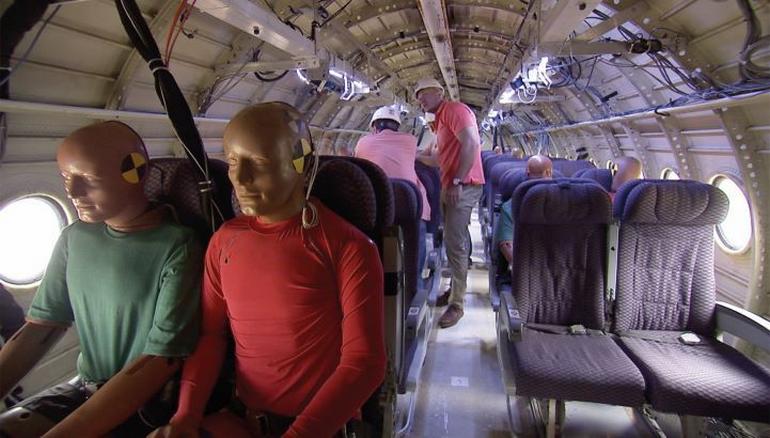
More than just testing the sofas
The certification process extended well beyond the seats themselves. Regulators evaluated how the surrounding environment could affect passengers occupying the lounge areas, meaning representative walls, armrests, cabinets and nearby furnishings all formed part of the engineering assessment.
Automotive-style side-impact test dummies were used alongside conventional aviation dummies to evaluate the unique loading conditions created by the residential seating layout. Multi-person sofas also had to demonstrate that occupants seated together would remain properly separated during the evaluation, while shoulder restraints, seat attachments and surrounding structures all had to satisfy detailed performance standards.
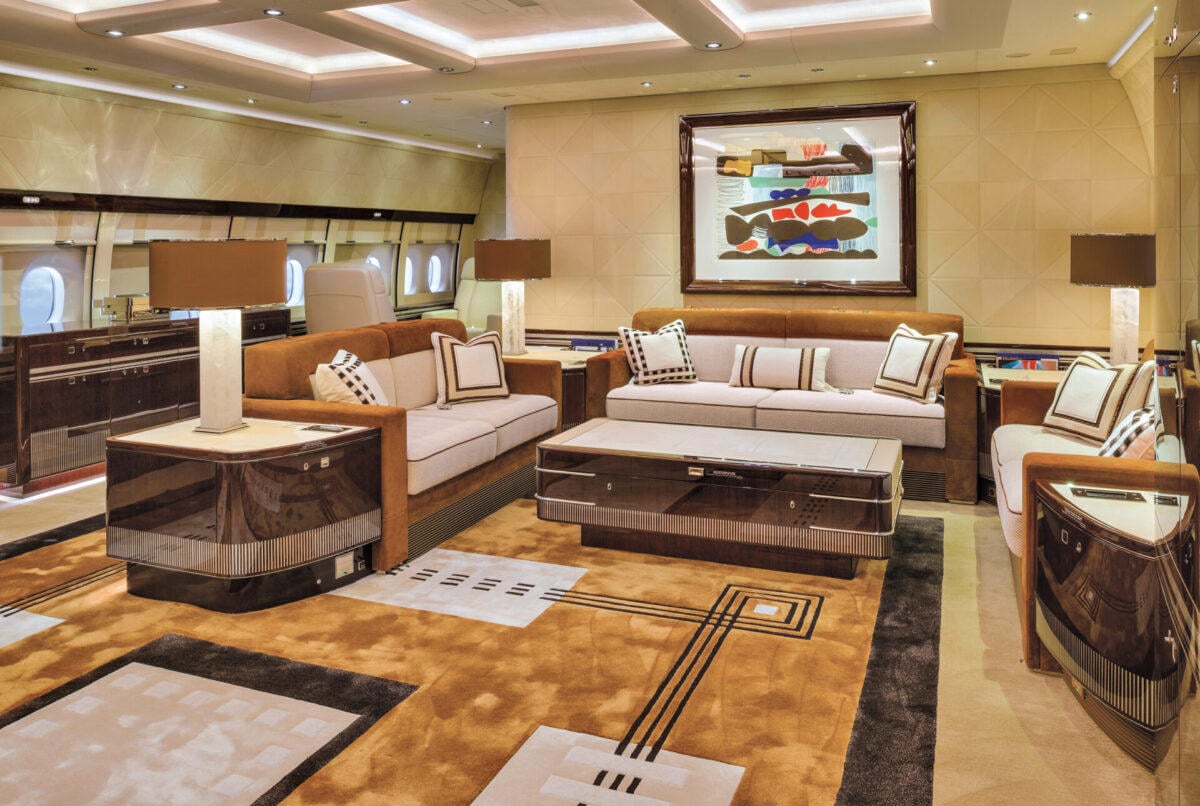
Interestingly, the FAA filing does not reveal how many side-facing seats the aircraft contains. It simply certifies an aircraft capable of carrying up to 89 passengers and 14 crew members. Similarly, not every luxurious chair or sofa visible in photographs was necessarily approved for every phase of flight. Dining chairs, bedroom seating and certain recliners may only be intended for use once the aircraft reaches cruising altitude.
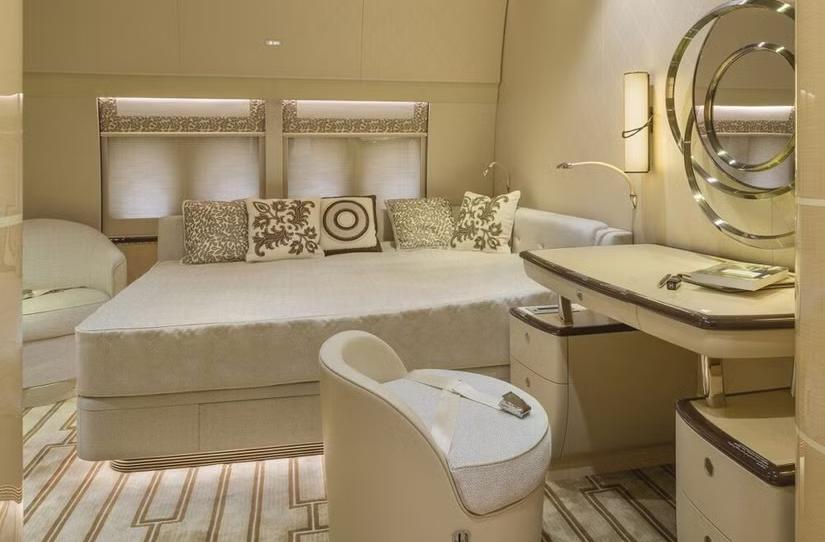
The approval illustrates just how unusual the former royal aircraft truly is. Unlike a traditional government transport, much of its interior was conceived as a series of residential conversation spaces, requiring regulators to adapt existing certification standards to accommodate a level of luxury rarely seen aboard a Boeing 747.
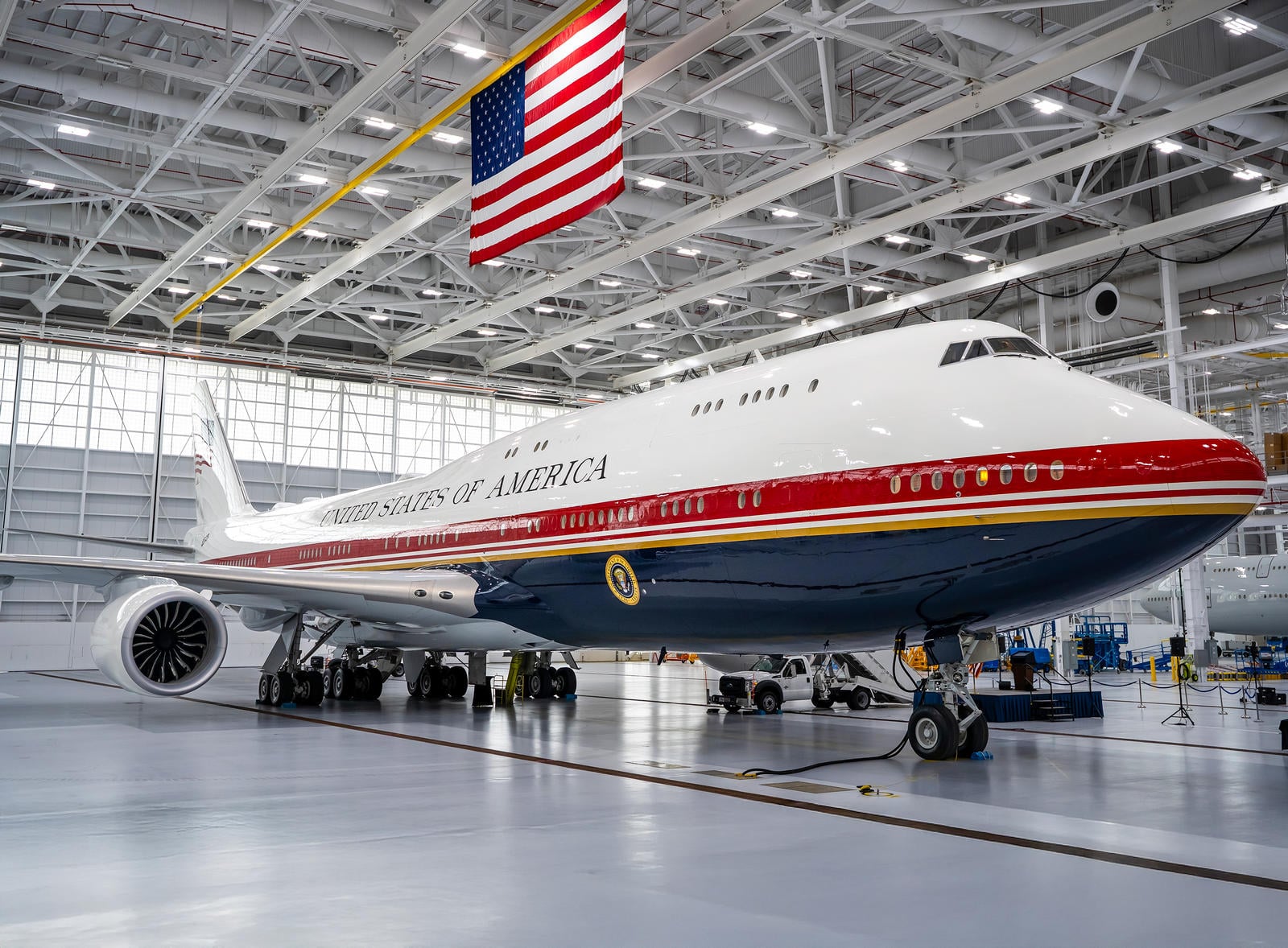
Although the aircraft has already entered service, its transformation is not yet complete. Officials have confirmed that the jet will return to Texas in the coming months for additional upgrades and enhancements, where further work will continue on its communications, security and mission systems before the aircraft resumes flying in its role as the temporary Air Force One
.