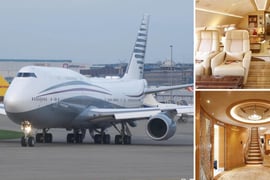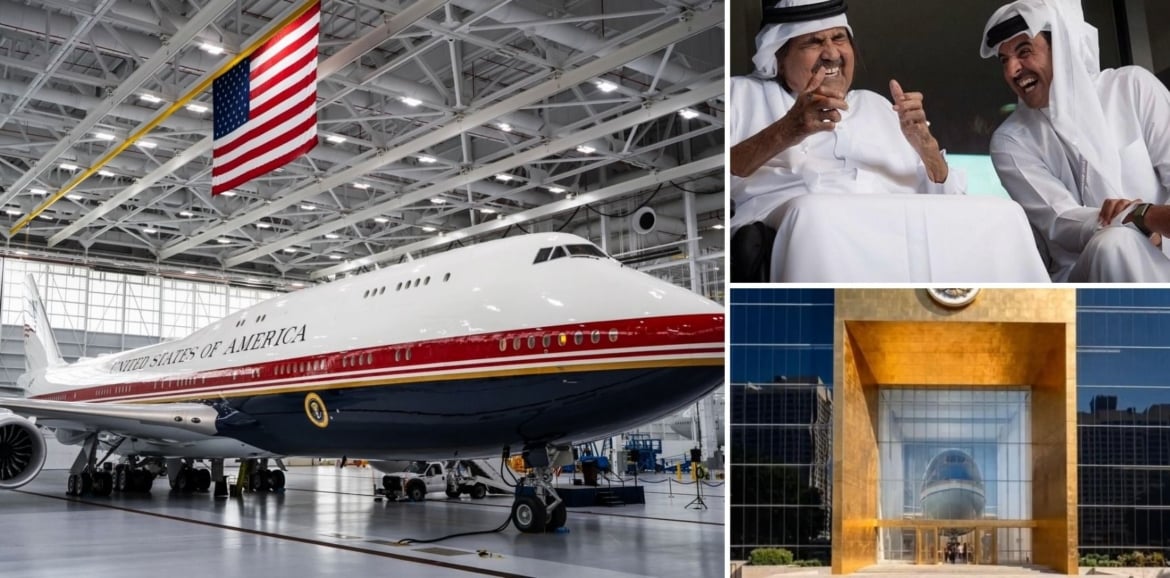
The Boeing 747 gifted by Qatar to the United States is poised to make aviation history, though perhaps not in the way most presidential aircraft do. After undergoing a rapid transformation into an interim Air Force One known as the VC-25B Bridge, the jet is expected to enter service today, carrying the president to North Dakota for the dedication of the Theodore Roosevelt Presidential Library in Medora, one of several events marking America’s 250th Independence Day. Yet if current plans remain unchanged, the aircraft’s time as a presidential transport will be remarkably brief.
By comparison, the current Air Force One has been serving since 1990. The White House has confirmed that the 747 would be handed over to Trump’s presidential library foundation by the end of his term, according to a report by NBC News. By the time the current presidential term ends on January 20, 2029, the jet will have spent just 934 days in service. That would make it the shortest-lived dedicated Air Force One generation in modern history, a striking distinction for an aircraft that has already attracted enormous attention for its unusual journey from luxury jet to presidential transport.
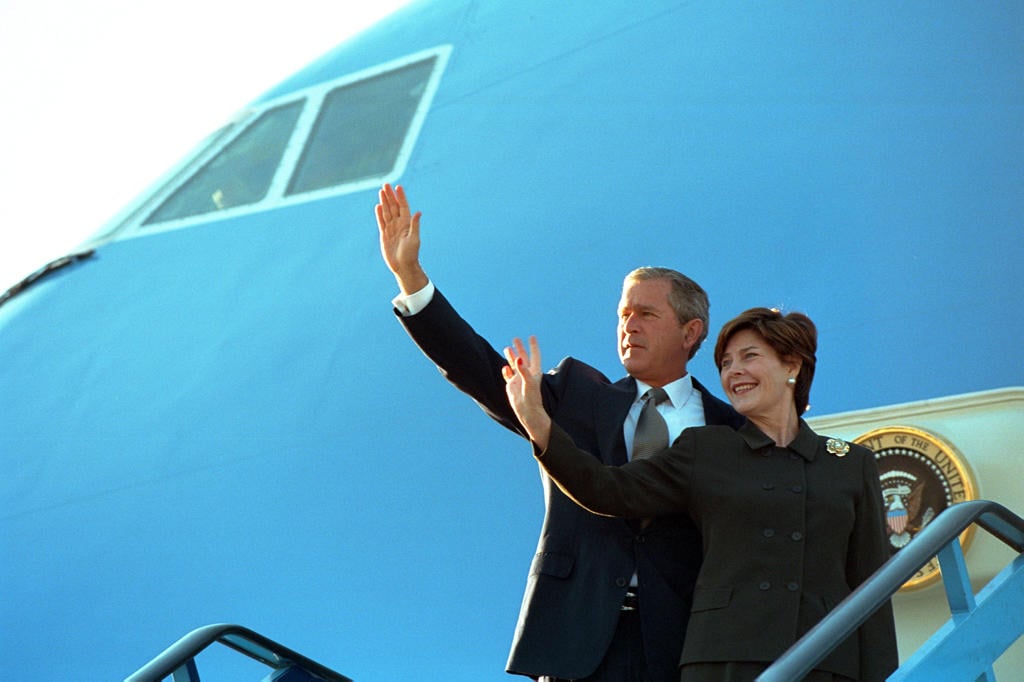
A bridge Air Force One for a delayed replacement program
The VVIP Boeing 747’s rapid transformation is closely tied to delays surrounding the long-running VC-25B program. Boeing has been working for years on two brand-new Air Force One aircraft intended to replace the aging VC-25A fleet that entered service is 1990 during the administration of President George H.W. Bush. Those iconic Boeing 747s remain among the most recognizable aircraft in the world, but repeated delays have pushed the arrival of their successors further into the future.

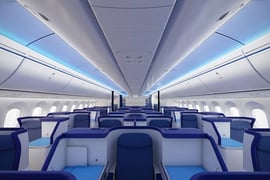
To bridge that gap, the former Qatari Boeing 747 was selected for a fast-track conversion program. Rather than focusing on luxury upgrades, the effort concentrated on safety, security, mission execution, and secure communications, while keeping its royal interior mostly intact. L3Harris carried out the missionization work while Boeing provided engineering support for structural modifications.
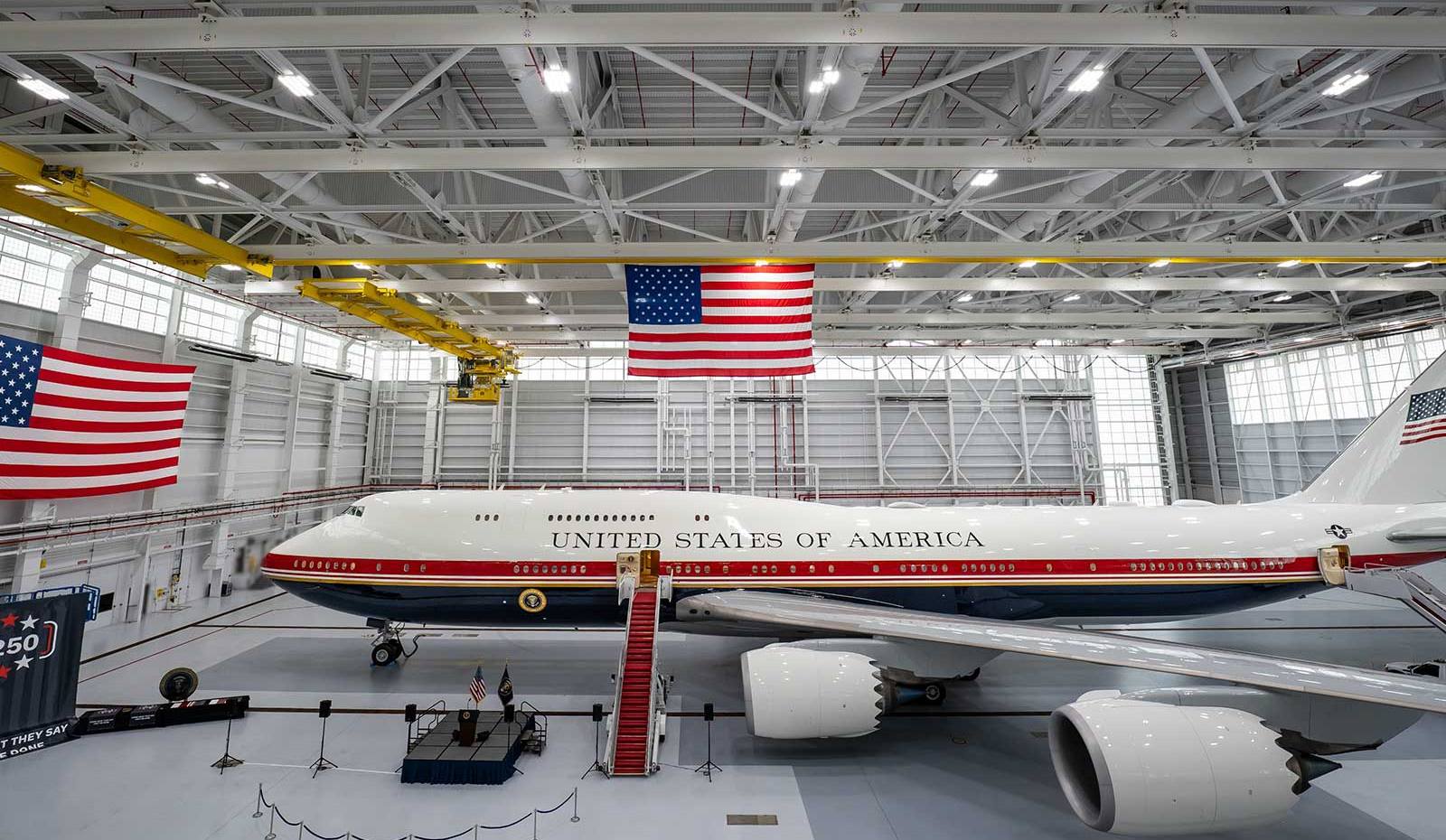
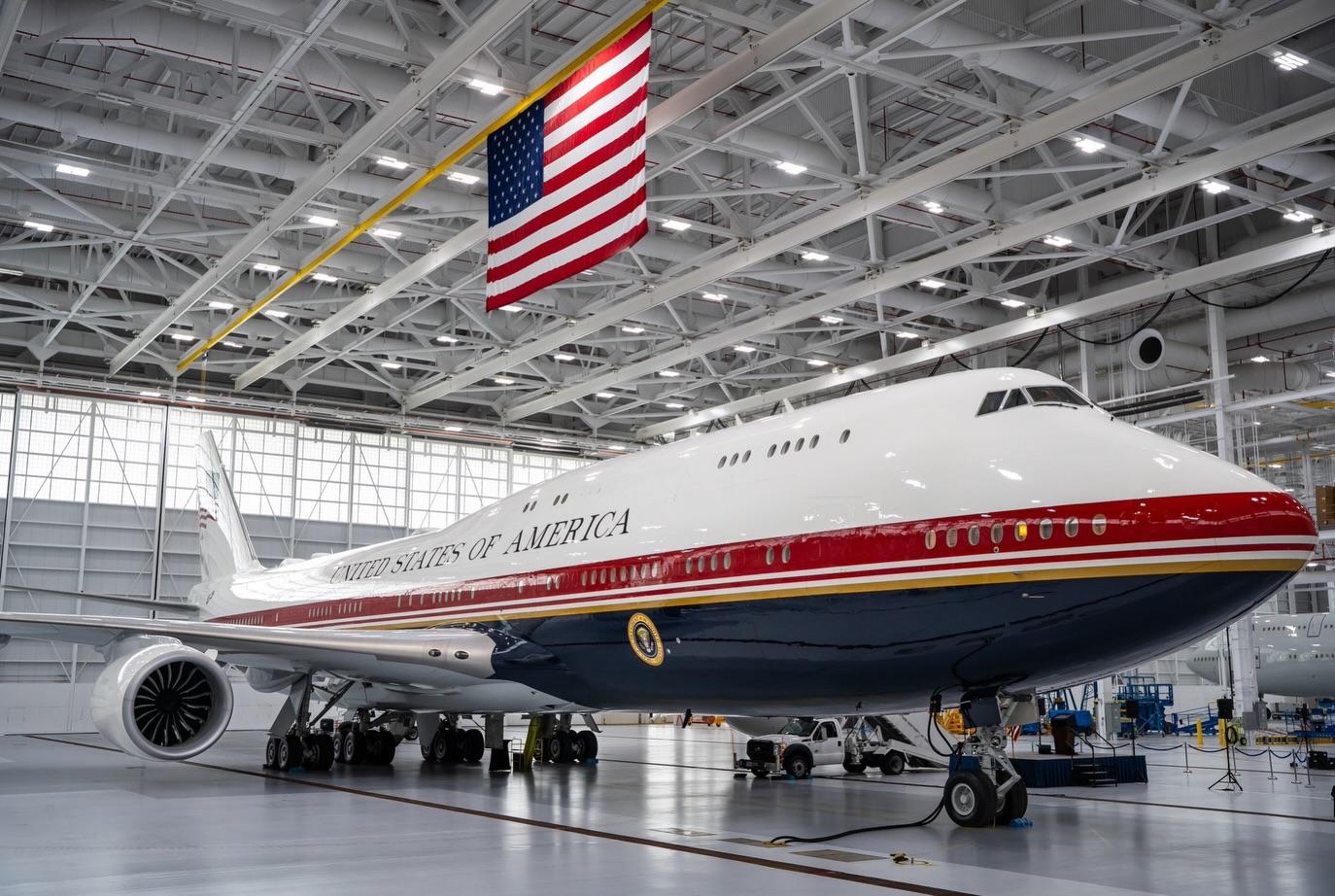
The aircraft has now completed modification and flight-testing phases and emerged wearing a new presidential-style livery featuring red, white, blue, and gold accents. The result is an interim presidential transport that is expected to make a highly symbolic appearance during a visit to Mount Rushmore on July 3, part of the celebrations leading into America’s 250th Independence Day. Plans for the event reportedly include a large fireworks display over the iconic monument, giving the new aircraft a memorable early mission as it begins its unusually short service career.
A presidential aircraft with an unusually short future
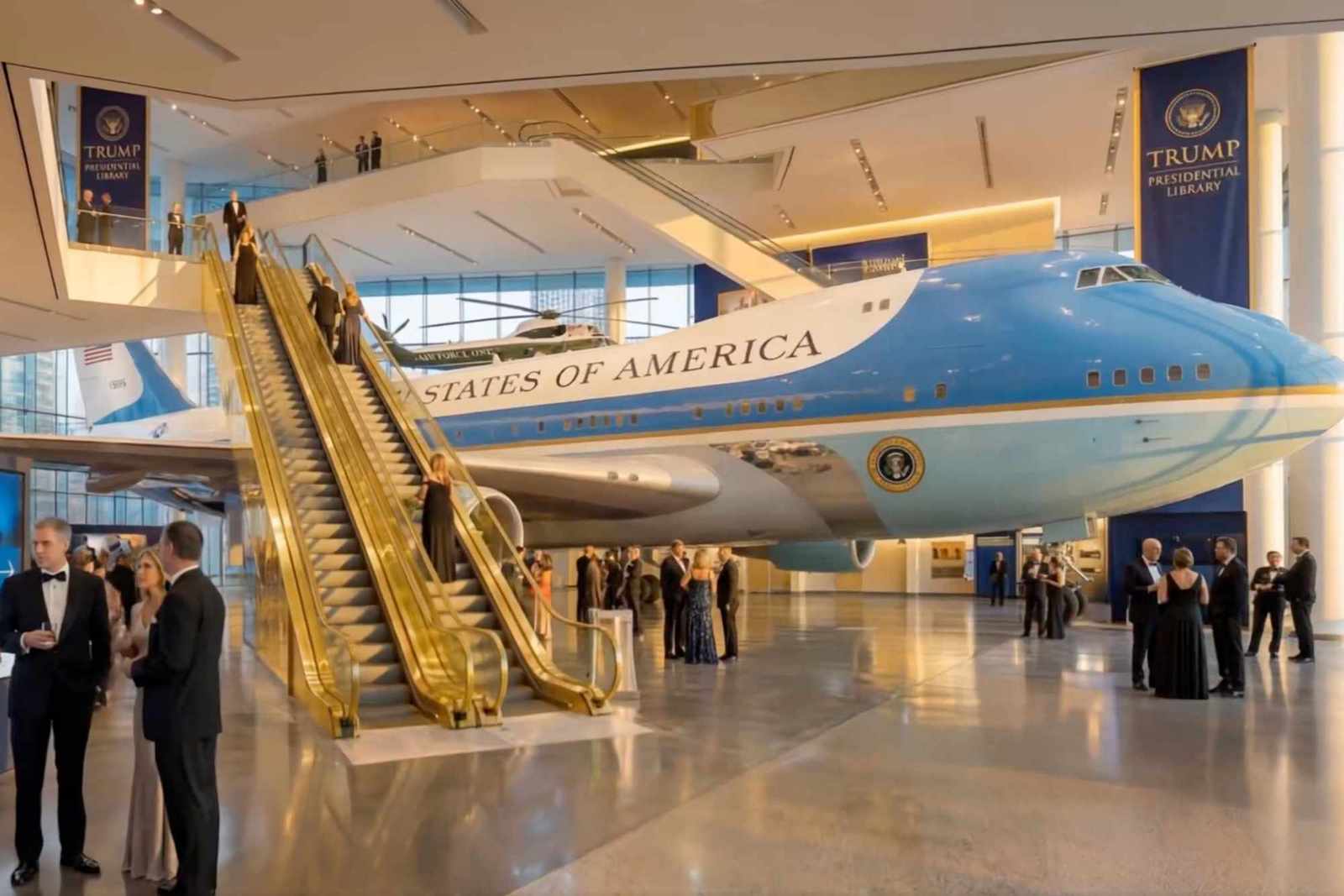
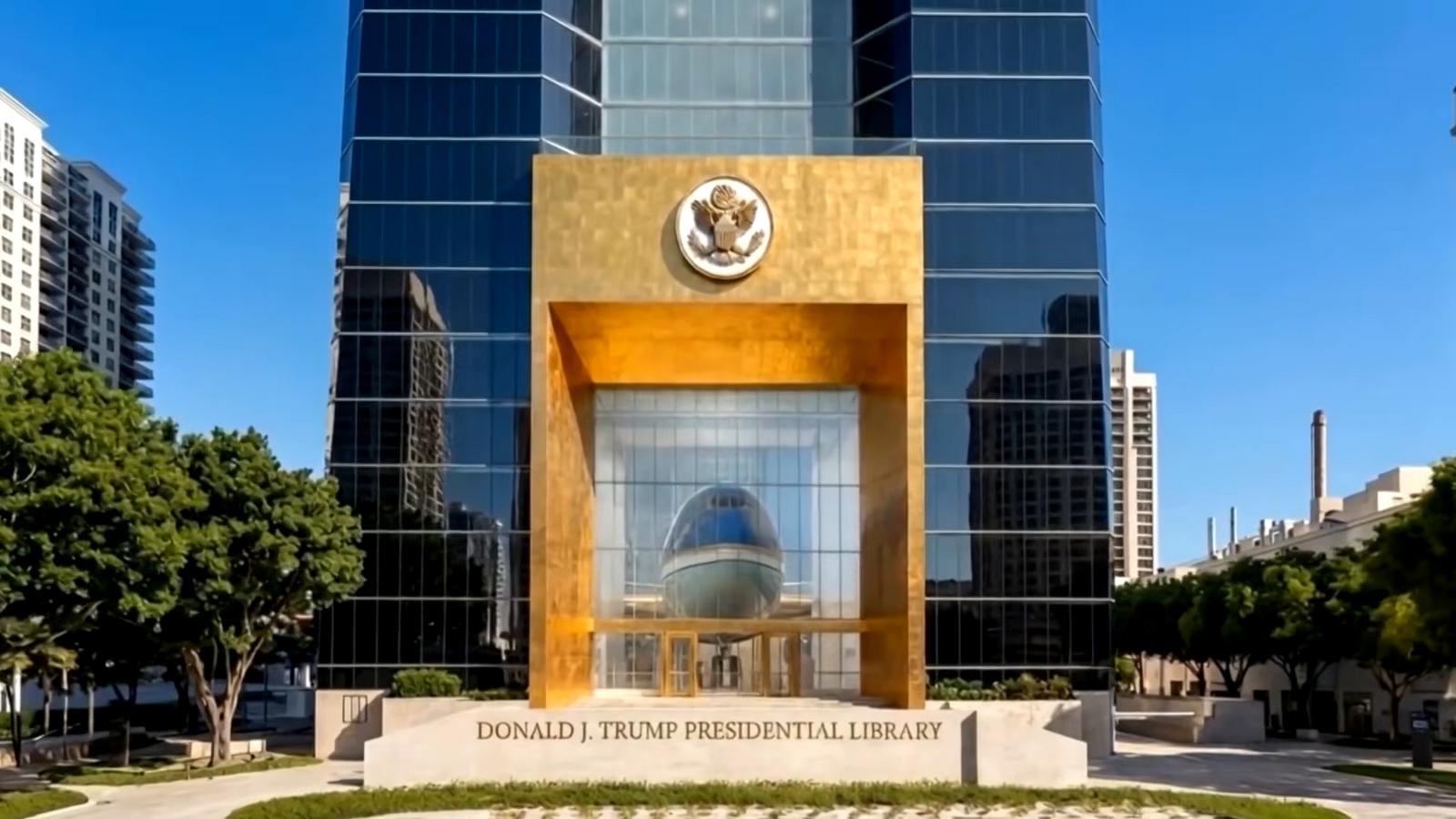
What makes the aircraft unique is not merely how quickly it entered service, but how quickly it may leave it. Plans associated with the future presidential center in Miami envision the jet becoming a major attraction after its government service concludes. Once retired from presidential duty, the aircraft would be transferred to the Donald J. Trump Presidential Library Foundation as part of a broader museum and visitor complex planned for a waterfront site near Miami’s Freedom Tower.
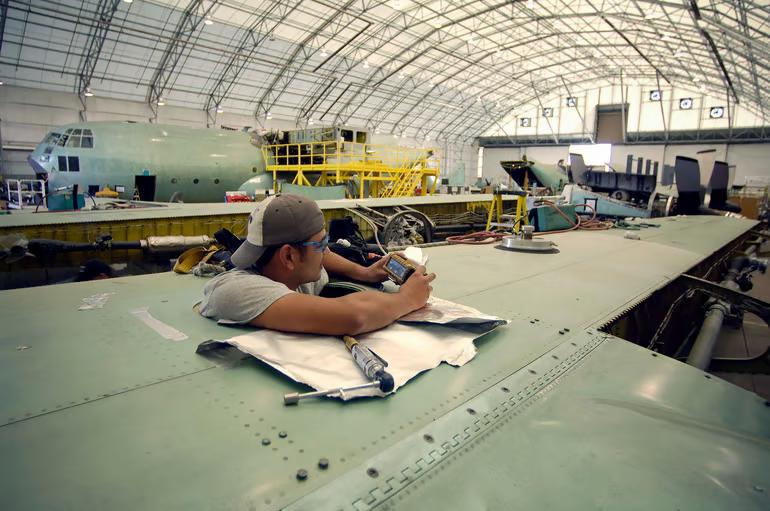
That transition would not be as simple as parking an airplane beside a building. A presidential aircraft contains secure communications equipment, specialized mission systems, and other sensitive technology that cannot simply be handed over to a museum. Before any transfer occurs, the aircraft would almost certainly undergo extensive decommissioning.
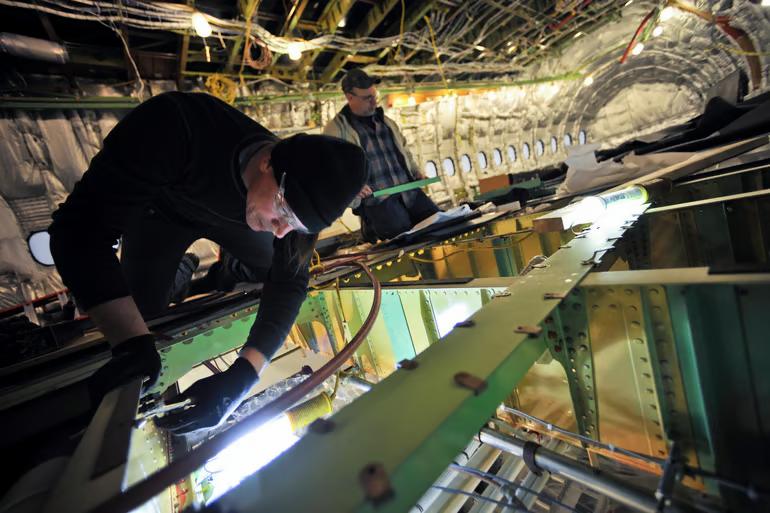
Secure systems would need to be removed, downgraded, or otherwise sanitized, effectively transforming the aircraft from an operational government asset into a public exhibit. In practical terms, the jet would live two very different lives. First as a working presidential transport and later as a symbolic representation of that role.
From flying command post to museum centerpiece
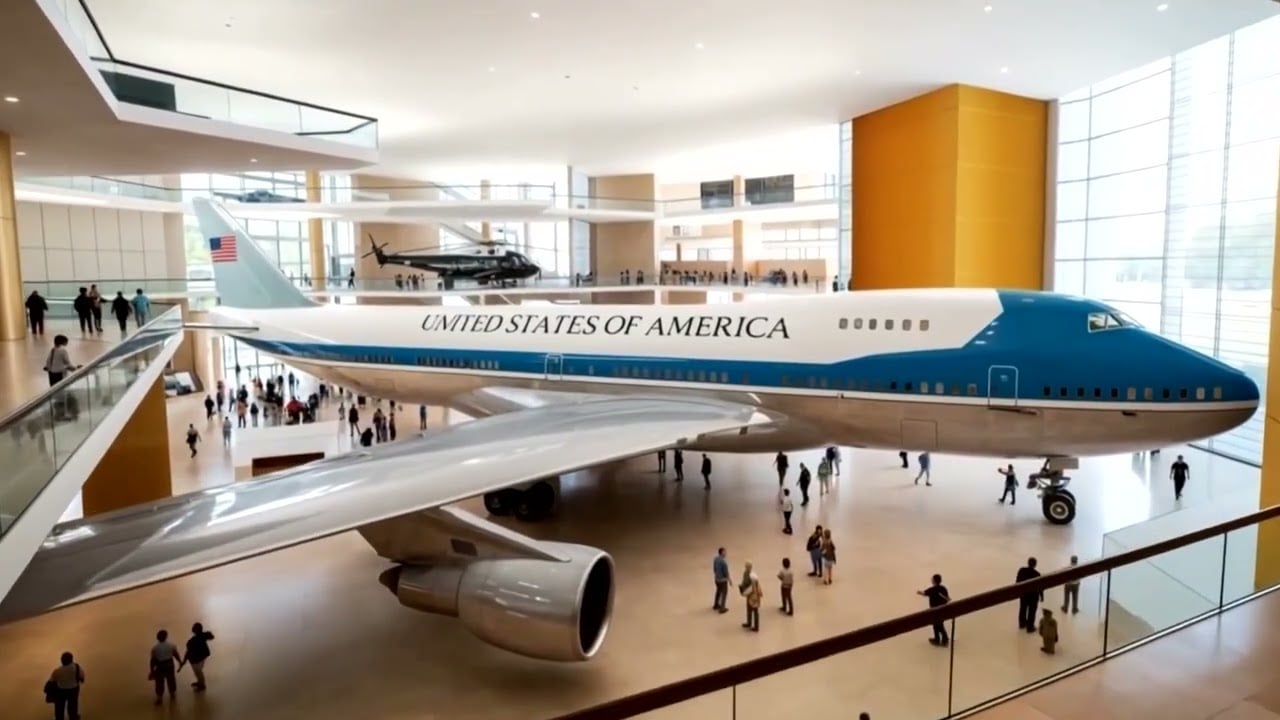
Renderings of the proposed Miami complex suggest the aircraft could become one of its defining attractions. Plans released for the project depict a large waterfront development featuring a museum, event spaces, replica presidential rooms, and potentially even a hotel component. A Boeing 747 is prominently incorporated into the designs, echoing the way retired presidential aircraft have been displayed at other presidential libraries.
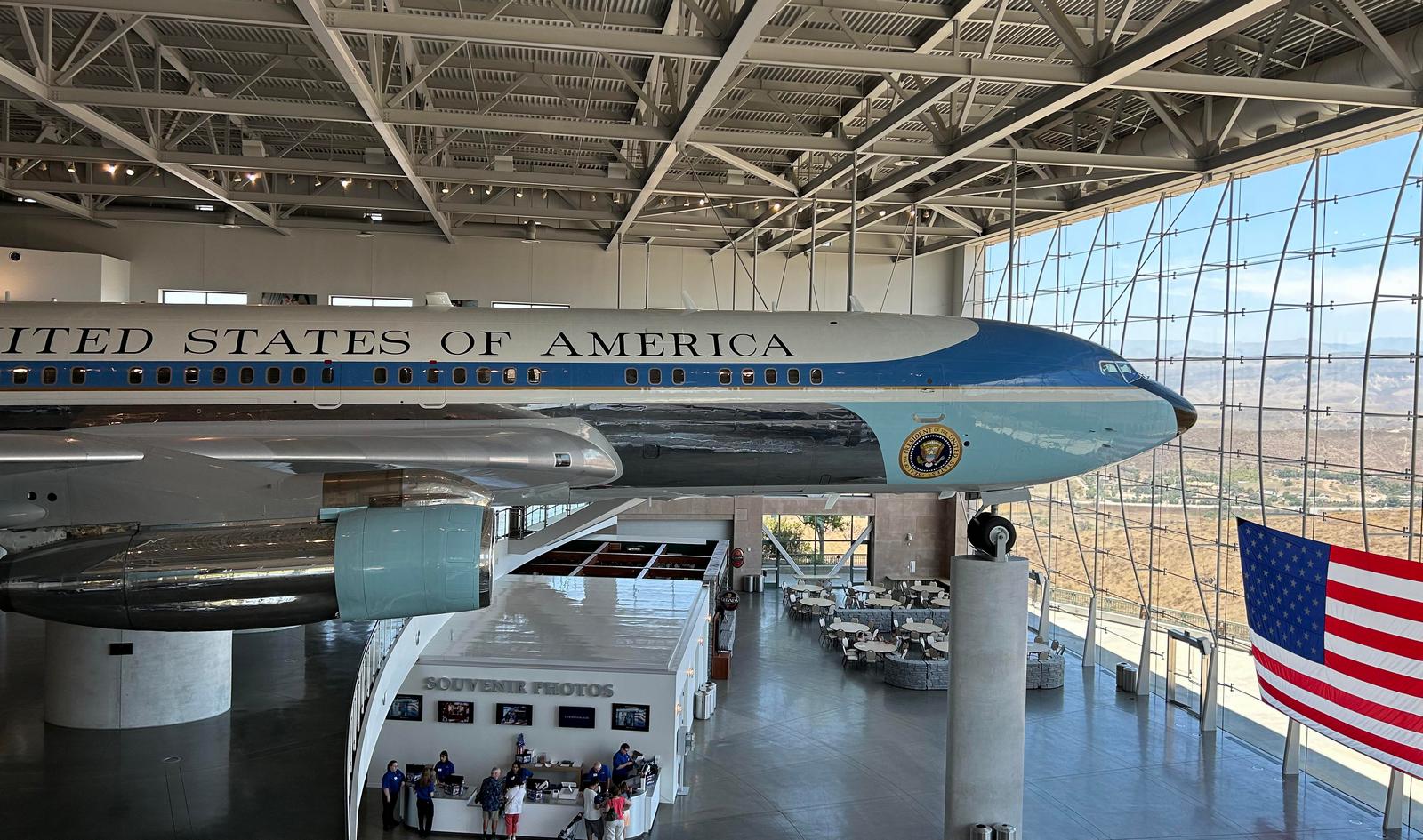
There is precedent for such a move. The retired Boeing 707 known as SAM 27000 eventually found a permanent home at the Ronald Reagan Presidential Library, where it remains one of the institution’s most popular exhibits. The difference is that those aircraft served for decades before retirement. By contrast, the Qatar-donated VC-25B Bridge could spend only about two and a half years carrying out presidential missions.
That timeline gives the aircraft a unique place in presidential aviation history. While the VC-25As have served for more than three decades and earlier presidential aircraft often remained in service for many years, the bridge aircraft appears destined for a far shorter operational career. Its legacy may ultimately be defined not by the missions it flew, but by the unusual path that took it from luxury jet to Air Force One and then, just 932 days later, into retirement as a museum centerpiece.