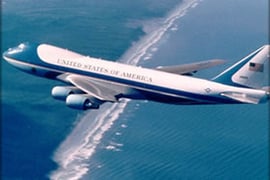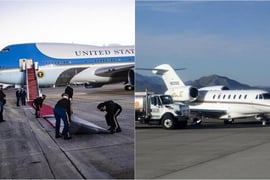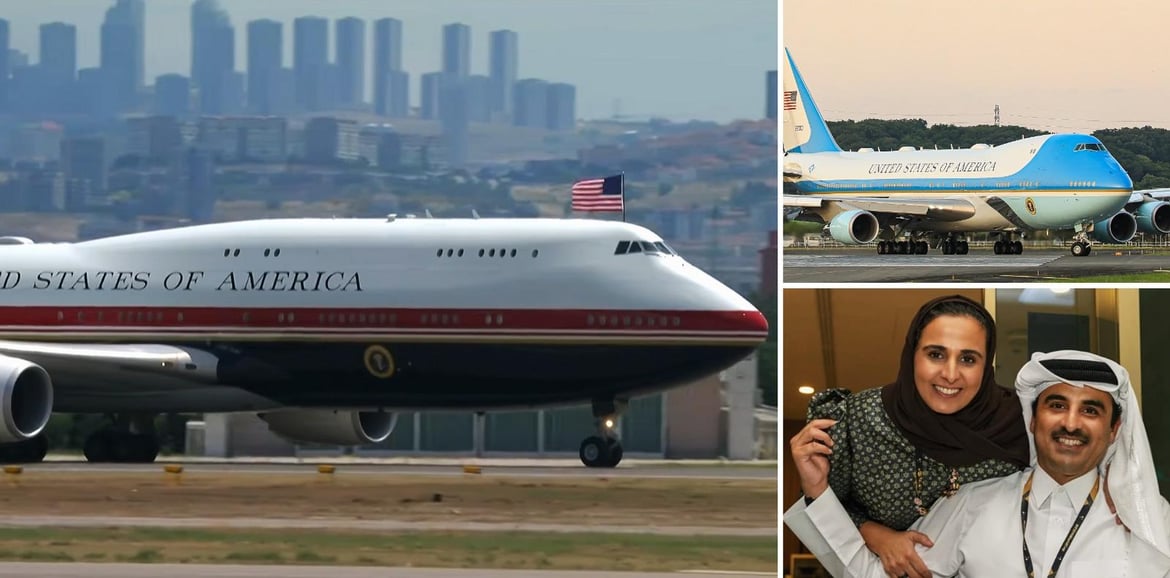
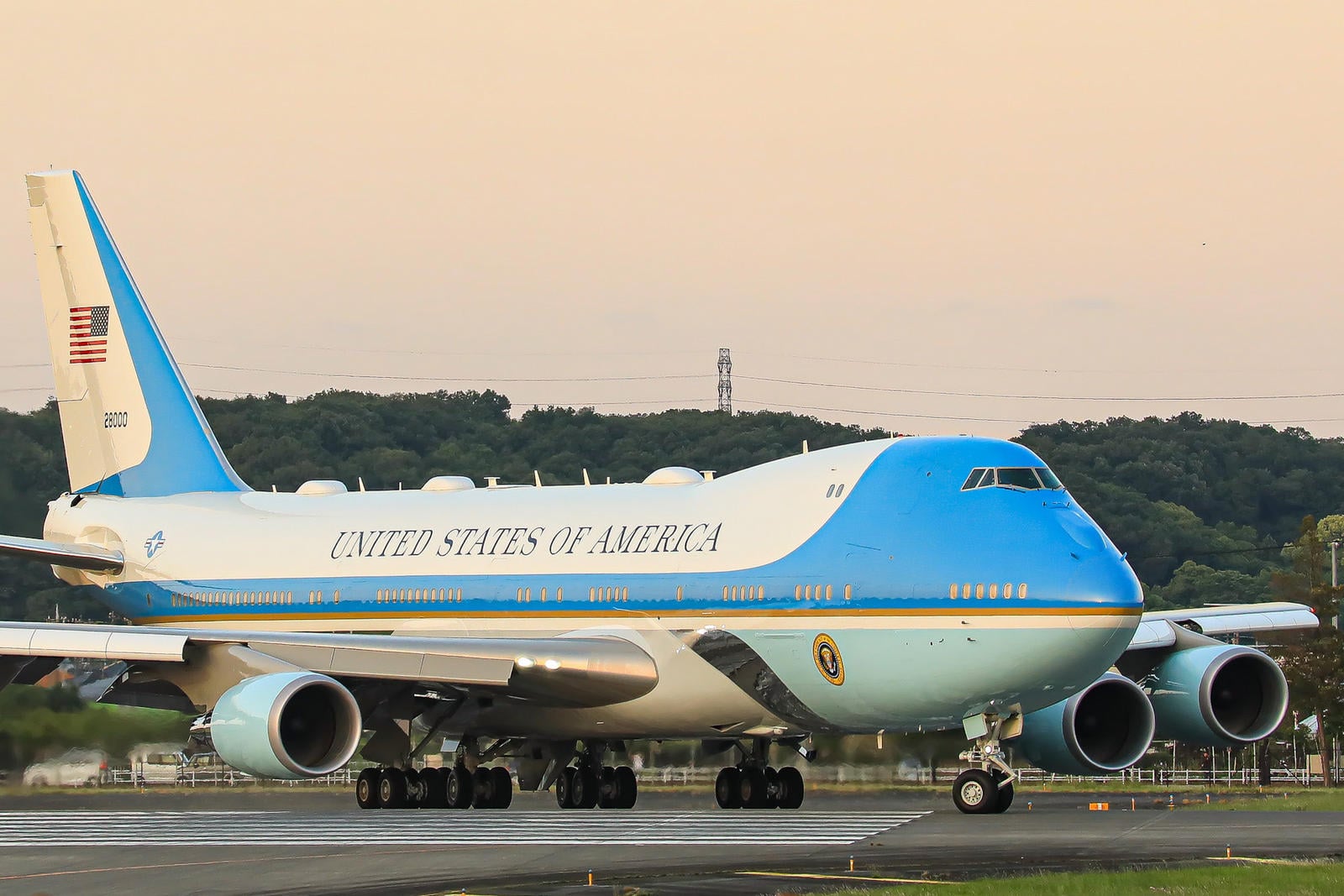
The US president is set to take the plush Boeing 747 donated by Qatar on his upcoming visit to Ireland, choosing the newer aircraft over the dated Air Force One jets that have carried American presidents for decades. The two-day visit is expected to begin on September 12, with the president scheduled to remain in the United States for the September 11 commemoration before flying to Dublin. He is then expected to travel to Doonbeg for the final day of a tournament after that, giving the newly introduced presidential aircraft another prominent international assignment.
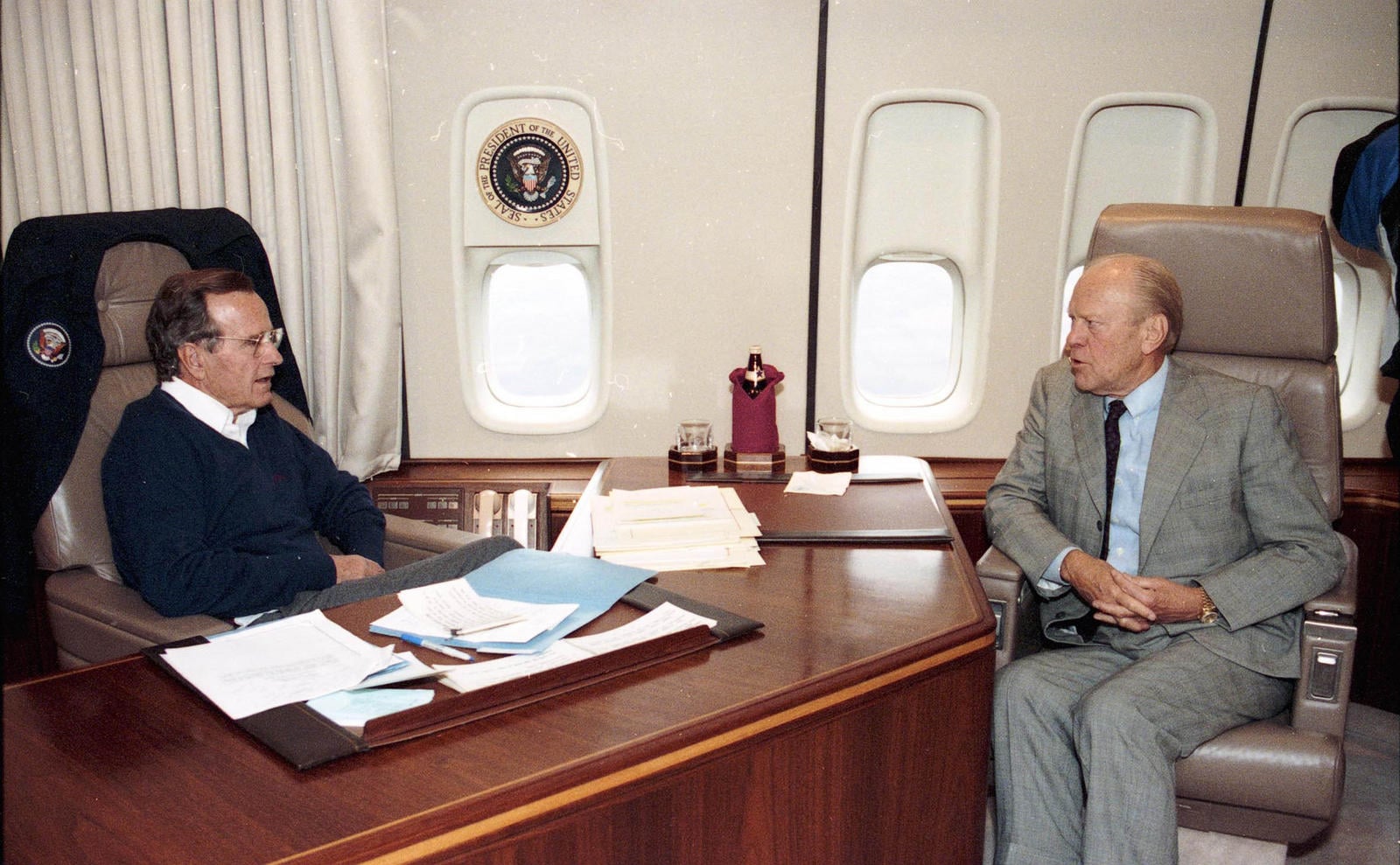
The decision is notable because the Qatari jet is still awaiting a further round of upgrades that was promised after questions emerged over whether its defensive equipment matched that of the older presidential aircraft. It also comes as the president prepares for an increasingly busy travel schedule in the run-up to the November midterm elections. The aircraft was officially inaugurated as the VC-25B “Bridge Air Force One” on June 19, when it was unveiled at Joint Base Andrews after a rapid government-funded transformation. The aircraft was intended as a temporary bridge while Boeing works on two new purpose-built presidential aircraft, whose development has been delayed and pushed far beyond its original timetable.
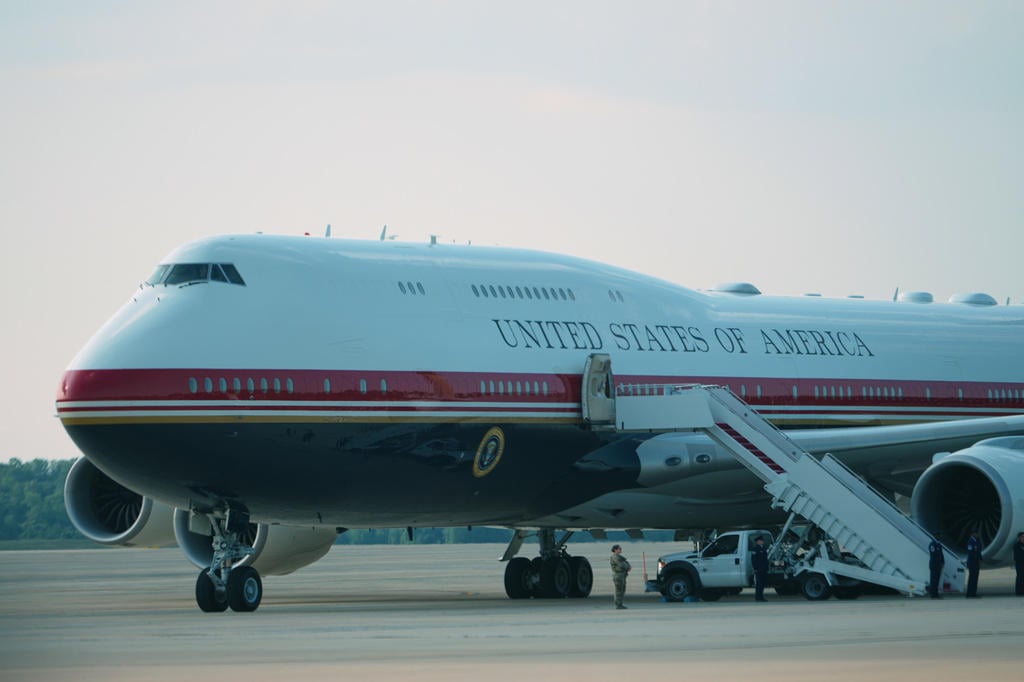
The Qatari 747-8 was subsequently used for its first presidential flight on July 1, carrying the president to North Dakota and officially entering operational service. Its introduction has provided an interim solution to the long-running problem of the aging presidential fleet, with the government already spending about $400 million on modifications to the donated aircraft, as reported by The Washington Post. The newer jet also offers a considerably more luxurious cabin, retaining elements of its previous Qatari royal configuration while receiving new presidential communications and mission systems.
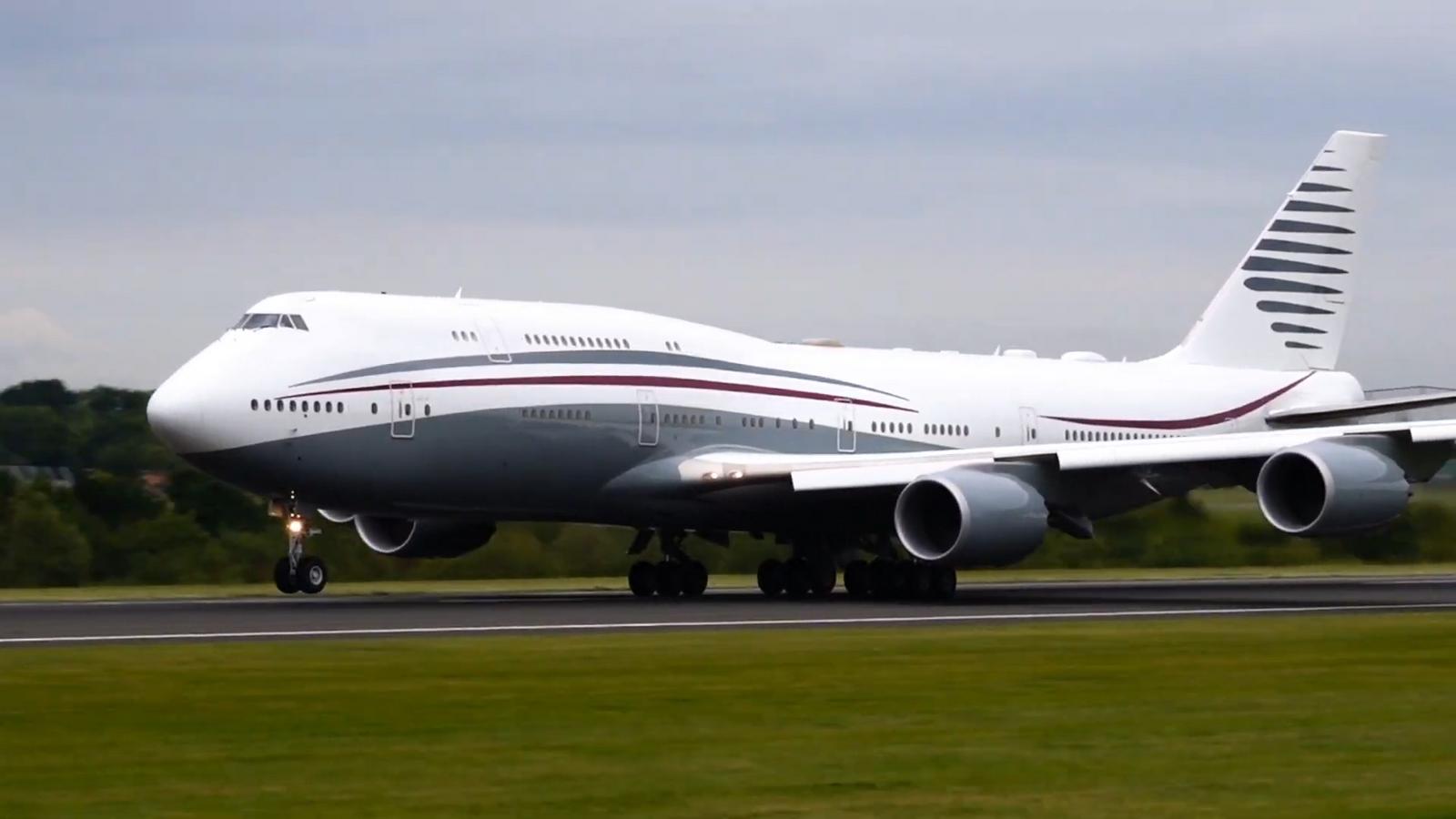
From luxury gift to presidential workhorse
The aircraft’s appeal is easy to understand when compared with the older Air Force One jets, which have been in service for decades and are based on airframes that are now roughly 40 years old. The president has repeatedly complained about their age, maintenance costs and appearance, particularly when they are parked alongside newer aircraft operated by foreign royal families. He has described the Qatari aircraft as one of the most impressive commercial planes ever built and welcomed it as a major upgrade in comfort and capability.
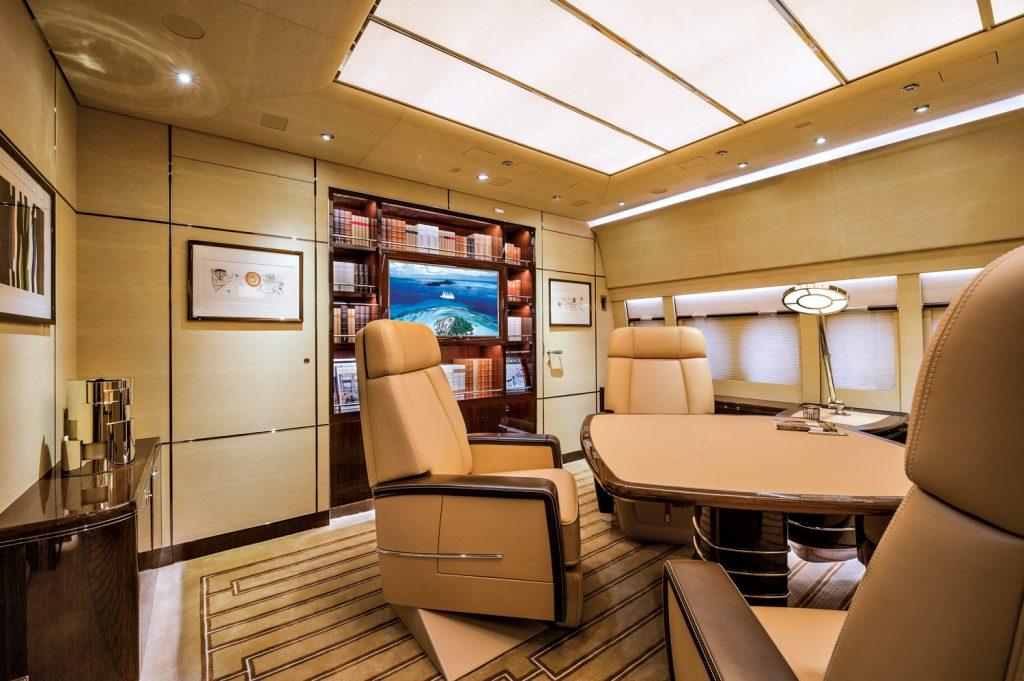
Inside, the difference is particularly striking, with spacious seating, large personal screens, reclining seats and other luxury features carried over from its previous life. The aircraft also has a distinctive red, white and navy exterior that sets it apart from the familiar blue-and-white Air Force One livery. For a president who has openly expressed frustration with the aging fleet, the decision to take the Qatari 747 to Ireland fits neatly with his preference for a newer and more imposing presidential aircraft.
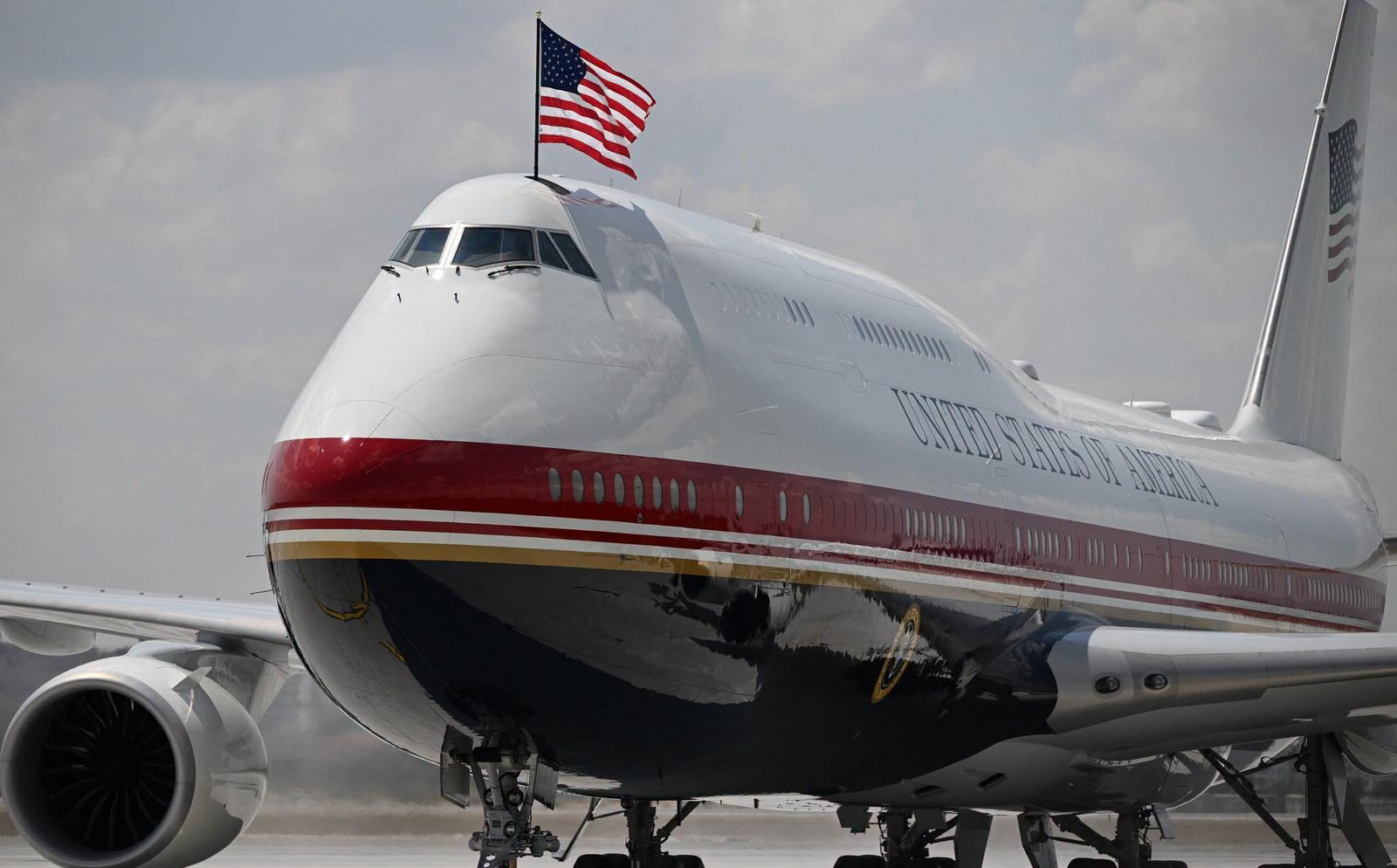
The aircraft’s international debut, however, quickly demonstrated that moving into presidential service was not simply a matter of adding new equipment and a new paint scheme. The president flew the Qatari jet to the NATO summit in Turkey in early July, but did not use it for the return journey after US officials received intelligence indicating a security concern involving the aircraft.
He instead departed Turkey through an unusual aircraft switch before continuing to Britain, while the older Air Force One remained behind as part of the operation. The episode was followed by renewed questions about whether the new jet possessed every capability expected of a long-established presidential aircraft.
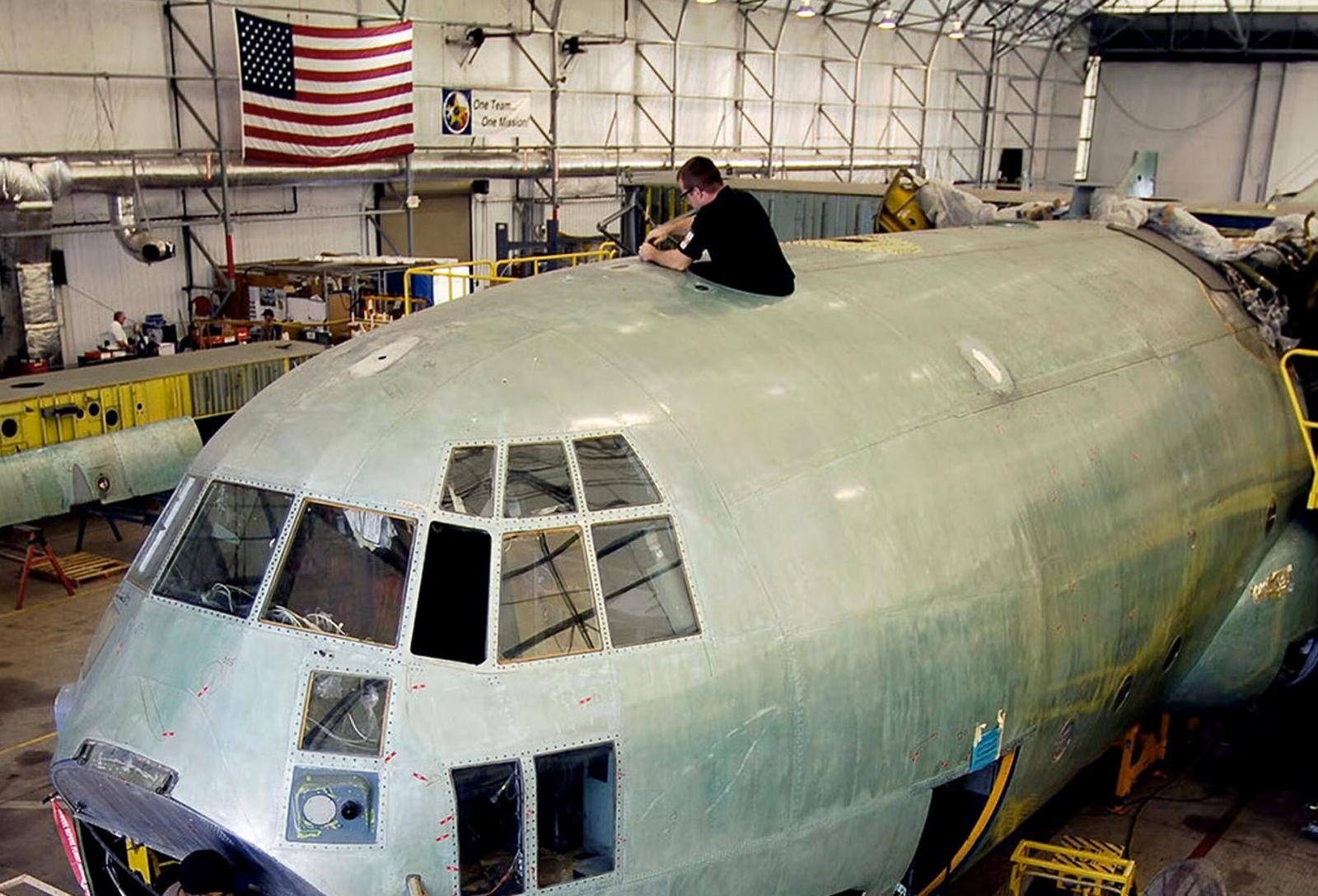
On July 19, the president acknowledged that further work was planned, saying the aircraft would be sent away to be “maxed out” and suggesting that the additional work would take about a month. The White House later indicated that the modifications would take place in the autumn, but there still has been no publicly announced grounding date or detailed schedule for the work, which could be pushed to after the midterm elections.
Ireland trip puts the unfinished upgrades in focus
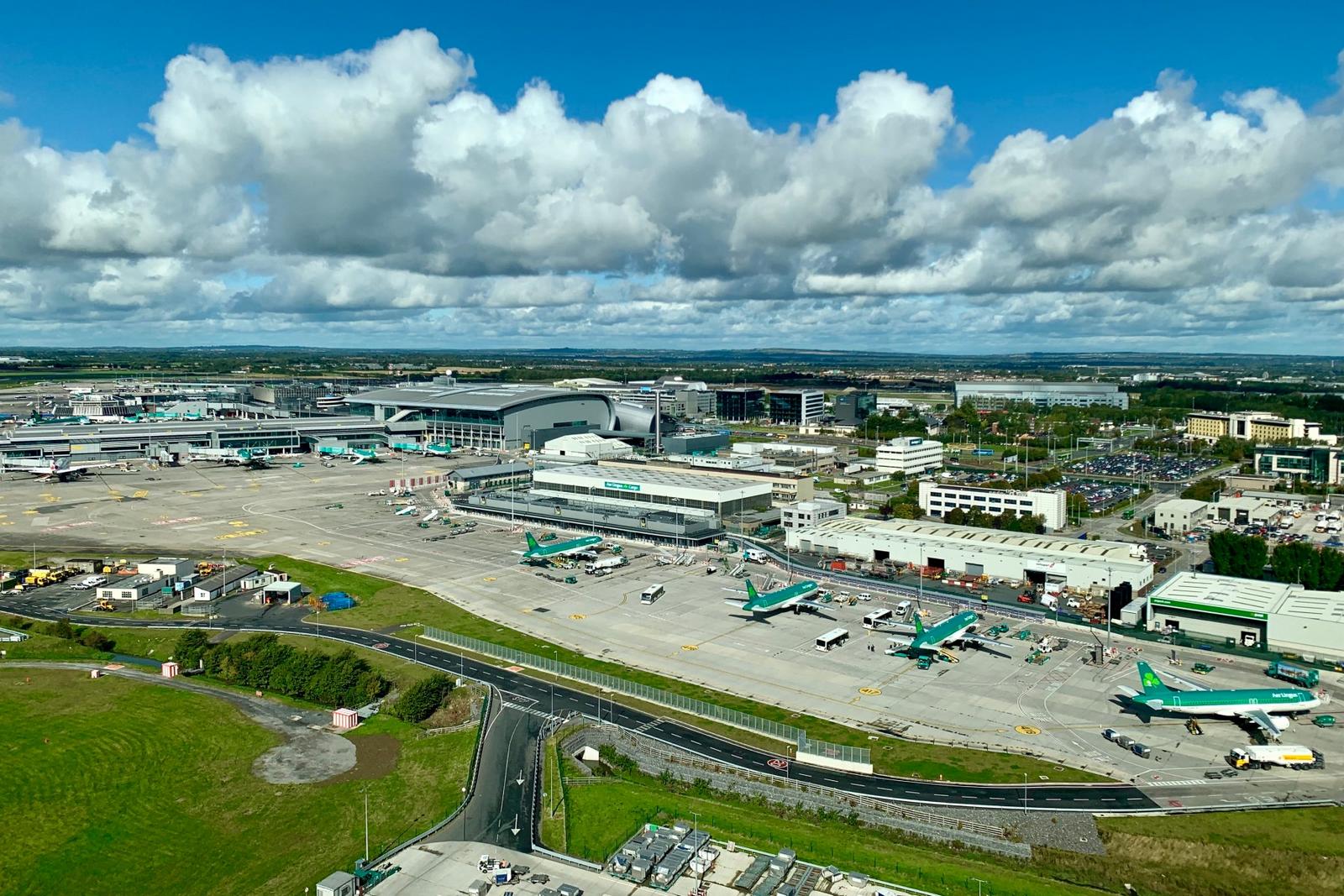
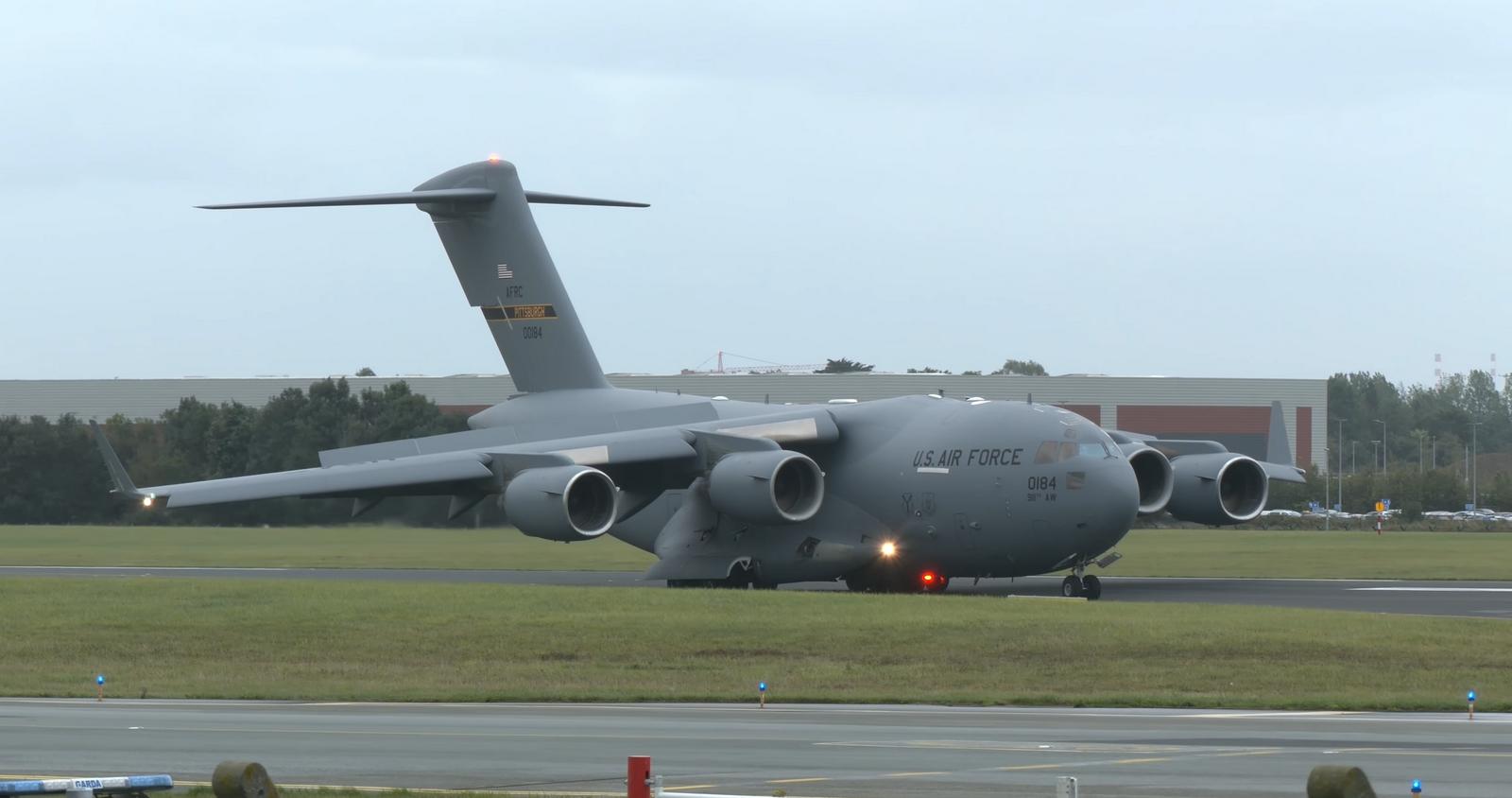
The Ireland visit now means the aircraft will remain available for presidential travel while those promised additional modifications remain unresolved. The trip is expected to involve a substantial American advance operation, with US Air Force C-17 Globemaster III transports already moving equipment into Ireland ahead of the president’s arrival. Three C-17s were tracked entering Dublin on September 2, while two more arrived at Shannon in the preceding 48 hours with vehicles associated with the White House Communications Agency.
On the ground, the president is expected to be greeted by Tánaiste Simon Harris at Dublin Airport before meetings with Taoiseach Micheál Martin and President Catherine Connolly in the Phoenix Park, while a planned visit to the new US embassy site in Ballsbridge may be dropped because of logistical considerations. The president is also expected to visit the residence of US Ambassador Ed Walsh before heading toward Doonbeg, while his sons are expected to attend the Doonbeg event separately. The Ireland trip therefore gives the Qatari 747 another high-profile assignment even as the administration has yet to announce when the aircraft will undergo the additional work intended to “max out” its capabilities.