The first new Air Force One is expected to power up for the first time before the end of 2026, marking a major milestone for a presidential aircraft program that has been years behind its original schedule. Boeing had previously announced that the first VC-25B aircraft is expected to fly in 2027 and reach the Air Force in mid-2028, with the second scheduled for delivery in mid-2029. Interestingly, there is no publicly available information on when the two existing VC-25A aircraft were first powered up during their development, but the first VC-25A made its first flight on May 16, 1987, while the second flew for the first time on October 29, 1987, before both eventually entered presidential service in the early 1990s. Their replacement, the VC-25B, is based on the Boeing 747-8i but features extensive military, communications, defensive, and presidential modifications. For a program that originally targeted delivery in 2024, even reaching the power-on stage represents a significant step forward.

The program is completing electrical work ahead of powering on the aircraft, according to Aviation Week, as Boeing continues structural work and has been hiring additional electricians to support the effort. The milestone is arriving roughly 17 months after power-on had previously been expected in July 2025, highlighting how much ground the program still has to recover. The electrical challenge is considerable, with more than 2,000 wire bundles and approximately 250 miles of wire being installed, almost twice the wiring found on a commercial 747. That is roughly comparable to the driving distance between Washington DC and New York City. Before the aircraft can be powered on, engineers have to ensure that its enormous network of wires, connectors, electrical buses, and protective systems has been correctly installed and configured. The process will therefore provide a crucial early look at whether the aircraft’s electrical architecture can function as one integrated system.

A power-on milestone, not a schedule victory
Powering on the VC-25B does not mean the aircraft is ready to fly. The aircraft is expected to be powered on before its first flight, which is currently planned for 2027, but the program remains roughly four years behind its original 2024 delivery objective. First flight has slipped from March 2026 into 2027, while the current mid-2028 delivery projection for the first aircraft is still substantially later than originally planned. The mid-2028 target is nevertheless an improvement over a more pessimistic forecast that had pushed the first delivery into 2029 or later. Boeing has taken additional charges on the program as it works to close the design and recover from the lengthy delays.

Gen. Dale White, the Air Force’s direct reporting program manager for major programs, has described the recent progress as “tremendous” and said Boeing is moving at a “really, really fast clip,” reflecting an effort to recover lost time rather than evidence that the aircraft is ahead of schedule.
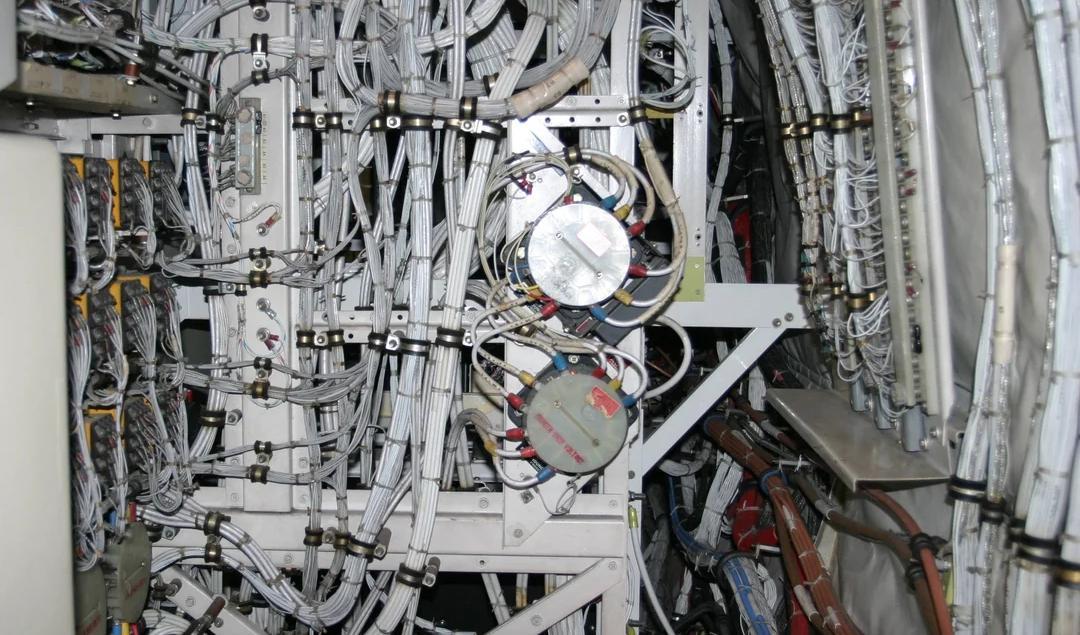
The actual power-on will be a carefully controlled process rather than a dramatic moment when the entire aircraft suddenly comes alive. Engineers will initially rely on external ground power and progressively energize electrical buses and systems while checking wiring, connections, grounding, circuit protection, and equipment for faults. They will monitor for incorrect indications, unexpected breaker trips, abnormal current draw, communication problems, and other issues that could reveal problems within the aircraft’s electrical architecture. The VC-25B also has to support secure presidential communications, military avionics, defensive systems and specialized executive, staff and medical areas, making its electrical requirements far more demanding than those of an ordinary commercial 747. Power-on will not demonstrate that classified defensive equipment or every presidential mission system is fully operational, since many of those capabilities will require extensive subsequent testing. It is instead the point at which engineers can begin proving that the aircraft’s thousands of individual electrical components work together as intended.

A long road from the factory floor to the White House
After power-on, the first aircraft still faces factory functional testing, redundancy and failure testing, pressurization checks, interior and mission-system integration, APU and engine operation, ground testing and taxi trials before first flight. The aircraft must eventually demonstrate that its electrical distribution, avionics, flight controls, hydraulics, fuel, environmental-control, communications and other systems operate correctly, both independently and together. The four GEnx engines will eventually be run, while the two auxiliary power units will allow engineers to evaluate the aircraft’s ability to generate its own electrical, pneumatic, and hydraulic power.

Flight testing in 2027 will then progressively expand the aircraft’s operating envelope while examining its handling, propulsion, pressurization, avionics, and specialized military systems. The Air Force must also establish military airworthiness and mission certification before accepting the aircraft for presidential operations. Even delivery in mid-2028 will therefore not automatically mean that the aircraft immediately becomes the president’s operational transport.

The two VC-25Bs have already traveled a remarkably long road to reach this point. Construction numbers 42416 and 42417 were originally built for Russian carrier Transaero, which went bankrupt before taking delivery, leaving the aircraft in storage in California. They were ferried to San Antonio in spring 2019 and subsequently stripped of their commercial interiors, engines, APUs, and secondary systems before modification formally began on February 25, 2020.

The work has involved extensive structural changes, including cutting out large areas of skin and structure in the forward and aft lower lobes and installing two newly manufactured superpanels. Boeing is now finishing structural work while preparing the first aircraft for its long-awaited electrical awakening. If the power-on proceeds successfully, the VC-25B will have cleared an important technical hurdle, but its journey toward becoming the next Air Force One will still have several major milestones ahead.