SpaceX has quietly become one of the most visible institutional users of Tesla’s Cybertruck, with growing evidence that the electric pickup is being absorbed into the company’s operational fleet as Tesla struggles to place it elsewhere at scale. Multiple reports over recent months have outlined the scope of that shift. Coverage from EV-focused outlets and local Texas reporting indicates that SpaceX has purchased more than 1,000 Cybertrucks, with internal expectations that the number could eventually approach 2,000 units. The timing of those purchases has attracted attention, arriving as Tesla faces slowing Cybertruck demand and a widening gap between planned production and actual sales.

A fleet, not a stunt
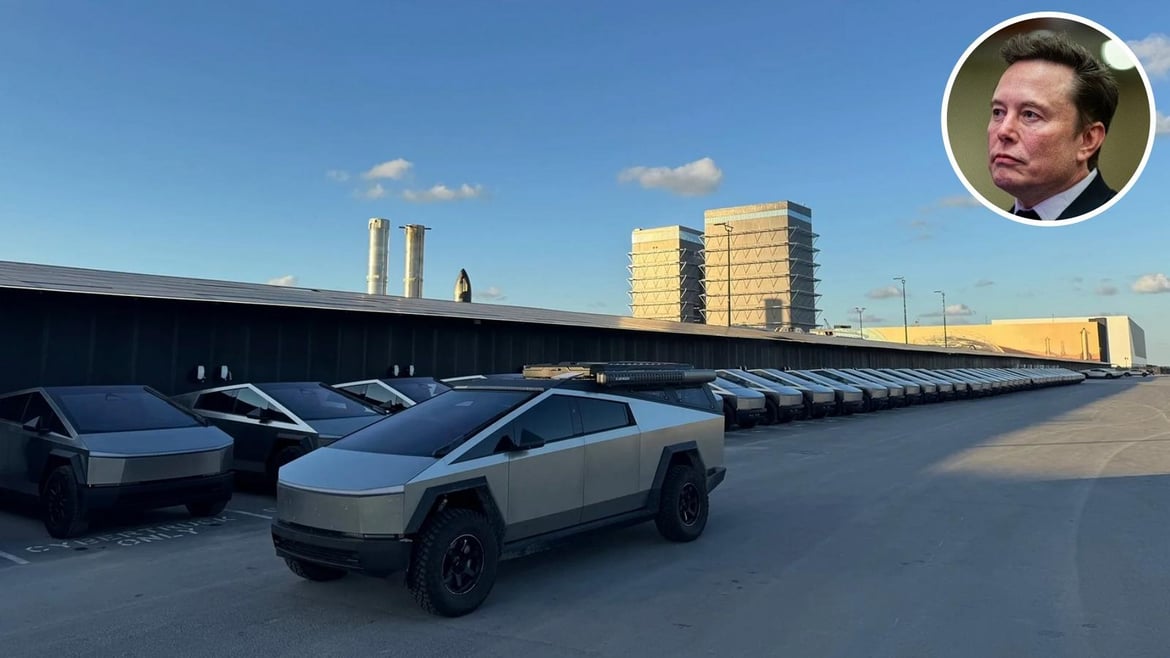
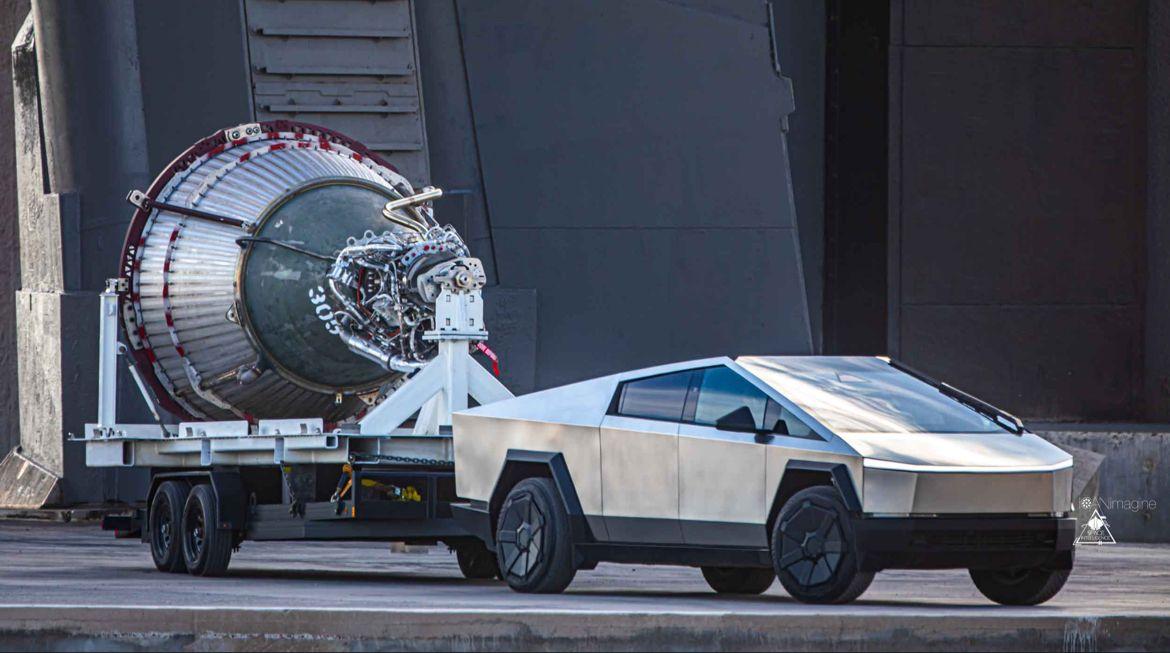
From there, the picture on the ground becomes clearer. In South Texas, Cybertrucks are already visible in large numbers inside SpaceX facilities. Local reporting describes truckloads arriving at Starbase for fleet and service duty, with photos and videos showing hundreds parked together, easily the largest real-world concentration of Cybertrucks anywhere. They are not simply stored. Cybertrucks have been observed in daily operations around the site, including accompanying the upper-stage Starship as it moves from production areas toward the launch tower.

SpaceX’s internal framing of the purchase has been practical rather than symbolic. A Tesla Cybertruck program lead has described the effort as part of a broader move to replace internal combustion support fleets across both Tesla and SpaceX. At a site like Starbase, that logic holds. The facility relies on short, repetitive trips across secured roads, a duty cycle that suits electric vehicles well. Light to medium towing, hauling tools and equipment, and powering devices via vehicle-to-load capability all align with how the trucks are being used.

Standardization also plays a role. Running a single vehicle platform simplifies maintenance, training, and fleet management across a fast-growing operation. In that context, the Cybertruck’s unconventional design becomes less relevant than its ability to perform predictable, repeatable work inside a controlled environment.

The demand gap Tesla can’t ignore
Still, the operational case does not exist in a vacuum. Tesla originally built Cybertruck production capacity widely described at around 250,000 units per year, with Elon Musk publicly floating demand figures as high as 500,000 annually. Actual sales have landed far below that level. Based on registration-derived tracking and EV sales reporting, Cybertruck volume is generally discussed in the tens of thousands per year rather than the hundreds of thousands once promised.

The gap widened after the early hype phase faded. Tesla highlighted more than one million reservations ahead of production, but multiple estimates suggest that only a small fraction converted into firm orders once pricing, specifications, and real-world compromises became clear. Higher-than-expected prices, range realities, missing prototype-era features, and a series of recalls combined to cool enthusiasm beyond early adopters.
That context is what makes SpaceX’s role notable. At current pricing, even a conservative estimate places the value of more than 1,000 Cybertrucks at roughly $80 million, with higher trims pushing the total well into nine-figure territory if purchases approach 2,000 units, as reported by Electrek. Those deliveries help move inventory, but they do not change the underlying demand picture outside Musk’s corporate ecosystem.
@Cybertruck headed off to Mars from Giga Texas? It sure looks like it, with @SpaceX purchasing many of these to replace their gas & Diesel trucks at Starbase, the Bastrop, TX Starlink factory, their operations at Roberts Road at Kennedy Space Center, their testing site at… pic.twitter.com/YillvUvQJw
— Joe Tegtmeyer 🚀 🤠🛸😎 (@JoeTegtmeyer) October 8, 2025
There are secondary factors that make the arrangement more attractive than it might appear at first glance. Fleet purchases can be structured to take advantage of tax treatment, and Tesla itself promotes the Cybertruck’s eligibility under Section 179. Keeping a large portion of the fleet on private property also limits public exposure, reducing consumer-facing complaints and viral incidents while the vehicle continues to mature.

For now, the Cybertruck has found a practical role inside SpaceX’s operations, where its size, power, and electric architecture fit a narrow but useful niche. What remains unresolved is whether that niche can ever expand beyond secured facilities and internal fleets, or whether the Cybertruck’s most reliable customers will remain the companies that already share its creator.