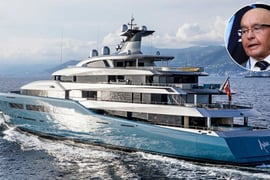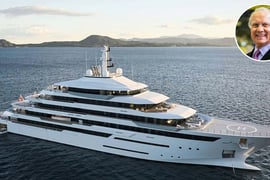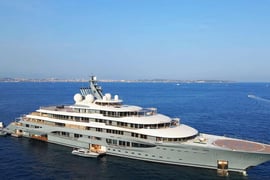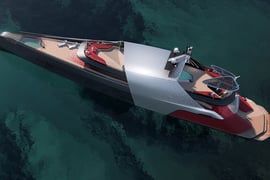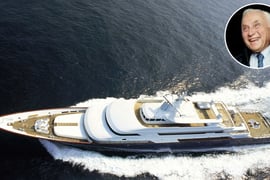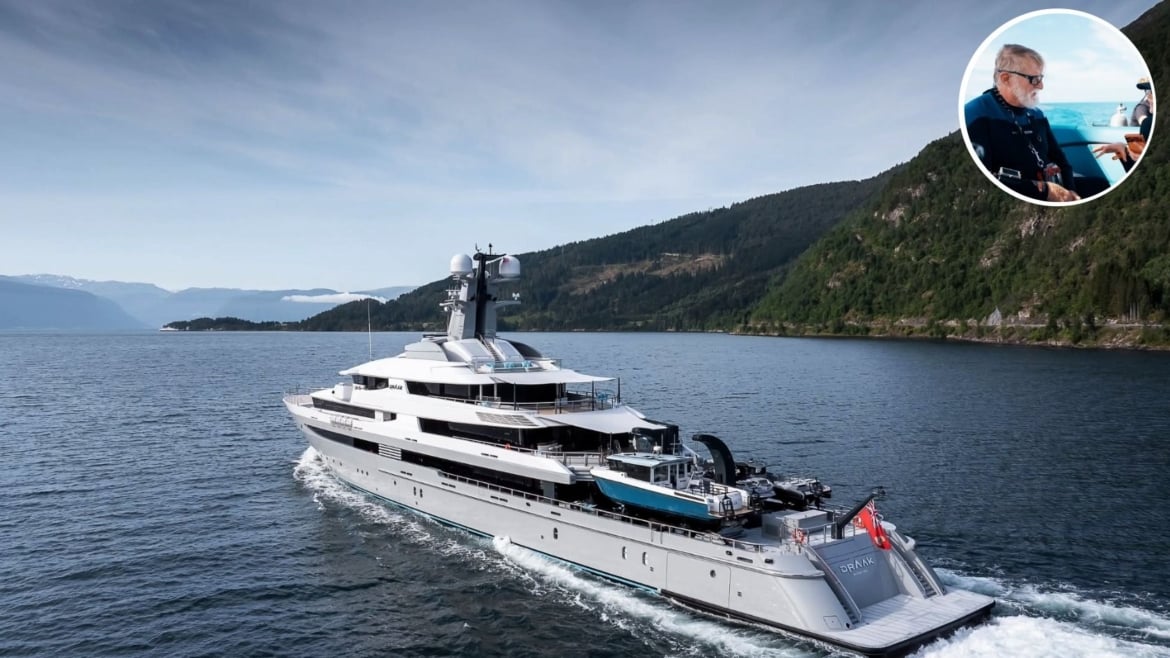
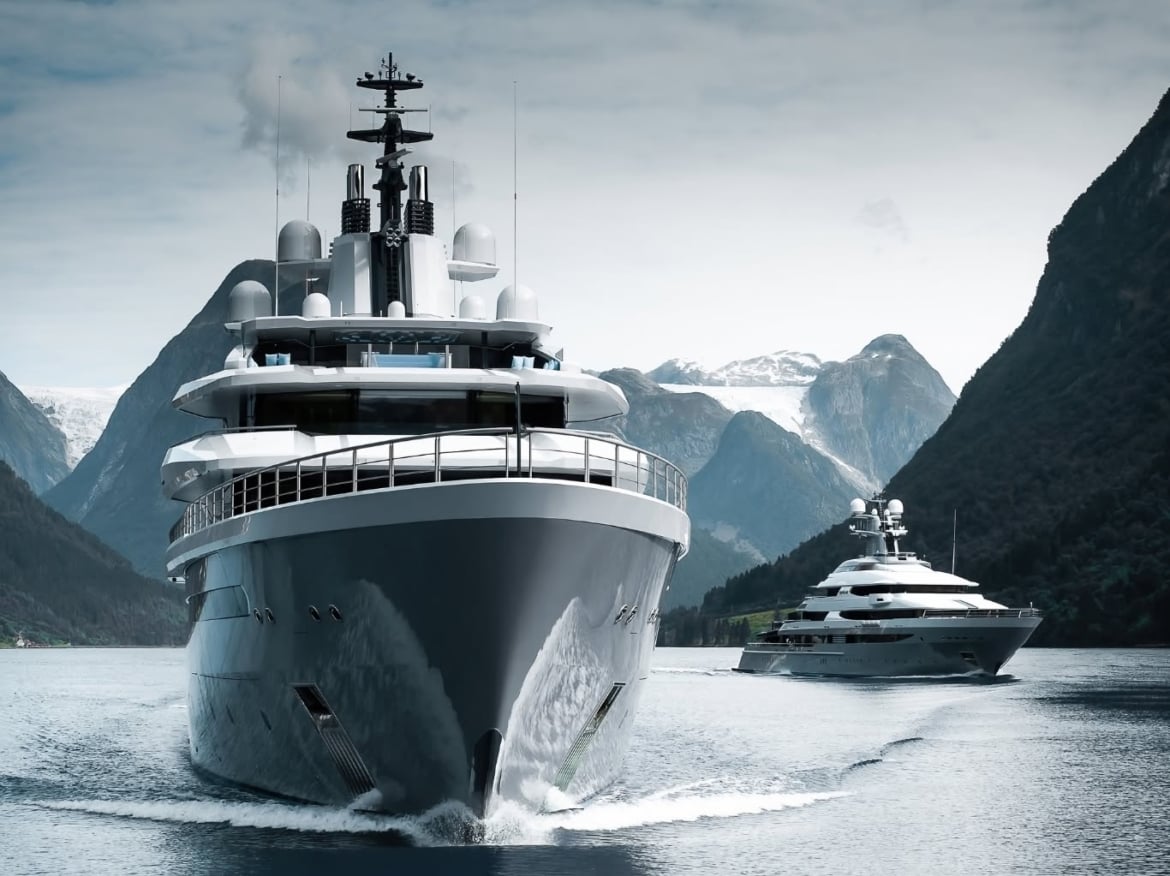
American gaming billionaire Gabe Newell’s 305-foot superyacht Draak is preparing to make an appearance in Florida, but the vessel arriving at the Fort Lauderdale International Boat Show will be rather different from the luxury yacht that first left the shipyard more than a decade ago. Once designed primarily around the comforts of life at sea, the vessel has been transformed into a highly capable expedition support yacht equipped to assist scientific research, marine exploration, and demanding diving operations.

Among the most striking changes is the disappearance of its former beach club and spa, which have given way to a dedicated dive center complete with a medical treatment room and a six-person decompression chamber. The transformation reflects a different vision of what a superyacht can accomplish when its owner wants to explore the world’s more remote marine environments rather than simply cruise between glamorous destinations.

Originally delivered by Oceanco in 2014 as Equanimity, and subsequently known as Tranquility, Draak underwent an extensive rebuild at Oceanco’s Life Cycle Support facilities in Zwijndrecht, the Netherlands. The project reimagined the 2,894-gross-ton yacht as a companion vessel to Newell’s expedition yacht Leviathan, supporting the marine research activities of Inkfish, an organization that provides researchers with access to remote environments and specialized technology aboard the owner’s fleet. Oceanco is now preparing to present Draak at the Fort Lauderdale International Boat Show, which runs from October 28 to November 1, 2026, offering visitors a closer look at how an established superyacht can be adapted for an entirely different mission.

From a luxury retreat to an expedition workhorse
The conversion of Draak’s former beach club and spa into a diving facility is arguably the most remarkable part of the rebuild, particularly because the new space does considerably more than provide somewhere for divers to prepare before entering the water. Its six-person decompression chamber can recreate controlled pressure conditions while occupants remain dry aboard the yacht, allowing it to support planned decompression procedures and certain forms of emergency recompression treatment.
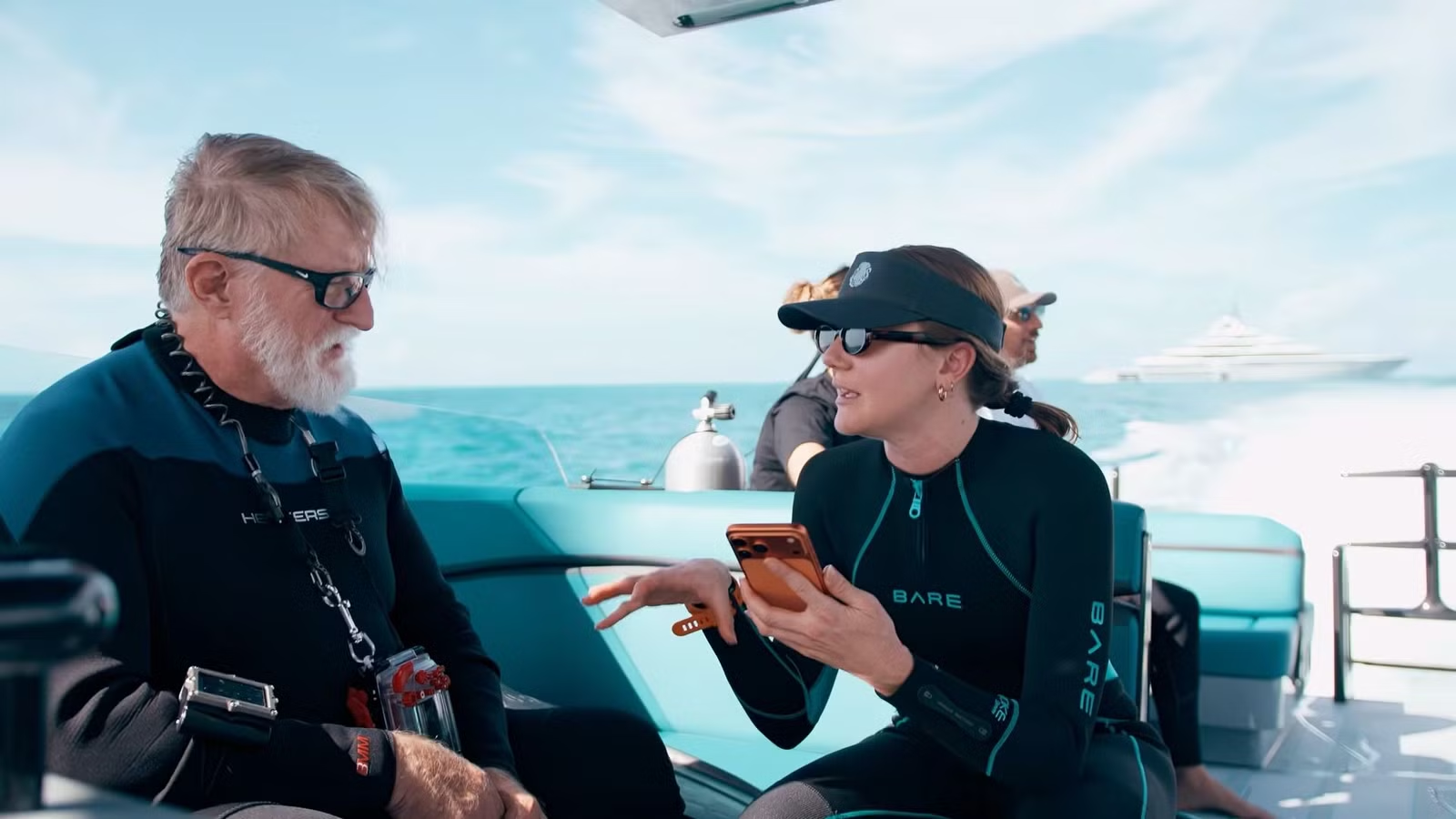
During deep dives, changes in pressure affect how gases dissolve into the body’s tissues, and returning to normal atmospheric pressure too quickly can cause bubbles to form, potentially leading to decompression sickness, commonly known as the bends. Recompression treatment can help manage this potentially life-threatening condition, although successful treatment depends on appropriate medical oversight, trained personnel, and established procedures.
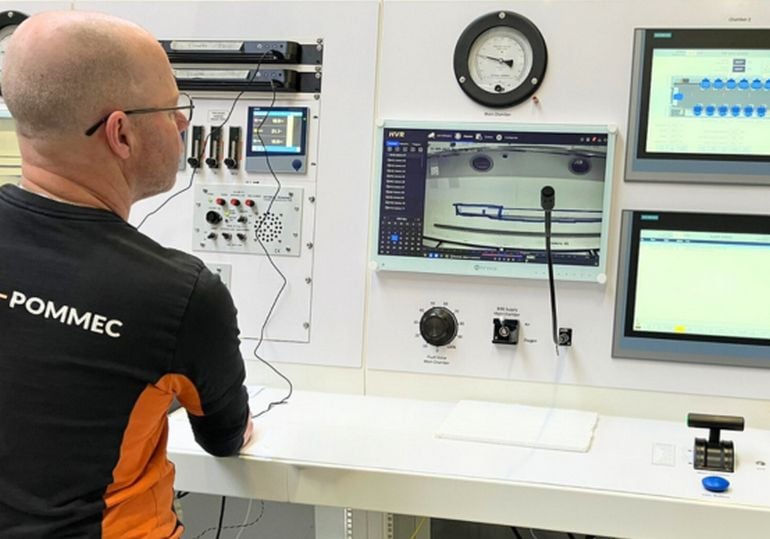
Developed with specialist manufacturer Hytech-Pommec, Draak’s chamber supports both oxygen and Heliox, a mixture of helium and oxygen, through an integrated Built-In Breathing System. This gives the vessel greater flexibility for certain diving procedures than an oxygen-only installation, although Oceanco has not publicly specified the chamber’s maximum supported diving depth or the treatment schedules it will use.
Installing the equipment was an engineering challenge in its own right, as the team wanted to avoid cutting a new opening into the yacht’s structure. Instead, the chamber was customized around the dimensions of the existing access route, with its height reduced and its windows, pipework and other components repositioned before a dedicated rail system was used to move it into place with only millimeters of clearance. The installation also received customized seating, upholstery, controls and an entertainment system, recognizing that occupants may need to spend several hours inside during certain procedures.

The wider rebuild extended well beyond the diving facilities. Oceanco removed the helideck at the upper deck aft to create a dedicated tender operations area, installing a 12.6-ton Van Driel jib crane with an 11-meter outreach and a custom C-davit system featuring twin 6.7-ton units. The yacht can accommodate a specialized fleet of tenders, including its dive boat Scylla, a RIB tender named Minotaur, a Nautique Paragon sports tender and two Ribeye SOLAS rescue tenders.

Its swim platform was extended to incorporate a boarding platform and retractable fender system, while both main engines, the generator sets and the emergency generator underwent major overhauls. New navigation and communications equipment was installed, and replacing the audiovisual and IT infrastructure required more than 18 kilometers (more than 11 miles) of new cabling to be routed through existing pathways.