Porsche, a name long associated with precision, performance, and profit, has sent a jolt through its workforce and the wider auto industry by admitting that its business model is no longer sustainable. In a message first leaked internally and now confirmed by multiple outlets, CEO Oliver Blume addressed employees with a rare level of bluntness. The model that had carried Porsche through decades of record profits and expanding global reach, he said, no longer works in its current form.

The admission arrives at a time when Porsche should, by some accounts, be celebrating. Its North American division just posted its best-ever half-year sales numbers. Deliveries jumped over 11%, with nearly 39,000 vehicles sold in six months. Yet this surge in one market barely covers the growing cracks elsewhere. In China, Porsche’s largest growth engine for the past decade, sales have cratered. In the first half of 2025, the brand suffered a 42% year-on-year drop. With Chinese automakers flooding their market with cheaper and tech-savvier EVs, Porsche is finding it increasingly difficult to compete at the price points and pace the local market now demands.

The deeper issue, however, lies in Porsche’s electrification strategy and how quickly it has had to adjust its rhetoric. In 2022, Blume confidently declared that more than 80% of new Porsche vehicles would be electric by 2030. That goal has now been recast in softer terms. Today, the company says it could hit that target — if customers want it. That conditional language marks a sharp turn away from ambition-driven strategy to a reactive, market-led approach. It also reflects the growing uncertainty around global EV demand, especially for high-end performance models with premium price tags.

Profitability, once Porsche’s strongest bragging right, is now under serious strain. The company’s historical margins of 12 to 15% have shrunk to between 6.5 and 8% this year. Contributing to that decline are rising tariffs, especially the 27.5% import duties imposed by the US, which hurt more, given that Porsche has no manufacturing plant in North America.

Meanwhile, the company’s EV rollout has not yielded the payoff it had banked on. Taycan sales plummeted 49% in 2024 and continued to fall in 2025, as pointed out by Motor1. While the new Macan EV is gaining traction in North America, the global appetite for expensive electric performance vehicles has proven far more volatile than expected.

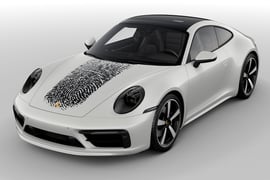
Another blow to Porsche’s traditional strengths is the weakening of its ultra-profitable customization business. From color-matched key fobs to leather-wrapped air vents and one-off Sonderwunsch models, these options once generated immense profit margins. But in an era of rising costs, tighter consumer spending, and global price wars, these indulgences are increasingly out of step with economic reality.

Perhaps most telling is Porsche’s decision to hybridize rather than electrify its most iconic model. The 911 Carrera GTS Hybrid, launched in 2024, is a calculated move. It signals Porsche’s recognition that even its crown jewel may not be ready to go fully electric. It also reinforces that the future of Porsche will be more cautious, more flexible, and far less certain than once imagined.
What emerges is a portrait of a company amid a profound reckoning. Porsche is not collapsing, but it is pivoting hard, trading confidence for caution. In a world reshaped by trade barriers, unpredictable demand, and shifting consumer priorities, even a brand as storied as Porsche is being forced to rethink the very foundations of its success.