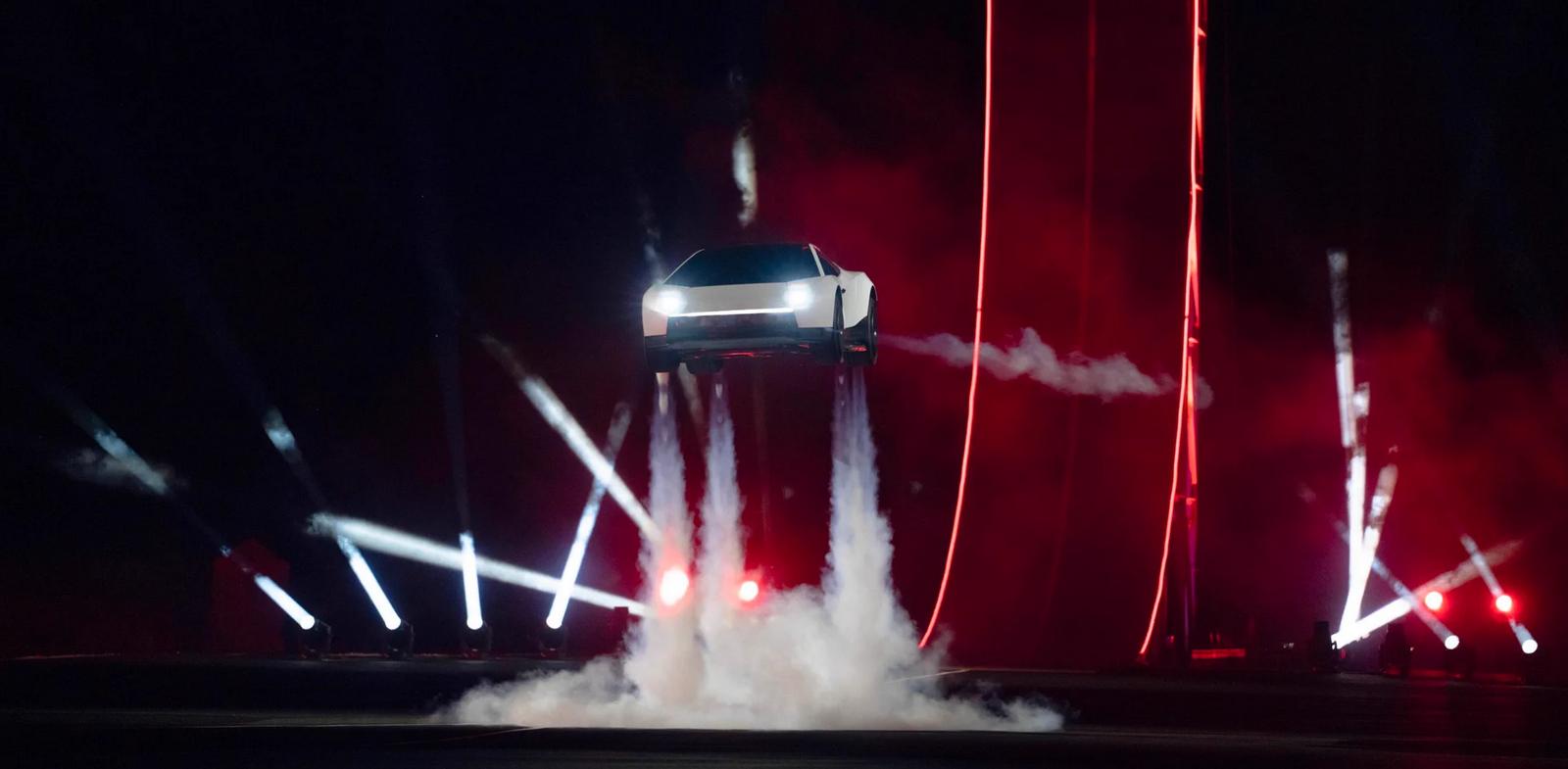
The idea of a car that can launch itself into the air sounds like something ripped straight out of a science fiction movie, but Tesla wants to make it a reality with its next-generation Roadster. The electric supercar is being developed with SpaceX-inspired cold-gas thrusters that promise to take performance far beyond what conventional tires and electric motors can deliver. Yet making a car fly, even briefly, is about much more than strapping rocket technology to a powerful electric vehicle, as the system must manage enormous pressures, precisely controlled thrust, changing vehicle weight, and the risks of directing powerful gas jets near the ground. There is also the rather inconvenient question of what happens when the gas runs out, with refilling the system potentially taking hours rather than the minutes drivers are accustomed to spending at a charging station.
Tesla engineering vice president Lars Moravy revealed details of the extraordinary machinery in an interview with Hagerty, explaining how the Roadster’s electric powertrain, active aerodynamics, and cold-gas propulsion fit together. The conversation offered a closer look at the engineering decisions behind the car, including the hardware borrowed from Tesla’s Optimus robotics program and the pressure vessels designed to supply its thrusters.
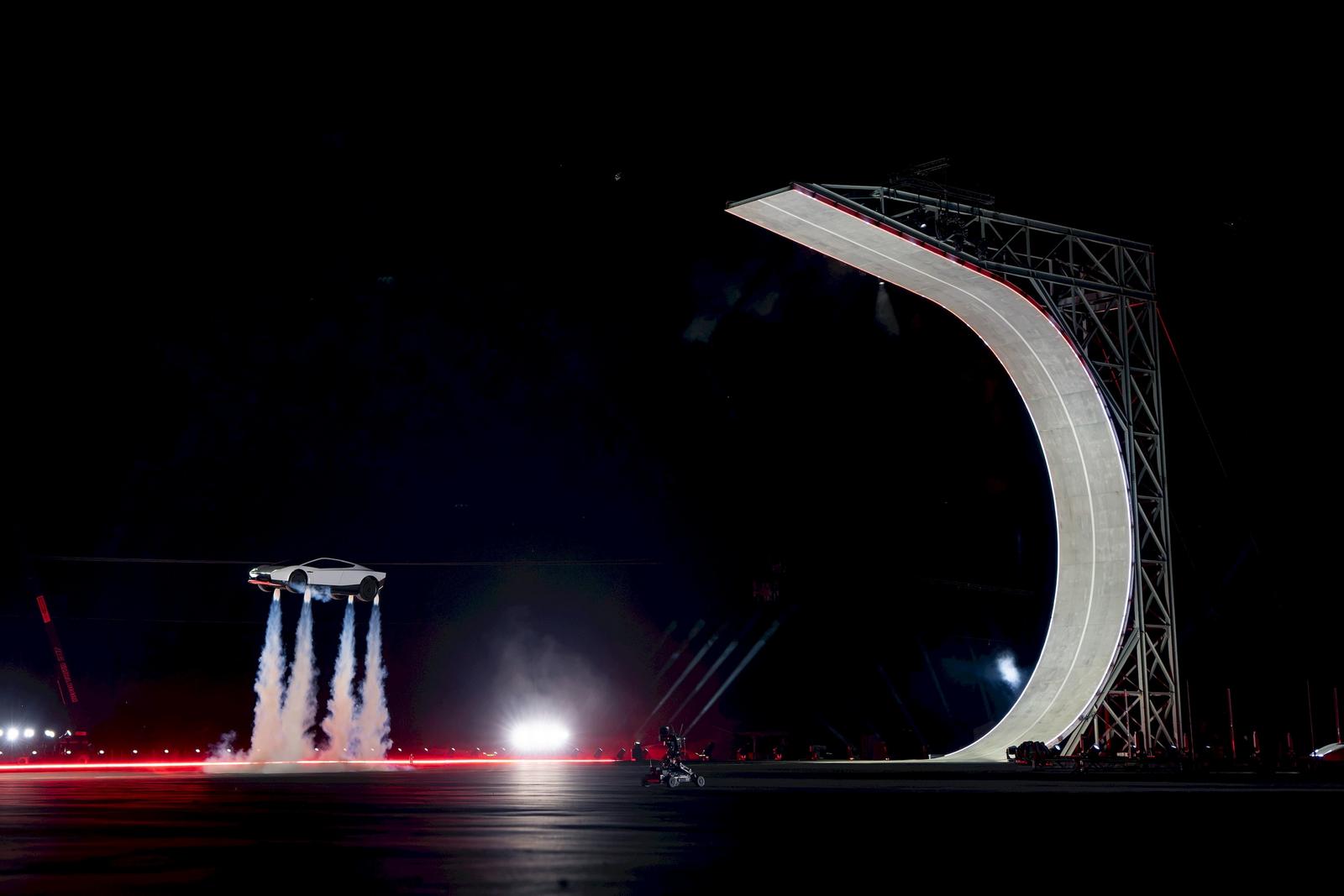
It also revealed why the most extreme version is a very different proposition from an ordinary electric sports car, with compromises involving passenger space, refilling equipment, and where the technology can actually be used. While Tesla’s demonstrations promise astonishing performance, the engineering challenges behind them are considerably less straightforward.

The Roadster has three very different personalities
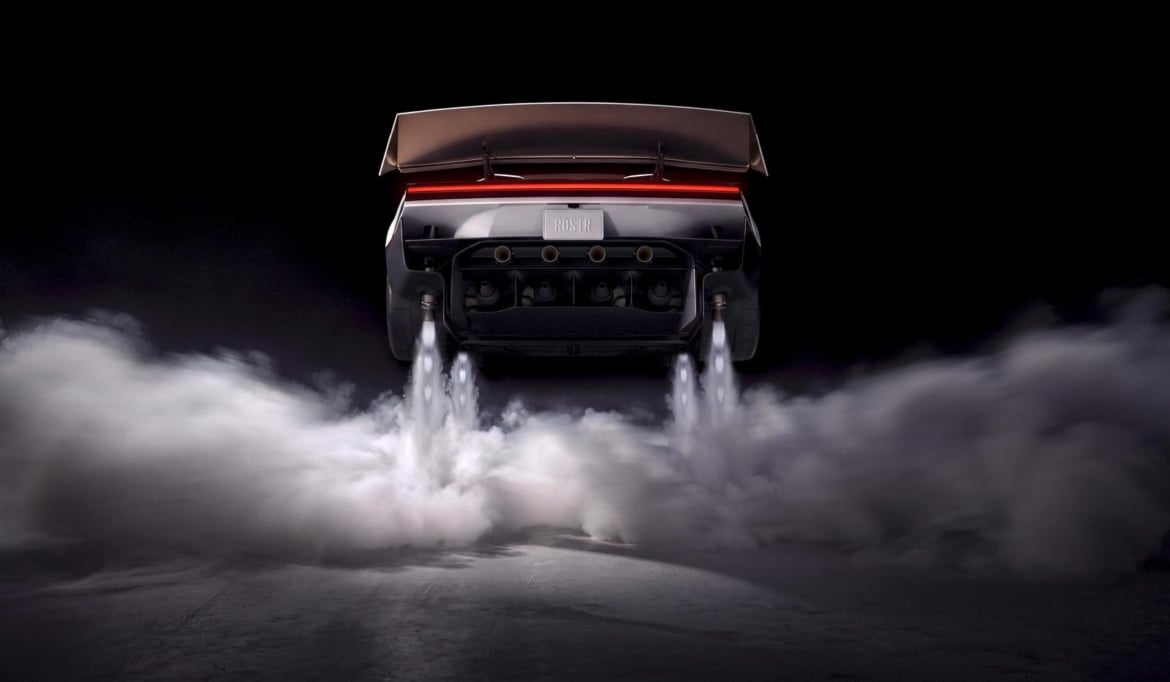
The first thing to understand is that Tesla’s Performance, Thrust, and Rocket configurations are not interchangeable. The Performance model relies on electric propulsion, active aerodynamics, and underbody suction fans, while the Thrust version adds four rear-facing cold-gas thrusters supplied by a 200-liter pressure vessel. That tank takes up luggage space, although the car retains its two seats, making this version the more conventional proposition of the two thruster-equipped models. The Rocket configuration goes further with ten thrusters and approximately 600 liters of total tank capacity, including an additional 400-liter vessel occupying the passenger-seat area. The result is a single-seater that Tesla lists as not approved for public road use, illustrating how quickly the pursuit of extraordinary performance can change the character of the car.

nitrogen tank feeds four rear thrusters, delivering roughly five seconds of boost before a refill that currently takes two to six hours. The propulsion system itself presents a challenge because it must work alongside the electric drivetrain. The battery drives the motors, whereas the thrusters release highly compressed gas through nozzles to produce additional thrust without relying on the tires for traction.
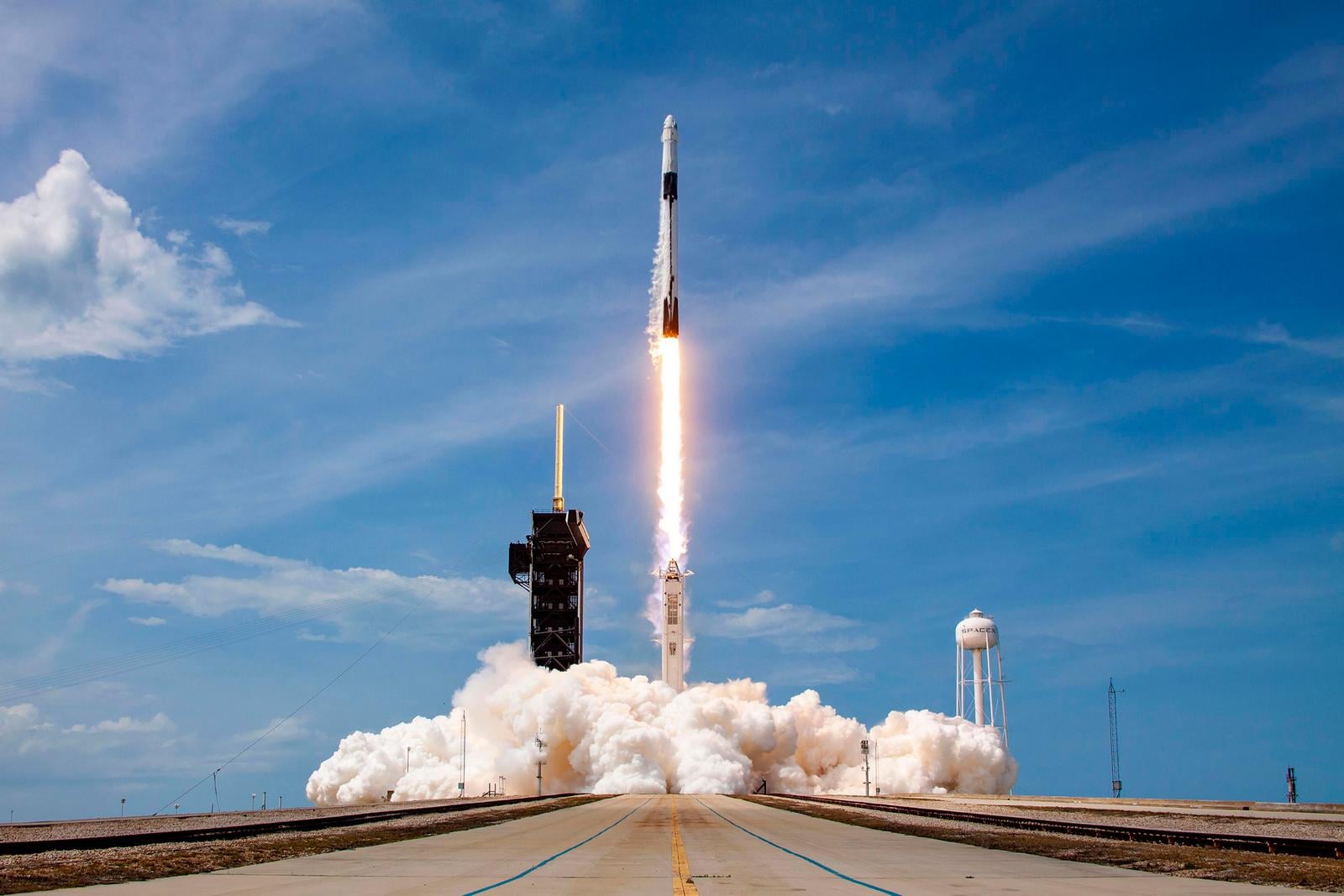
The system uses nitrogen stored at pressures of up to 10,000 psi, or approximately 690 bar, and the Rocket configuration reportedly carries around 250 kilograms of gas. That is before accounting for the weight of the pressure vessels, valves, pipes, and associated hardware, all of which must be accommodated in a vehicle designed for high performance. As the gas is expelled, the car’s mass changes, requiring its control systems to account for a vehicle that becomes lighter as the thrusters are used.

Keeping the car pointed in the right direction
Producing thrust is one problem, but ensuring that the car moves in the intended direction is another. Moravy explained the importance of balancing gas delivery to the rear nozzles, with MotorTrend’s technical inspection describing equal-length pipes supplying them. If one side produces more thrust than the other, the car could yaw unexpectedly instead of accelerating straight ahead, which would be particularly concerning during an already violent launch. Tesla uses specialist materials, including titanium and Inconel, in parts of the system, reflecting the demands placed on the plumbing and surrounding hardware. The company must also contend with what happens beneath the car, since powerful jets operating close to the ground could pick up gravel and send debris toward nearby people or vehicles. Tesla has discussed pursuing road-use certification for the Thrust car while restricting use of its thrusters, but that intention should not be mistaken for confirmed approval.

The aerodynamic hardware brings another layer of complexity. The Roadster’s Performance configuration uses four electrically powered suction fans, reportedly rated at approximately 20 kW each, to draw air from beneath the car and generate downforce. Deployable skirts help the system work by limiting the amount of air entering beneath the vehicle, while active aerodynamic surfaces provide additional control at higher speeds. The rear wing also uses actuators derived from Tesla’s Optimus humanoid robot, demonstrating how technology developed for robotics has found another application. These systems must work alongside the thrusters without compromising the vehicle’s balance, making the Roadster a much more complicated engineering exercise than its dramatic demonstrations might suggest.

Refilling the flying car could be its biggest headache
The nitrogen supply creates a practical problem that cannot be solved simply by plugging the Roadster into a charger. Reports put refilling the 200-liter Thrust system at approximately 2 to 6 hours, while the larger Rocket configuration has been associated with estimates of around 6 to 7 hours. Tesla reportedly hopes to reduce the process to less than 30 minutes, but that remains a development target rather than a confirmed production capability. An ordinary garage compressor cannot supply nitrogen at the required pressure, and reaching 10,000 psi calls for specialized high-pressure equipment, suitable plumbing, and careful management of the heat generated during compression. Although specialist industrial boosters can reach pressures above this level, Tesla has not explained how owners will access the equipment or whether the car will eventually be capable of replenishing its own supply.

The refill times also raise questions about the difference between the current prototype and Musk’s suggestion that the car could replenish its gas supply without special propellant. Compressing ambient air and extracting nitrogen from the atmosphere are different processes, with the latter requiring additional separation equipment, and Tesla has not established that either approach is ready for production. Nor does a pressure of 10,000 psi inherently mean that refilling must take hours, since other high-pressure vehicle systems demonstrate that faster filling is possible with purpose-built infrastructure. For now, the flying Roadster remains an extraordinary engineering proposition whose success will depend on much more than how quickly it can launch itself into the air. Tesla must also show that its thrusters can be operated safely, maintained over time, and replenished without turning every spectacular burst of performance into a day-long wait.