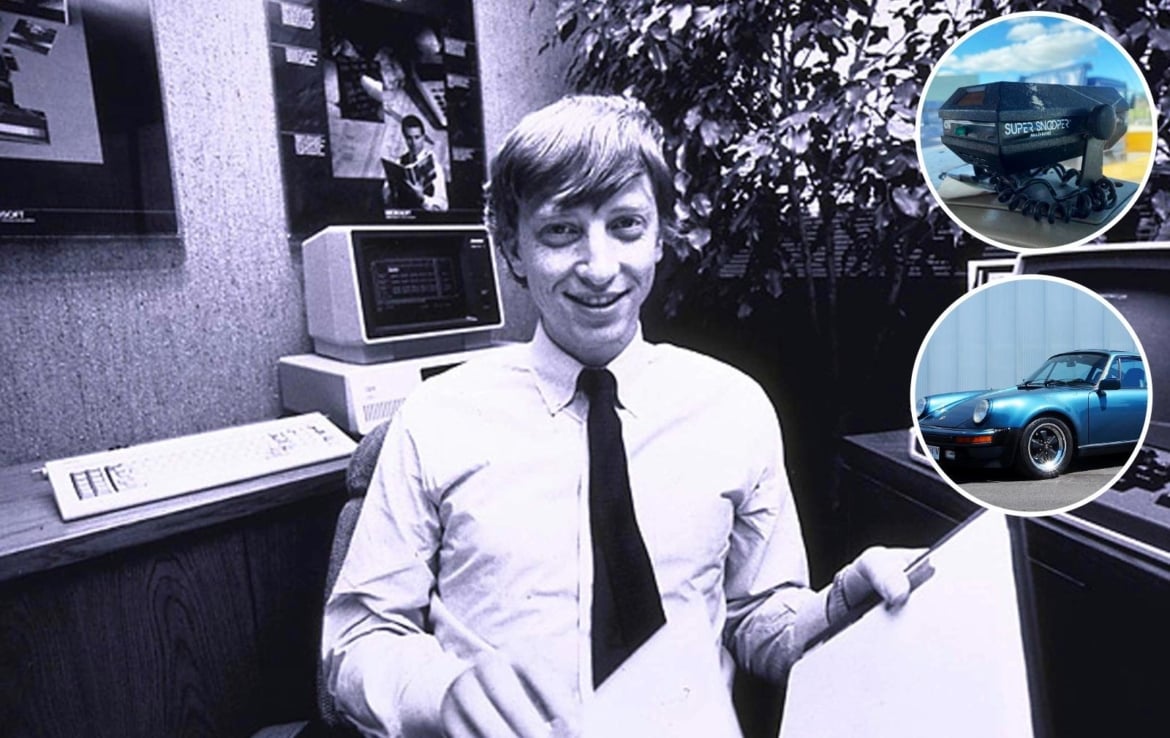
Long before Bill Gates became one of the richest men in the world, he had already developed an expensive and occasionally troublesome obsession with speed. The Microsoft co-founder loved Porsches, drove aggressively, and accumulated enough speeding tickets to make encounters with traffic police a recurring feature of his early years. Even a radar detector could not always keep him out of trouble, and at one point, his driving record became serious enough to threaten his license and reportedly expose him to the possibility of jail time.
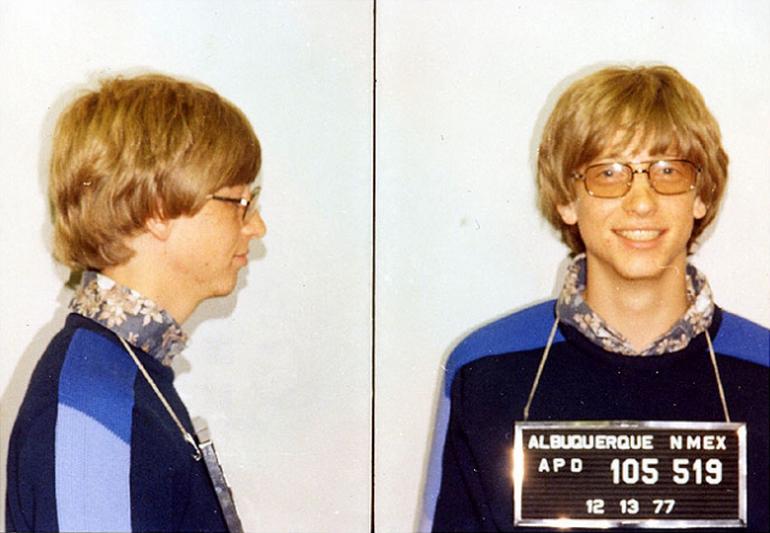
His fascination with fast cars went back to Microsoft’s formative years, when Gates owned a green Porsche 911 and regularly tested the limits of both the car and the law. During Microsoft’s move from Albuquerque to Seattle, he reportedly drove the Porsche at more than 100 mph and was caught multiple times. On at least one occasion, his radar detector proved useless because his speed was being measured from an aircraft overhead. Yet perhaps the most remarkable episode in Gates’s long history of speeding came when he turned a scheduled business meeting with one of Microsoft’s most formidable competitors into an unexpected trip to traffic court.
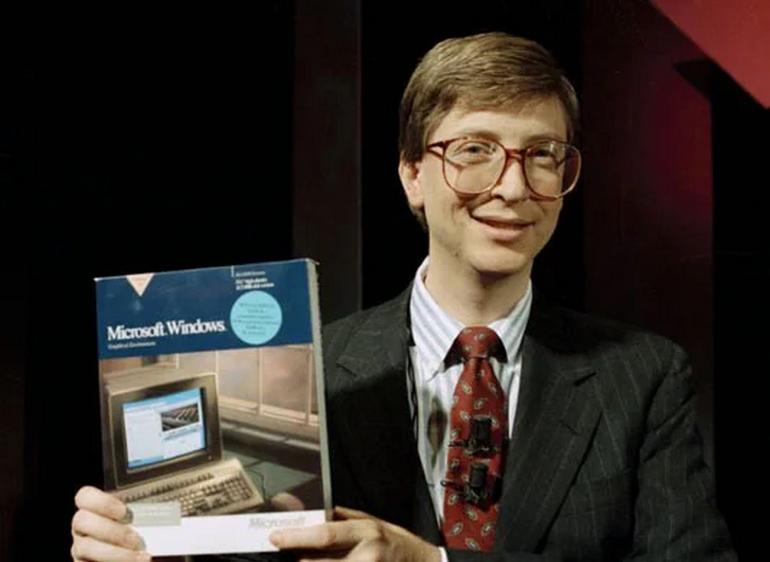
Bill Gates took one of his biggest competitors to traffic court
The extraordinary incident is recounted in Hard Drive: Bill Gates and the Making of the Microsoft Empire, the 1992 book by James Wallace and Jim Erickson. American businessman and software developer Seymour Rubinstein had arrived for what he expected would be a Microsoft business meeting, only for Gates to announce that the meeting was moving to traffic court, where the young software entrepreneur had to answer for his driving record.

Rubinstein was no ordinary visitor. He was the founder of MicroPro and the man behind WordStar, one of the first commercially successful personal-computer applications and the dominant word processor of its era. Rubinstein later claimed that WordStar controlled 72% of the word-processing market going into 1984. Microsoft released Word for MS-DOS on September 29, 1983, putting Gates on a collision course with Rubinstein in one of the personal-computer industry’s most important emerging markets.

Despite being competitors, the two men had a long and surprisingly close relationship. Rubinstein was roughly 21 years older than Gates and had signed an early OEM agreement with Gates and Paul Allen while working at IMSAI. They spoke frequently, met at trade shows, and sometimes sought each other’s advice. On this particular day, however, it was Gates who needed help.

Gates reportedly intended to defend himself with a technical argument. Possessing a radar detector was legal, he reasoned, and he believed that the police officer had treated him unfairly after noticing the device. Rubinstein understood that proving a technical point was unlikely to impress the judge. He advised Gates to apologize, promise to throw away the radar detector, and assure the court that he would stop speeding.

Gates followed his competitor’s advice and avoided the more serious consequences he had been facing. The episode created an extraordinary reversal of their professional positions. Shortly before Microsoft launched Word to challenge the enormously successful WordStar, Gates had taken the man behind his biggest word-processing rival to traffic court and relied on him to help save his driving license.

A sluggish diesel Mercedes could not slow Gates down
Eventually, Gates attempted to impose some mechanical discipline on himself. He bought a sluggish brown Mercedes diesel sedan specifically to restrain his appetite for speed, reportedly regarding the experiment as a test of his mental discipline. The car was effectively a self-imposed hardware speed limiter, an attempt by a man accustomed to solving problems through engineering to control his own behaviour by changing the machine beneath him.

The Mercedes reportedly had no functioning radio, allowing Gates to think without distraction while driving. Yet the experiment failed spectacularly. Fortune reported in 1986 that Gates had bought the diesel Mercedes to curb his speeding habit but continued collecting speeding tickets even in the slower car. The problem, it appeared, had never really been the Porsche.

The Mercedes eventually suffered an engine failure reportedly connected to an oil oversight, and Gates returned to the kind of machinery that better suited his natural instincts, a Porsche capable of approximately 155 mph. The slow diesel had failed to cure his obsession with speed, just as the radar detector had failed to keep him away from traffic court. For Gates, one of the greatest challenges of his early career was apparently not building a software empire, but persuading himself to lift his foot from the accelerator.