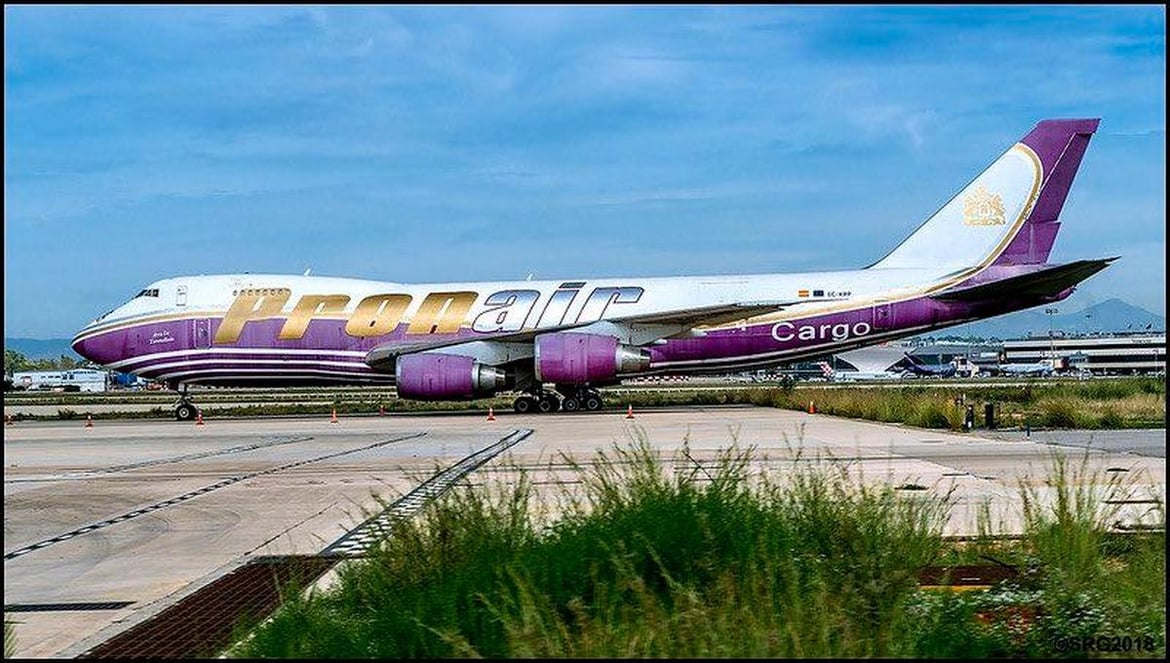
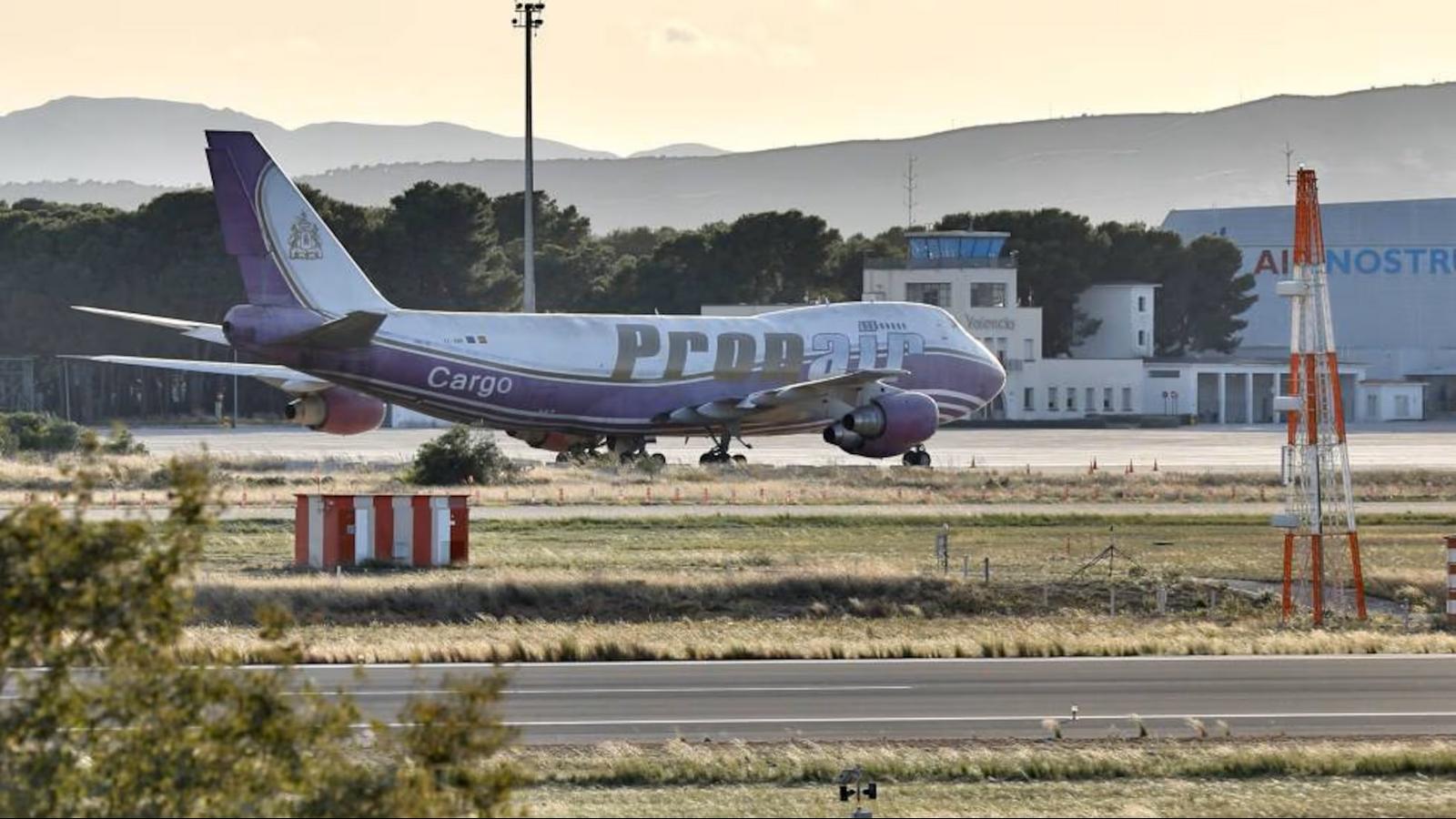
There are few things more conspicuous at an airport than a Boeing 747, especially when it is painted fuchsia, white, and gold. Yet one particular Jumbo has spent years becoming less of an aircraft and more of a landmark, quietly gathering dust while passengers and airport regulars wonder why it is still there. The story behind it involves a failed Spanish airline, a property boom that went bust, mounting debts, disputed ownership claims, and a legal process that has dragged on for years. Now, after nearly two decades on the ground, authorities are preparing yet another attempt to decide what happens to the aircraft.
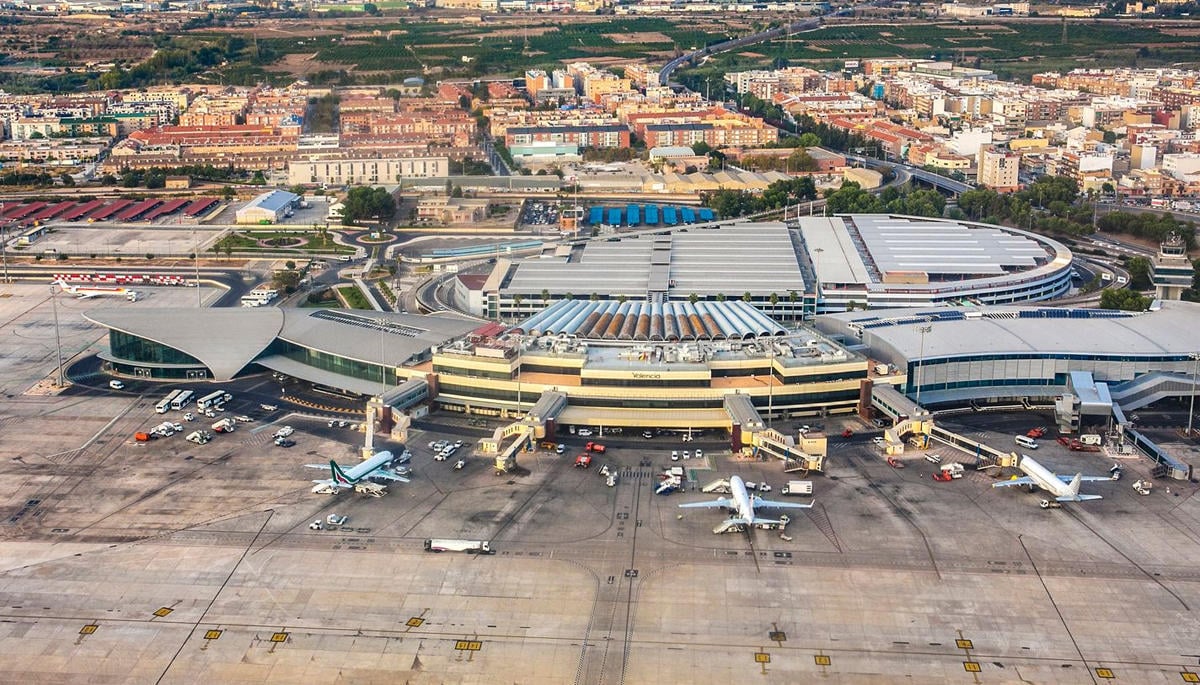
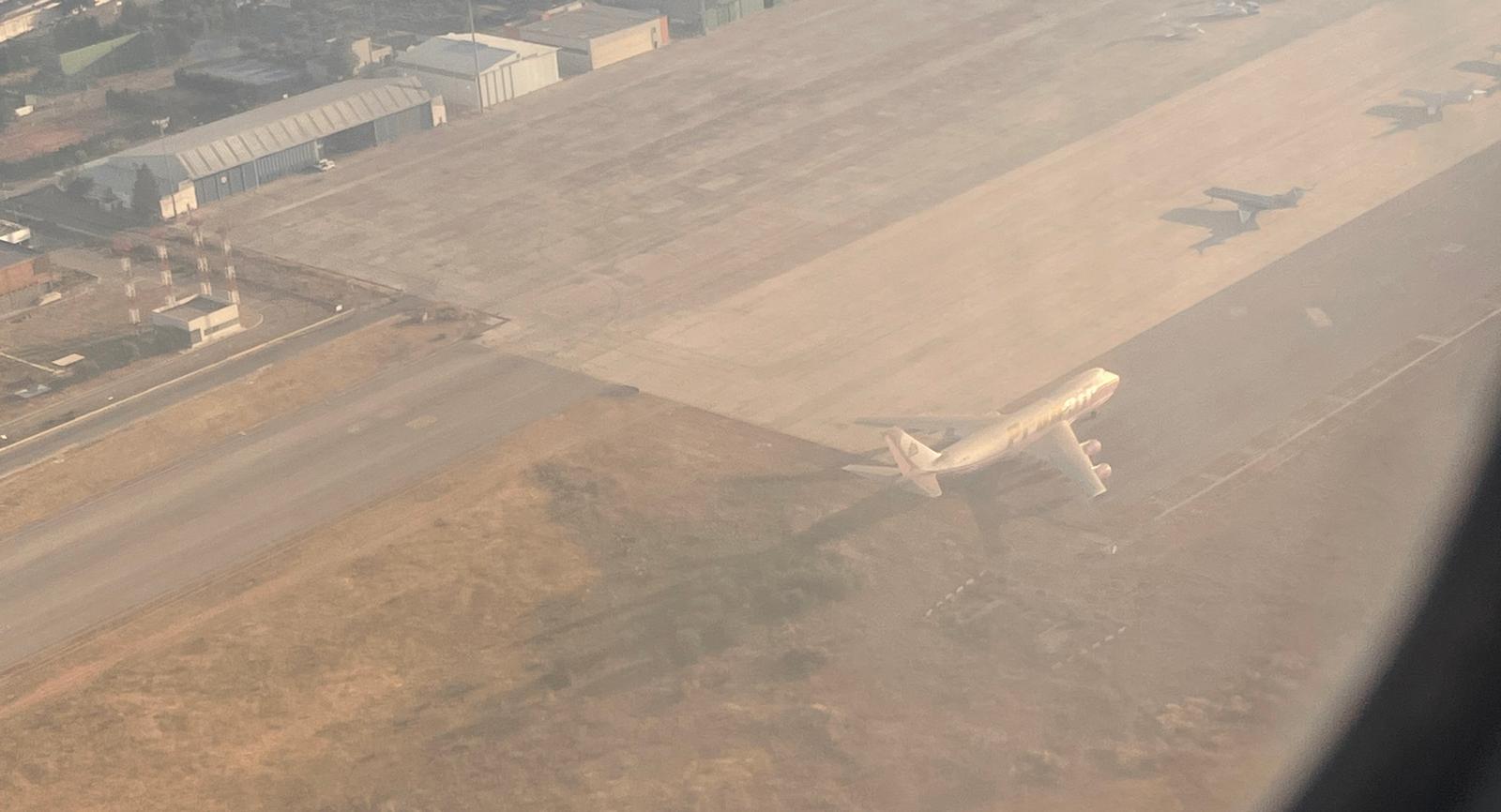
The Boeing 747, registered as EC-KRP, has been sitting idle at Manises Airport in Valencia for almost two decades. It has not performed an operation since December 3, 2008, meaning it had spent 6,483 days grounded by September 3, 2026. Built in July 1974, the aircraft is now 52 years old and is powered by four Pratt & Whitney JT9D engines, with a listed maximum takeoff weight of roughly 343 tons. Its Spanish name, Arca de Torretallada, is far less familiar than the nickname it has acquired locally, the purple plane, as pointed out by El País.
From ambitious airline to abandoned Jumbo
The aircraft was part of Pronair, the aviation venture founded by Isidoro Romero López, a businessman from Yecla, Spain, who had made his fortune in property development and construction before turning his attention to aviation. Pronair was established in 2006 and began flying in 2007 with two McDonnell Douglas MD-87 passenger aircraft before expanding into long-haul cargo with two Boeing 747 freighters. The airline attempted to build freight links between Spain, Germany, China, and other destinations, but its expansion collided almost immediately with the collapse of Spain’s property bubble and the global financial crisis. Rising fuel prices, the enormous cost of operating 747s, mounting debts, and wider financial problems eventually brought Pronair down, with the airline ceasing operations in 2009.

EC-KRP’s final years were hardly straightforward either. Spanish reports indicate that the aircraft was reportedly stranded in Pakistan after an engine problem, later appeared in China and Jakarta for work and repainting, and passed through Germany before returning to Valencia. Once Pronair’s financial problems deepened, the aircraft became entangled in debt enforcement and an embargo, with the Guardia Civil eventually sealing it. Aena, Spain’s airport operator, could not simply tow away a 747 that was caught up in legal proceedings, particularly when questions over ownership remained unresolved.

There were several attempts to break the deadlock. A reported 2013 judicial auction valued the aircraft at around $2.1 million, although no publicly documented removal followed. In 2019, EC-KRP appeared alongside 23 other abandoned aircraft in a formal process at Manises, only for an unidentified claimant to assert ownership in 2021 and have the Jumbo removed from that auction. That history is why describing the aircraft as something nobody ever claimed is misleading. Aena later turned to the formal abandonment procedure, with three notices published in Spain’s Official State Gazette in September, October, and November 2024 warning that the aircraft could be presumed abandoned if no owner appeared within the statutory period.
The purple plane’s strange second life
Aena says the latest process is still administrative, meaning there is no confirmed auction date, reserve price, or final auction prospectus yet. Meanwhile, rumors have swirled that the aircraft has accumulated an astonishing €200 million in parking fees alone, although neither Aena nor any official records appear to substantiate that extraordinary figure. There is also a possibility that the aircraft will not go straight to auction at all. Since a change to Spanish law took effect in October 2025, abandoned aircraft can first be offered to qualifying aviation-related educational, cultural, or nonprofit organizations, provided they receive a favorable Civil Aviation viability report. If nobody eligible takes it, the Jumbo can proceed toward a public auction.
Whatever happens, moving Jumbo will be considerably harder than selling it on paper. A 52-year-old 747 that has spent almost 18 years outdoors may require inspections, specialist towing equipment, partial disassembly, heavy transport, or dismantling. Its future value could therefore lie in its engines and components, metal, training potential, historical significance, or even conversion into a static attraction rather than a return to flight.

That last possibility is particularly interesting because old 747s have found surprisingly creative second lives elsewhere. Retired Jumbos have been repurposed into Instagram-worthy wedding venues, unusual hotel suites, and even underwater reefs for divers, turning an obsolete airliner into something people actively seek out. In that sense, Valencia’s purple 747 is already halfway there, even without being converted into anything. It has become a familiar sight for passengers, airport workers, and people traveling on roads around Manises, with nearby observers regularly asking about the aircraft.
The Jumbo is not sitting on the runway and is not an attraction visitors can simply enter, but its distinctive silhouette has become an unofficial part of the airport landscape. For years, people have watched the purple aircraft remain stubbornly in place while its former airline disappeared and its legal history grew increasingly complicated. After 6,483 days without flying, the most remarkable thing about EC-KRP may no longer be that it is a Boeing 747. It is that a machine designed to cross continents has spent nearly 18 years going nowhere, only to become one of Valencia Airport’s most recognizable landmarks.