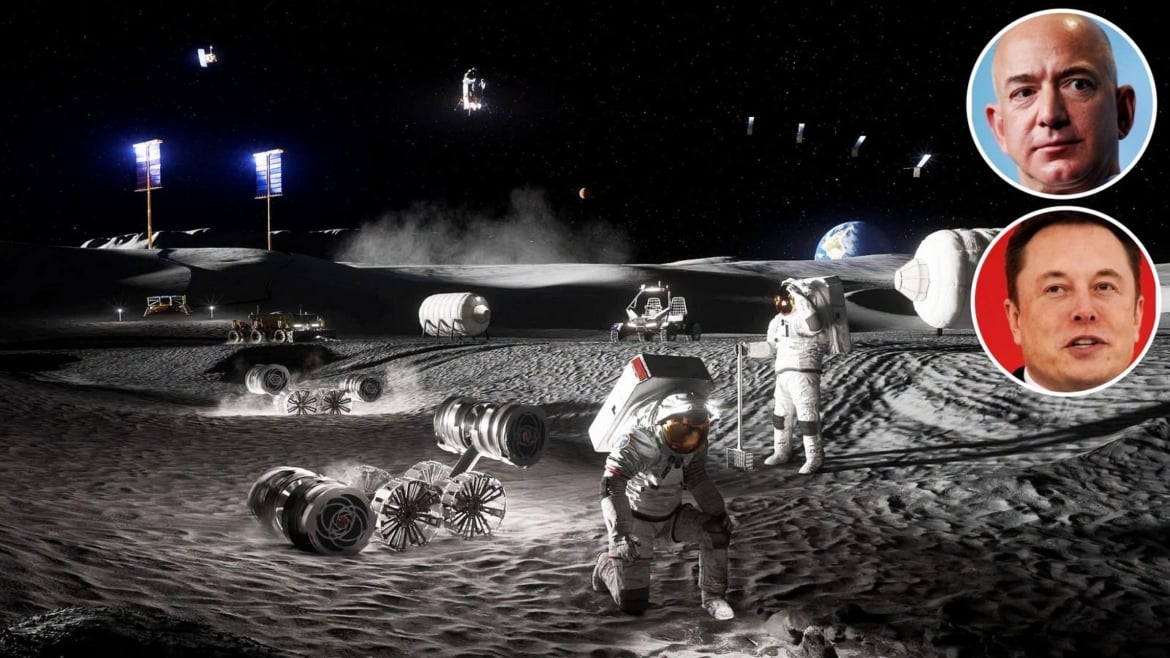
Jeff Bezos and Elon Musk have spent years competing to build rockets, dominate the commercial space industry, and turn their ambitions beyond Earth into reality, but their biggest rivalry may now play out much closer to home. The two billionaires, who have very different ideas about humanity’s future in space, are both becoming important partners in NASA’s plan to establish a permanent presence on the Moon. Bezos’ Blue Origin and Musk’s SpaceX are developing the spacecraft, landing systems, and infrastructure that could make America’s return to the lunar surface possible, turning what was once a government-led space race into a contest involving two of the world’s richest men.
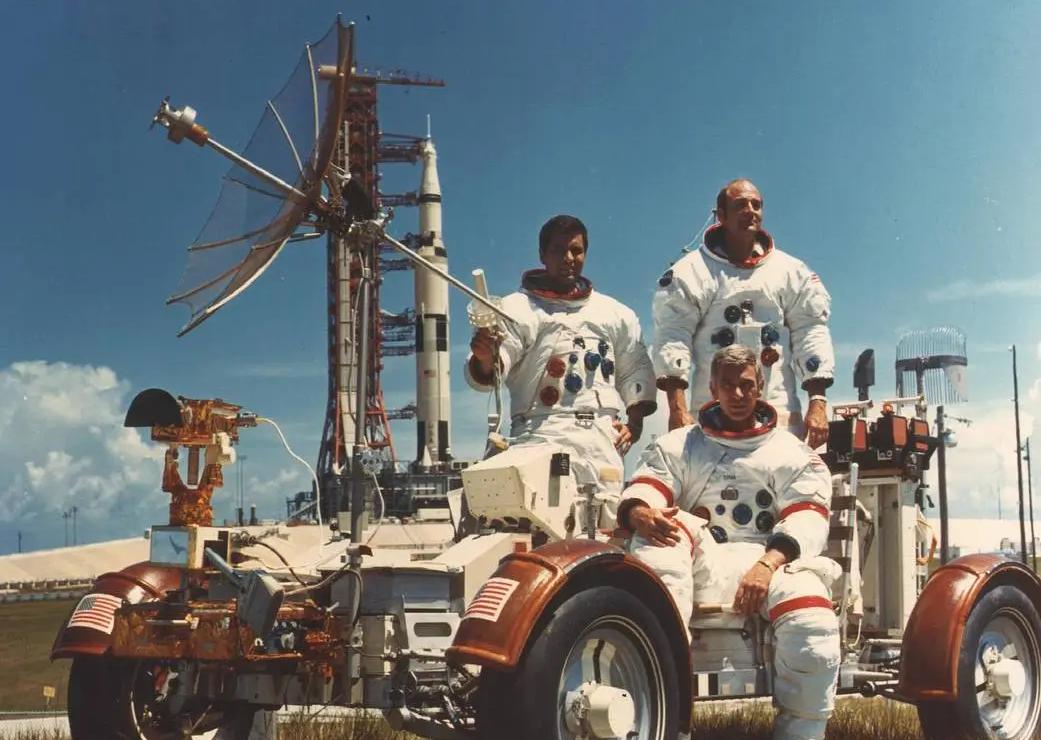
It has been more than 55 years since NASA last landed astronauts on the Moon, with Apollo 17 touching down on December 11, 1972. The agency is now targeting early 2028 for Artemis IV, its next crewed lunar landing, as it moves beyond short visits toward building a lasting outpost near the lunar South Pole. According to Fox Business, NASA has opened a new commercial lunar delivery framework worth up to $10 billion over 10 years, allowing SpaceX, Blue Origin, and six other aerospace companies to compete for missions that will deliver equipment and infrastructure to the Moon. However, the $10 billion represents a potential contracting ceiling rather than money already awarded to the companies.
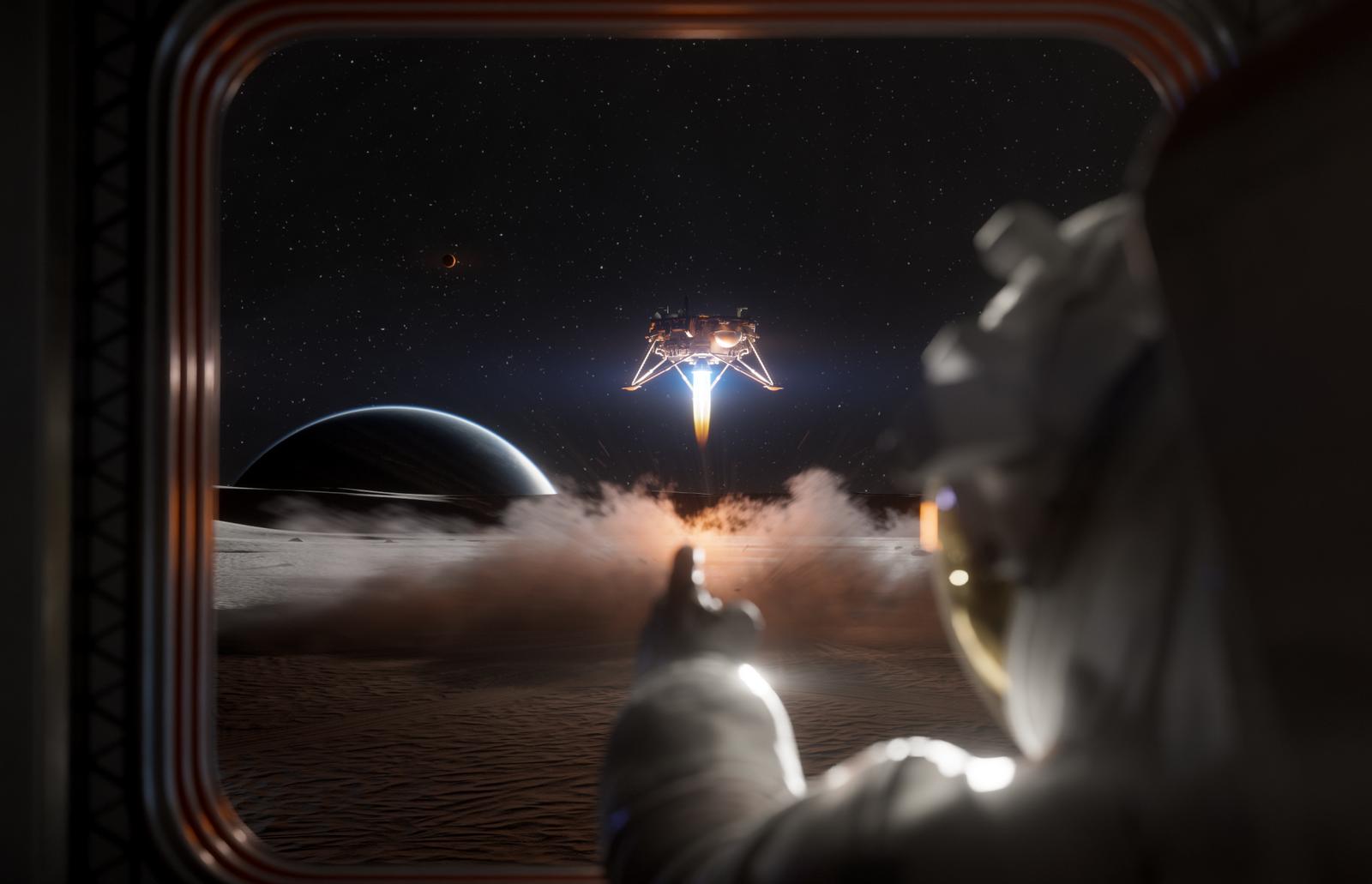

Bezos and Musk are helping build NASA’s Moon Base
NASA Administrator Jared Isaacman wants the next American lunar missions to be about staying rather than simply planting a flag and returning home. “America will never again give up the moon,” Isaacman said when outlining the agency’s broader ambitions. The Moon Base will be developed in stages, beginning with robotic missions carrying rovers, scientific equipment, drones, and experimental power systems before introducing habitats and infrastructure capable of supporting astronauts. The eventual plan includes nuclear power generation, communications networks, and facilities that could allow humans to live and work on the lunar surface for extended periods.
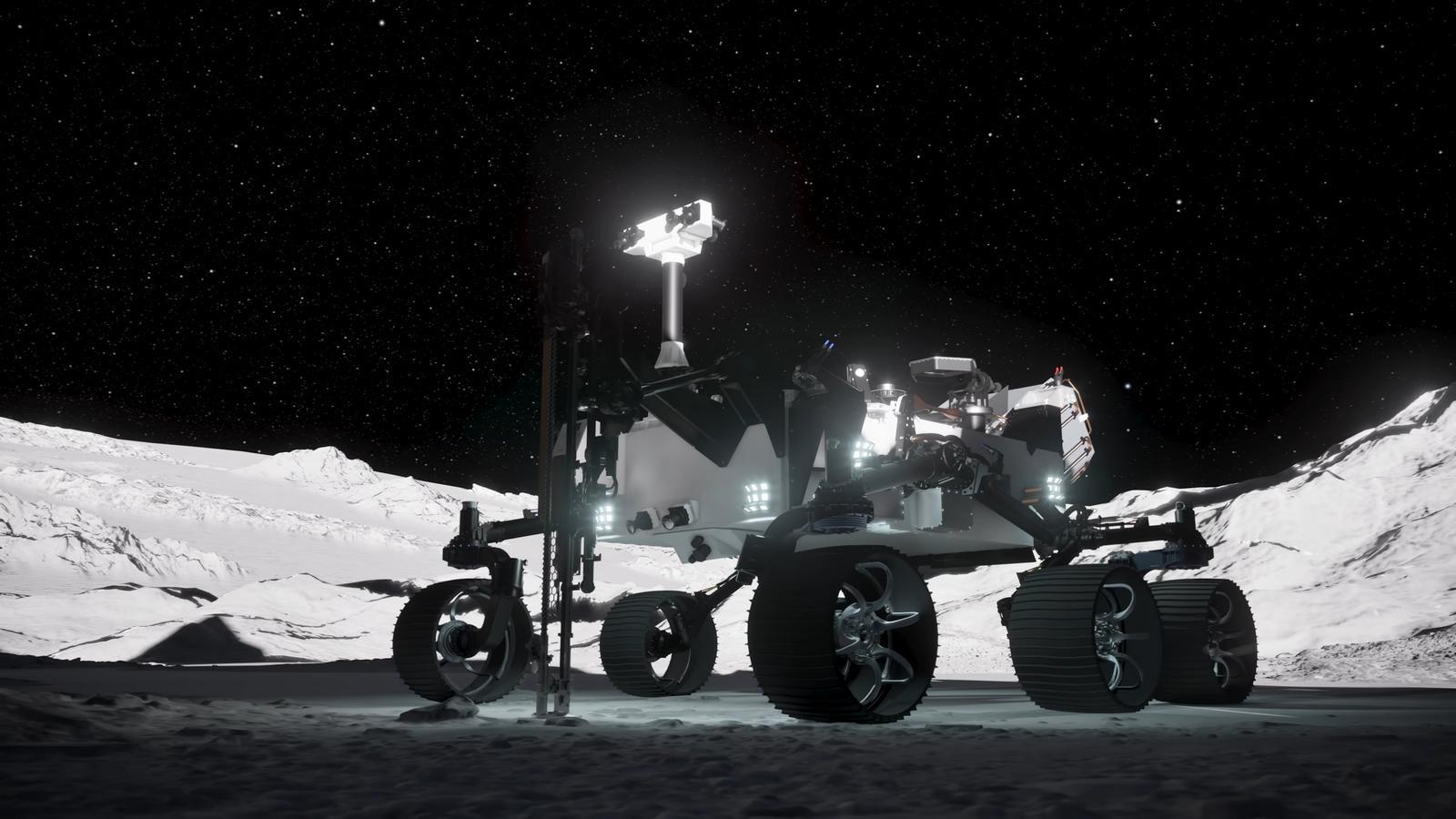
Blue Origin has already secured several important roles in this effort, including a $94 million contract to deliver NASA’s nuclear-powered Promise rover to the lunar South Pole. The agency has also made an additional $140 million available through a performance-based option, potentially bringing the contract’s value to $234 million. The six-wheeled rover, weighing approximately one tonne, will investigate the lunar surface and search for water ice, which could eventually become an important resource for astronauts. NASA’s Jet Propulsion Laboratory will build it using spare flight components and engineering test models from its Curiosity and Perseverance Mars rovers, while Blue Origin will transport it aboard its uncrewed Blue Moon Mark 1 lander, with launch targeted for late 2028.
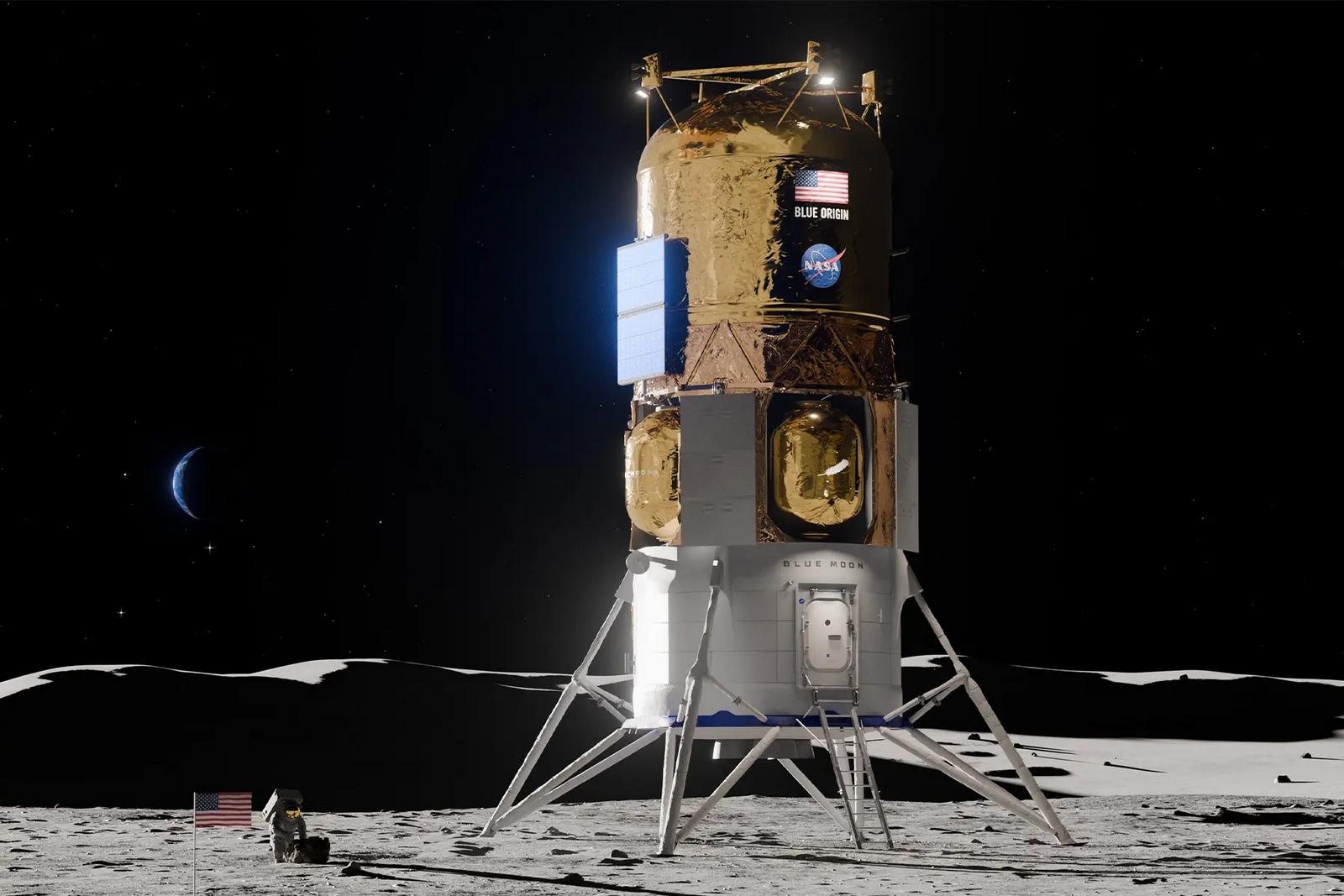
Bezos’ company has another important assignment involving two open-air lunar rovers that astronauts will drive while wearing spacesuits. NASA previously awarded Blue Origin $188 million for their delivery, with another $280.4 million available through an additional option. Its subsidiary Honeybee Robotics is also contributing energy-storage hardware for a planned lunar power and communications tower, which will combine solar energy and wireless power transfer. Blue Origin is developing the larger Blue Moon Mark 2 lander under a separate $3.4 billion NASA contract, giving it a chance to compete for the responsibility of carrying astronauts to the lunar surface.
SpaceX has an even bigger role in landing astronauts
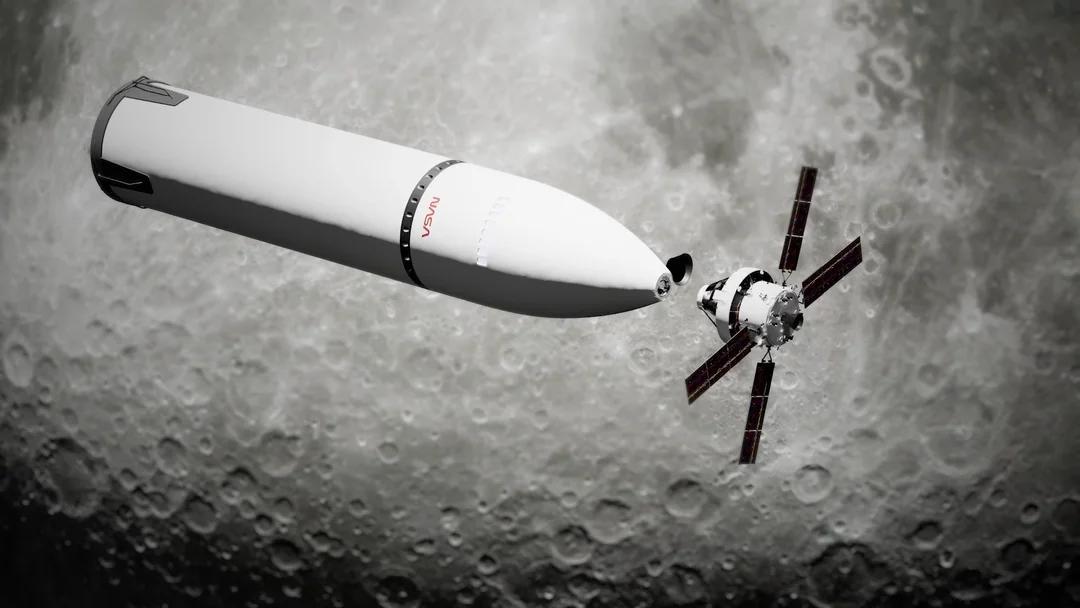
While Blue Origin is building much of the equipment needed on the surface, SpaceX has an equally important responsibility in NASA’s return to the Moon. Musk’s Starship is being developed as a human landing system under a contract worth approximately $4 billion, making it one of the most important components of the Artemis programme. Under NASA’s revised mission architecture, Starship will be refueled in low Earth orbit before meeting the Orion spacecraft in high Earth orbit and helping transport the crew toward the Moon. SpaceX is also expected to conduct a communications demonstration in 2028, deploying satellites aboard Starship to help connect astronauts, mission controllers, and equipment operating across the lunar surface.
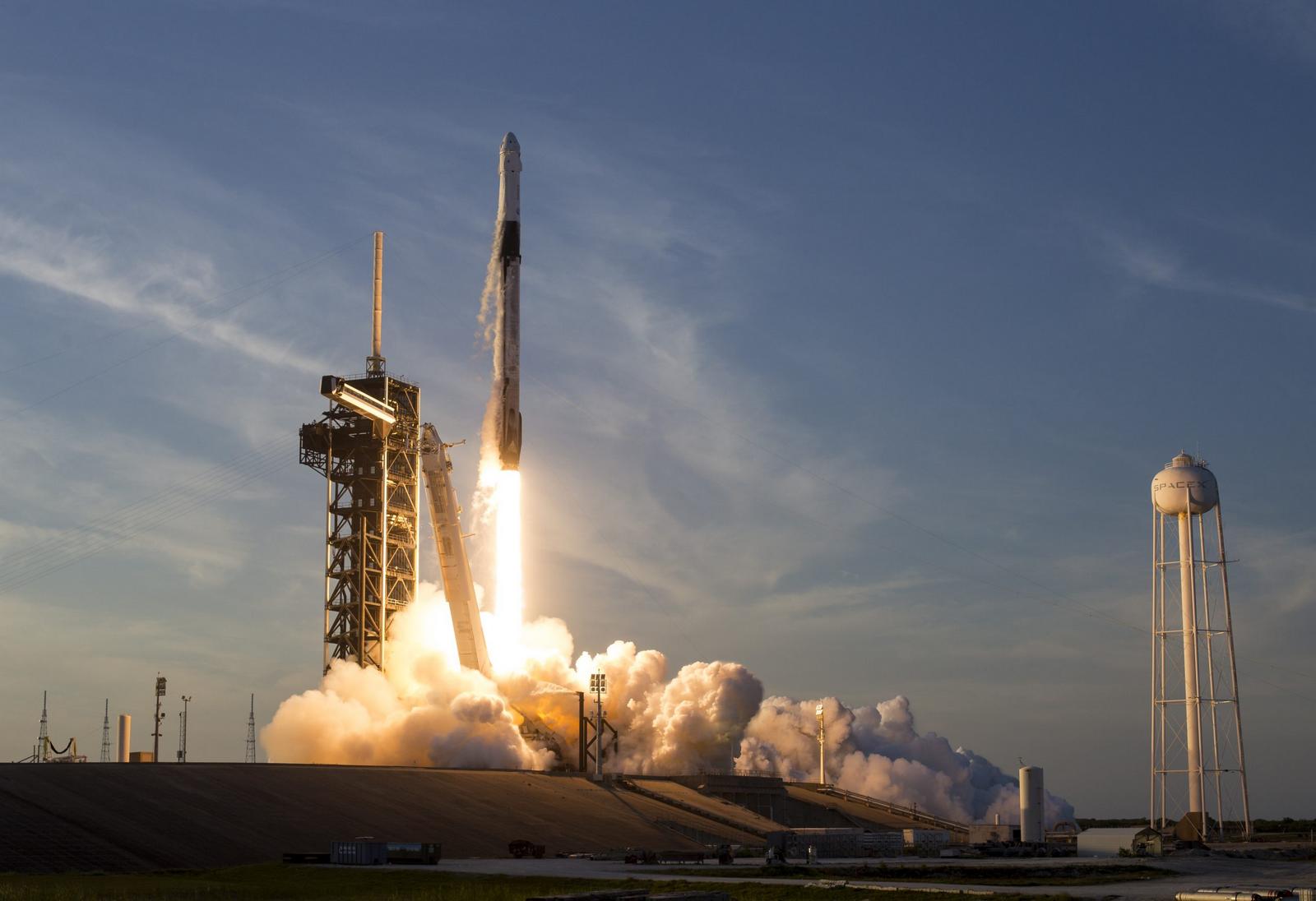
The company will also participate in NASA’s lunar transportation programme through two Falcon 9 launches, although it is not one of the prime contractors awarded the transportation task orders. Separately, Blue Origin is expected to conduct three New Glenn launches as part of the same approximately $1.3 billion package. NASA has not yet decided whether SpaceX or Blue Origin will be ready to carry the first Artemis crew to the lunar surface, with the decision depending on the readiness of their respective landing systems.
For Bezos and Musk, the Moon represents more than another destination for their rockets, as both companies are positioning themselves for a future in which commercial businesses could play a much larger role in space exploration. NASA ultimately wants its lunar operations to become a stepping stone toward sending astronauts to Mars, while developing an economy that is not permanently dependent on taxpayer funding. After more than half a century since the last Apollo landing, America’s return to the Moon is therefore becoming a shared undertaking between NASA and two private space companies whose founders have never been short of ambition.