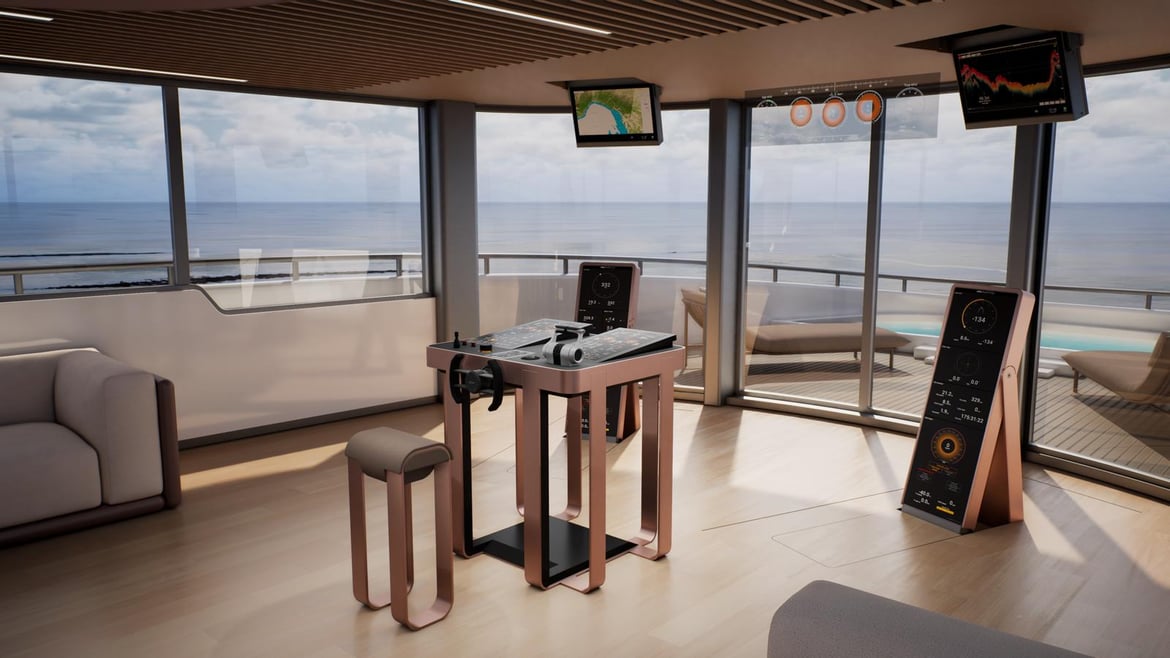
Rolls-Royce has found a rather elegant way to make one of the most important rooms on a superyacht almost disappear. Showcased at this year’s Monaco Yacht Show, the new mtu NautIQ Bridge “Point Break” concept transforms the traditional wheelhouse into a space that can serve two very different purposes. When the yacht is underway, it becomes a sophisticated command center for the captain and crew, complete with advanced navigation technology. When the yacht is stationary, the bridge equipment retreats to leave behind a more inviting area for owners and guests.
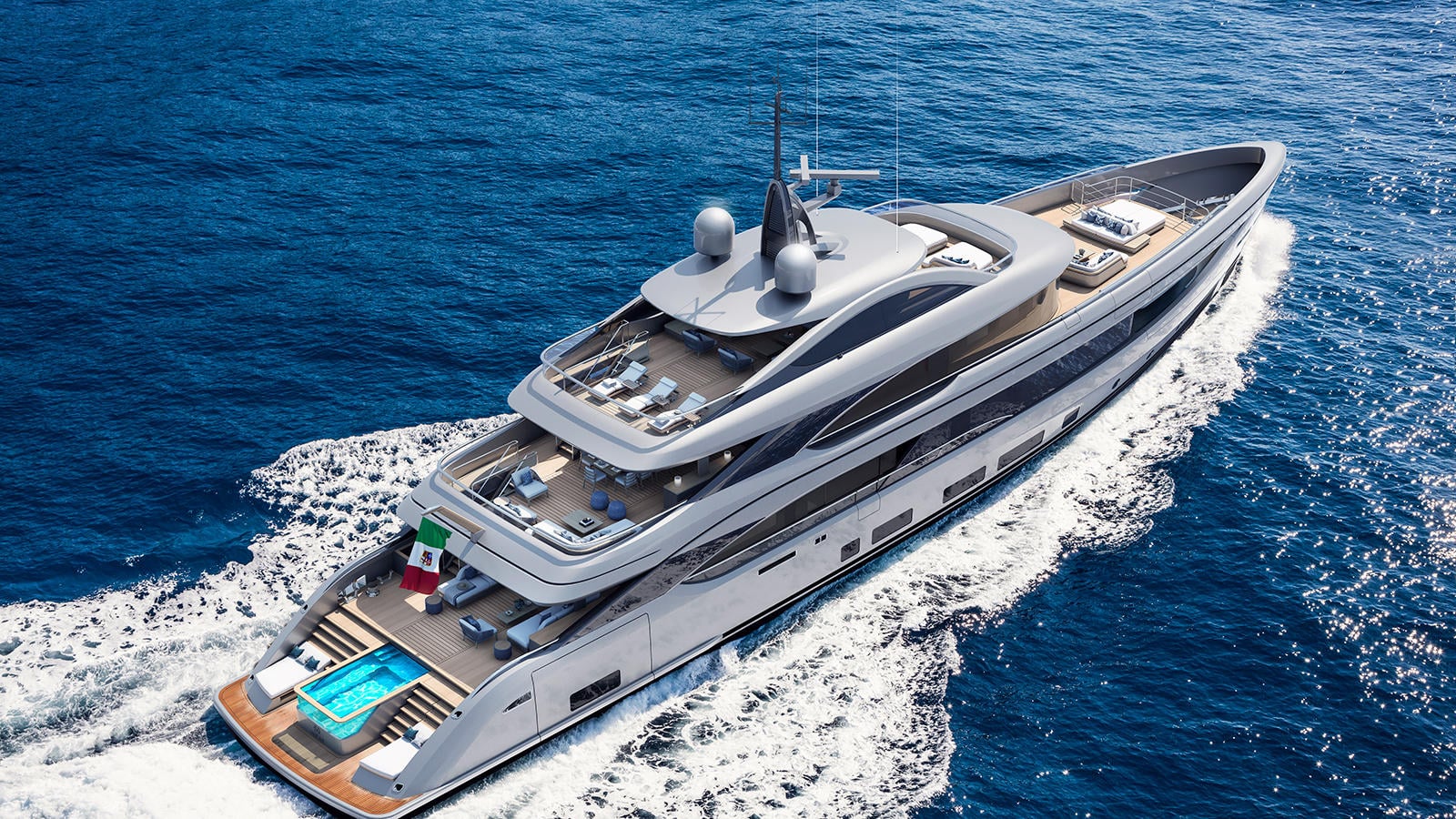
Designed for the next generation of semi-custom yachts measuring around 50 meters (about 164 feet), Point Break addresses a surprisingly practical problem in luxury yacht design. Rolls-Royce says the concept combines a next-generation Human Machine Interface with a Head-Up Display and future AI-supported onboard functionality, while remaining fully operational and immediately available whenever navigation is required. The idea is to reclaim one of the yacht’s most space-intensive operational areas without compromising safety, usability, or readiness. It is a distinctly modern interpretation of the wheelhouse, treating it as part of the yacht’s living environment rather than an isolated technical room.
A bridge that disappears when the yacht is at leisure
The transformation is what makes the Point Break concept particularly intriguing. Conventional bridge equipment can occupy a substantial amount of premium upper-deck space even when the yacht is anchored or sitting in port, but Point Break allows its displays to retract while the helm folds into a compact pedestal. Once the equipment has been stowed, the room can become an open social space with an unobstructed forward outlook, giving owners another part of the yacht to enjoy. Rolls-Royce has not prescribed whether that space should become a lounge, reading area or informal gathering room, instead leaving its eventual purpose to owners and interior designers. That flexibility could be especially valuable aboard semi-custom yachts, where every section of the interior can be shaped around the owner’s lifestyle.
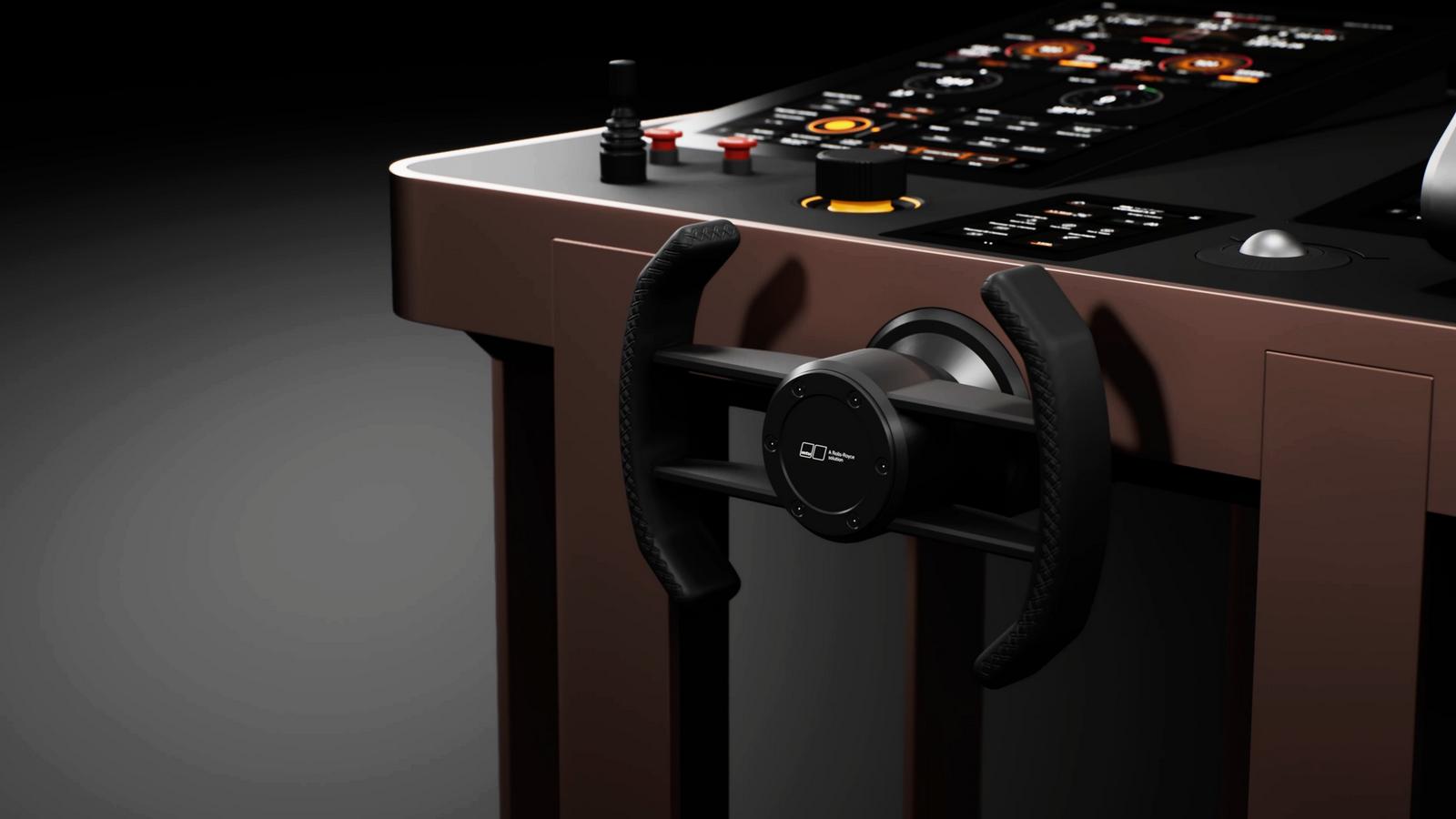
The deployed helm itself has a distinctly furniture-like character, with a warm brown surround, dark instrument surfaces, and an open-topped, yoke-style steering wheel with two curved grips. Its vertical display arrangement is designed to make more efficient use of space while improving the captain’s situational awareness, while the Head-Up Display places essential navigation information directly within the captain’s field of view. The result is a bridge that appears considerably more compact and organized than the conventional collection of screens and controls associated with a modern wheelhouse. Yet beneath that refined appearance, it remains a fully equipped operational environment intended to support the captain and crew.
Digital technology behind the disappearing helm
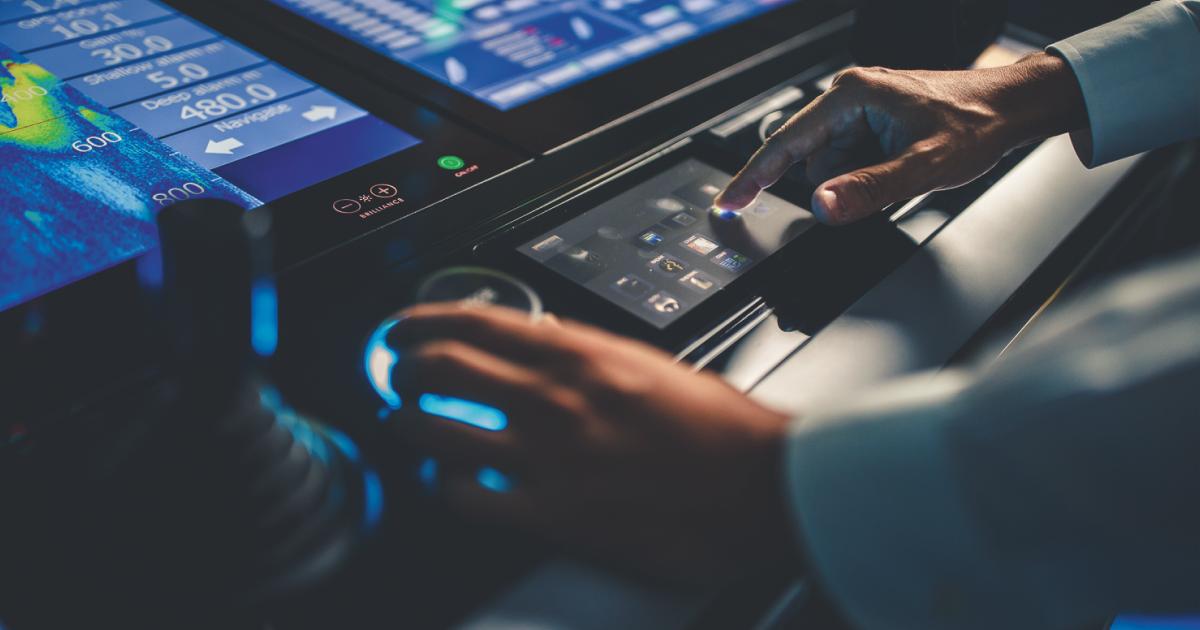
Point Break is also connected to Rolls-Royce’s wider mtu NautIQ ecosystem and its “From Bridge to Propeller” philosophy, linking bridge functions with propulsion, power generation and energy management. Compatibility with mtu NautIQ Foresight allows equipment data to be analyzed to support system health monitoring, anomaly detection and maintenance planning, potentially helping crews deal with technical issues before they become larger disruptions. Rolls-Royce is also planning AI-supported documentation management for the concept, although the announcement does not suggest that the system provides autonomous navigation. Christian Paolini, managing director of Bridge & Automation Systems at Rolls-Royce Power Systems in Italy, said the concept responds to customers seeking to maximize onboard space without compromising safety or operational readiness.
Point Break ultimately represents a different way of thinking about yacht real estate, where expensive technical infrastructure does not necessarily have to remain visible at all times. The same room can be a high-tech command center when the yacht is moving and an attractive forward-facing retreat when the yacht is being enjoyed at anchor. By making the bridge physically adaptable rather than permanently dedicated to one function, Rolls-Royce is pushing the idea that even the most technical spaces aboard a luxury yacht can become part of the owner’s lifestyle.