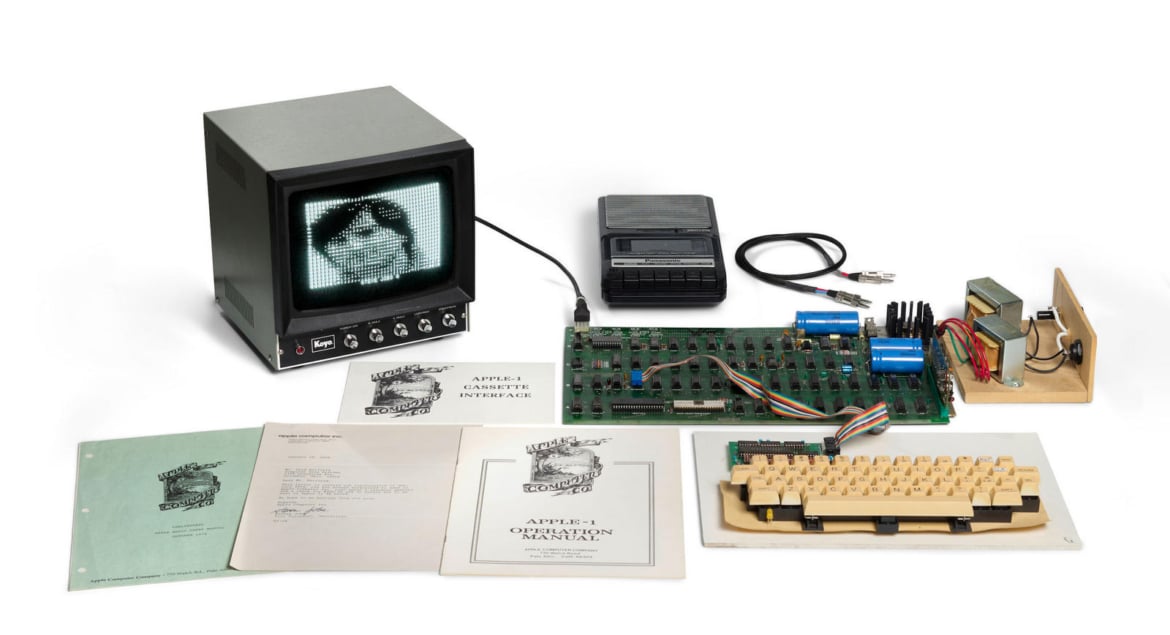
A vintage Apple computer that Steve Jobs once tried to persuade its original owner to trade in for a newer model has now sold for $1.15 million, turning a remarkable piece of Silicon Valley history into one of the most expensive commercially produced Apple-1 computers ever auctioned. The famous Hatfield Apple-1 fetched $1,148,200 at Bonhams in New York on October 14, comfortably surpassing its pre-sale estimate of around $800,000 after two determined collectors battled for 28 minutes to secure the machine. The winning bid established a new auction record for a production Apple-1, underscoring the extraordinary prices collectors are willing to pay for the earliest surviving products from one of the world’s most valuable technology companies.

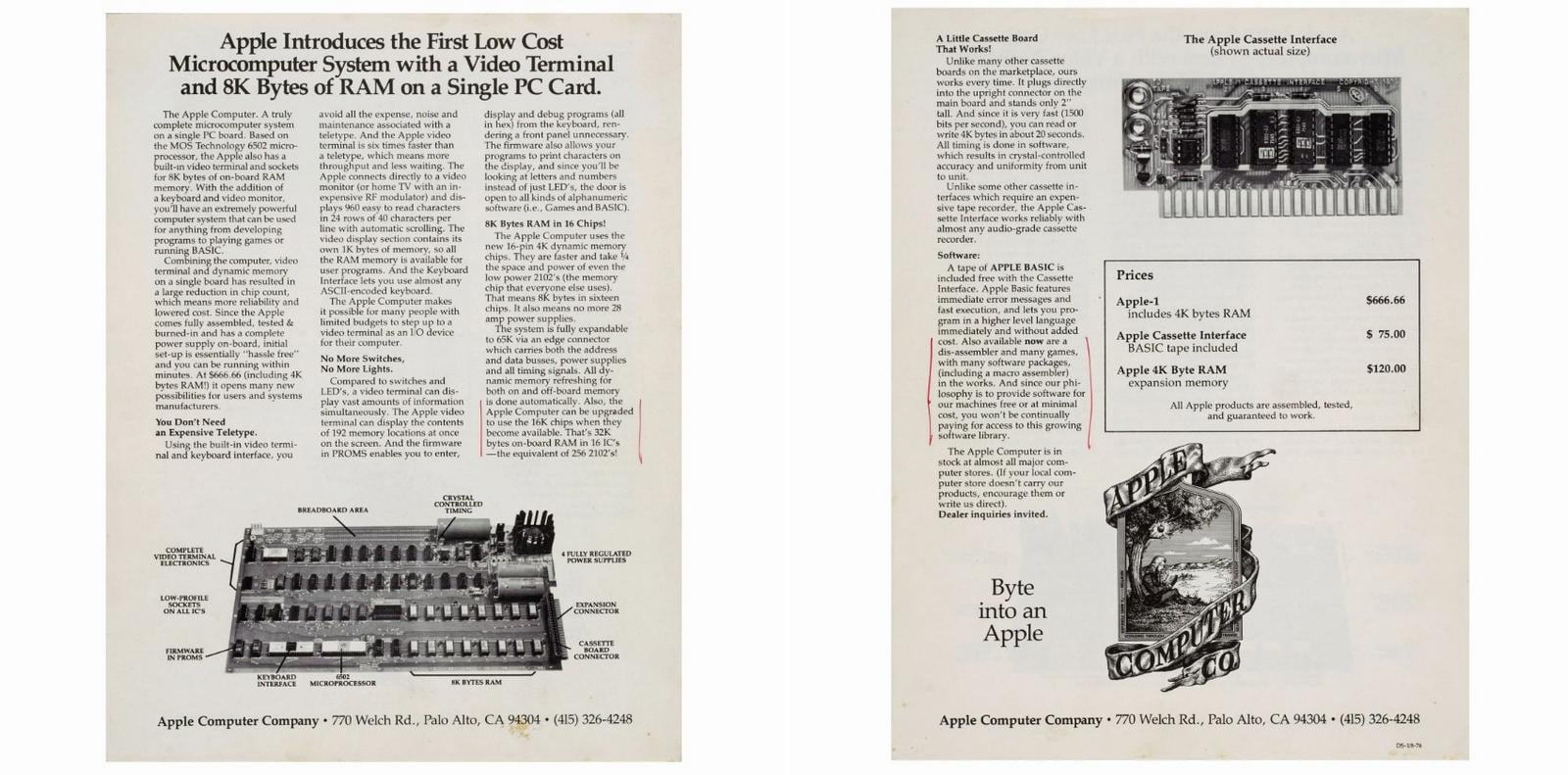
Designed by Steve Wozniak and introduced in 1976, the Apple-1 was the first product released by Apple, which was founded by Wozniak and Jobs that year. Approximately 200 units were produced, including 50 supplied to California computer retailer The Byte Shop, which sold them for $666.66 apiece.
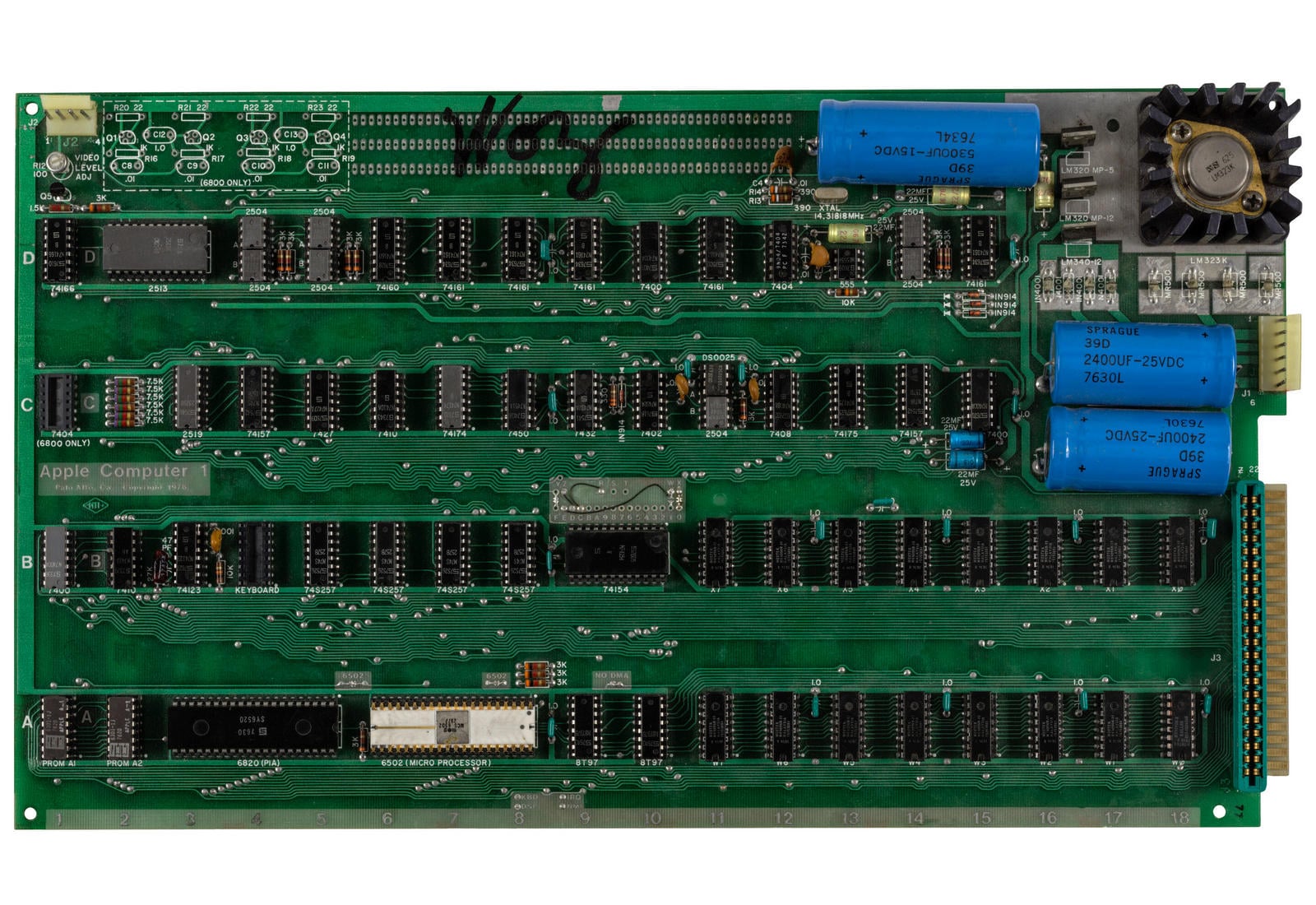
Unlike the complete computers Apple would eventually become known for, the Apple-1 was essentially a motherboard that required additional components to become a functioning system. Fewer than 75 examples are believed to survive today, making working machines particularly desirable among collectors of computing history.

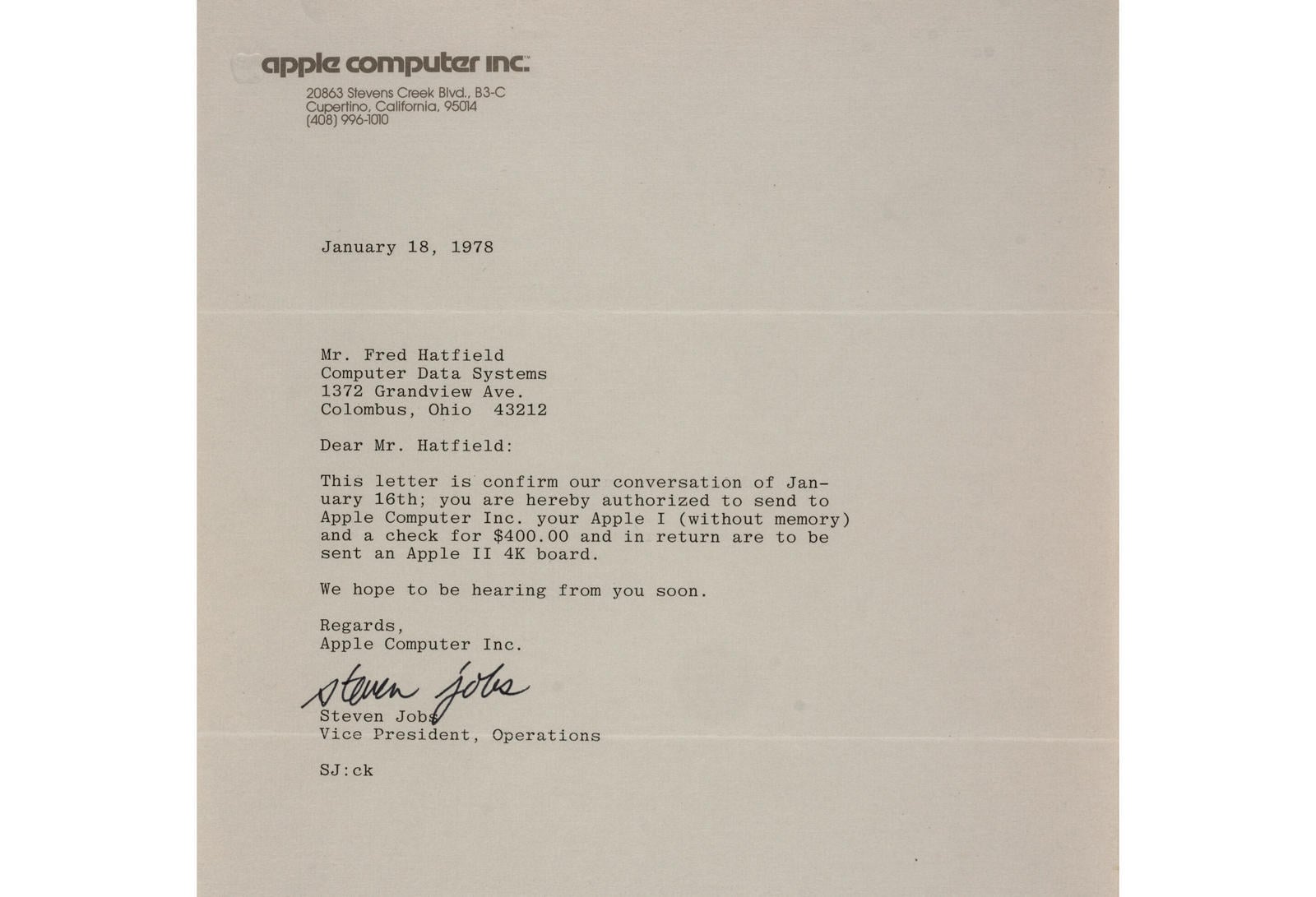
The Hatfield Apple-1 is especially significant because of its remarkable provenance and its direct connection to Apple’s co-founders. Its original owner, Fred Hatfield, purchased the computer in 1976, and the machine is now listed as No. 48 in the Apple-1 Registry. Wozniak subsequently signed the motherboard, adding another layer of historical significance to an already rare computer. The machine also comes with an original letter dated January 18, 1978, signed by Jobs when he was Apple’s vice president of operations.
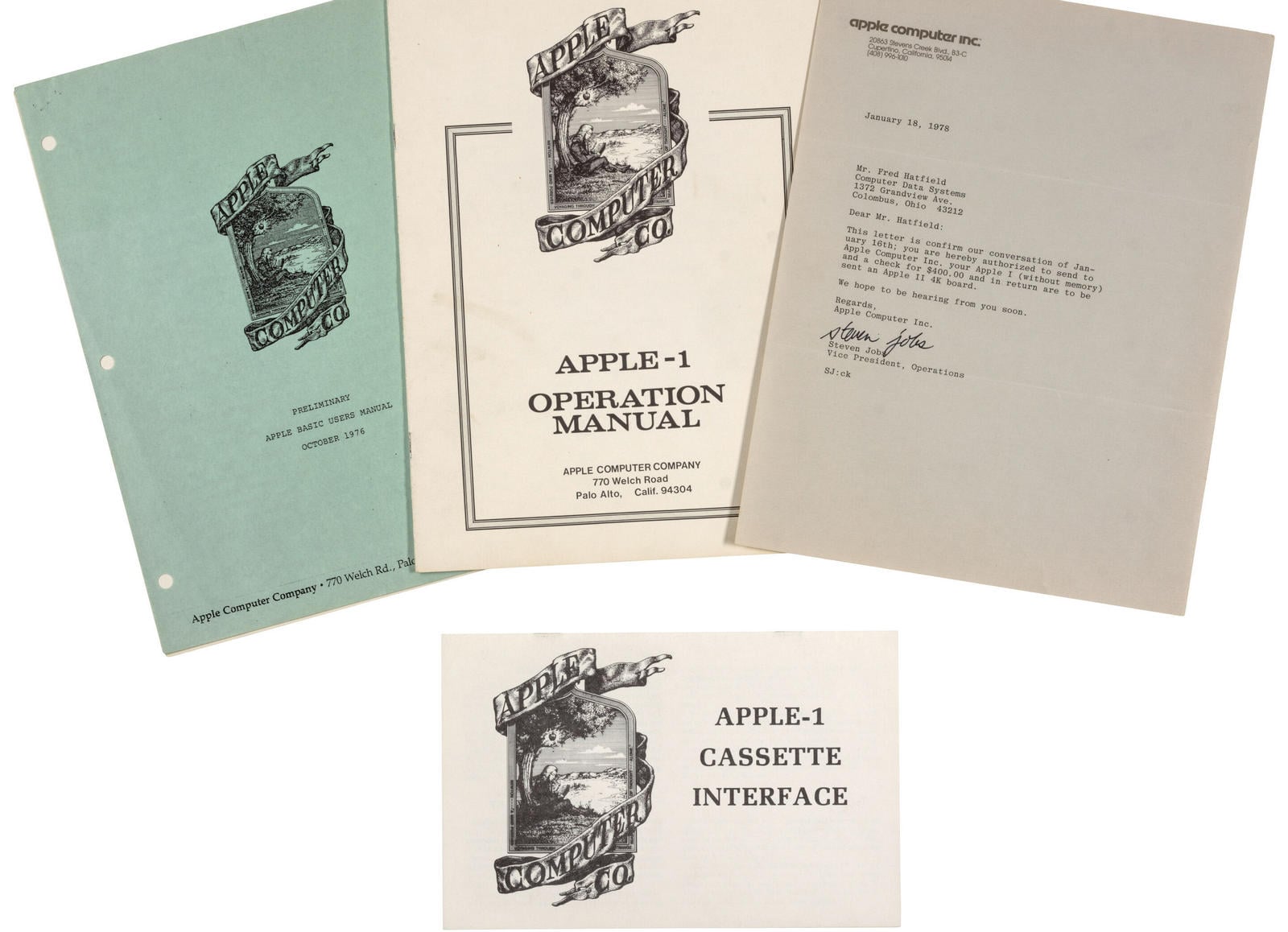
In the letter, Jobs responded to Hatfield’s complaint about the limited availability of software for the Apple-1 by offering to exchange the computer for an Apple II 4K board, provided Hatfield paid an additional $400. Hatfield declined the offer, inadvertently preserving a machine that would become considerably more valuable than the replacement Apple had proposed. The decision also allowed the original computer to retain its distinctive connection to the company’s earliest customers and its founders.
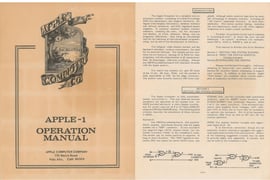
The working machine is accompanied by an assortment of period accessories and documentation, including its original operating manual, cassette interface board, a 1977 Koyo video monitor, a Panasonic cassette recorder and an Apple II keyboard. Its technical components include a MOS Technology 6502 processor and 8KB of RAM, offering a tangible reminder of just how far personal computing has advanced in five decades.
Hatfield eventually sold the computer privately for approximately $40,000 when it was not functioning. After its restoration and Wozniak’s signature, it achieved roughly $686,000 at auction in 2013 before returning to the market this year. Although an experimental Apple-1 prototype known as the Celebration board sold for $2.75 million in January 2026, the Hatfield computer’s $1.15 million result sets a record for a commercially produced Apple-1, with its working condition, signed motherboard, and extraordinary history helping justify its seven-figure price.