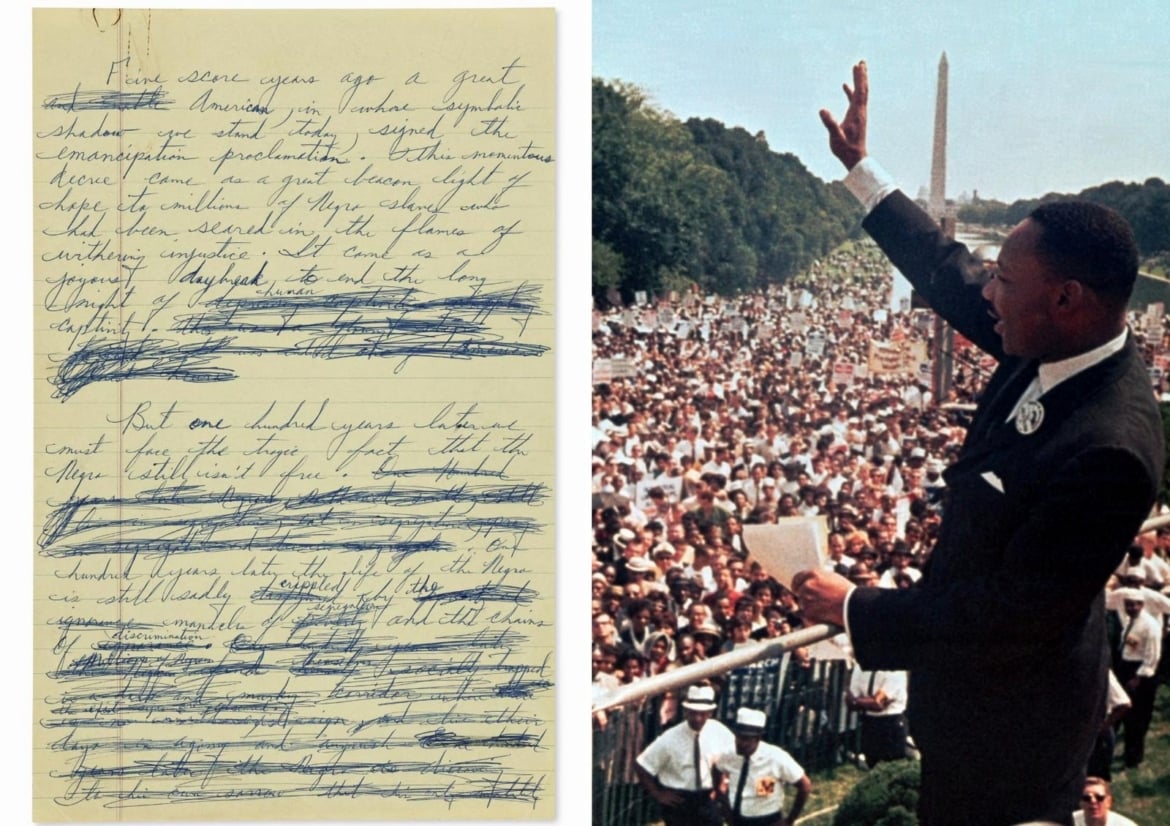
For some, treasure is a bejeweled crown studded with Ceylon sapphires. For some it is a Picasso painting, and for some, it could be a Ming Dynasty cup. But treasure is not just a physical object, as it can also be powerful words, depending on who is saying them. Thanks to Christie’s, a collector will soon come into possession of the holy grail of historic speeches, the only surviving handwritten final full draft of Martin Luther King Jr.’s 1963 “I Have a Dream” speech. The document is a collection of seven yellow pages filled with blue ink, containing the words that became the most important speech of the 20th century and one of the most significant in American history. Christie’s will offer it with a fitting estimate of $10 million and will display the document publicly from January 15 to 21 before it goes under the hammer in a single-lot sale.
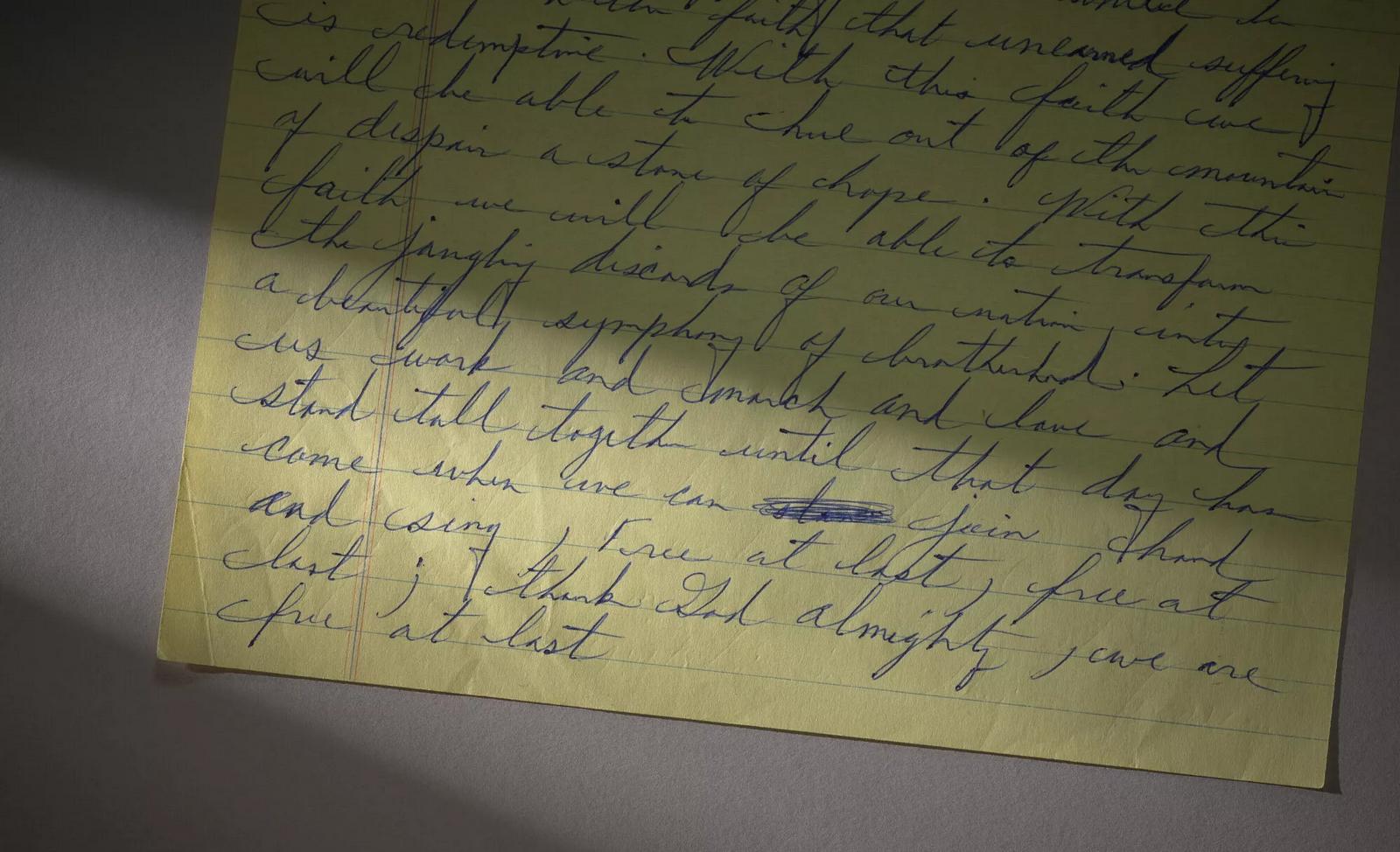
More than just proof of the creation of an impactful speech, the manuscript takes you inside the mind of Martin Luther King Jr., almost as if you are sitting beside the prominent leader of the civil rights movement and watching him in action. For instance, on page three, he wrote “tokenism,” crossed it out in favour of “waitism,” and finally settled on “gradualism.” This gives the reader a sneak peek into his thought process rather than just leaving them on the receiving end of a fixed, final speech delivered to perfection. On other pages, entire passages are struck out, showing exactly how the American Baptist minister sharpened his message. The papers also reveal a rust mark left by a paper clip that was attached in the early hours of August 28, 1963, at the Willard Hotel in Washington DC. According to speech historian Drew D. Hansen, the draft was written during King’s late-night meeting with aides, and he sent it to be typed around 4 a.m.
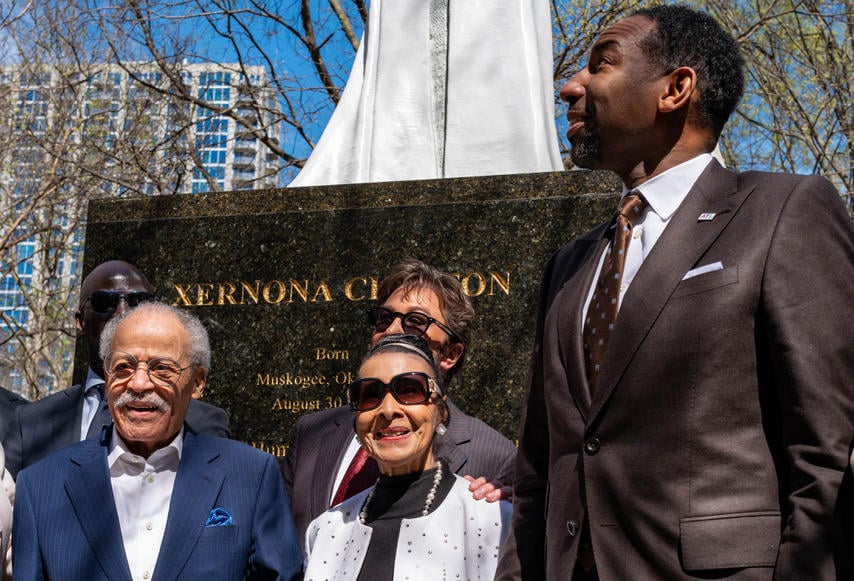
As for where the document remained for all these decades, it was rediscovered in 2024 by Xernona Clayton in a desk drawer belonging to her late husband and former King aide, Edward T. Clayton. She first came across the draft in the 1990s but did not know it was the only known final version, so she put it back in the drawer without thinking much of it. When she rediscovered the document in 2024, she consulted experts who quickly established its profound rarity. In addition, Xernona Clayton was incredibly close to Martin Luther King Jr. and Coretta Scott King. From giving gifts on birthdays to helping Coretta choose a dress for his funeral, she was present for it all. With such personal memories involved, she told the Times she had resisted selling memorabilia for years out of concern that it would seem disrespectful to someone she loved.
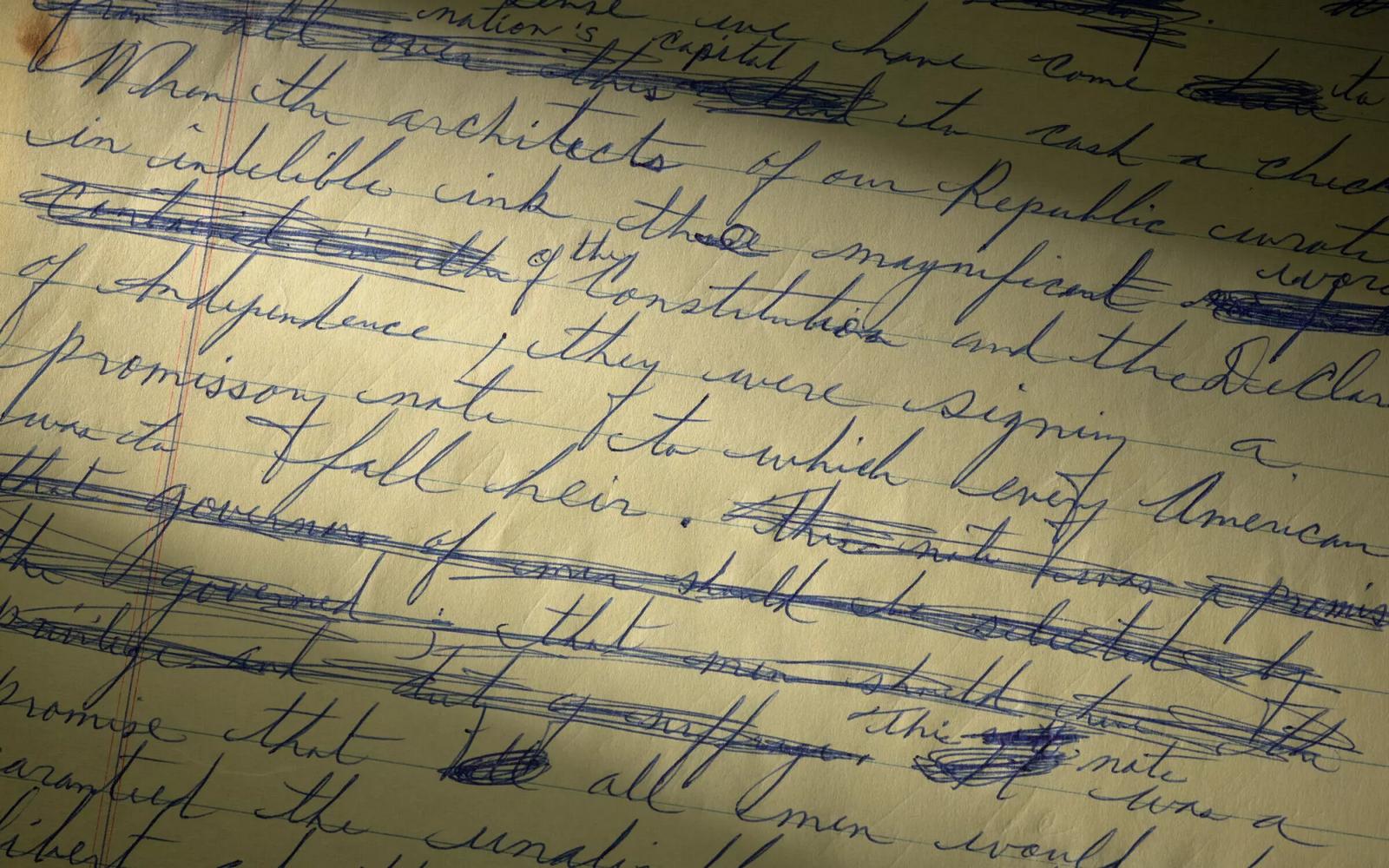
“This is a treasure of American history,” said Peter Klarnet, Christie’s manuscripts specialist. “It gives you chills to look at it. Reading along, you’re there in the moment with Dr. King, watching him compose it and making edits in real time. It captures a moment that literally changed the course of our nation and makes it very real and very human.”