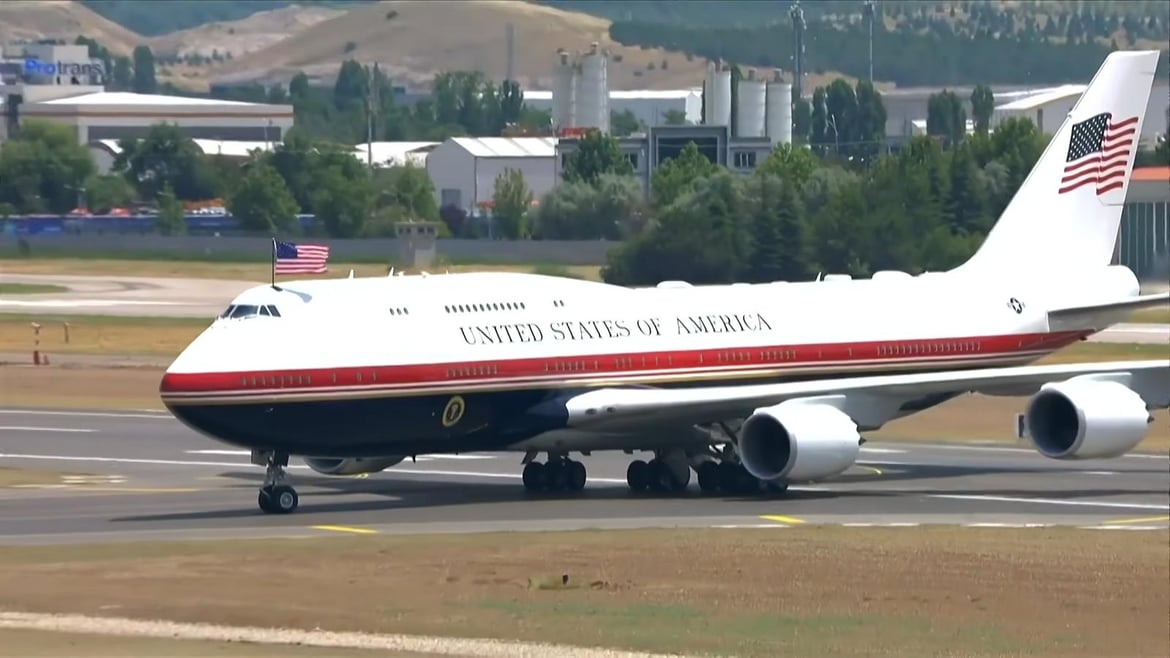
The Qatar-donated Boeing 747-8 that has been transformed into Bridge Air Force One is about to demonstrate just how different Ireland’s situation is from Turkey’s. The President of the United States recently revealed that the enormous aircraft will be used during his upcoming visit to Ireland, bringing a jet with a wingspan of more than 68 meters to Dublin. In Turkey, the arrival of the same aircraft at Etimesgut Airport on it first international mission was accompanied by a reported $120 million infrastructure project that included major runway work.
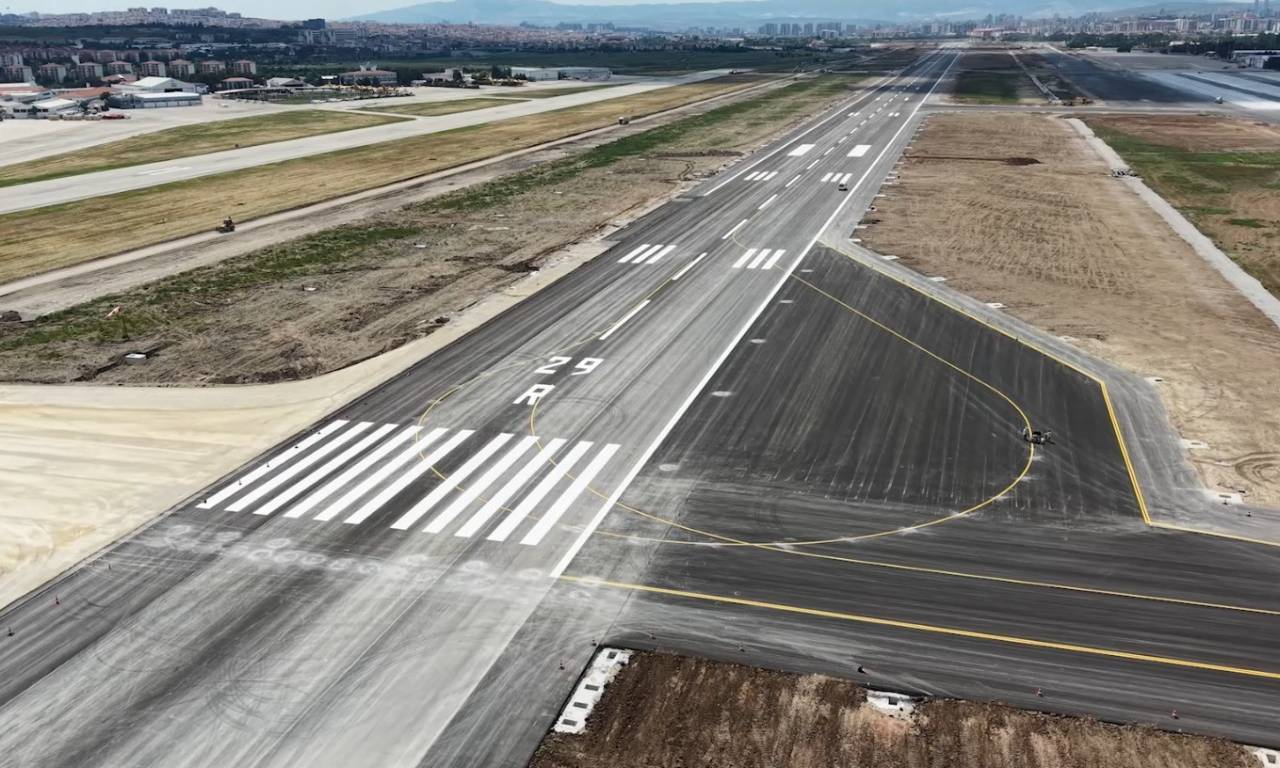
Ireland, by contrast, will not spend a single cent building a new runway for the aircraft because Dublin Airport already has the infrastructure required to accommodate it. The reason is surprisingly simple, since Ireland completed its own major runway project years before this particular 747-8 became part of the presidential fleet.
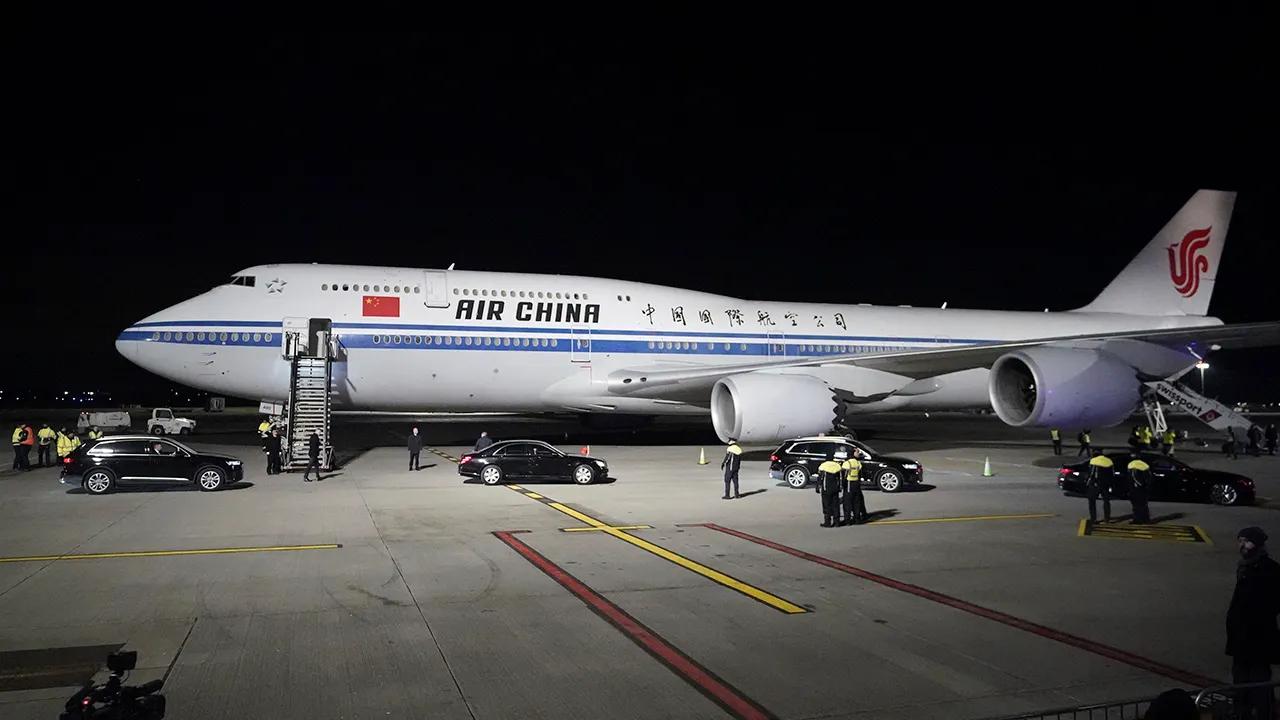
Dublin’s ability to handle the aircraft is not merely based on measurements published in an airport specification sheet, either. Air China brought Chinese Premier Li Qiang to Dublin aboard a Boeing 747-8 in 2024, before the aircraft departed from the North Runway the following day. That visit provides a useful real-world demonstration that Dublin can accommodate the same aircraft type that will now arrive as Bridge Air Force One.
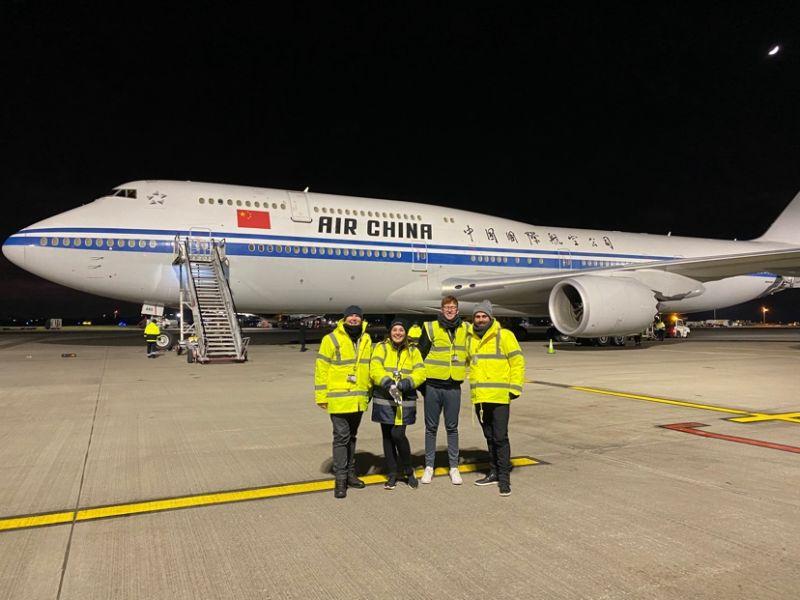
The upcoming operation will still require its own planning, because presidential aircraft involve extensive security, ground-handling and logistical arrangements that cannot simply be assumed from a previous visit. Even so, Ireland has a considerable advantage over airports that have never handled a 747-8, because Dublin has already proved that its infrastructure can cope with one.
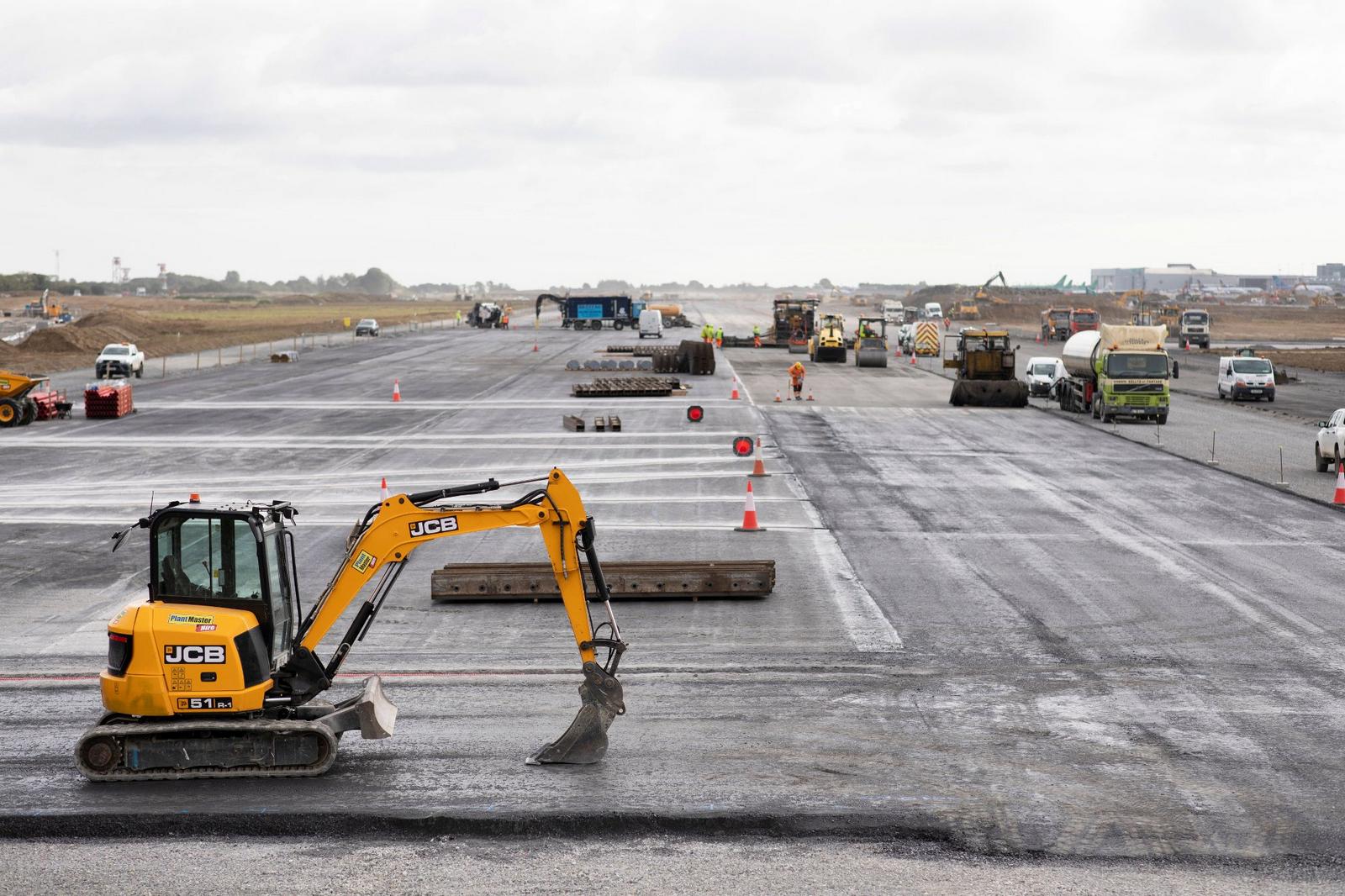
Dublin’s giant runway was ready years ago
The key piece of infrastructure is Dublin Airport’s North Runway, designated 10L/28R, which measures approximately 3,110 meters in length. Work on the €320 million (about $370 million) project began toward the end of 2019, and construction was completed in August 2022. What that means is the runway had already been operating for several years before the upcoming presidential visit. The project was not undertaken for this aircraft, and the airport operator has stated that it was delivered at no cost to the state, so its massive price tag should not be counted as money Ireland is spending to welcome the US president’s 747-8.
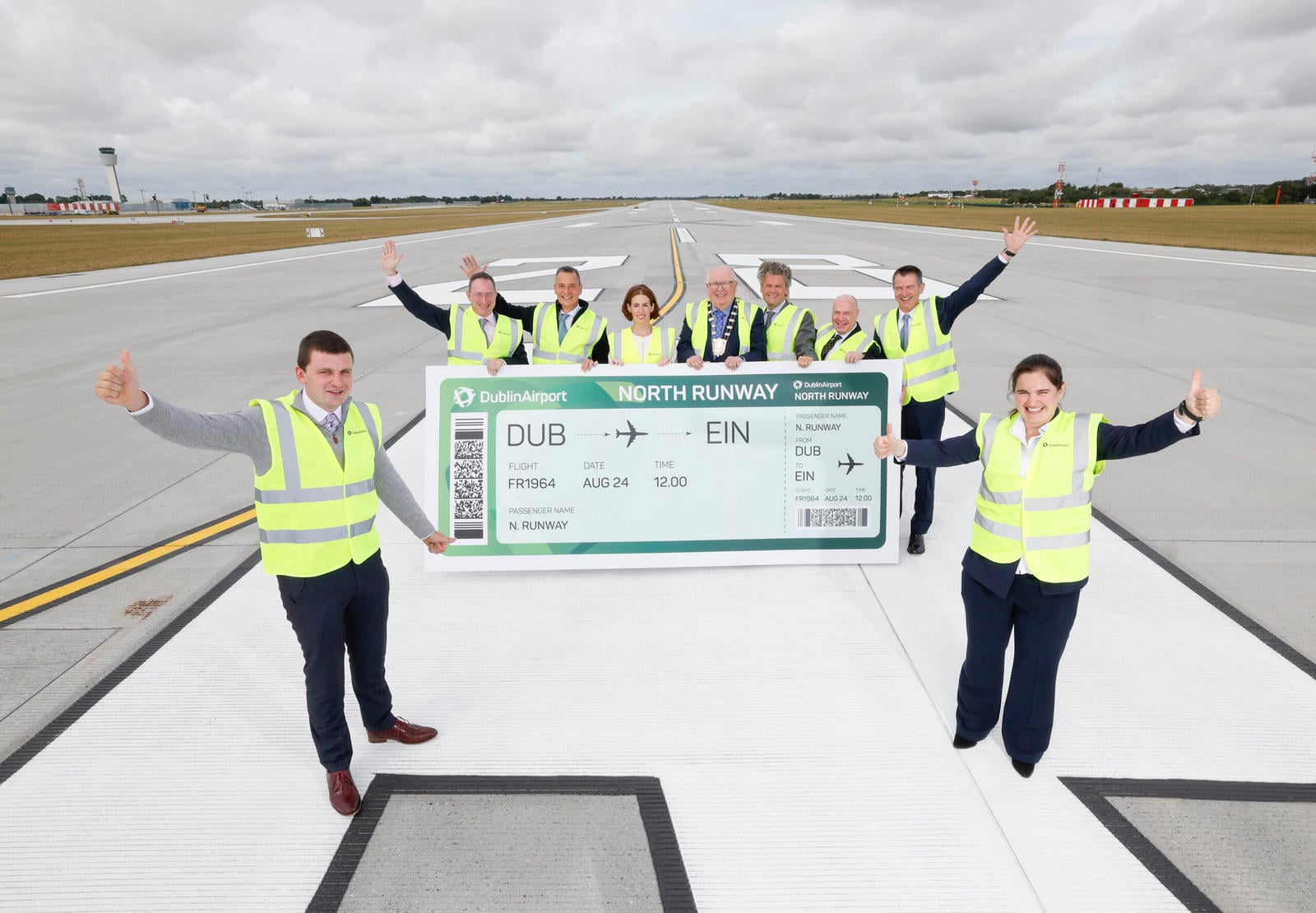
Instead, the investment was made to increase Dublin’s long-term aviation capacity and create infrastructure capable of serving some of the world’s largest aircraft. That earlier spending is precisely why the arrival of Bridge Air Force One does not require Ireland to repeat the kind of expensive runway reconstruction undertaken in Turkey.
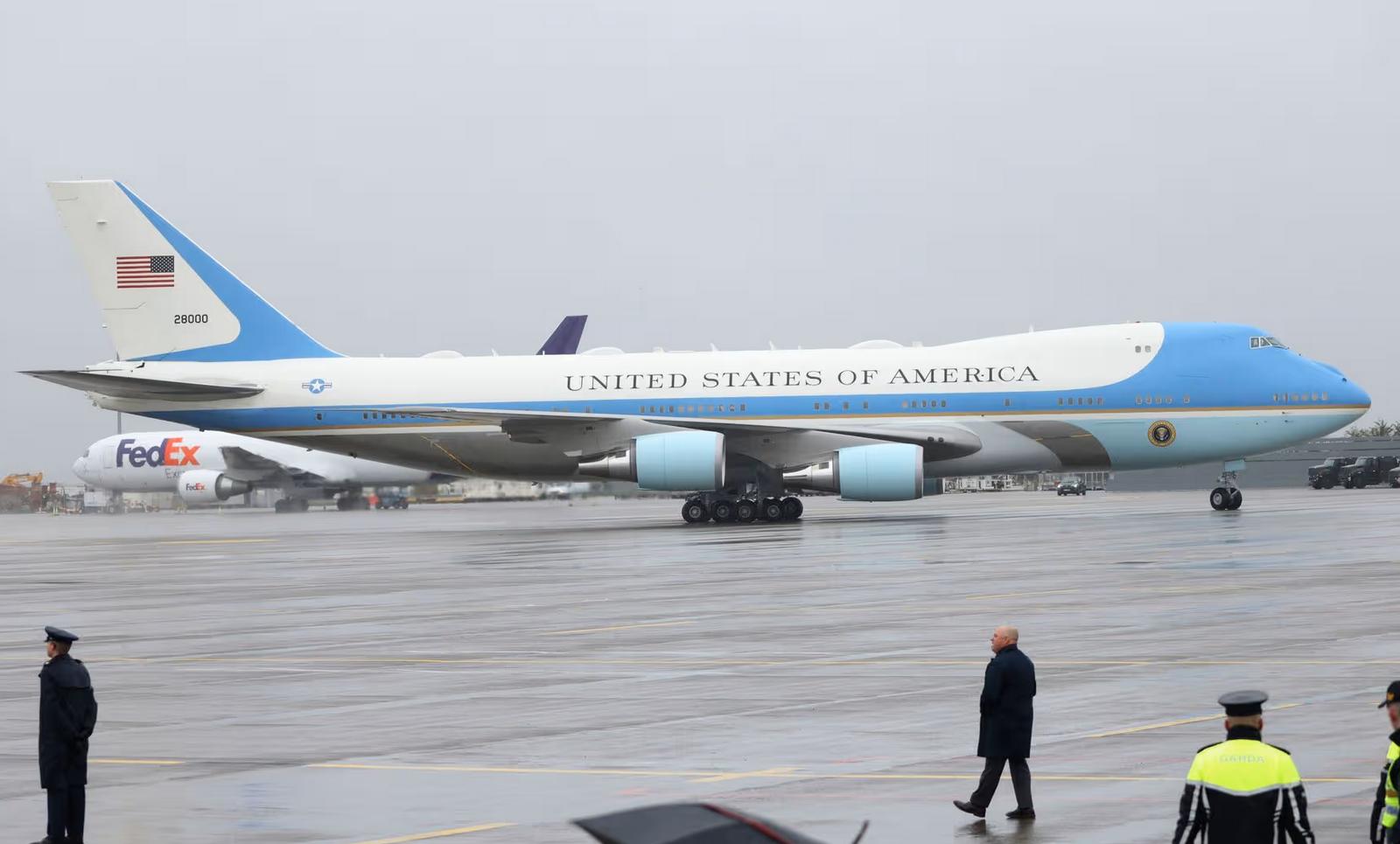
The engineering involved in the North Runway is substantial enough to explain its ability to handle an aircraft weighing hundreds of tons. The runway and taxiways were built to a depth of almost one meter across four separate layers, using rigid concrete pavement designed to support the weight of fully loaded aircraft while reducing construction time and long-term maintenance requirements. More than 340,000 square meters of new pavement were installed, along with approximately 425 kilometers (about 264 miles) of electrical cabling and 2,500 airfield lights. The original 11/29 runway was also demolished and removed as part of the wider project, underlining how extensive the redevelopment was. The completed North Runway can accommodate Code F aircraft with wingspans between 65 and 80 meters, a category that includes both the Boeing 747-8 and the Airbus A380.
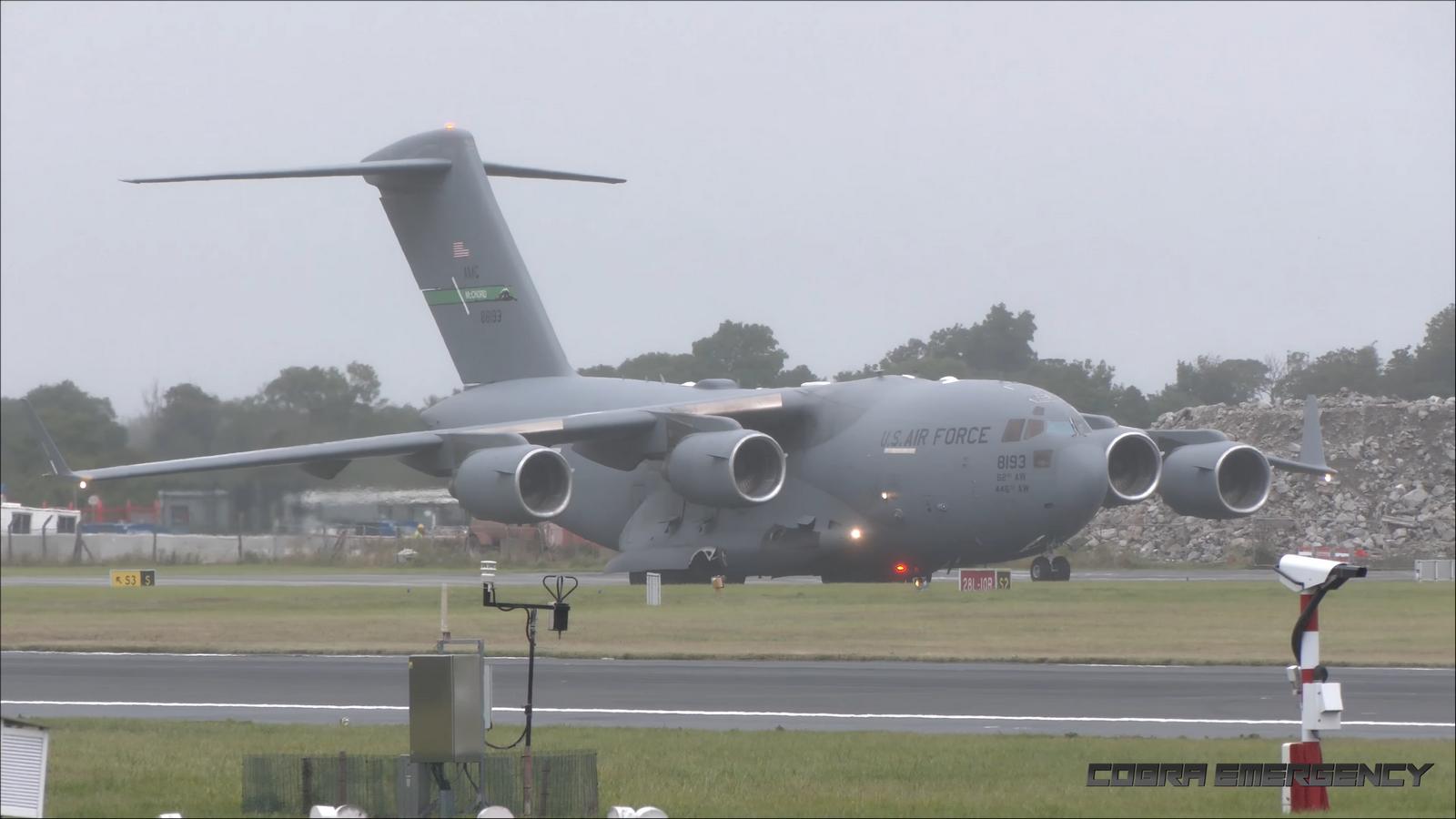
The big expense is security, not concrete
There is nevertheless an important qualification to Dublin’s capabilities, because AirNav describes the airport as having “minimal capacity” for Code F aircraft. The airport can accommodate diversions, exceptional movements and planned operations involving these very large jets, but operators are expected to provide advance notice so that sufficient resources can be arranged. In other words, Dublin can handle a carefully coordinated 747-8 operation, but it does not have unlimited capacity for Code F aircraft as part of everyday airport traffic. That distinction matters for the upcoming visit, although it does not undermine the much more important point that the airport already has a runway capable of handling the aircraft. Ireland therefore faces an operational planning exercise rather than an engineering project.

The potentially eye-watering cost of the visit is instead expected to come from the security operation, with some estimates putting the figure above €20 million ($23 million) and the number of personnel involved at around 4,000. That would be substantially higher than the €11.3 million ($13 million) spent on security overtime during the US president’s previous visit to the same resort in June 2019.

For comparison, the security operation for President Biden’s visit exceeded €31 million ($36 million), although that figure covered Belfast, Louth, Dublin and Mayo over three days and included overtime, accommodation and equipment. Some government sources have suggested a lower figure of around €10 million (under $12 million) for the upcoming visit because the itinerary is expected to cover fewer locations. The estimates therefore remain unresolved, but even the higher figures have nothing to do with building a runway for the 747-8. When the Qatar-donated jet arrives, Ireland’s challenge will therefore be coordinating its movement and securing the visit, not finding the money to make the runway big enough for it.