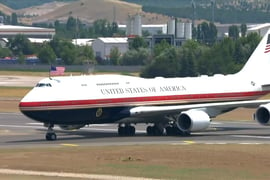
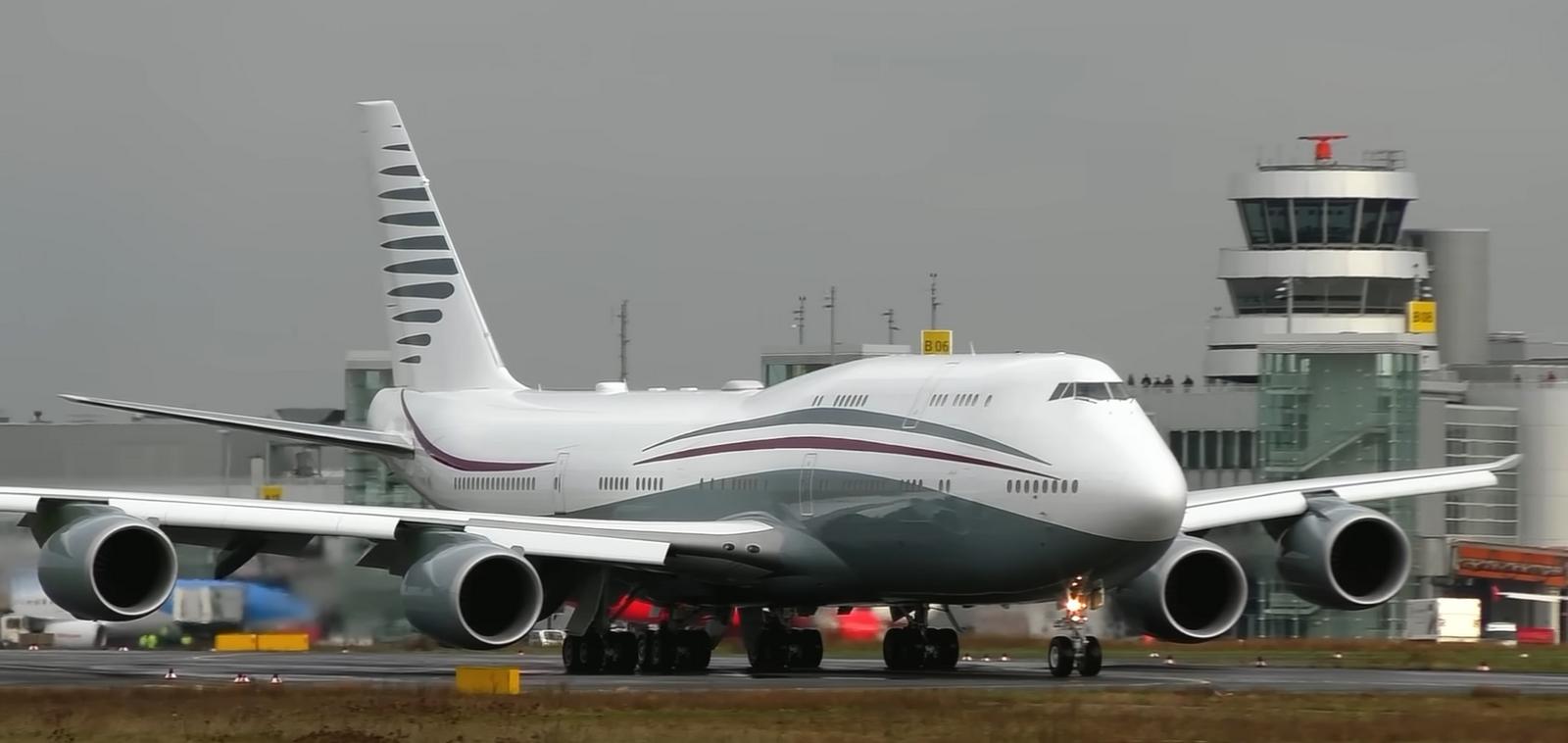
Five months ago, a heavily secured facility in Texas was buzzing around the clock as hundreds of technicians worked to transform a luxury Boeing 747-8 donated by Qatar into an interim presidential aircraft for the United States. The 10-month conversion was an unusually demanding assignment for L3Harris, the defense contractor entrusted with preparing the aircraft for its new role. The project required extensive modifications to an aircraft originally built for private luxury travel, including the installation of specialized presidential communications equipment. Its successful completion placed the relatively under-the-radar contractor at the center of one of America’s most closely watched aviation projects. But the same company is now facing scrutiny after routine work on America’s aging air traffic communications network triggered a chain of failures that brought domestic flights to a standstill.
The irony is difficult to miss. L3Harris had completed the presidential aircraft conversion in June, delivering the modified 747-8 to Joint Base Andrews on June 19, before it made its first flight as Air Force One on July 1. Five months later, a router installation connected to the company’s long-running FAA telecommunications contract was at the center of a nationwide ground stop.
The Wall Street Journal reported that the FAA had approved the installation plan before work began and had a representative present at the facility. The episode has also put an established government contractor under an unusually public spotlight, despite the fact that investigators have yet to establish precisely what went wrong. It is a reminder of how much modern aviation depends on communications infrastructure that most passengers rarely think about.
A routine installation with nationwide consequences
The FAA assignment was considerably less glamorous but arguably just as important. L3Harris has been responsible for the agency’s legacy telecommunications infrastructure since 2002, when predecessor Harris Corporation received the contract to build and maintain the network. The system carries communications essential to air traffic controllers as they track aircraft and coordinate with pilots across American airspace.
On November 13, the contractor was replacing an aging copper connection with fiber at a remote FAA facility in El Dorado, Arkansas, and installing a new router. An abnormal surge of network traffic overwhelmed equipment and disrupted some radar feeds and radio communications. Investigators are examining whether a misconfigured data-broadcast feature on the network device flooded other equipment with unnecessary information, triggering failures across the wider system.

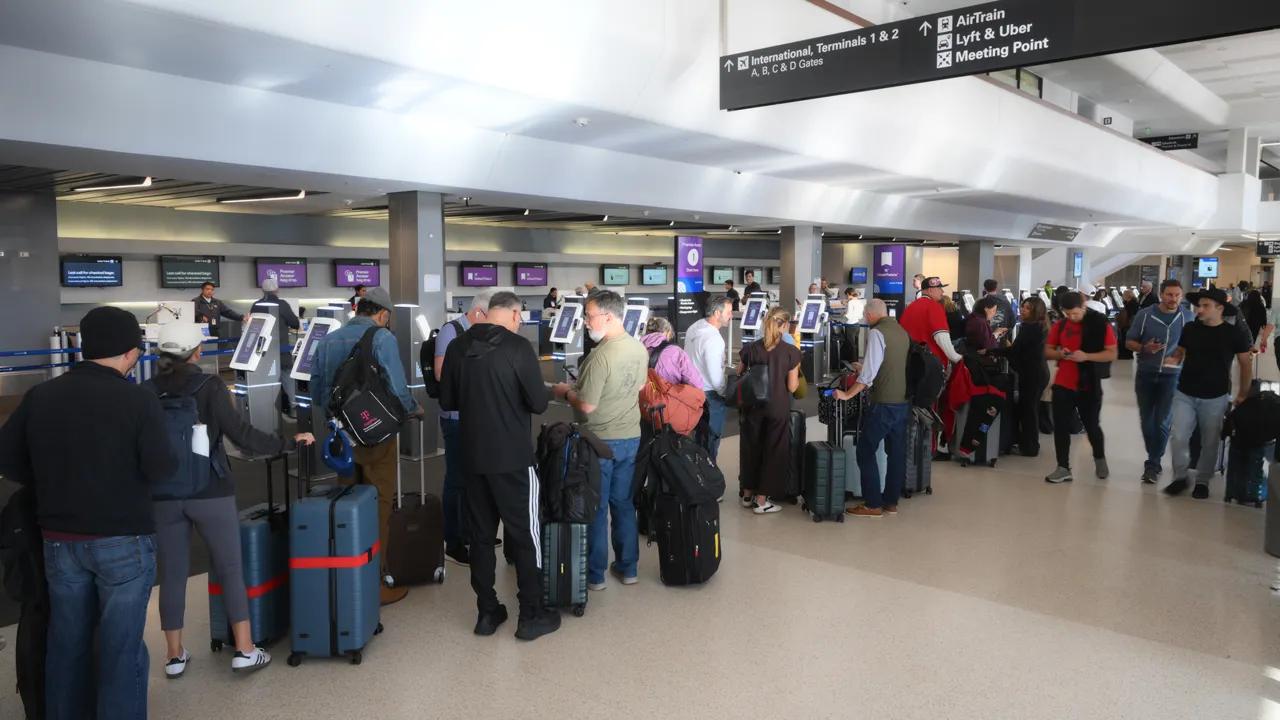
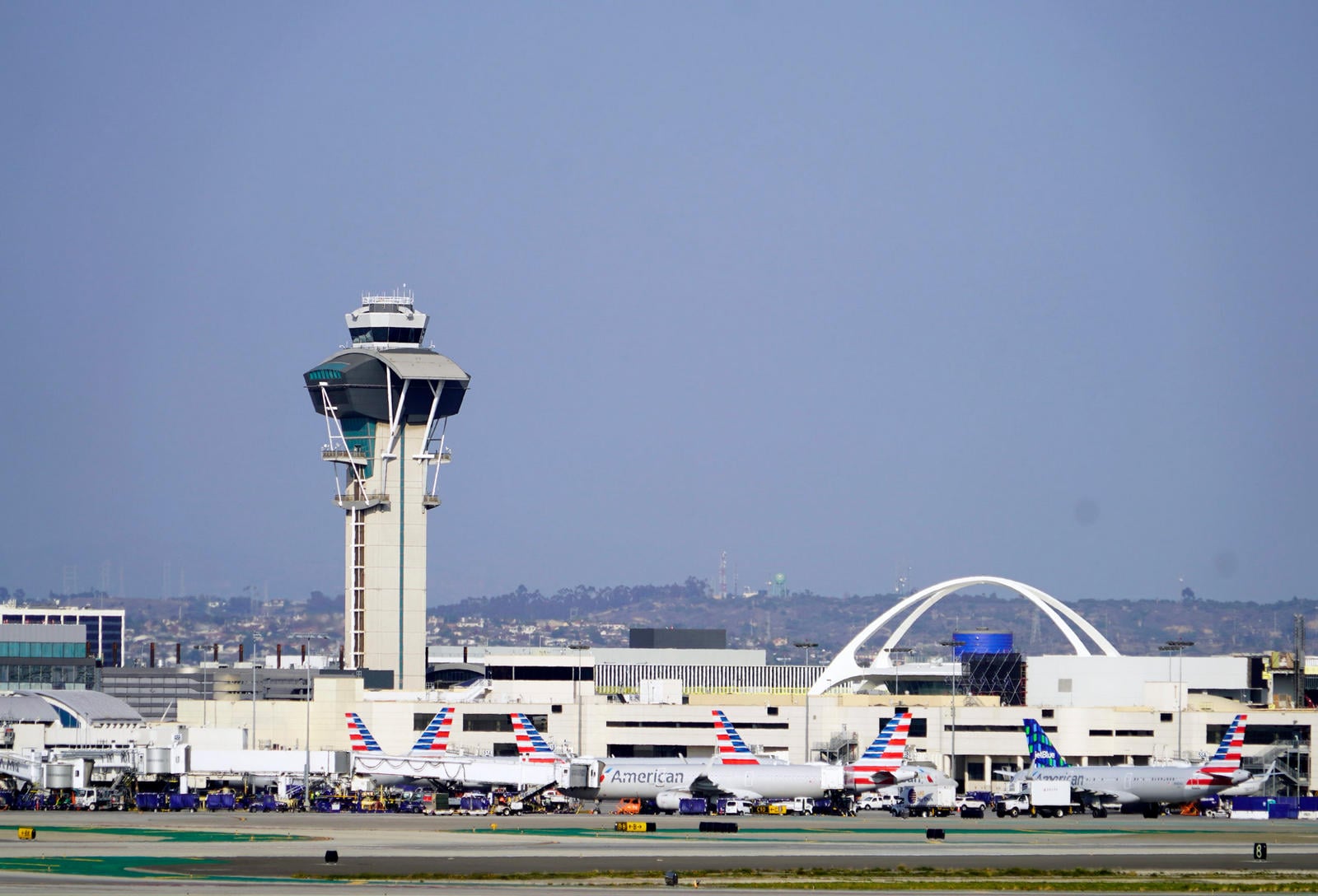
The FAA subsequently identified a radar site in Amarillo, Texas, as another possible source of the excessive traffic. L3Harris isolated both locations, after which the network stabilized. The agency has said it found no evidence of a cyberattack, while the precise technical cause remains under investigation. The nationwide ground stop began at 3:54 PM, lasting four hours and 21 minutes. Approximately 3,500 aircraft already in the air landed safely, although the disruption resulted in thousands of cancellations and delays. Critical medical, military and law-enforcement flights continued operating.

Questions over responsibility as modernization continues
Transportation Secretary Sean Duffy said investigators were examining whether the failure resulted from installation error or faulty equipment. Speaking on Saturday, he said, “We haven’t determined what the fault was,” while also questioning whether the contractor had performed the work properly, according to Fox Business. There are, however, important details surrounding the installation. The Wall Street Journal reported that the FAA had approved L3Harris’s router installation plan and had a representative present, who helped the company’s technician access the facility. The agency had also been pushing L3Harris to accelerate thousands of upgrades across the country, with the modernization deadline moved forward by 21 months to the end of 2028.
L3Harris says it is cooperating with the investigation and that more than 70% of the planned conversion from copper to fiber has been completed. The company must continue working on the aging infrastructure while the FAA pursues a broader overhaul, with Peraton leading the effort to build a new air traffic control system. For L3Harris, the two assignments offer a striking contrast. The company managed to turn a former Qatari luxury aircraft into an interim presidential jet in just 10 months. Its work on the less visible communications infrastructure that keeps American aviation moving, however, has now become the subject of an investigation whose outcome is still uncertain.


From Qatar’s luxury 747-8 to an interim Air Force One
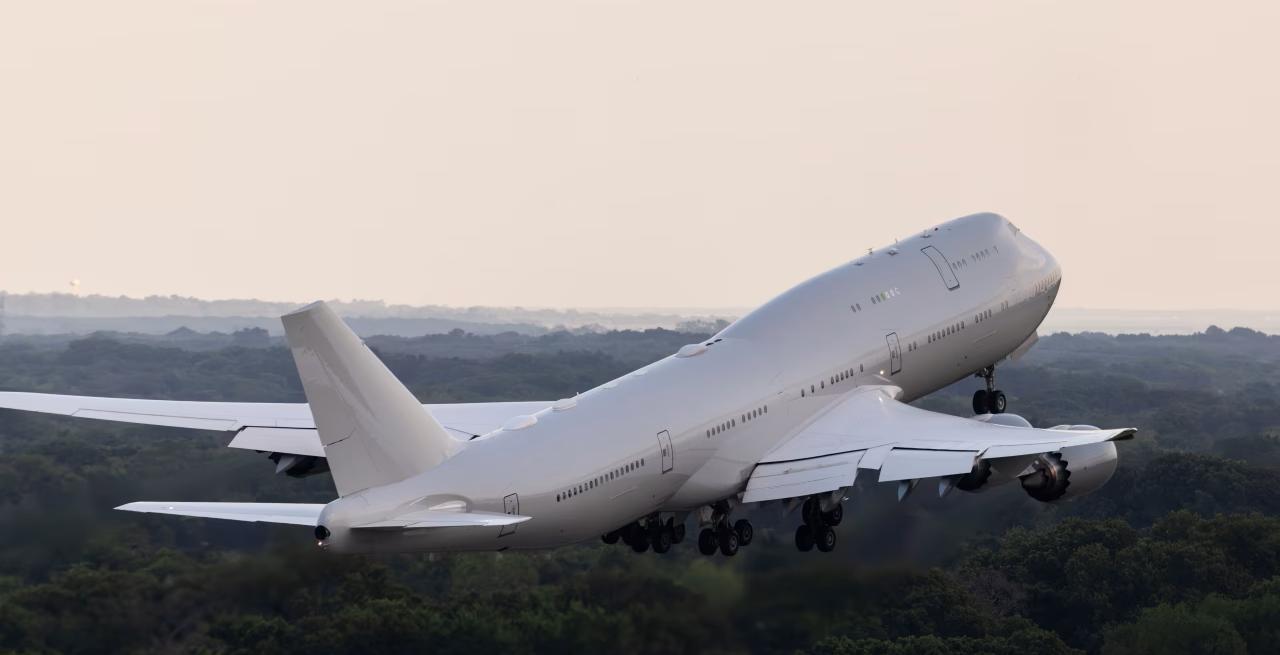
The Jumbo, registered A7-HBJ, was originally delivered to Qatar Amiri Flight in April 2012. It had served as a private aircraft for former Qatari prime minister Hamad bin Jassim, with its luxurious interior designed by Cabinet Alberto Pinto. After Qatar donated the aircraft to the United States, the Pentagon accepted it in May 2025, and it subsequently flew to Waco, Texas, on August 8 for modifications by L3Harris.
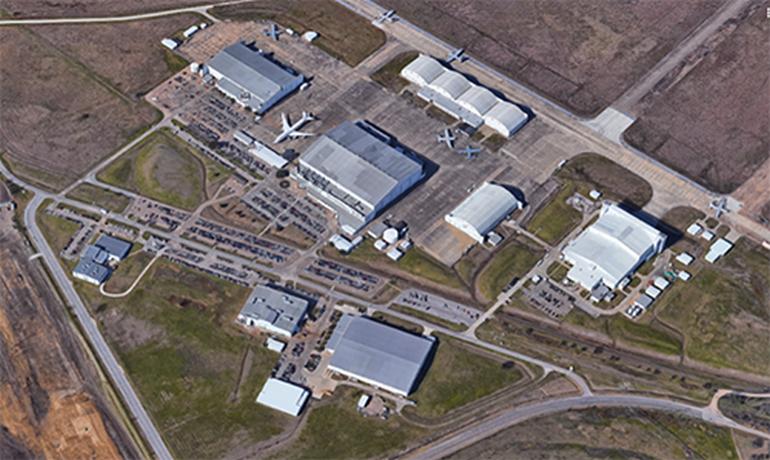
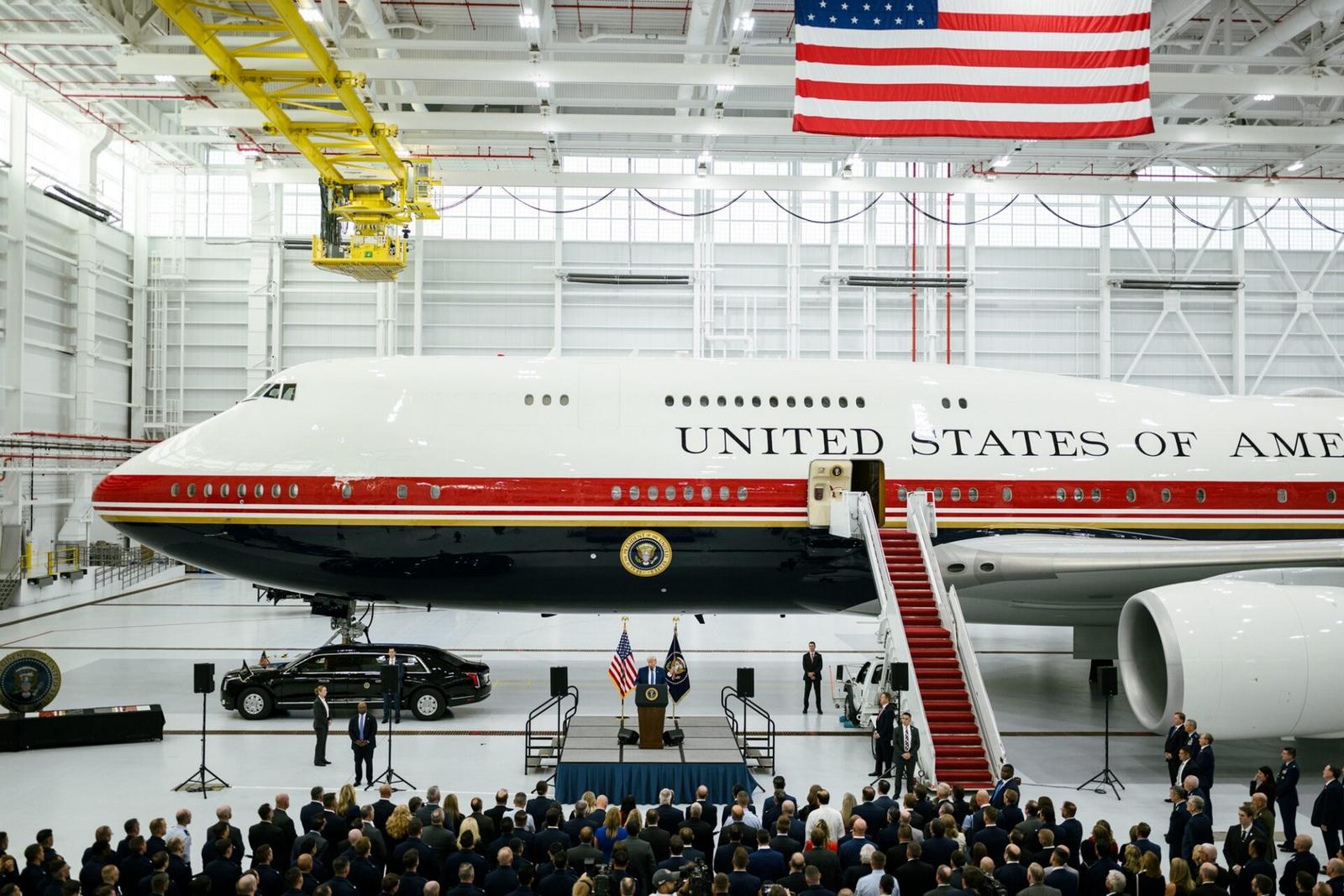
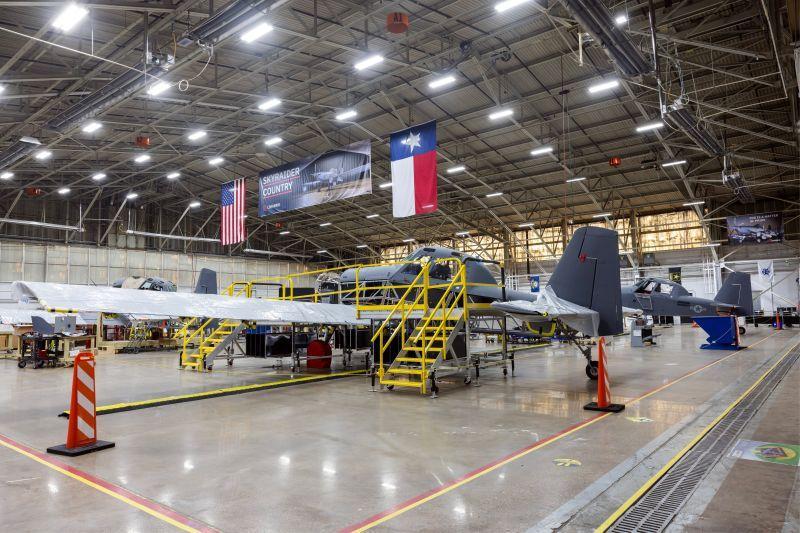
The conversion took place at the company’s campus at the Texas State Technical College airport, a facility with approximately 1.1 million to 1.2 million square feet of space, an 8,600-foot runway, and a paint hangar large enough to accommodate a 747-8. Around 400 technicians with high security clearances worked three shifts every day inside the heavily secured facility, completing the modifications in just 10 months. The scale and speed of the assignment made it one of the more unusual presidential aircraft conversion projects in recent years.
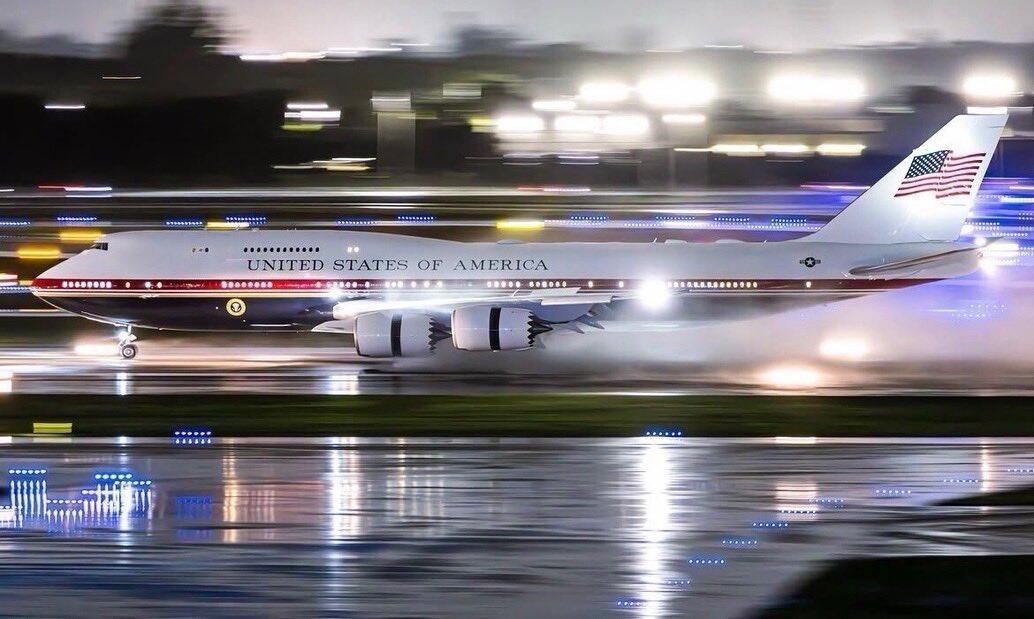
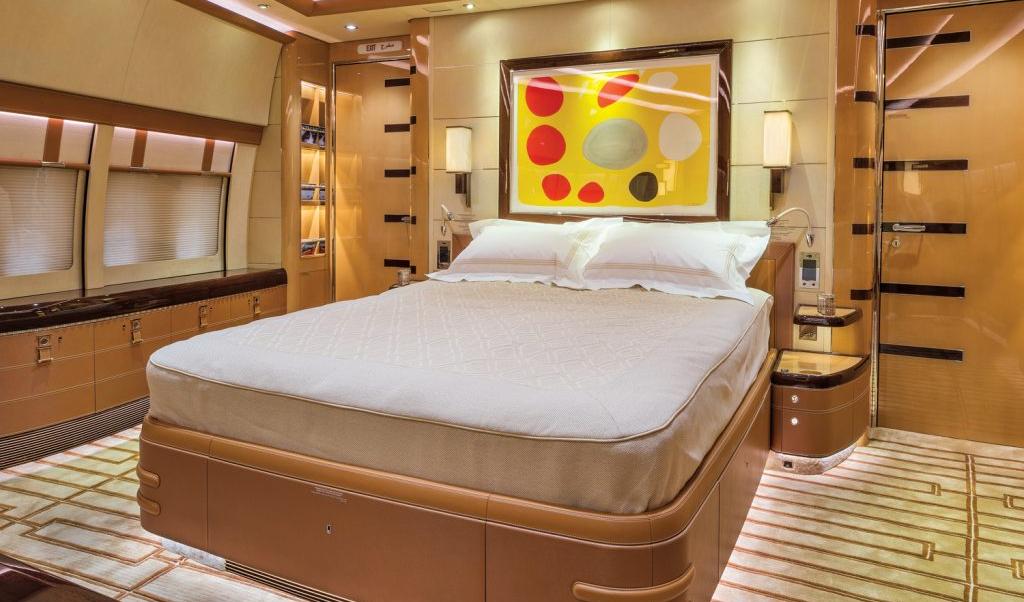
L3Harris installed an upgraded communications suite, serving as the prime contractor for the Senior Leader Communication System, alongside a self-deploying air stair. The interior received new leather, wood veneers, and presidential seals, while the exterior was finished in a bespoke red, white, and blue livery. Much of the original Qatari layout was retained, including all 10 restrooms. Only the modifications were certified rather than the entire aircraft.