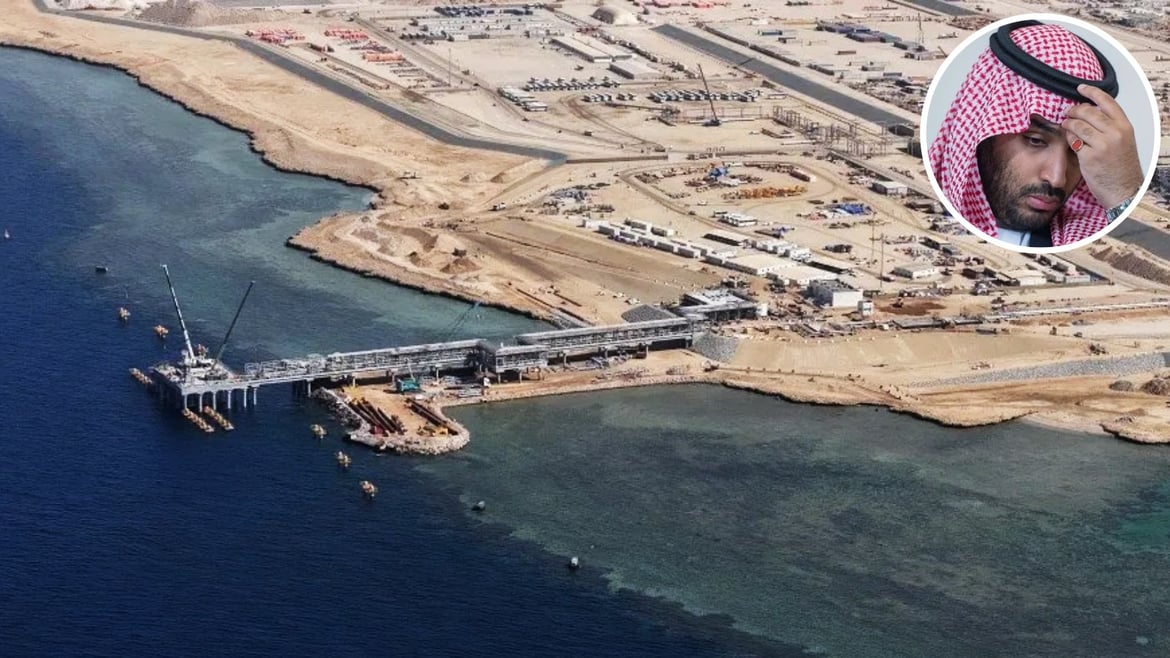
Saudi Arabia is laying the groundwork for what could become the world’s most expansive green hydrogen facility, a vast industrial hub that will stretch across more than 500 square kilometers. That makes it four times the size of San Francisco. The new project, set in the industrial port city of Yanbu, represents the Kingdom’s most ambitious attempt yet to dominate the global green hydrogen trade. It also reflects Crown Prince Mohammed bin Salman’s larger plan to transition the Kingdom into a post-oil energy superpower.

The Yanbu Green Hydrogen Hub will produce 400,000 tons of green hydrogen annually using 4 gigawatts of electrolysis capacity, as reported by Bloomberg. The hydrogen will be converted into green ammonia, a more stable and transport-friendly form, and exported to international markets. Developed by ACWA Power in partnership with Germany’s EnBW, the project includes desalination infrastructure, export terminals, and a supply chain network to support long-distance shipping. Unlike previous developments, the electricity to power the plant’s electrolyzers will come from solar and wind farms built separately, but the integration of water purification and port access on-site makes this a comprehensive industrial ecosystem.

This massive undertaking comes as Saudi Arabia’s first flagship hydrogen initiative in Neom struggles to attract buyers. The Neom Green Hydrogen Project, located in the futuristic Oxagon district, also features 4 gigawatts of renewable energy and plans to produce 219,000 tons of hydrogen per year. Although it was promoted as the world’s most advanced green hydrogen venture, it has yet to secure stable offtake agreements. That experience appears to be shaping the approach to Yanbu. With a more grounded location and logistical advantages, the new project is designed for quicker commercial alignment and scalability.

Saudi Arabia’s hydrogen ambitions are deeply tied to the Crown Prince’s broader environmental and economic agenda. At the Saudi Green Initiative, he stated that the program “aims to eliminate 278 million tonnes of carbon dioxide emissions per year by 2030.” That target hinges on the success of hydrogen projects like Yanbu, which offer a cleaner alternative to fossil fuels for hard-to-decarbonize industries such as steel, fertilizer, and maritime shipping.

Mohammed bin Salman has repeatedly emphasized that the Kingdom’s responsibility in the energy sector now includes leadership in the global climate effort. “As a leading global oil producer, we are fully aware of our responsibility in advancing the fight against the climate crisis, and just as we played a leading role in stabilizing energy markets during the oil and gas era, we will work to lead the coming green era,” he said. That framing casts Saudi Arabia not as an oil-dependent nation being dragged into the future but as a willing and strategic player shaping it.

The scale of the Yanbu project, which could rival small countries in land area, is emblematic of this shift. It signals a new chapter in Saudi energy policy, one that retains the Kingdom’s traditional scale and ambition but redirects it toward global decarbonization. Whether Yanbu will succeed where Neom has stumbled is not yet certain, but its market-oriented design and integration with existing infrastructure give it a clear strategic edge. More than just a plant, Yanbu is a marker of Saudi Arabia’s evolving identity in a changing energy world.