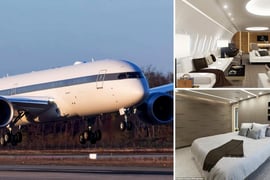
Private jets have traditionally been among the most expensive depreciating assets money can buy, but something unusual is happening in the business aviation market. Wealthy buyers are discovering that a newly delivered aircraft can sometimes be worth millions more than what they originally paid for it, creating an unexpected opportunity to make money without spending years operating the jet. The AI boom has brought a fresh wave of wealthy entrepreneurs, investors, and technology executives into private aviation, while manufacturers struggle to keep up with demand. The result is a market where getting your hands on a desirable aircraft can be almost as valuable as owning one.
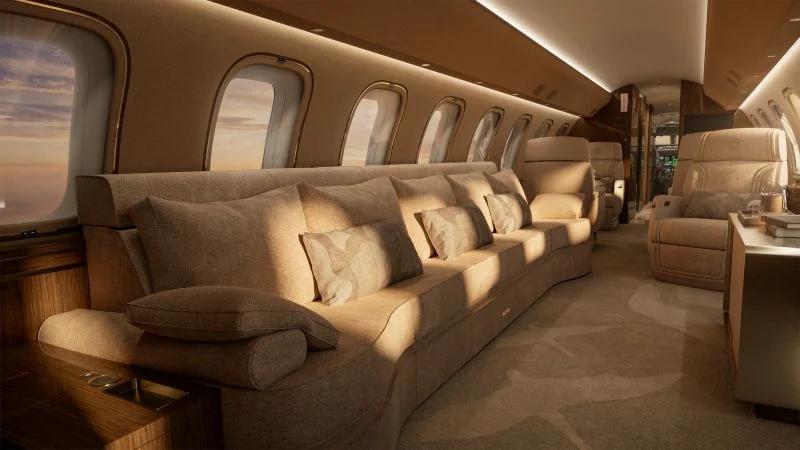
According to the Financial Times, some buyers are now selling private jets shortly after taking delivery, with one publicly listed company reportedly selling an aircraft ordered for $77 million for $84 million, before it was subsequently offered off-market in the mid-$90 million range. Oliver Tebbit, an aviation lawyer at HFW, told the newspaper that anyone taking delivery of a new heavy jet is likely to find a ready resale market. The opportunity comes from a growing imbalance between buyers looking for immediate availability and manufacturers struggling to deliver aircraft on time.
The business of making millions before takeoff
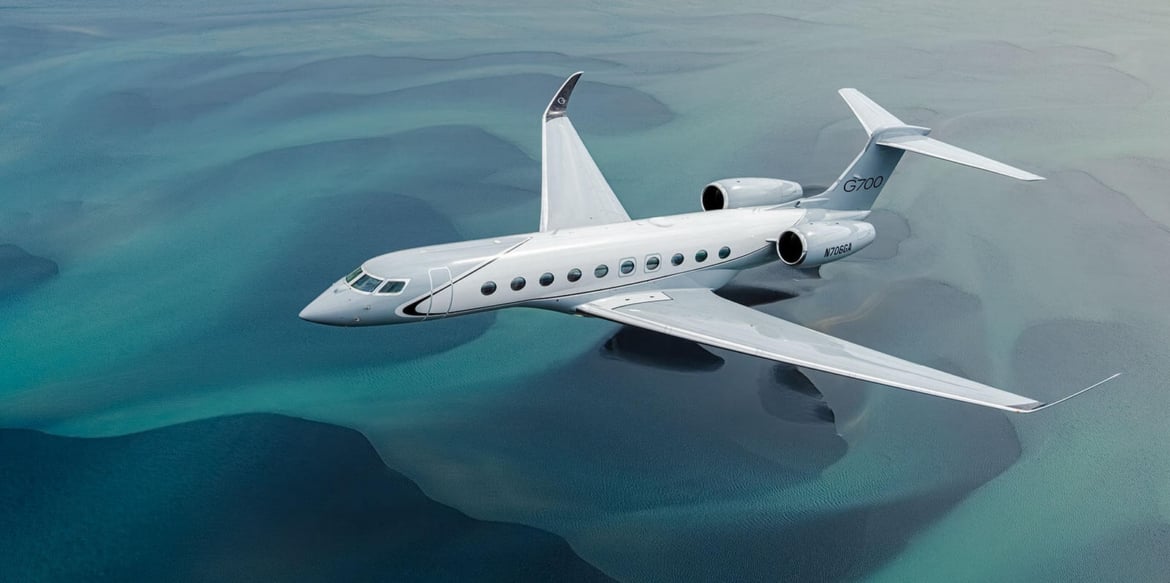
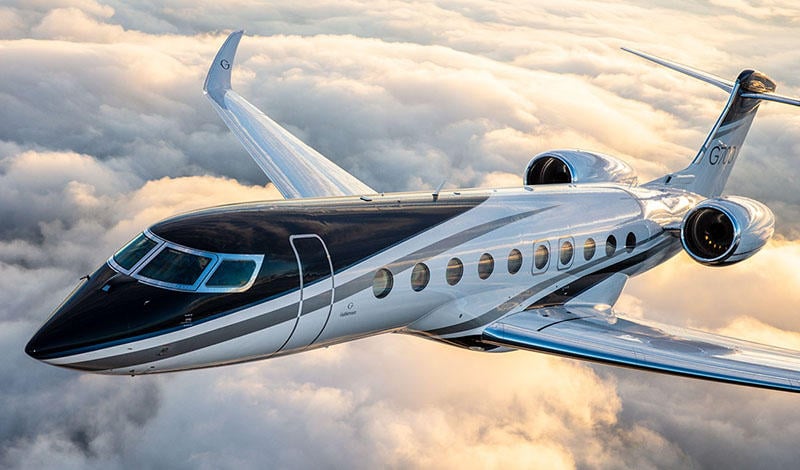
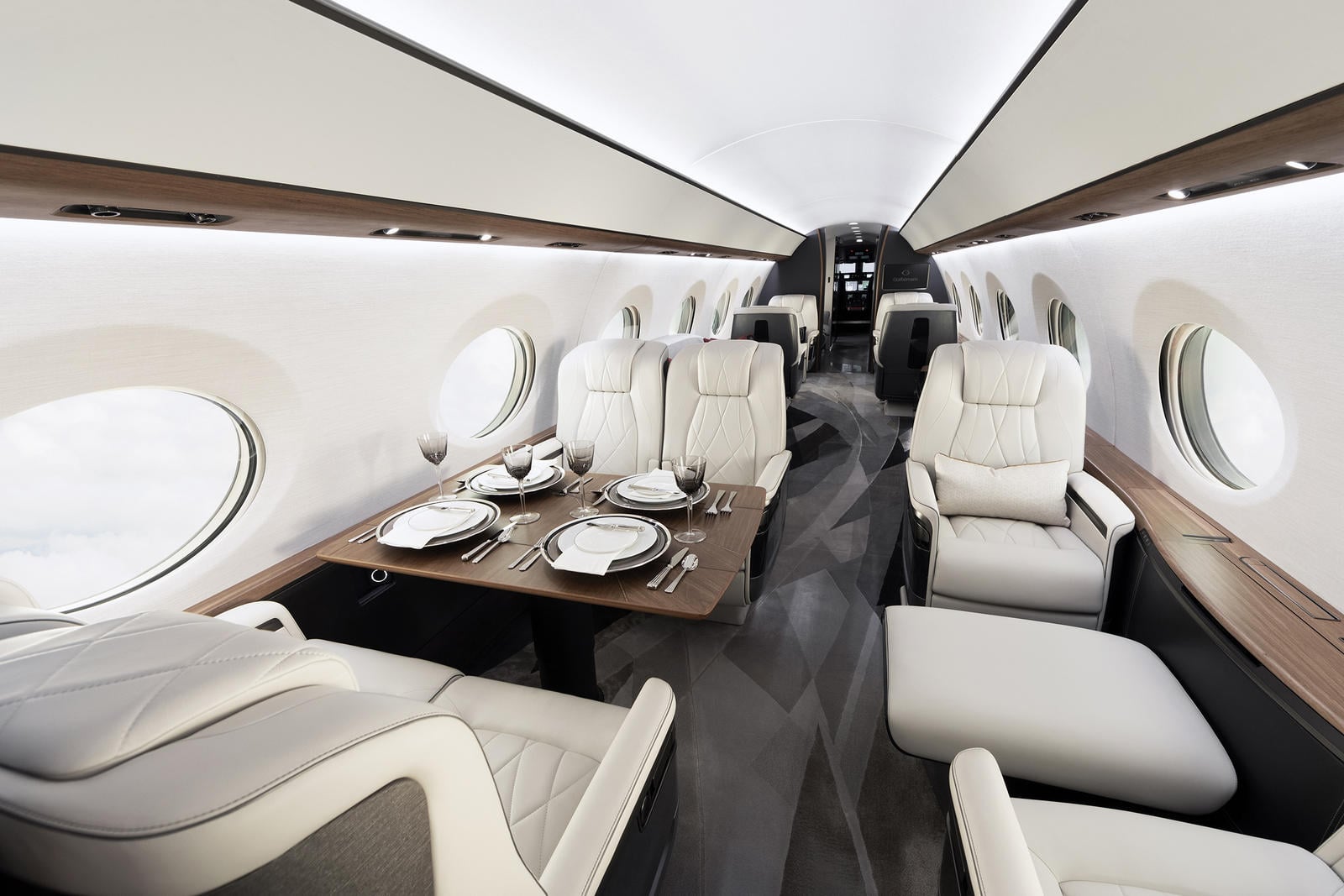
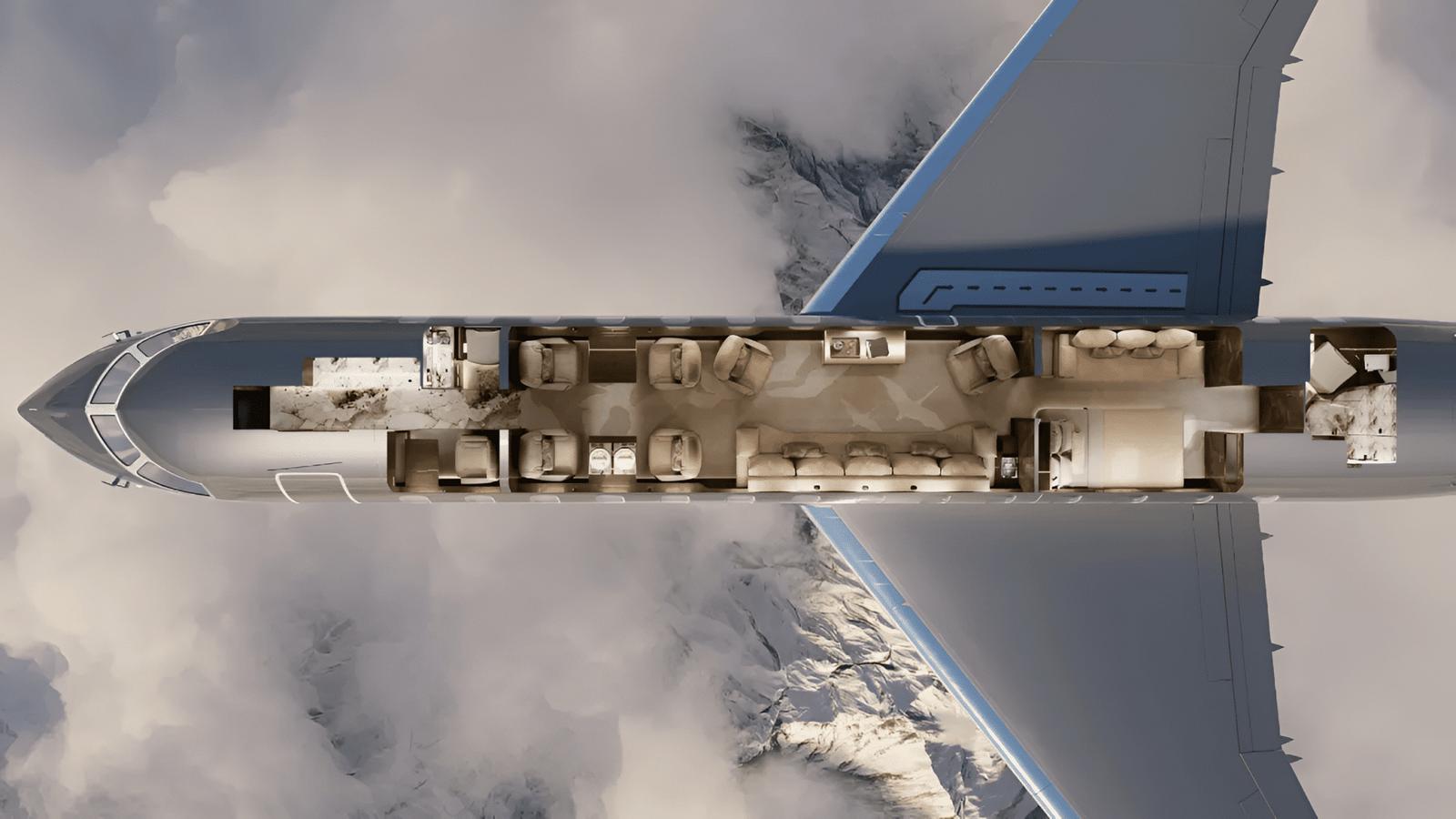
The Gulfstream G700 is a good example of why this market has become so attractive. A new aircraft typically costs around $80 million before customization, and Tebbit estimates that it could command a resale premium of approximately 10%, potentially adding $8 million to its value. Aircraft broker Gemcan also identified G700 asking prices of roughly $84 million to $91 million in an August 2026 market snapshot, against an indicative new-build range of $80 million to $85 million. These are asking prices rather than confirmed transactions, but they illustrate how much buyers may be willing to pay for an aircraft that is immediately available for sale.
The supply situation explains much of this enthusiasm. Jetnet recorded 818 large-jet resale transactions in the 12 months through September 2026, a 14.6% increase, compared with growth of just 1.8% across all business-jet categories. Meanwhile, four major manufacturers had a combined order backlog of $61.6 billion, with Bombardier alone reporting $22.2 billion at the end of September. Depending on the manufacturer and model, buyers can face waiting periods of 18 to 26 months, while certain Gulfstream customers may be looking at more than two years. Some particularly sought-after heavy jets could have delivery positions extending to 2029 or 2030.

AI money is changing the private aviation business
The AI industry is helping fuel this demand by creating a new generation of wealthy customers who do not necessarily want to wait years for an aircraft. The Financial Times also highlighted how a data-center builder was chartering jets across the United States and Europe while waiting for a new long-range Bombardier to be delivered. Flexjet CEO Andrew Collins said technology wealth had helped reduce the average age of his company’s customers by approximately a decade, while charter operators are encountering younger clients who expect quick bookings through apps and WhatsApp.
US tax policy is adding another incentive, with the One Big Beautiful Bill Act introducing 100% bonus depreciation for qualifying aircraft purchases. However, eligibility and subsequent resale can affect the actual tax benefits, so it is not a straightforward buy-and-flip tax strategy. Meanwhile, fractional aviation is gaining popularity, with large-cabin fractional flights in North America rising 18.6% year over year in October, even as overall business-aircraft operations declined 2.7 percent.
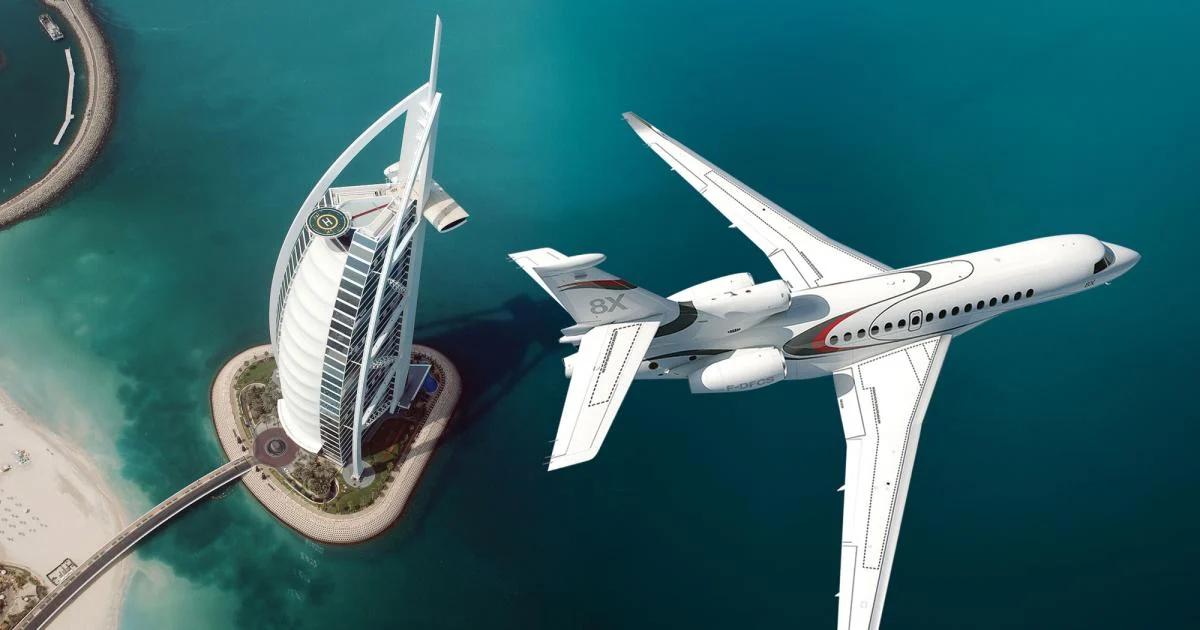
For now, the unusual economics of private aviation are creating an opportunity for people who secured aircraft orders before the market became this competitive. As Mike Francis, Citi’s head of aviation finance, put it, if someone has the chance to make $10 million with virtually no effort, why wouldn’t they? In a market where a delivery slot can take years to secure, the ability to sell a brand-new private jet immediately after receiving it has become a rather extraordinary luxury business.