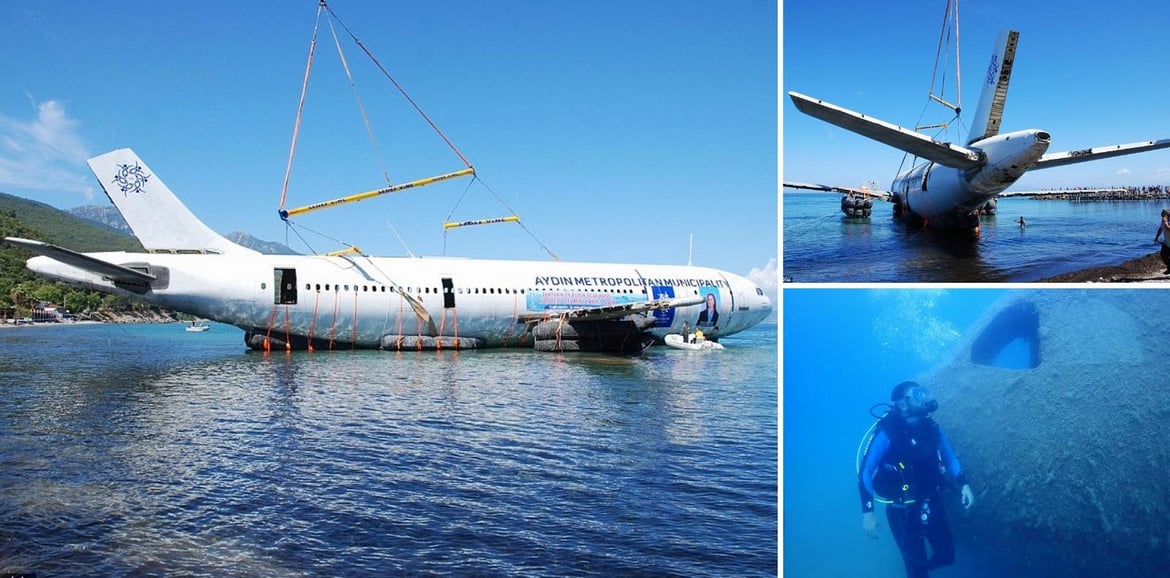
A retired Airbus A300 ended its flying career in a rather unusual place, not in an aircraft graveyard or a scrapyard, but beneath the Aegean Sea. In 2016, Turkey deliberately sank the wide-body airliner off the coast of Kuşadası in an ambitious attempt to create an artificial reef and give scuba divers another reason to visit the popular resort town.
The unusual project combined marine conservation with tourism, transforming a 36-year-old aircraft into a permanent underwater attraction. Rather than allowing the retired jet to simply disappear into scrap metal, local authorities saw an opportunity to build something that could benefit both marine life and the region’s tourism industry.
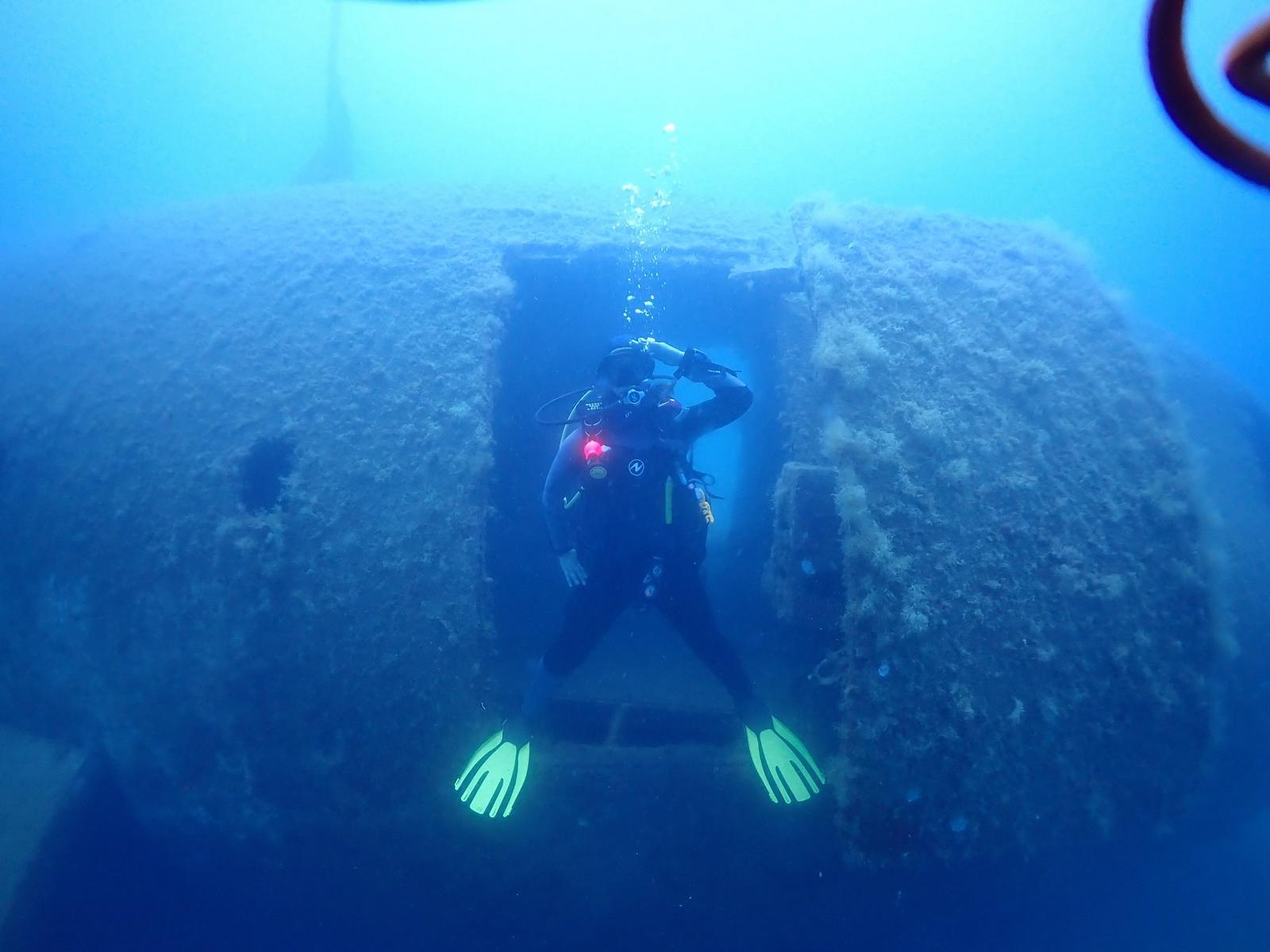
The aircraft, known as the Neopolis A300, now rests at roughly 20 meters underwater, making it accessible to recreational divers. According to Kuşadası Diving Center, the plane was thoroughly cleaned before being submerged, with equipment and other potentially harmful materials removed to prevent damage to the marine environment. That preparation was important because the aircraft was intended to become more than an underwater curiosity. Over time, the enormous metal structure would provide surfaces for marine organisms to colonize while creating a striking wreck-diving site where visitors could explore an actual airliner beneath the sea.

An airliner gets a second life underwater
The A300 measured about 54 meters long and had a wingspan of roughly 44 meters, although diving operators give slightly larger measurements. It had been in service for 36 years when the Aydın municipality purchased it from a private aviation company for 270,000 Turkish lira, around $95,000 at the time. The municipality wanted to use the aircraft to strengthen Kuşadası’s position as a diving destination while helping spread tourism beyond the conventional summer season. Officials also hoped the artificial reef would encourage marine life and support the development of a year-round tourism economy.
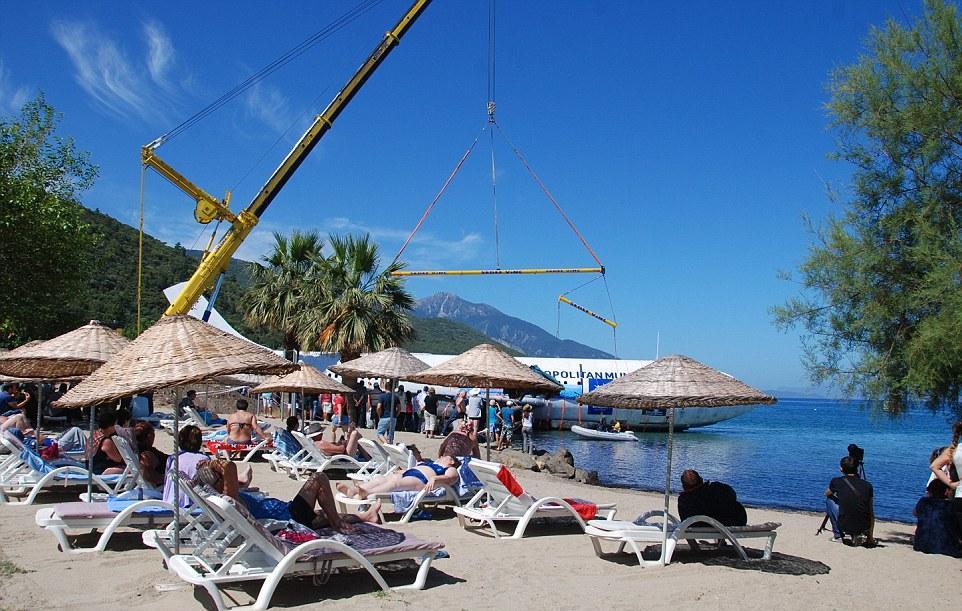
Getting such a large aircraft underwater was an event in itself. Hundreds of people gathered on boats to watch as the A300 was slowly lowered into the sea, with cheers and foghorns accompanying its descent. The entire operation took around two and a half hours, ending with the aircraft disappearing beneath the surface nose first. Turkey had already experimented with sinking smaller aircraft to create artificial reefs, but the A300 represented a much larger and more ambitious attraction for divers.

The wreck was designed with exploration in mind. Kuşadası Diving Center says it has three doors on each side, giving divers access to the aircraft’s interior, including the cockpit. The site is intended for two-star or higher-level divers and is visited under the supervision of experienced instructors. Marine life has also begun to make the aircraft part of its underwater environment, with divers able to encounter creatures such as amberjack, black bream, lobsters and sea rabbits around the wreck.

When retired aircraft become underwater attractions
Turkey’s A300 was part of a broader idea that has appeared in several parts of the world, where retired aircraft are given an unexpected second career beneath the waves. Artificial reefs can provide new surfaces and shelter for marine organisms, while aircraft wrecks add a distinctive attraction for divers who want something beyond conventional coral reefs and rock formations. For Kuşadası, the calculation was especially straightforward because a huge passenger jet offered an instantly recognizable attraction that could be explored underwater while contributing to the region’s marine environment.
Bahrain took the concept even further when it sank a Boeing 747 and made the aircraft the centerpiece of what was billed as the world’s largest underwater theme park. The aircraft became part of a much larger submerged attraction designed to draw divers, showing how retired commercial jets can be transformed from obsolete machines into tourism landmarks. Turkey’s A300 may have been smaller in scale, but its story is just as unusual: an aircraft that once carried passengers through the sky was deliberately placed on the seabed, where its new life would be measured not in flight hours but in the marine life and divers it attracted.
For Kuşadası, the project offered a clever way to turn an aging piece of aviation history into something with a future. The A300 no longer connects cities or carries travelers across countries, yet it continues to bring people together in a completely different setting. Its fuselage has become a place for divers to explore, its exterior has become part of an artificial reef, and its presence has added another unusual chapter to Turkey’s long-running effort to expand underwater tourism.