America once dreamed of building a supersonic passenger aircraft that would leave Concorde trailing behind, carrying nearly three times as many passengers at speeds approaching Mach 3. Boeing’s ambitious Model 2707 was supposed to make that vision a reality, backed by billions of dollars in development spending and the promise of a new era in commercial aviation. President John F. Kennedy had set the challenge in 1963, calling for an American supersonic transport “superior to that being built in any other country of the world.” Government advisers believed that a better American aircraft could arrive two or three years after Concorde and still capture most of the global supersonic airliner market.

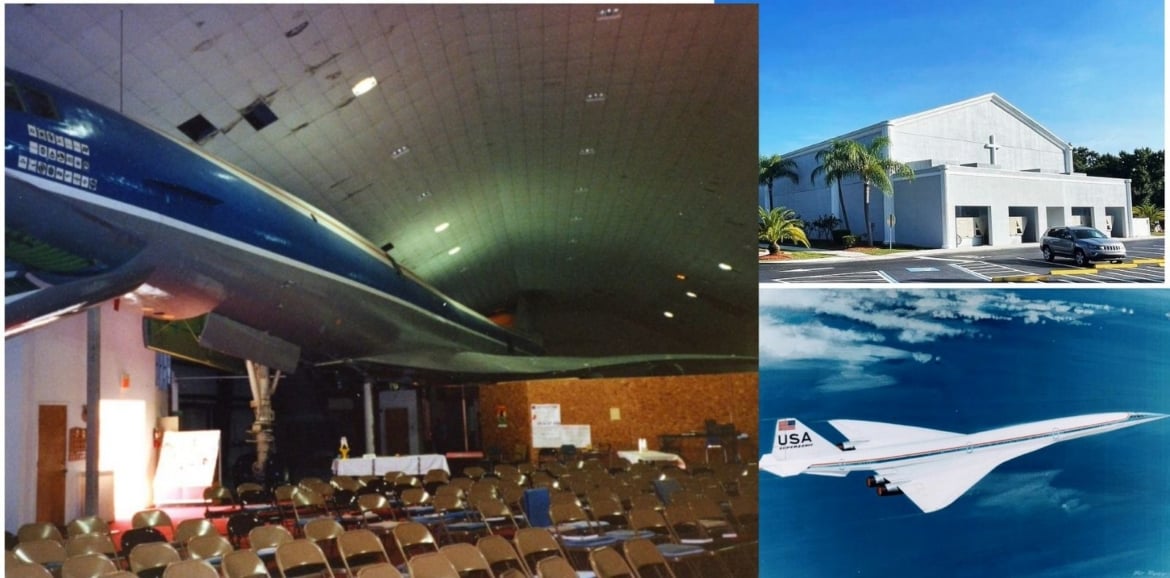
Yet the aircraft never flew, and one of the most extraordinary remnants of the abandoned program found an unlikely second life thousands of miles from the drawing boards in Washington. Its full-size metal mock-up eventually became an enormous backdrop to church services in Kissimmee, Florida, where a congregation inherited the structure along with a former aviation museum.
The aircraft’s presence inside the church was so unusual that it even formed part of the sanctuary’s physical setting, rather than simply occupying a neighboring hangar. According to an article published in 1990 by the Orlando Sentinel, the mock-up was visible behind the preaching platform, with its tail rising above the congregation.
The supersonic dream that never took flight
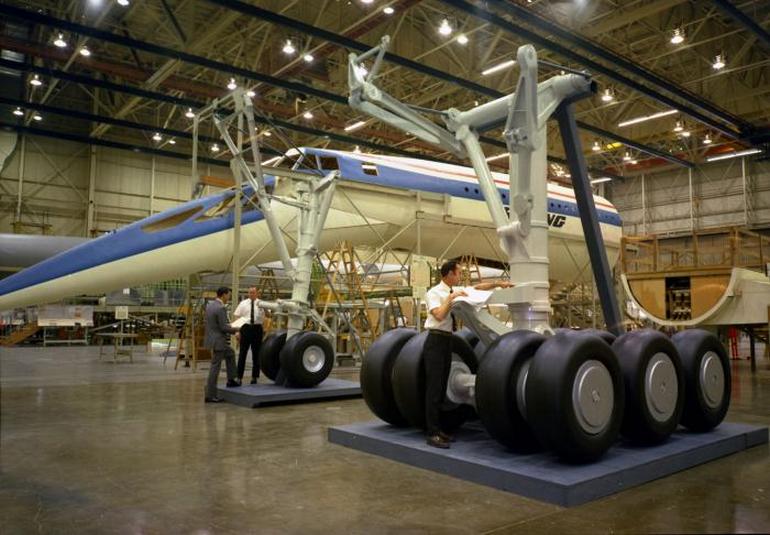
The Boeing 2707 emerged from America’s determination to compete with the Anglo-French Concorde and the Soviet Union’s Tupolev Tu-144, both symbols of the international race to make supersonic passenger travel commercially viable. Initiated in 1963, the American Supersonic Transport program selected Boeing’s proposal on December 31, 1966, with the company envisioning an aircraft approximately 318 feet long, capable of cruising at Mach 2.7 above 60,000 feet.
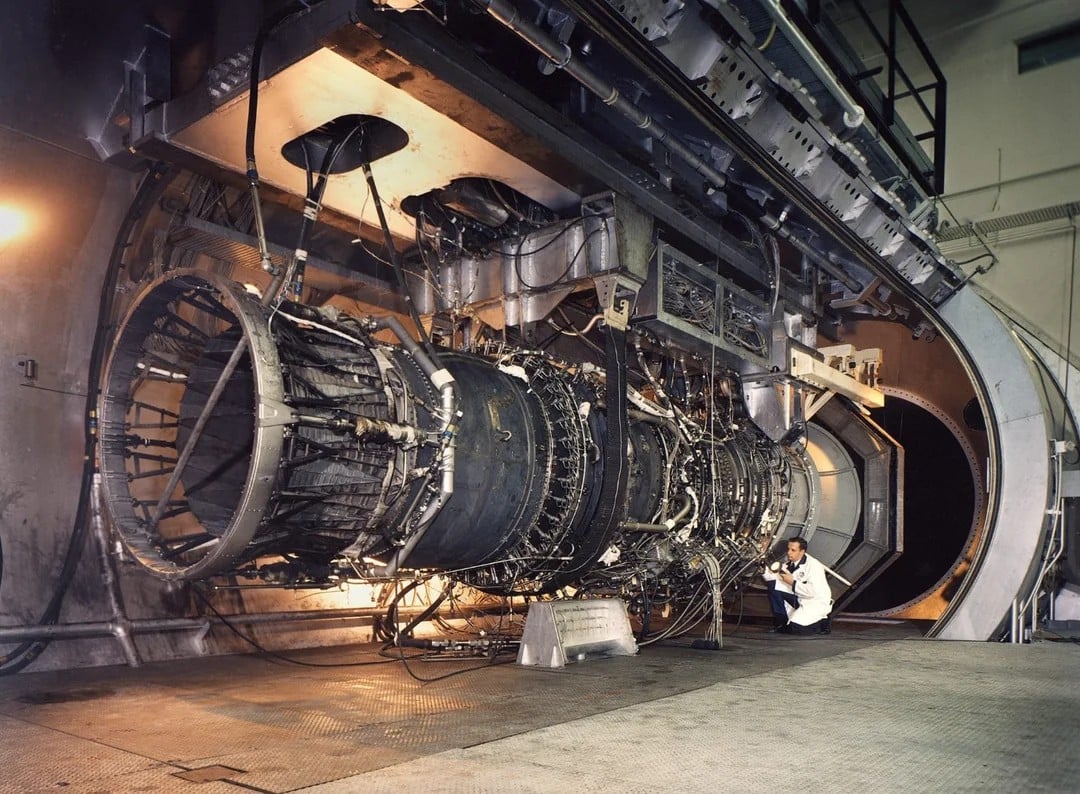
Its evolving designs contemplated between 250 and 300 passengers, considerably more than the approximately 100 carried by British Airways’ Concordes, while Boeing recorded interest in 122 aircraft from 26 airlines. The proposed General Electric GE4 powerplant was equally ambitious, with the Smithsonian describing it as the largest straight turbojet engine ever built, although the engines reached ground testing without the aircraft progressing to a flying prototype.
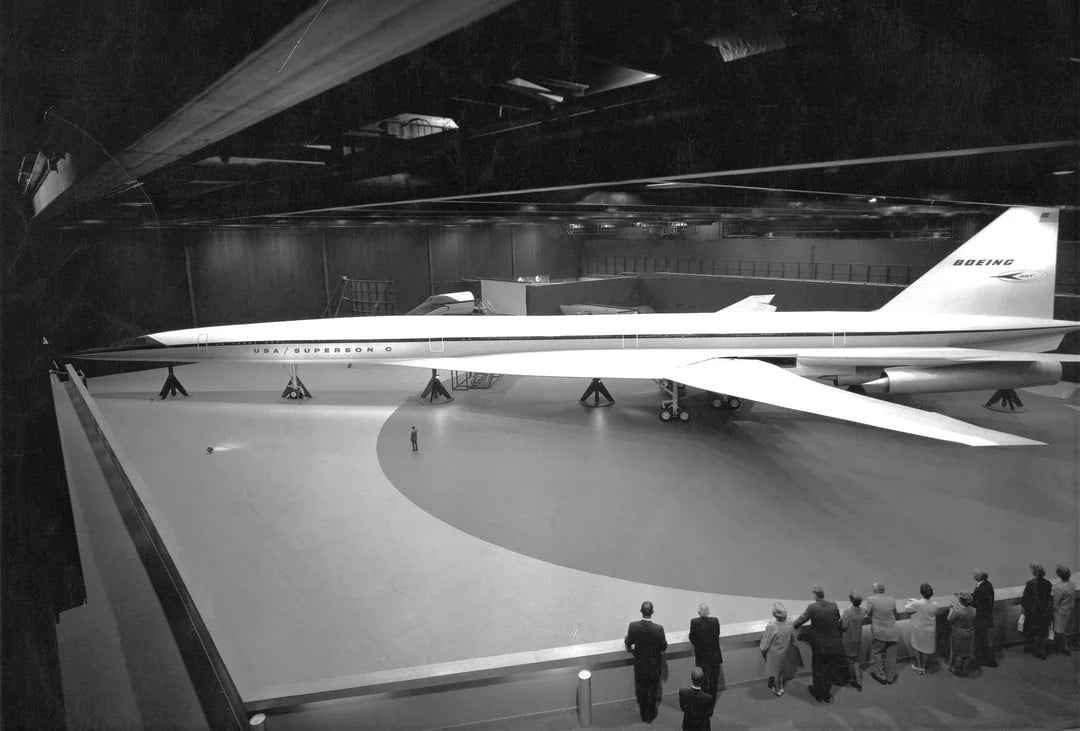
The program nevertheless encountered formidable obstacles, including an increasingly complicated design, escalating costs, uncertain commercial prospects and growing opposition to sonic booms and environmental consequences. Boeing initially pursued variable-geometry wings that could change position during flight, but the mechanism proved too heavy, forcing the company to abandon the configuration in 1968 in favor of fixed wings.
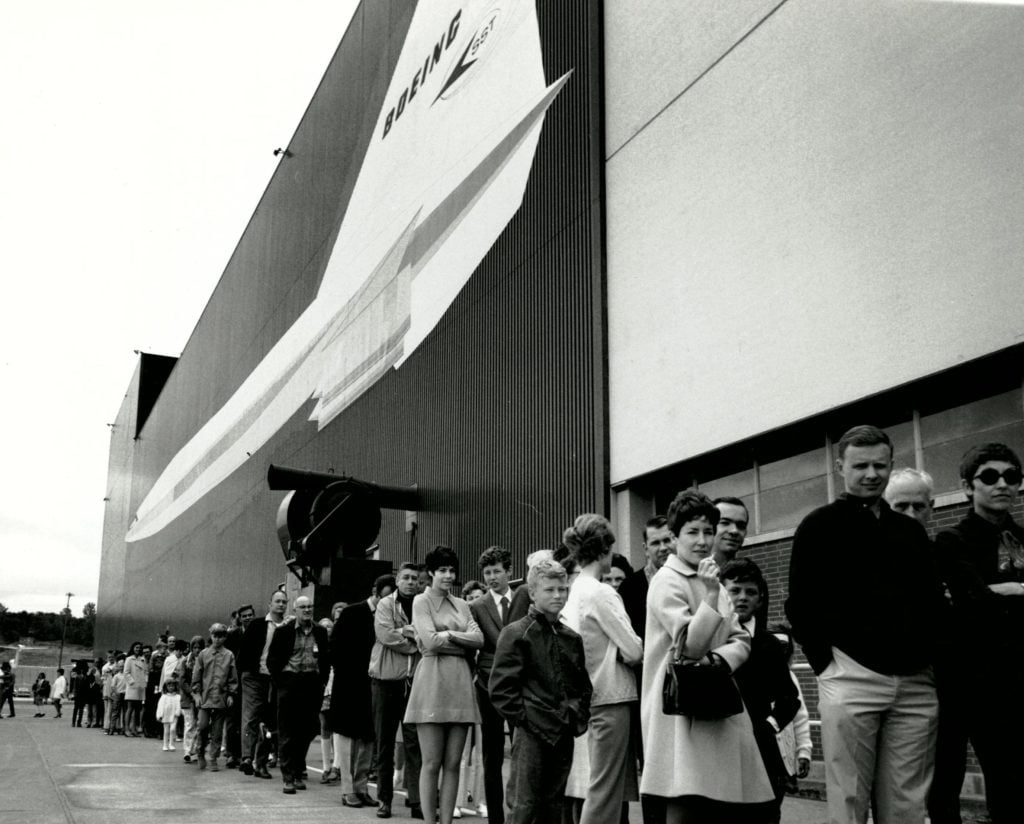
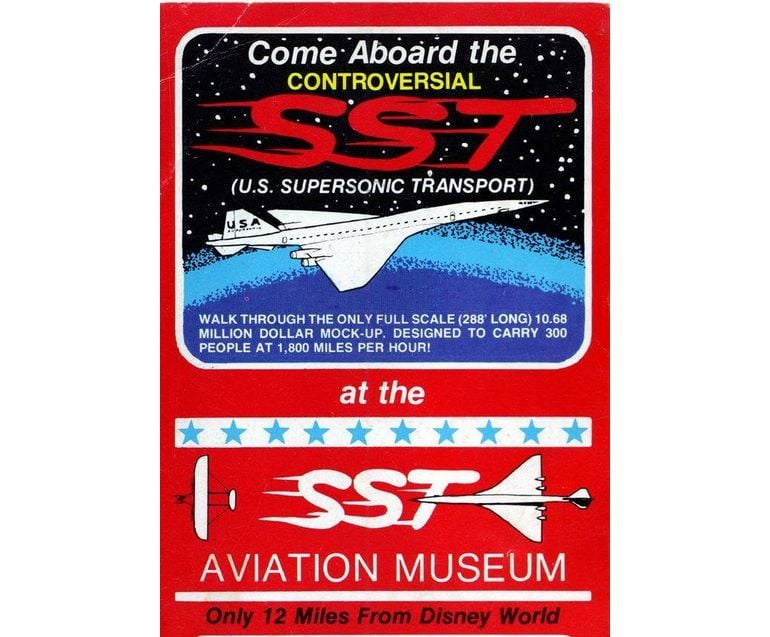
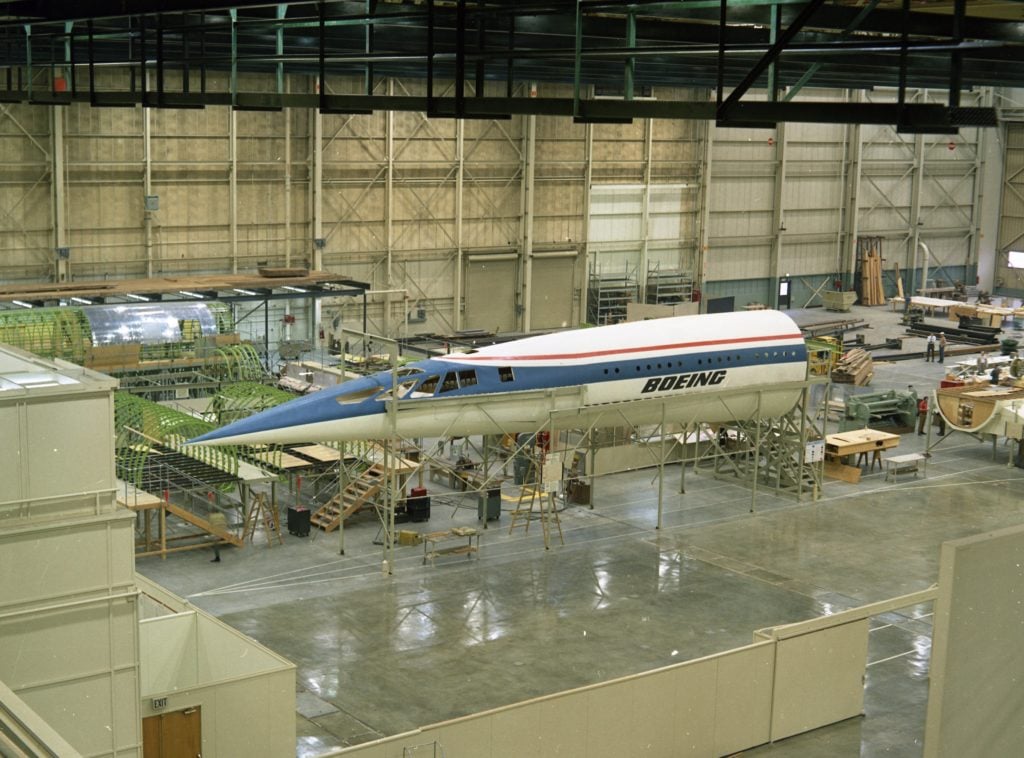
Federal funding ended in March 1971 after more than $1.2 billion had been spent on development, leaving behind an unrealized aviation ambition and a full-size metal mock-up that Boeing eventually decided to sell. A sealed-bid auction brought Nebraska millionaire Marks Morrison into the story, with his winning offer of $31,119 securing the enormous structure for a proposed aviation museum in Florida.
From seven railroad cars to a church pulpit
Morrison joined forces with former pilot and aircraft salvage specialist Don Otis, who helped arrange the complicated relocation of the mock-up from Boeing’s facilities in Seattle to Kissimmee. In January 1973, the structure was dismantled, loaded onto seven railroad cars and transported to a concrete foundation in a former cow pasture approximately 15 miles east of Walt Disney World.
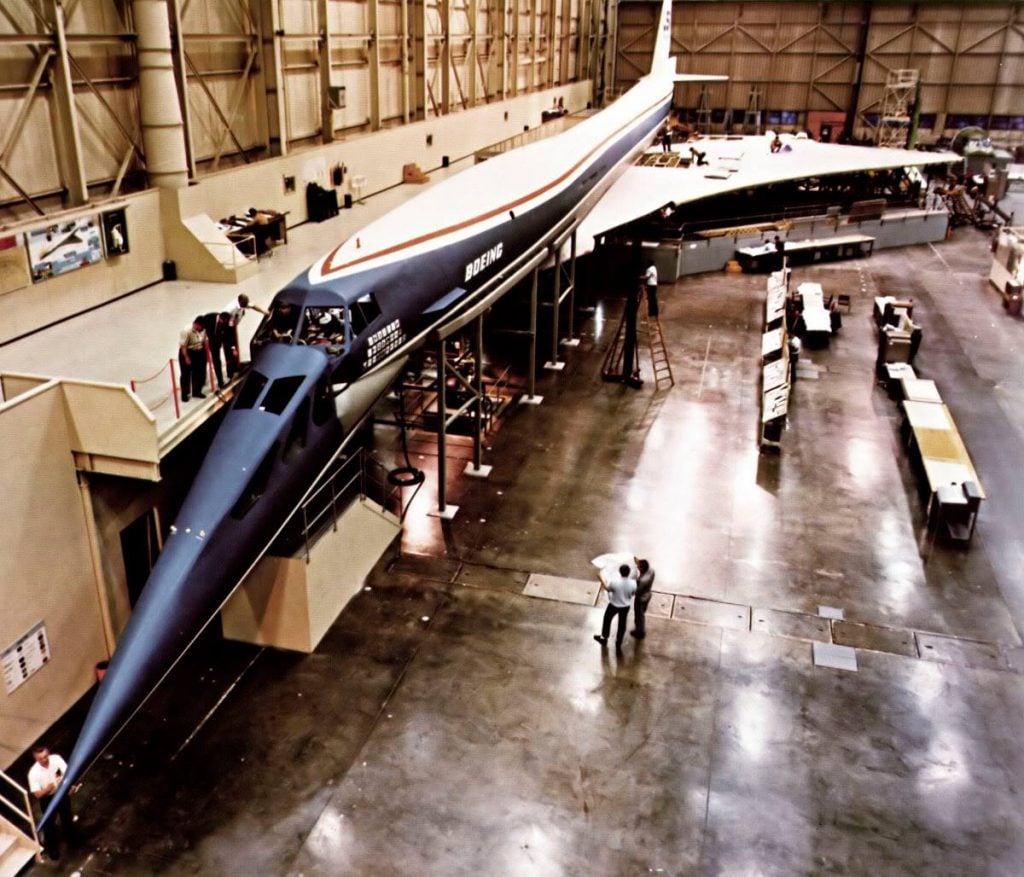
The SST Air Museum opened on July 4 that year, displaying the aircraft alongside a Mercury space capsule and several rare World War II airplanes, but dwindling attendance eventually forced the attraction to close in 1981. While the museum’s other exhibits found new homes, the Boeing mock-up remained because moving it intact was expensive and dismantling it risked damaging the structure.
The former museum subsequently passed through church ownership, with Faith World occupying the premises from 1983 to 1988 before Osceola New Life Assembly of God moved in during October 1989. Pastor Ernie DeLoach, nicknamed “the plane preacher” by his colleagues, found himself conducting services with the enormous structure at the rear of the auditorium, its tail and USA Supersonic markings visible from the preaching platform.

Although DeLoach appreciated the aircraft’s historical significance, he wanted the massive mock-up removed because it obstructed the church’s renovation and expansion plans, including the construction of a two-story educational facility with Sunday-school classrooms. Children were fascinated by the aircraft and would ask him, “Pastor, give us a tour, take us up,” but their enthusiasm could not resolve the congregation’s practical dilemma.
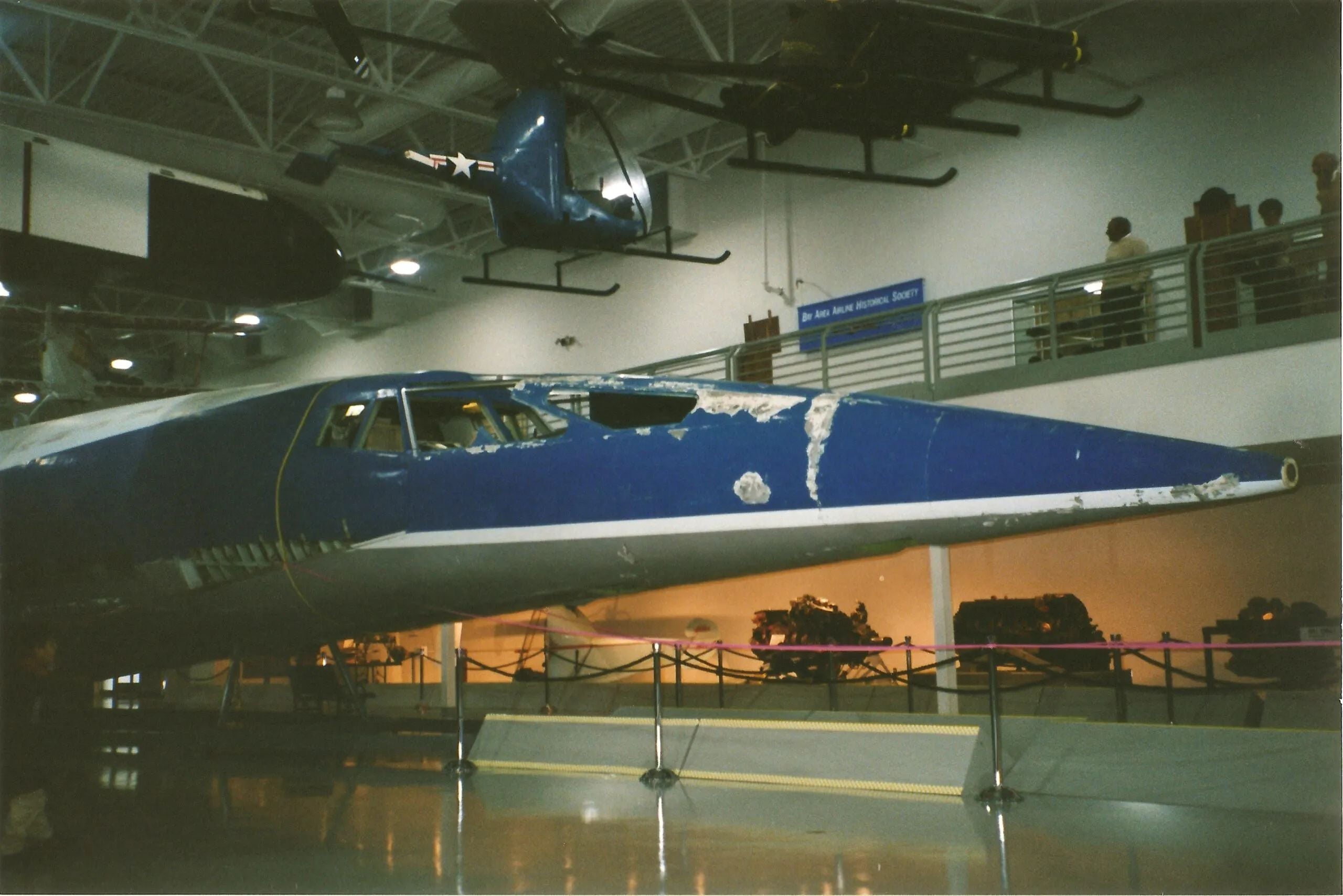
On August 1990, the Orlando Sentinel reported that aviation specialists estimated it would cost at least $100,000 to dismantle, transport, and reassemble the mock-up elsewhere, while a proposed $10,000 scrap sale had just fallen through, leaving DeLoach hoping someone would save the artifact before it was destroyed. The mock-up eventually escaped the scrapheap, although its subsequent journey was almost as improbable as its years inside the church. Aircraft collector Charles Bell arranged to move it to Merritt Island, Florida, where it became a roadside attraction, but prolonged exposure to the elements caused substantial deterioration.
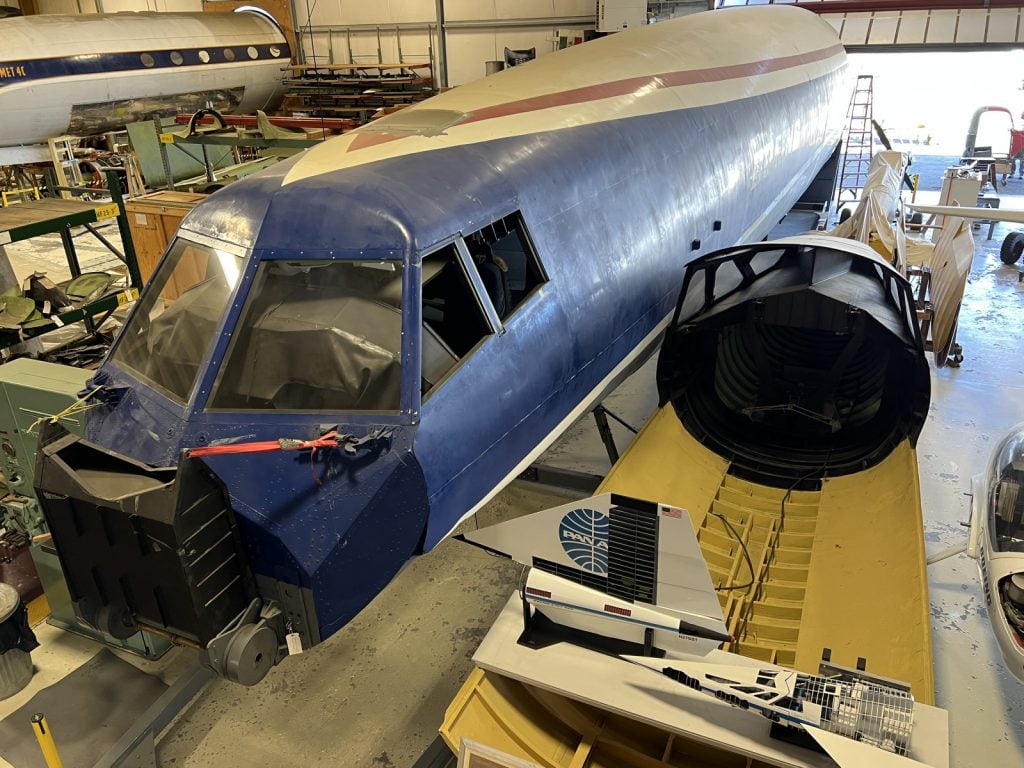
In 1998, Stan Hiller purchased the remains for $50,000, retaining the nose section for his aviation museum in California, where the surviving structure even hosted children’s story time. The nose later returned to the Seattle area in April 2013 and remained at the Museum of Flight’s restoration facility in Everett, Washington, as of the museum’s subsequent reporting.
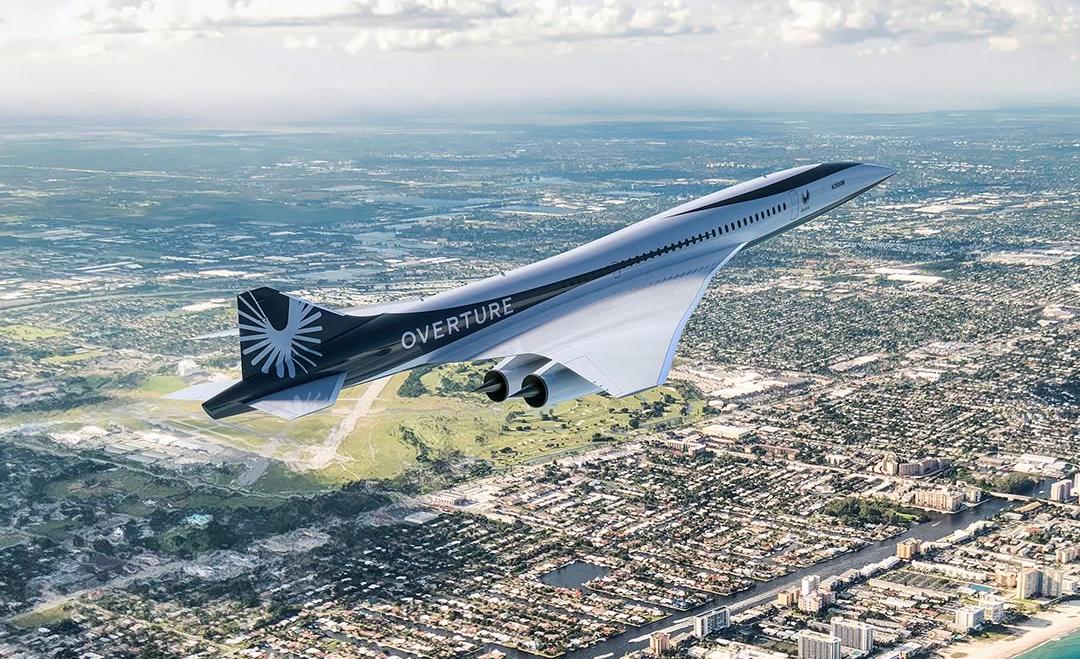
America’s new Concorde rival
More than half a century after the Boeing 2707 program ended, the pursuit of commercially viable supersonic passenger travel continues through companies such as Boom Supersonic. Its XB-1 demonstrator completed supersonic test flights in 2025, helping advance the company’s efforts to develop technologies for its proposed Overture passenger aircraft. Unlike Boeing’s ambitious 1960s project, Boom is pursuing a different aircraft design and a modern development strategy, although the commercial challenges of operating supersonic passenger services remain significant.
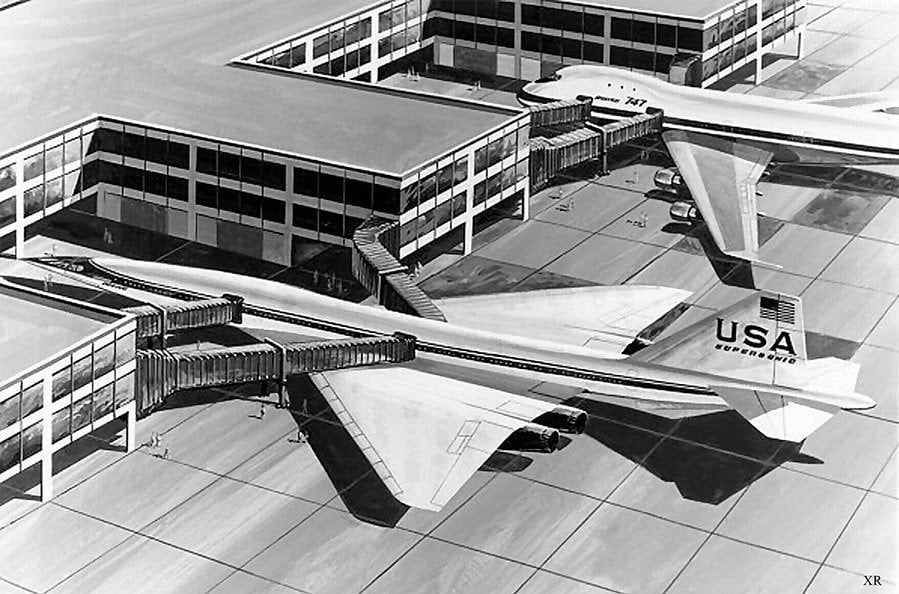
The comparison serves as a reminder that the dream behind the Boeing 2707 never entirely disappeared, even as its most visible surviving remnant spent years above a Florida congregation, weathered the elements beside a road and eventually returned to the region where it was conceived.