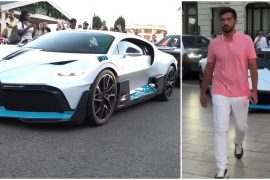
When you’re planning the perfect Monaco summer with your limited-edition hypercar, the last thing you expect is for your prized investment to take a dive. Yet that’s exactly what happened when a delivery truck’s loading ramp collapsed under the weight of a $3.5 million Pagani Huayra Roadster, sending it tumbling off the back during what should have been a routine unloading process.

The Pagani Huayra Roadster isn’t just any supercar, it’s a hand-built hypercar made in very, very limited numbers. With 754 horsepower delivered by its Mercedes-AMG twin-turbo V12 engine, it can accelerate from 0-60 mph in just 3.1 seconds and reach a top speed of 210 mph.

Weighing in at just 2,756 pounds dry, the Roadster demonstrates Pagani’s mastery of carbon fiber and titanium construction, which incidentally makes it even lighter than the Huayra coupe it’s based on. With entire sections of the Huayra’s body made of the expensive material, it’s likely to be a very, very expensive summer for the owner.

The Huayra Roadster commanded a $2.4 million price tag when new. Given the limited production run and Pagani’s reputation for appreciation, current market values often exceed that significantly. Then there’s the insurance nightmare. Supercar insurance typically ranges from $1,500 to $35,000 annually, with hypercars commanding even higher premiums. For a $3.5 million Pagani, owners could easily face annual insurance costs of $50,000 to $75,000 or more, depending on driving history, storage conditions, and coverage levels. High-end hypercars like the Bugatti Chiron can cost $50,000 annually to insure, putting the Pagani in similar territory.
What makes this incident particularly painful is the exclusivity factor. Pagani produced only a handful of Roadsters, totalling 100 units. The waiting list would’ve stretched for years, and many examples were bought by collectors who’ve built relationships with the Italian manufacturer over decades.
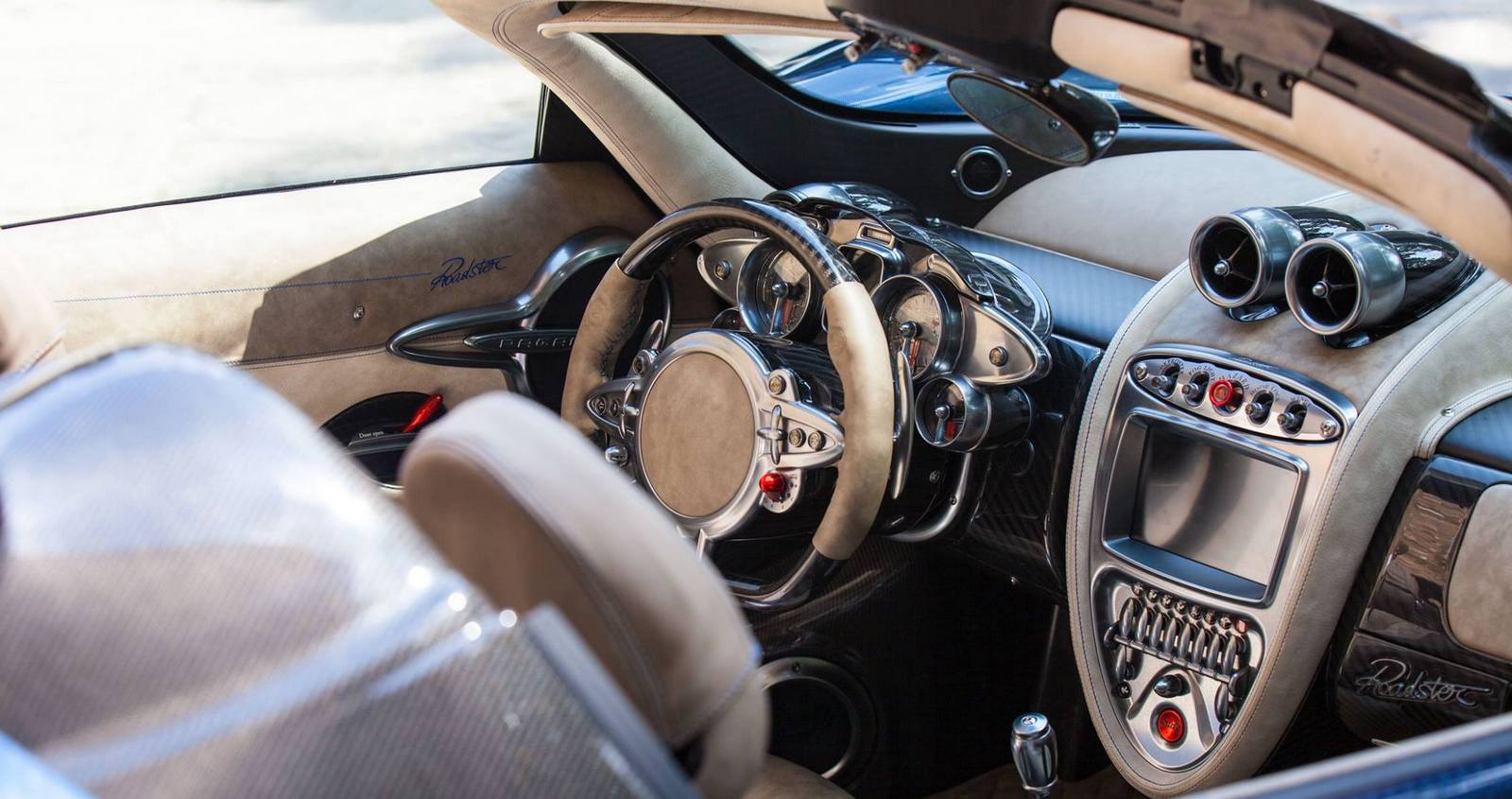
While the extent of damage remains unclear, even minor bodywork on a Pagani can cost more than most people’s annual salary. The carbon fiber bodywork, finished in what appears to be blue carbon, requires specialized expertise to fix. This Monaco mishap serves as an expensive reminder that even the most carefully planned supercar adventures can go sideways, sometimes literally.