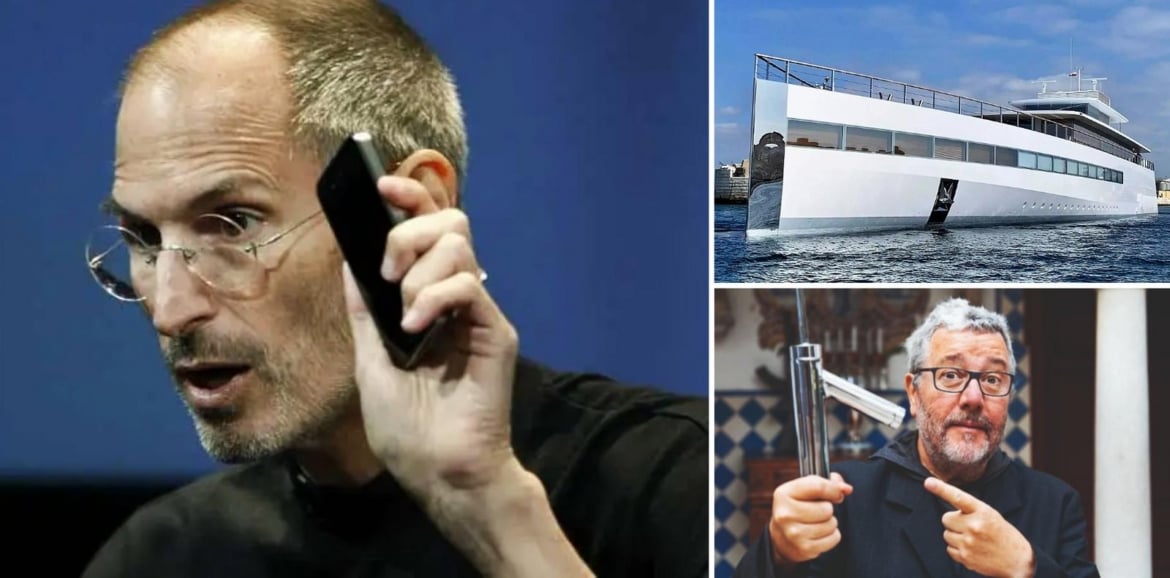
Steve Jobs was famous for making people tremble when he walked into a room, but when he finally decided to call Philippe Starck, it was the receptionist who stopped him at the door. The Apple co-founder personally picked up the phone to reach one of the world’s most celebrated designers, only to have his call handled like that of an ordinary stranger. She did not recognize the name, did not put him through, and did not even give Starck the opportunity to discover who had called. Somehow, the man who had built one of the most powerful technology companies in the world was left waiting on the other side of the telephone.

According to Vanity Fair France, Jobs called Starck’s Paris office in 2007 and introduced himself simply as “Mr. Jobs,” but the staff member answering the phone had no idea who he was. Jobs was speaking in English and eventually hung up without leaving a number, while Starck was never told that the caller was the Apple founder. Starck later found the incident hilarious because Jobs’s reputation in 2007 was, in his words, almost godlike, and he believed that a man with Jobs’s famously exacting personality would normally never call back after such a slight. Yet, remarkably, he did, and that second call would eventually lead to one of the most unusual yachts ever built.
When Jobs called again
Several weeks later, Jobs was back on the telephone, and this time Starck was actually there to answer. The timing could hardly have been worse because the French designer was preparing to leave his Paris office for Milan and the Salone del Mobile furniture fair, with half a dozen motorcycle taxis waiting outside and his team already ready to depart. The receptionist caught up with him as he was about to leave and announced that the mysterious Mr. Jobs wanted to speak with him. Starck took off his helmet, picked up the call, and found Jobs wasting no time with pleasantries.

“Would you like to build me a boat?” Jobs asked. Starck replied that he would, and when Jobs followed up by asking whether he knew how to do it, the designer answered with characteristic theatricality, saying he had flippers between his fingers and scales on his back and was therefore amphibious. Starck recalled the entire conversation lasting only about 15 seconds before he had to rush off to catch his flight. There was no lengthy pitch, presentation or conventional business meeting, just one of the most consequential yacht commissions in modern design beginning with an extraordinarily brief telephone conversation.
Starck later said Jobs had examined designers around the world before deciding that he was the person whose philosophy best matched his own, although that remains Starck’s characterization of how the decision was made. Jobs had apparently not always intended to own a yacht either, but after years of work and regular vacations aboard his friend Larry Ellison’s vessel, he eventually decided that he had earned the indulgence.

His instructions to Starck were remarkably concise, with the yacht initially envisioned at 269 feet and intended for his family and staff, with six identical family or guest cabins and an overriding requirement for silence. Jobs wanted people at opposite ends of the yacht to be able to use it without disturbing each other, making acoustic privacy a central part of the concept.
A 90-minute idea that took four years to perfect
Starck has also recalled that the fundamental design of the yacht came to him in roughly 90 minutes. Lying in bed beside his sleeping wife, he says thoughts of Los Angeles, Jobs and the boat suddenly came together, prompting him to imagine the exterior and interior almost in their entirety.
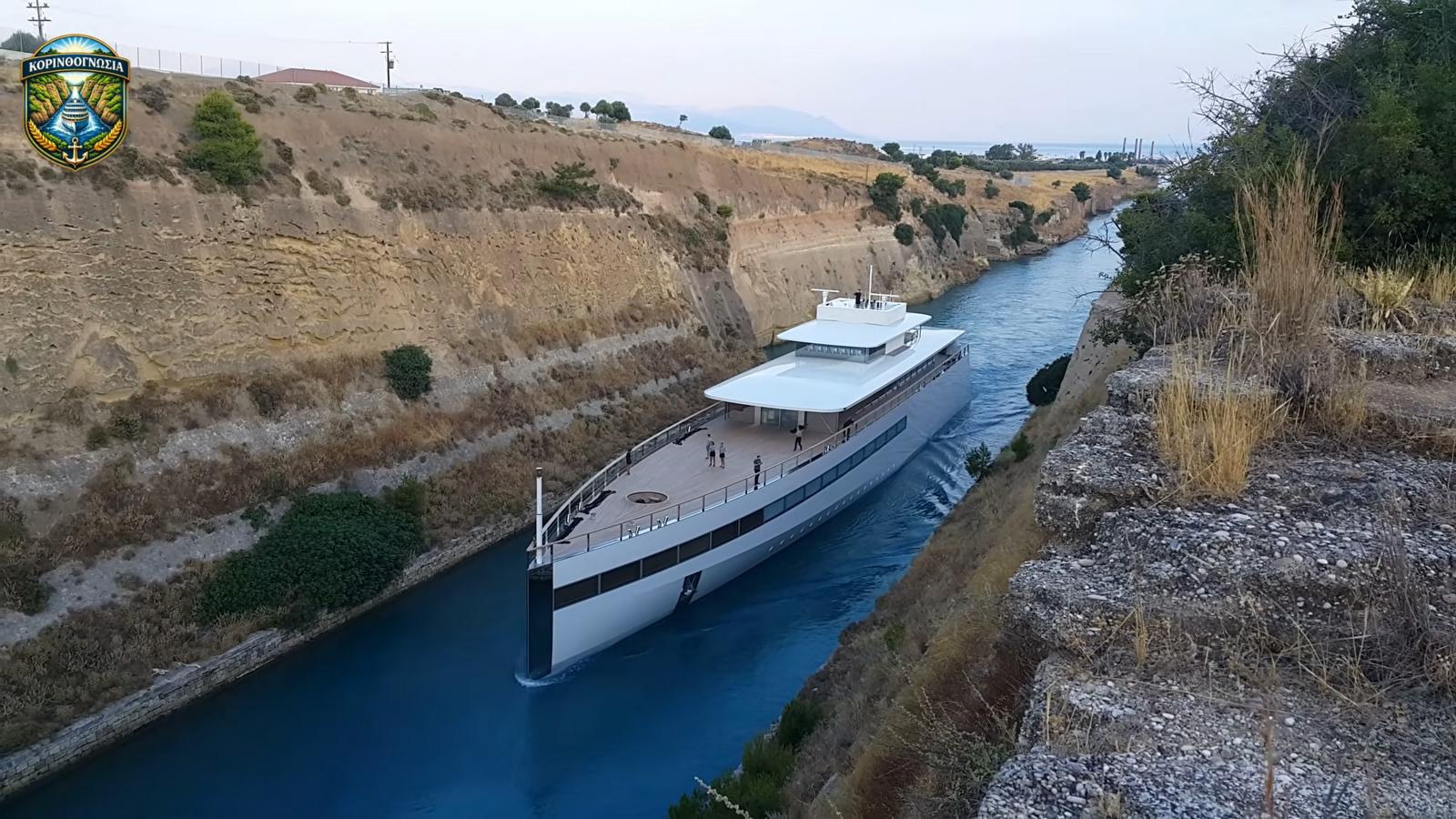
That does not mean a construction-ready 80-meter yacht emerged from his head in an hour and a half, because the years that followed were filled with detailed design work, engineering decisions and relentless refinement. The defining shape appeared quickly, but making every part of it work was a very different undertaking.
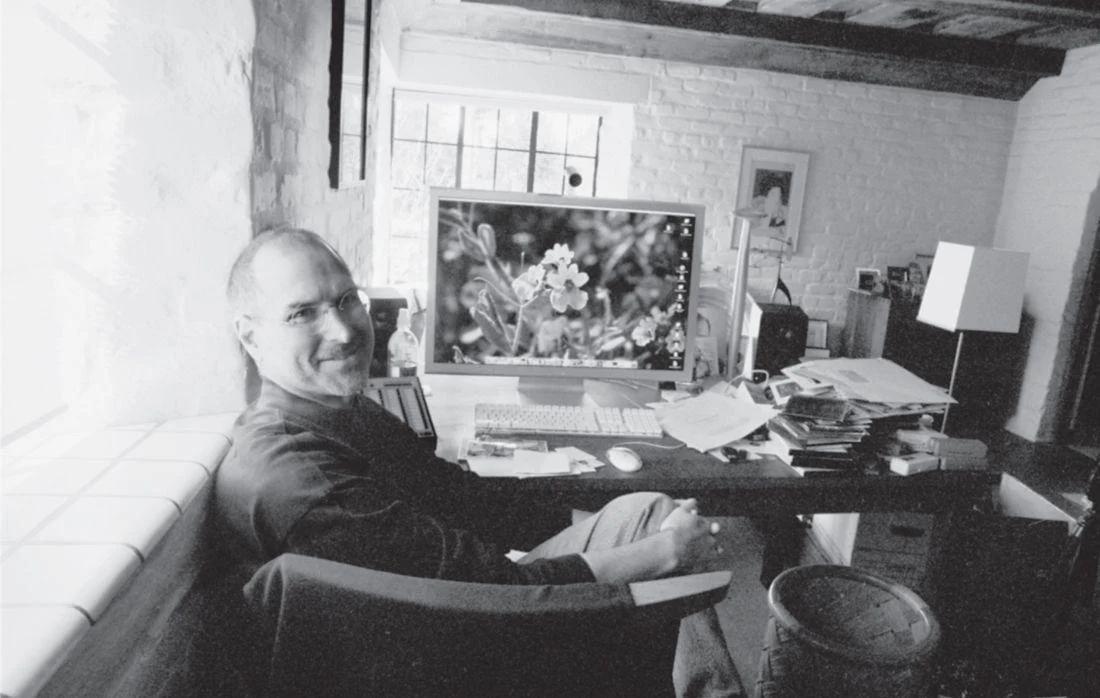
Starck and his team subsequently traveled to Jobs’s Palo Alto home approximately once a month, with working sessions lasting as long as 12 hours. The two men examined the project down to minute details, with Jobs repeatedly questioning proposals and sometimes rejecting ideas before eventually accepting solutions that Starck claimed were often the same ones his team had presented earlier.
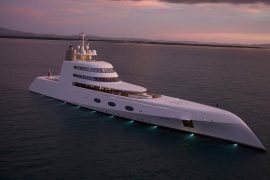
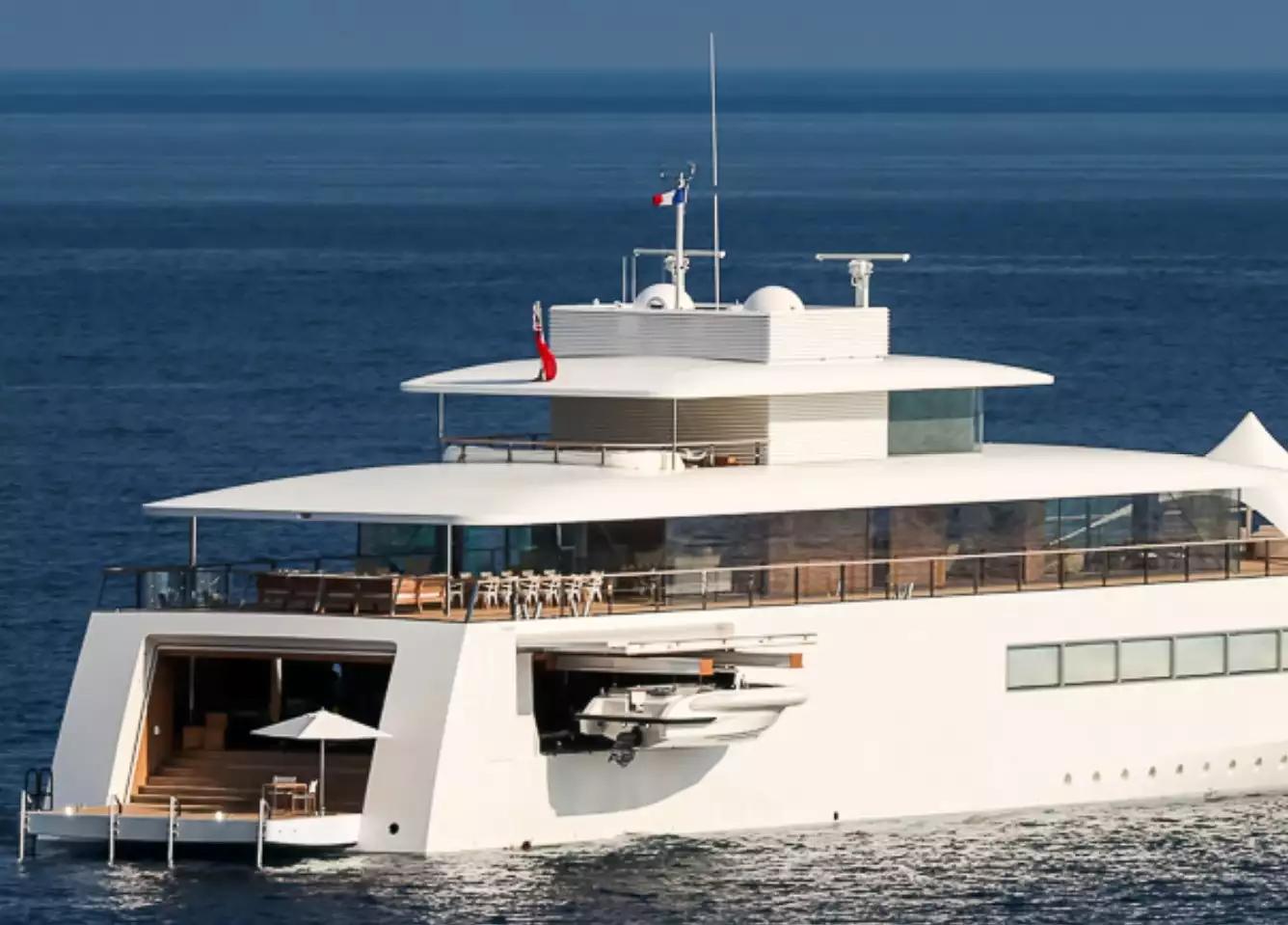
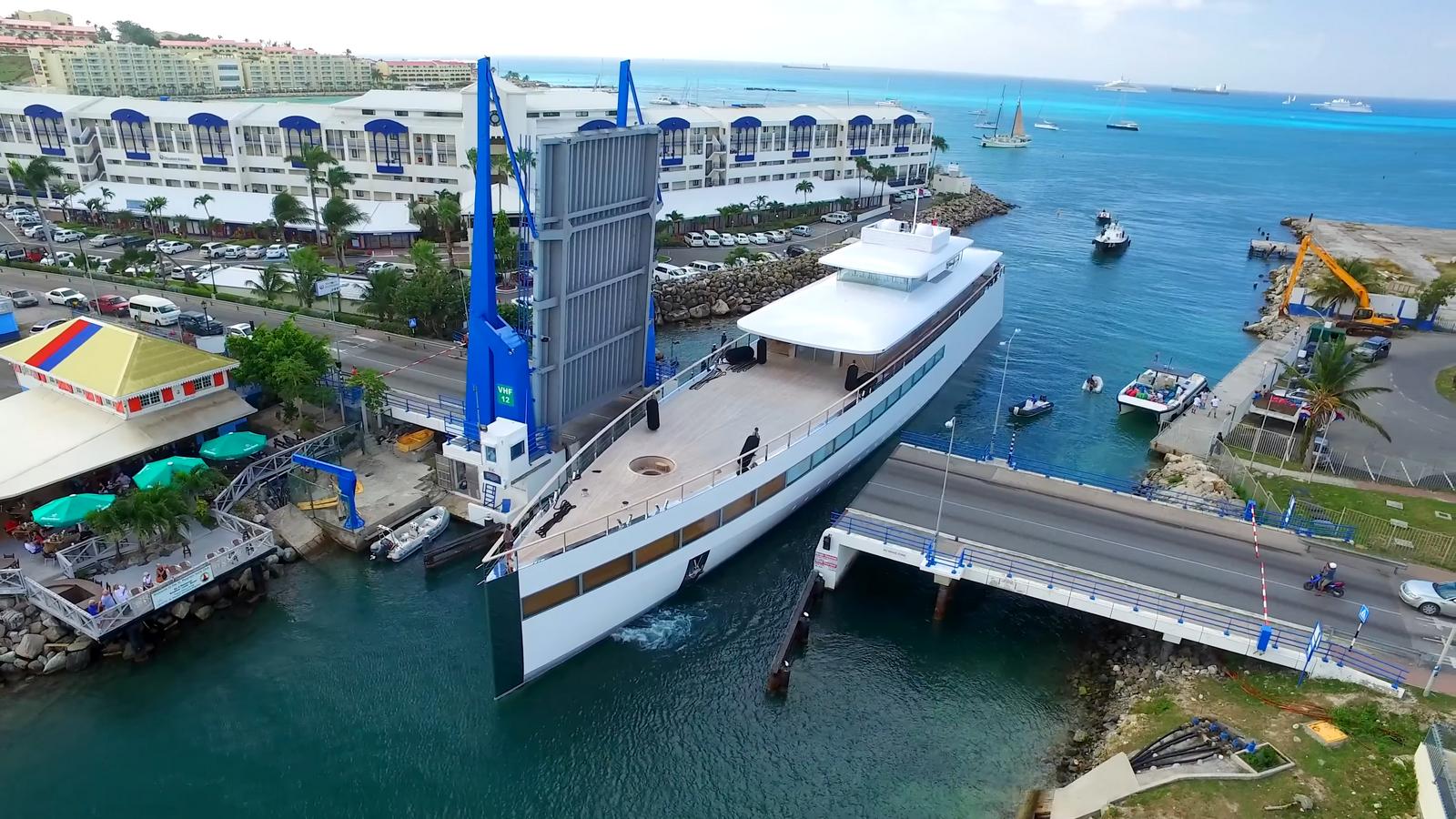
When Starck eventually arrived with a large model and the plans for the yacht, Jobs reportedly looked at them and said they were more than he could ever have imagined. The result was Venus, a yacht whose finished length was 256 feet rather than the original 269-foot request.
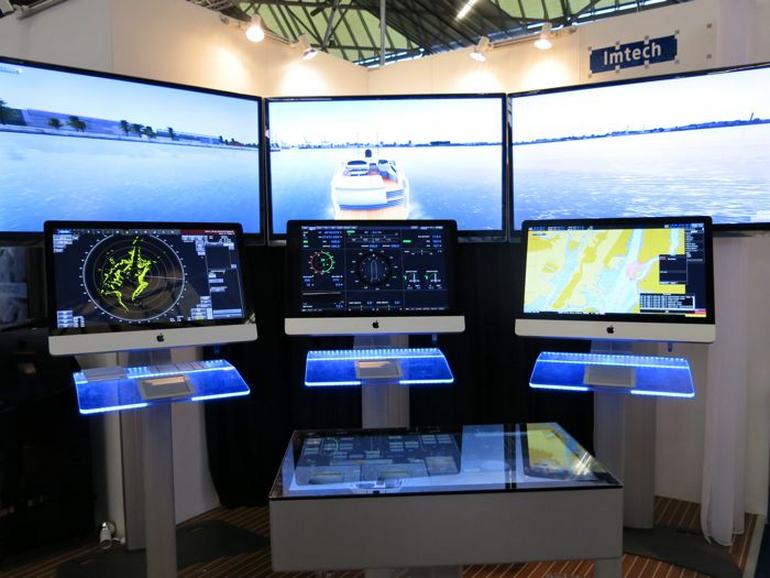
Perhaps the most Jobs-like aspect of Venus was not the much-discussed presence of seven 27-inch iMacs on the bridge, but the way its technology was made to disappear. The yacht became the world’s first mastless motor yacht, with antennae and satellite equipment concealed inside a sculptural enclosure instead of being left exposed on a conventional mast. The approach preserved the technology while removing its visual clutter, much like the philosophy that made Apple products appear simple despite the complexity hidden beneath their surfaces. What began with a receptionist failing to recognize Steve Jobs therefore ended with a yacht built around an idea he valued deeply, which is extraordinary technology should work brilliantly without demanding attention.