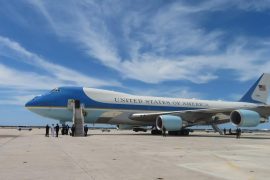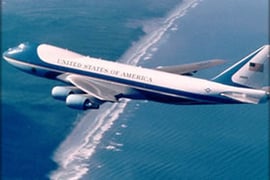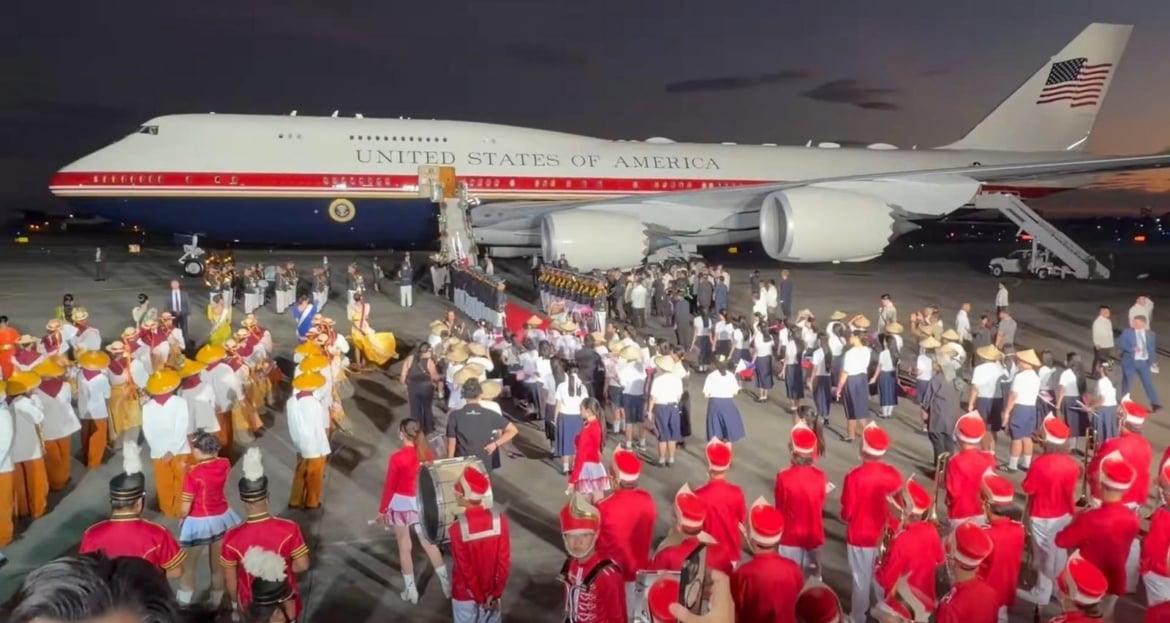
The Qatar-donated Boeing 747-8 that has become the temporary Air Force One is embarking on its most demanding presidential journey yet, with the aircraft expected to cover more than 18,000 miles during the President of the United States’ trip across Asia. The extraordinary journey, comes at a rather interesting time, as questions remain over whether the aircraft has received the extensive security and technical upgrades promised by the White House. Despite earlier assurances that the jet would be taken out of service for a major overhaul, it has continued flying presidential missions without undergoing the extended modification period originally announced. The aircraft is now being used for an international journey that puts its range, operational capabilities, and existing equipment under considerable scrutiny.
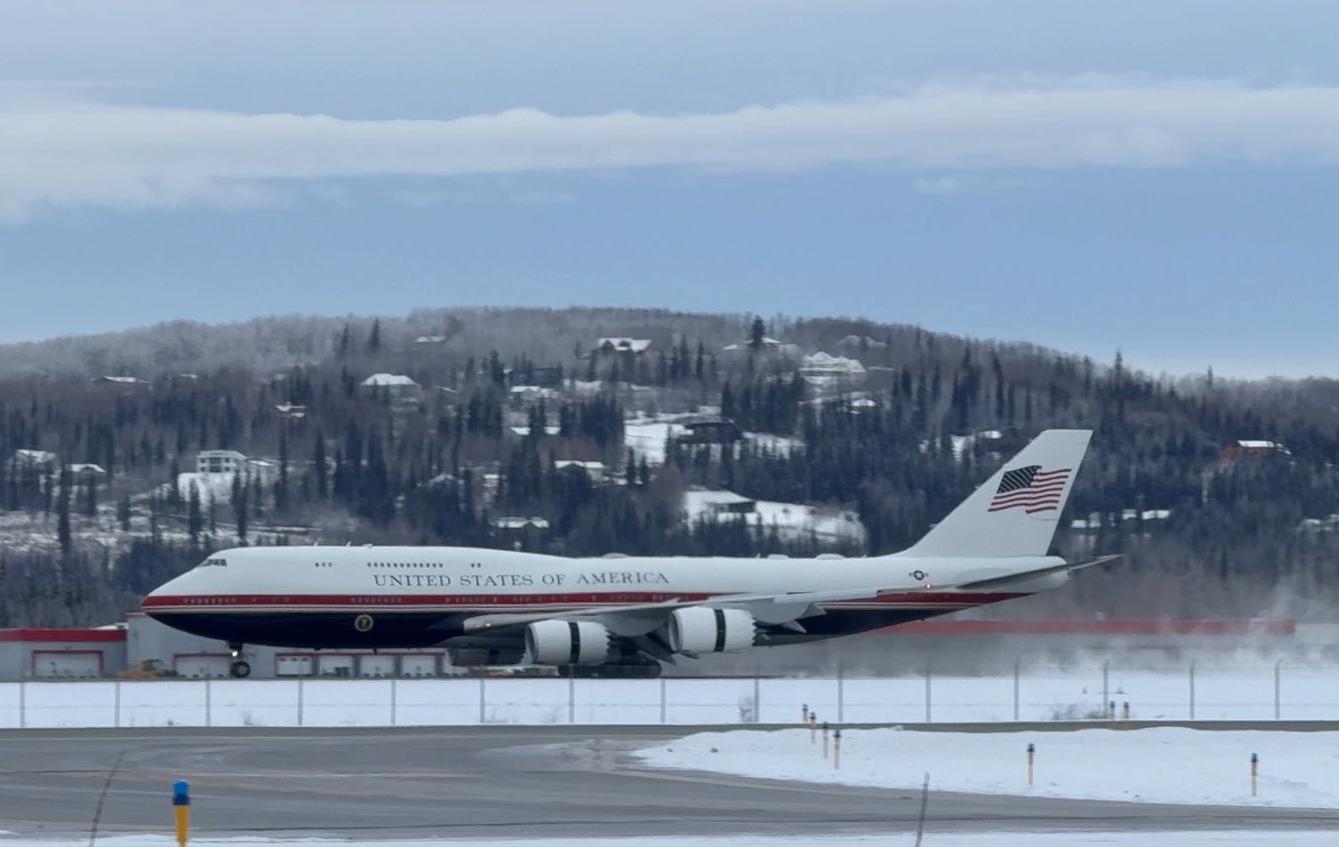
According to NBC News, two US officials have confirmed that the aircraft has received some improvements and periodic maintenance, but it remains unclear whether it has been fully “maxed out” as previously promised. One official indicated that a longer upgrade period is still expected in the future, although it will not require the full 60 days initially suggested. The report also noted that recent work included cosmetic enhancements to the interior, which did not cover the more substantial modifications the administration had said would eventually take place. The latest developments are intriguing because the aircraft is now being trusted with an extensive overseas presidential itinerary despite the uncertainty surrounding its upgrade status.
A 60-day upgrade promise that never quite happened
The questions surrounding the aircraft’s capabilities go back to July, when the President said the Qatari 747 would be sent away for additional work in approximately a month. The initial estimate was around 30 days, with then-White House press secretary Karoline Leavitt subsequently confirming that additional upgrades and enhancements were planned for the fall. She also indicated that the President would use the older Air Force One during this period, suggesting that the aircraft would be unavailable for an extended period.

However, the timeline changed in September, when the President said the aircraft would be sent away in October for approximately 60 days. He described the objective as making it capable of operating in virtually any territory, although the administration never provided a detailed explanation of what the proposed modifications would involve. By October, the aircraft was still flying presidential missions, including an extensive schedule of domestic travel. Rather than disappearing into a maintenance facility for two months, it received limited, cosmetic improvements and continued operating, leaving the more ambitious upgrade programme largely unexplained.
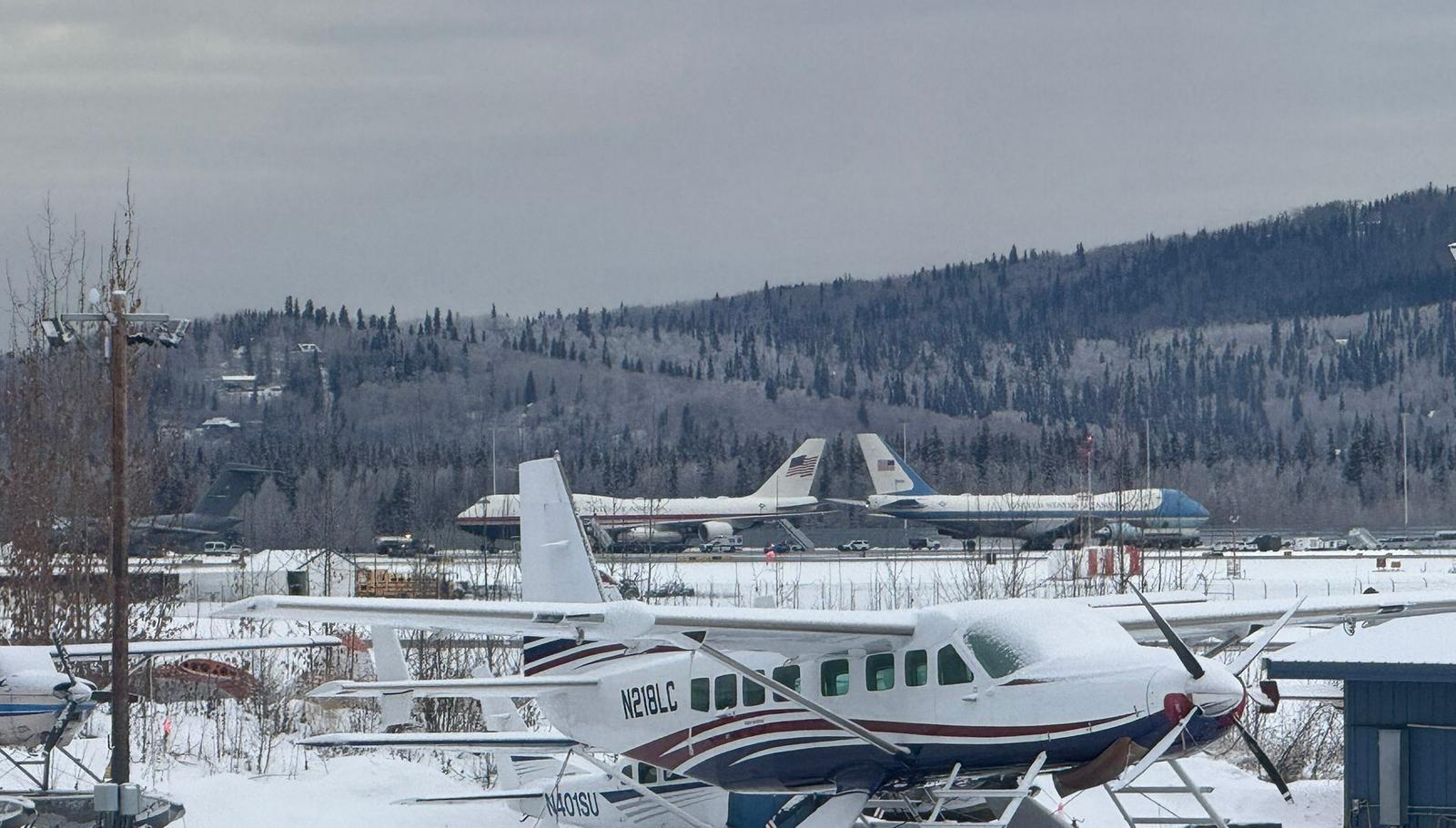
There are some fairly significant differences between the temporary aircraft, commonly known as the VC-25B Bridge, and the existing VC-25A presidential aircraft. One of the most important areas concerns its defensive capabilities, including advanced laser countermeasures and other systems designed to protect the aircraft in hostile environments. The Qatari 747 has also raised questions about the extent of its secure communications equipment, although L3Harris has confirmed that its senior-leader communications system has been upgraded.
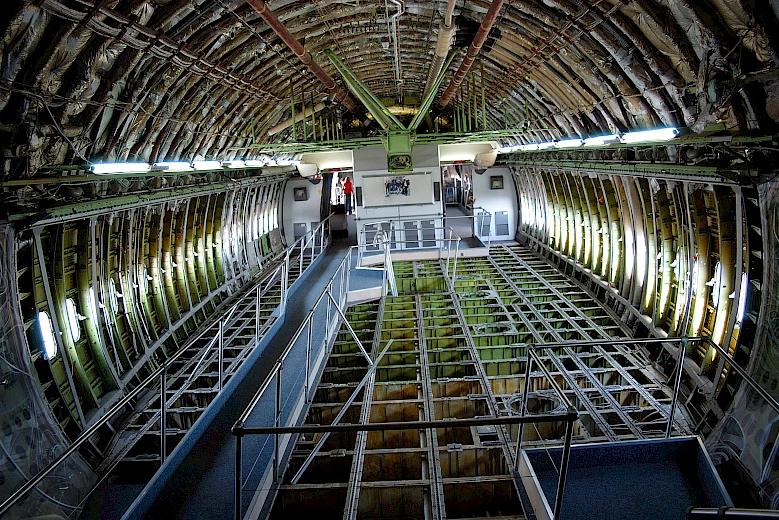
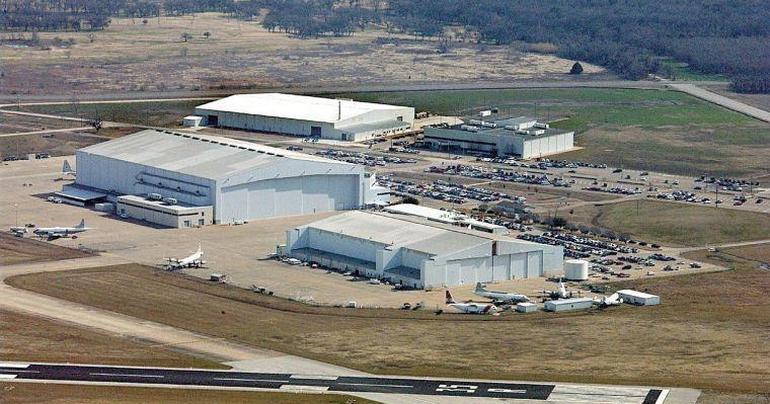
Another major undertaking would involve electromagnetic pulse hardening, which requires extensive shielding of electrical systems and hundreds of miles of wiring. This is not the sort of modification that can be completed simply by installing additional equipment during a brief maintenance stop. The permanent replacement aircraft are also designed to incorporate features such as a second auxiliary power unit, a dedicated emergency exit on the lower fuselage and specialized baggage-loading arrangements. The Qatari aircraft also lacks the aerial refueling capability found on the existing presidential 747s.

Former Air Force Assistant Secretary Andrew Hunter, who oversaw the programme during the Biden administration, has indicated that a proper presidential conversion of a Boeing 747 takes more than a year. That makes the original 30-to-60-day upgrade estimates particularly difficult to reconcile with the scale of the work involved. While certain external equipment and smaller improvements could potentially be accommodated within a shorter period, extensive structural modifications and EMP protection are considerably more complicated.
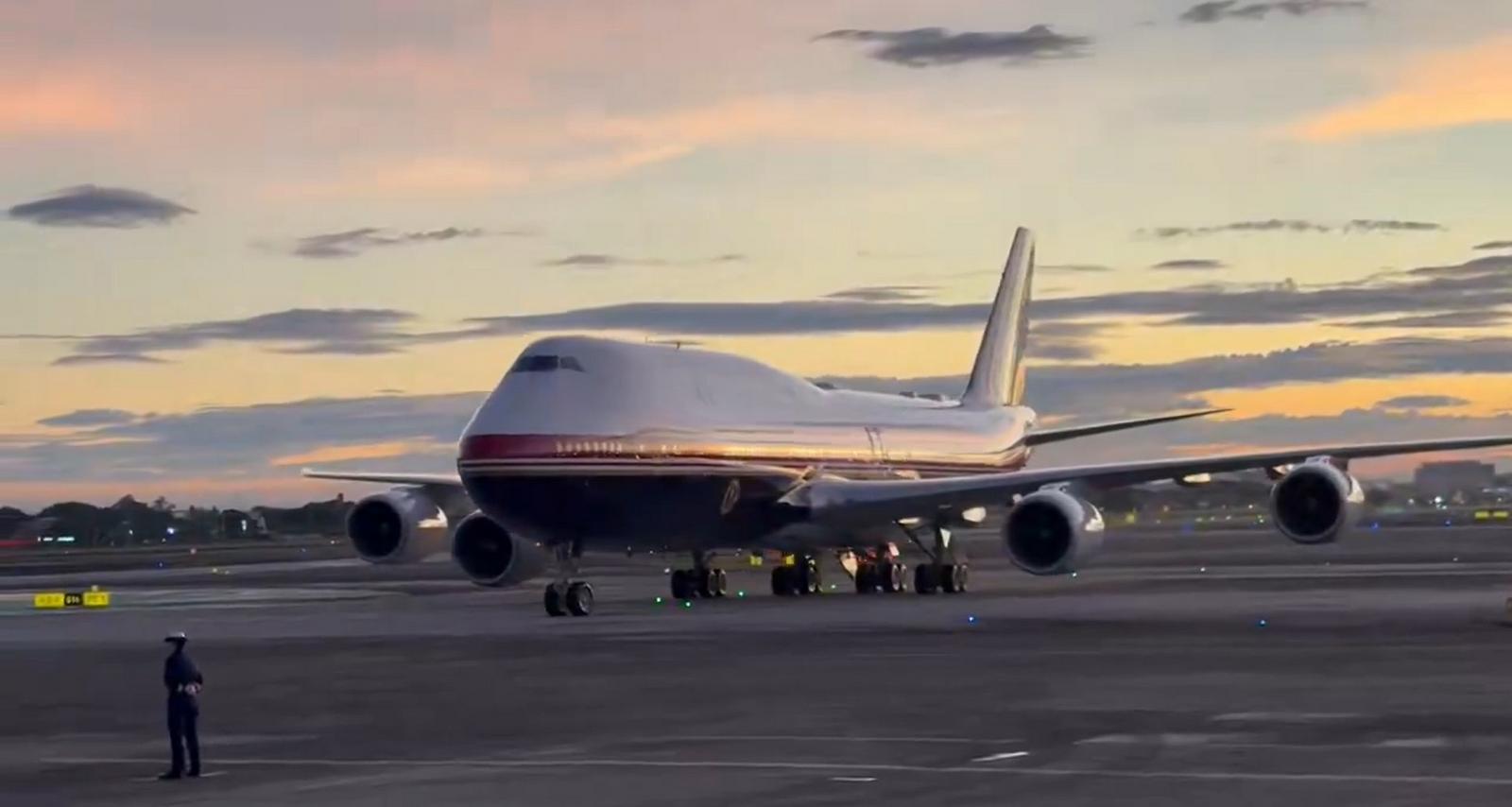
An extraordinary journey without its permanent backup
The distance involved in the Asian trip makes the aircraft’s continued reliance on conventional fuel planning particularly interesting. The journey from Washington to Manila alone is approximately 8,630 miles via Fairbanks, while the subsequent flight from Manila to Shenzhen adds another 733 miles. Including the estimated return journey through Anchorage, the complete itinerary is expected to exceed 18,000 miles, although the precise routing has not been announced. For perspective, the July flight from Washington to Ankara covered approximately 5,415 miles, while the September journey to Ireland was around 3,300 miles.
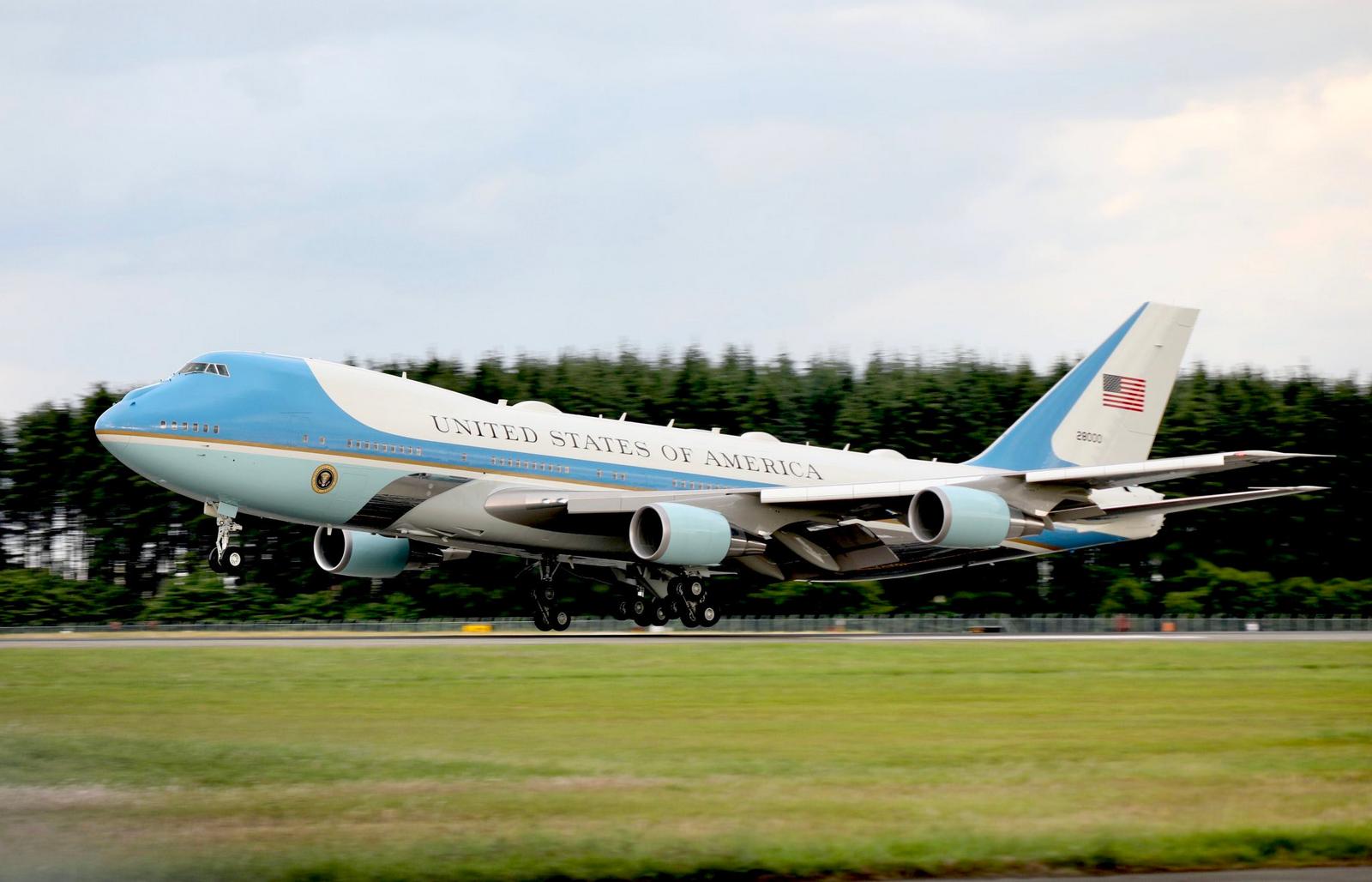
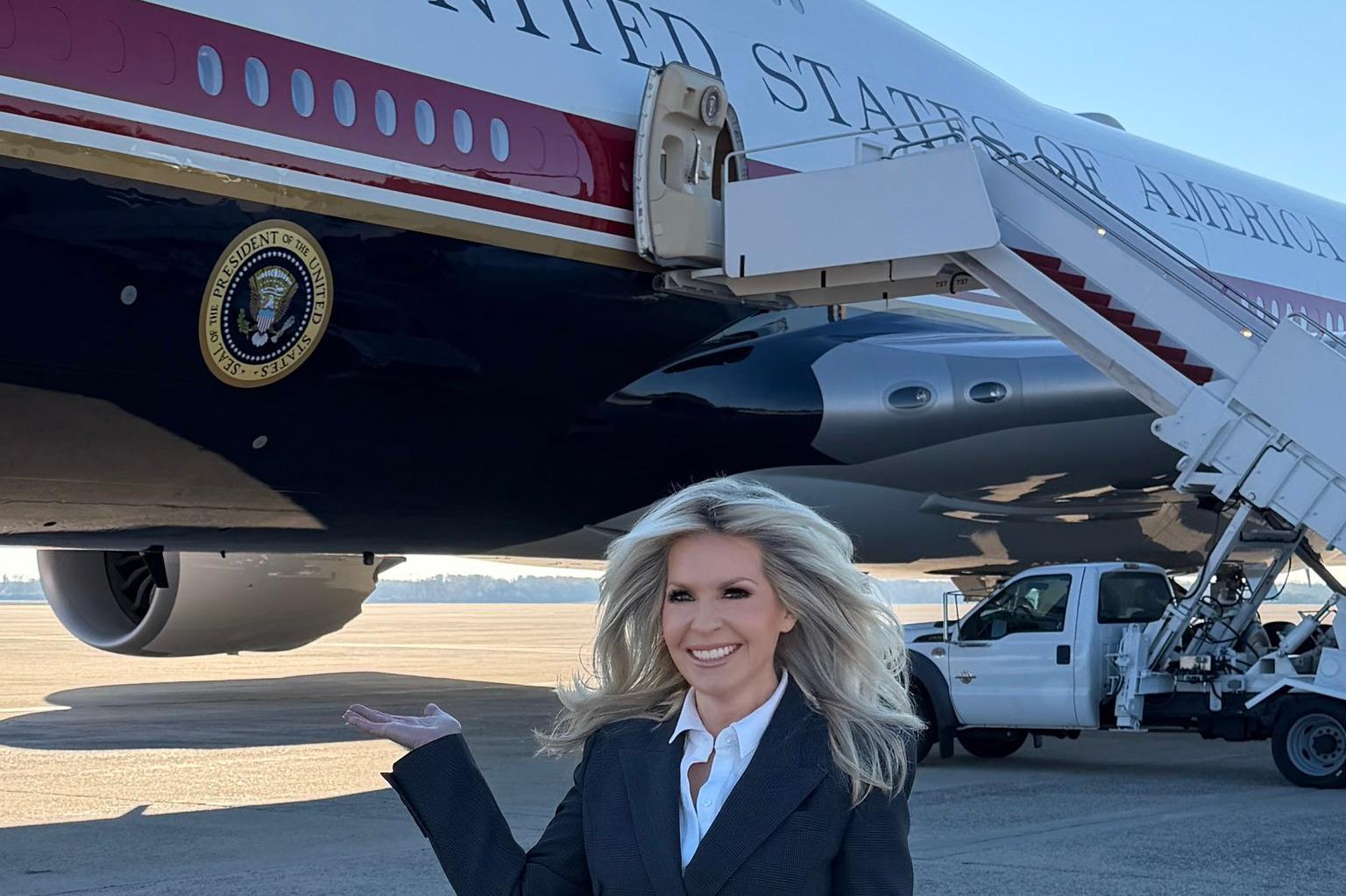
The older presidential 747-200 is also continuing to accompany the President as a support and backup aircraft. For 36 years, the United States operated two essentially identical VC-25As, allowing either aircraft to take over presidential duties if the other encountered a problem. However, one of those aircraft, tail number 29000, completed what was described as its final presidential mission on June 18, leaving the Qatari jet without an identical counterpart. The older support aircraft entered service in 1990 and now provides an additional layer of operational flexibility during overseas visits.

The White House maintains that the older aircraft routinely carries personnel and equipment and that its presence is nothing unusual. Nevertheless, its continued participation highlights an important limitation of the temporary arrangement. The Qatari 747 may have taken over the most visible responsibilities of Air Force One, but it is still some distance away from matching the capabilities and redundancy built into the permanent presidential fleet.