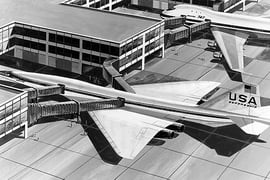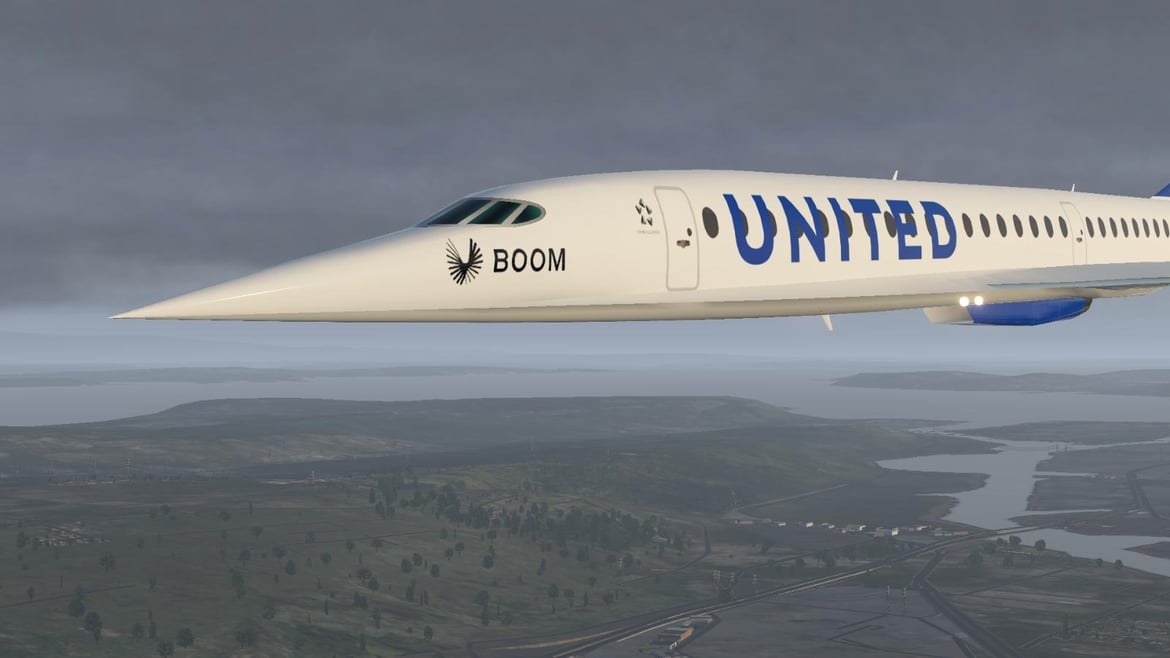
For more than two decades, the world has waited for another supersonic passenger aircraft to take over where Concorde left off, but the wait could stretch well into the 2030s. Boom Supersonic has been working towards bringing back commercial supersonic travel with its Overture airliner, promising to fly passengers across the Atlantic in almost half the time taken by conventional aircraft. However, United Airlines CEO Scott Kirby believes the company’s ambitious timeline is unlikely to become reality, suggesting that America’s proposed Concorde will not be ready before the decade comes to an end.

In an interview on the Office Hours: Business Edition podcast, Kirby said that Boom’s Overture would not be ready in 2029, as the company has previously promised. According to a report by Forbes, Kirby said, “It’s not going to happen in ’29. It’s going to take longer.” He added that United could become the first airline to operate the aircraft if the program succeeds, but stressed that Boom still has considerable certification hurdles to overcome and that its eventual success is not guaranteed.


Boom’s ambitious 2029 deadline is looking increasingly difficult
Boom has been targeting 2029 for Overture’s first flight, but there is still a considerable amount of work between its current development stage and having an aircraft ready to carry paying passengers. The company has not even rolled out an Overture airframe yet, while its engineering teams are continuing to work on a non-flying systems testing rig known as an iron bird at its facility in Centennial, Colorado. A major milestone came on October 22, when Boom unveiled the Sprint Core, the first complete turbine core developed for its Symphony engine program. Weighing approximately 14,000 pounds and carrying more than 1,000 sensors, the unit was expected to undergo its first firing before Thanksgiving.
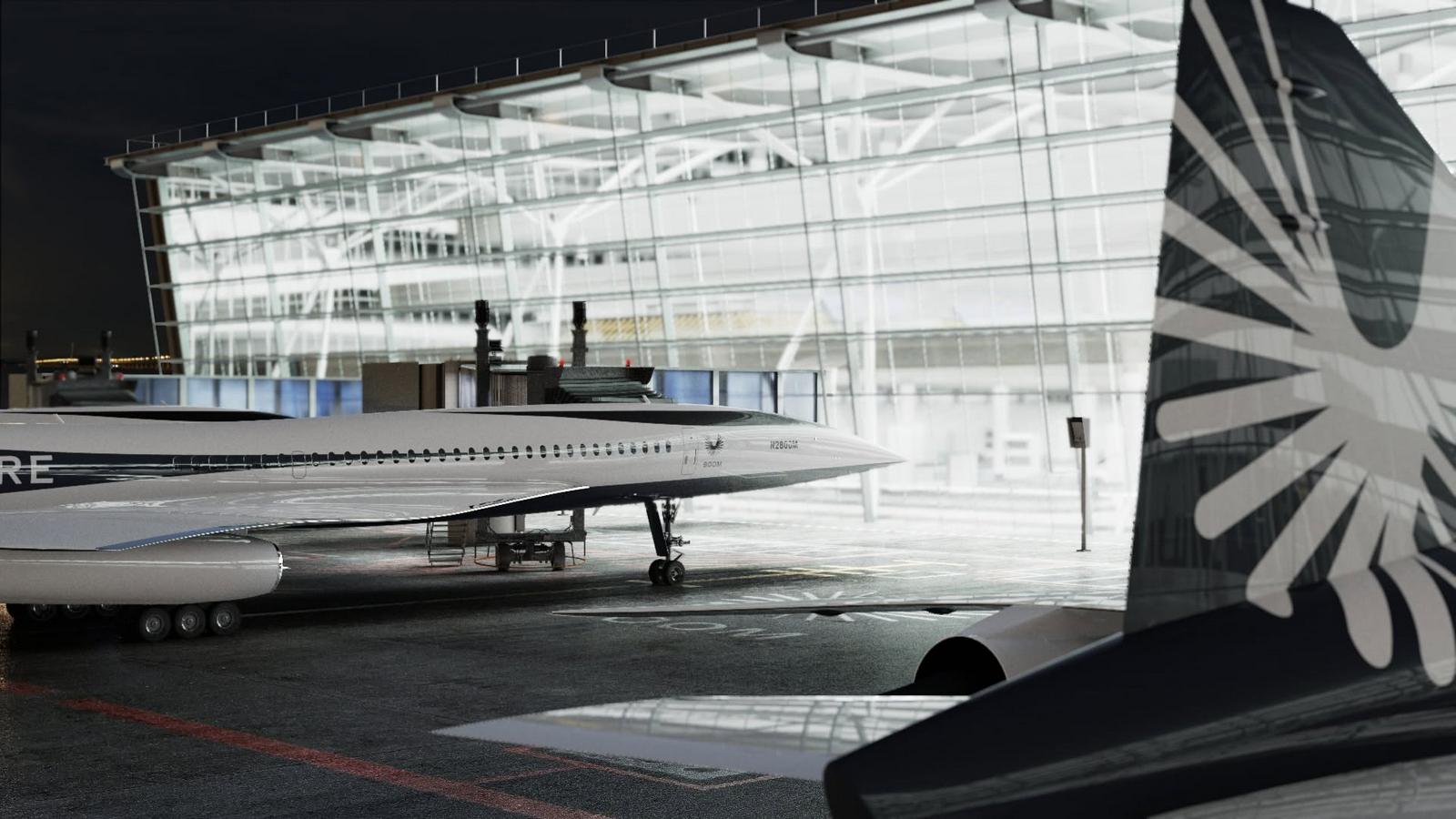

Boom is developing the Symphony engine with Florida Turbine Technologies, StandardAero and Colibrium Additive, following Rolls-Royce’s withdrawal from the project in 2022. The company also has to complete the aircraft’s development, testing and certification before it can enter commercial service, which is no small undertaking. Its planned production facility at Piedmont Triad International Airport in Greensboro, North Carolina, was completed in June 2024 and is designed to manufacture 33 aircraft annually, with the possibility of doubling capacity through a second production line. However, the factory has remained idle, even as North Carolina has committed approximately $107 million in public funding towards the project.


Interestingly, Boom has also been developing another business to help support its ambitions in aviation. The company is building turbines for AI data centers, using technology derived from its supersonic engine development. Its Superpower program was launched in December 2025 with a $300 million funding round led by Darsana Capital, while data-center company Crusoe agreed to purchase 29 turbines in a deal worth approximately $1.25 billion. That agreement fell apart in September 2026, when Crusoe confirmed that it still intended to use turbines, just not Boom’s. The company is nevertheless moving ahead with its turbine ambitions, announcing a $150 million manufacturing facility in Colorado on October 22, which is expected to create 500 jobs.


Concorde’s retirement was more than two decades ago
Boom’s Overture is intended to revive an era of commercial aviation that ended when British Airways retired Concorde from passenger service on October 24, 2003. The proposed aircraft is designed to cruise at Mach 1.7 at approximately 60,000 feet, carrying between 60 and 80 passengers in an all-premium cabin. Boom claims it could fly from New York to London in 3 hours and 40 minutes, compared with approximately 6 hours and 30 minutes on conventional aircraft today.

United remains one of Boom’s launch customers, alongside American Airlines and Japan Airlines, which have conditional orders for Overture. Kirby, who praised founder Blake Scholl for his ability to adapt the business, has not ruled out United operating the aircraft. However, his latest comments suggest that the return of scheduled supersonic passenger travel may be further away than Boom would like, potentially leaving the world waiting until the 2030s for an aircraft that was originally supposed to take to the skies before the decade ended.