Designed by architect Giampaolo Benedini and inaugurated in 1990, La Fabbrica Blu in Campogalliano, Italy, was the birthplace of one of automotive history’s most significant supercars and the renaissance of the Bugatti brand. Between 1991 and 1995, approximately 134 EB110s rolled off the production line, including both GT and Super Sport variants.

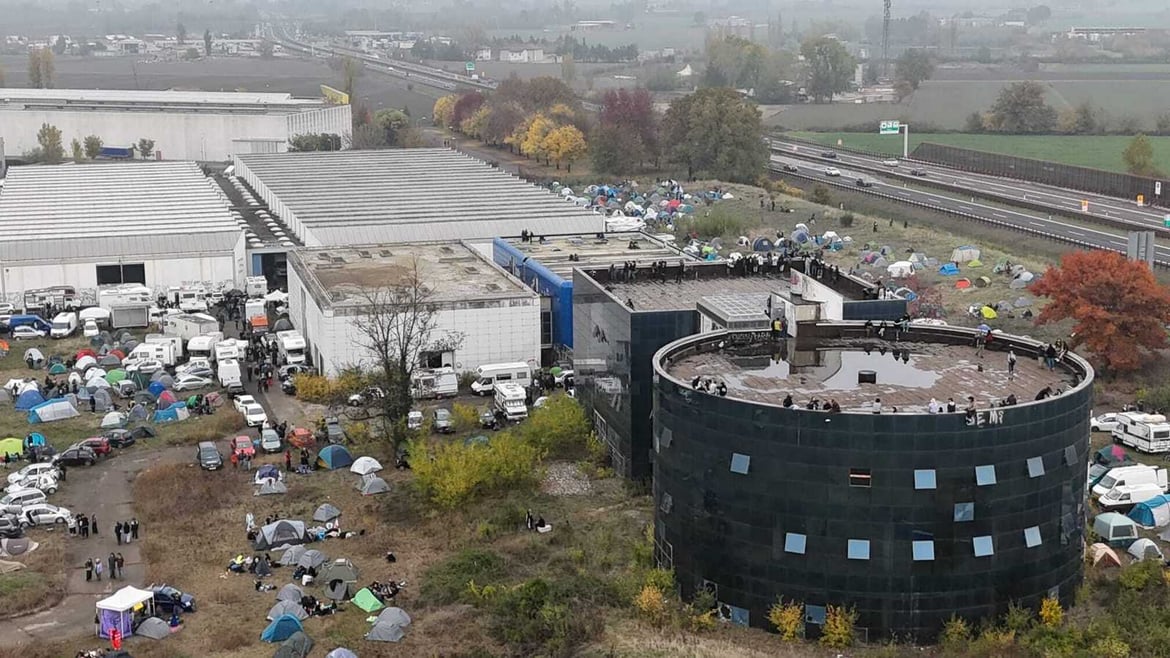
The EB110 resurrected the Bugatti name and the place it was built was recently devastated during an illegal Halloween party. Thousands of people illegally occupied the former Bugatti facility for the unauthorized event, leaving behind extensive damage, graffiti, and piles of trash throughout the premises.
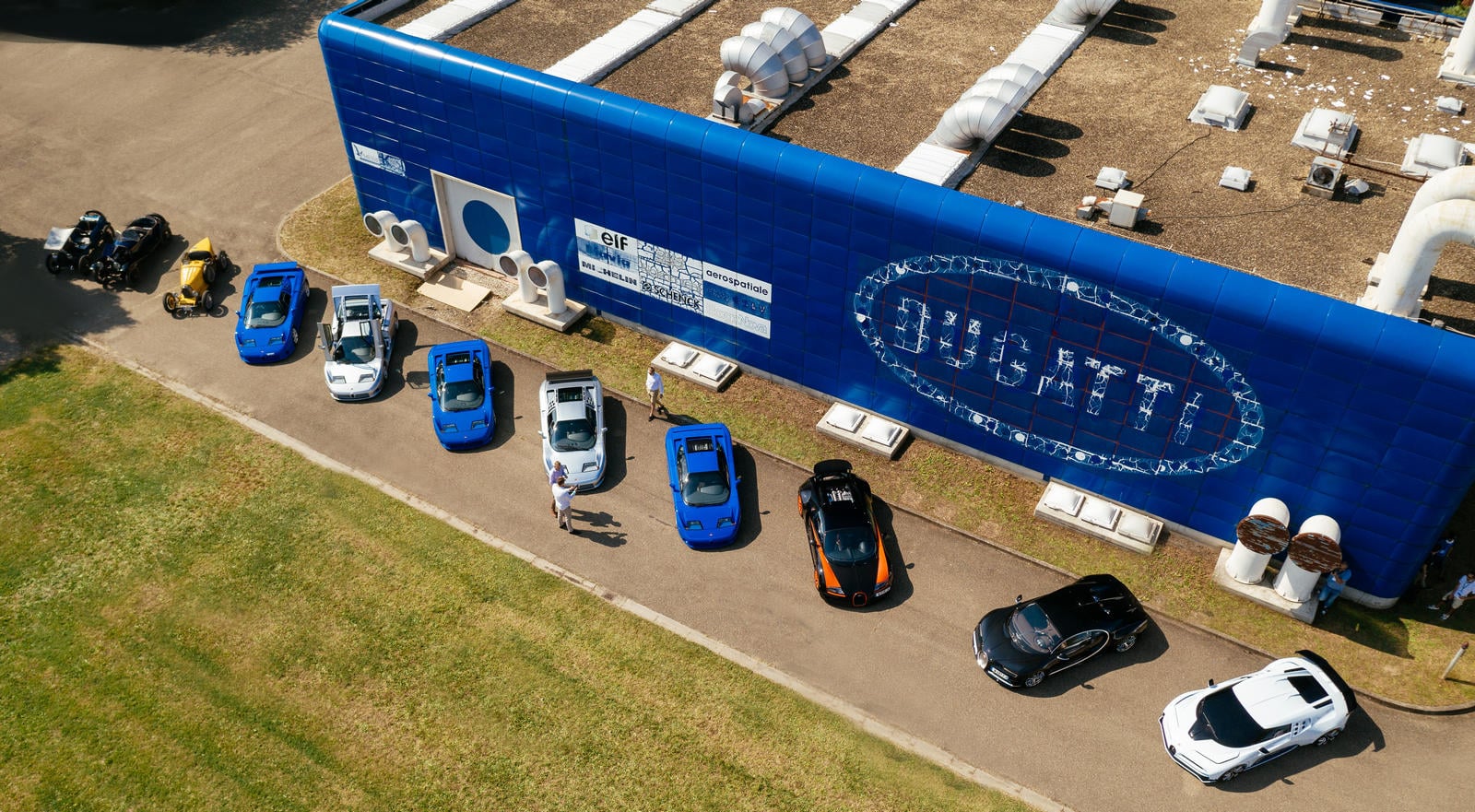
The factory closed in 1995 when Bugatti Automobili S.p.A. declared bankruptcy, ending production of the revolutionary supercar that briefly held the title of world’s fastest production vehicle. When Volkswagen Group acquired the Bugatti brand in 1998, production moved to Molsheim, France, the original home where Ettore Bugatti founded his company in 1909. Volkswagen chose Molsheim to maintain authenticity and connection to Bugatti’s heritage, while building the modern Veyron model, followed by the Chiron and other contemporary Bugatti models.

For the two decades after production ended, the owners of the property maintained the abandoned facility. Vandalism started occurring only after 2022, when it went into new ownership. This recent Halloween party left the buildings covered in graffiti, including messages painted over the Bugatti logo, anti-police slogans on walls, and mountains of trash throughout the facility. Clashes erupted Sunday night when participants tried to breach police blockades during evacuation efforts.

The factory’s future remains uncertain. The current owner is asking for $17 million to sell the property, though Bugatti has confirmed no interest in purchasing the site, having set up new production facilities in Molsheim. Bugatti has used the site for historical shoots as recently as 2019, for the limited-edition Centodieci. The recent destruction has intensified concerns about preserving this architectural monument to Italy’s automotive heritage before irreversible decay sets in.