While Ferrari continues to grapple with uncertainties surrounding its first fully electric vehicle, prompting the Italian luxury automaker to defer the launch timeline for its first-ever EV, the company has confidently announced a firm 2026 launch date for its revolutionary Hypersail racing yacht. This striking contrast in commitment levels reveals Ferrari’s strategic priorities as it navigates the complex transition between traditional performance engineering and emerging sustainable technologies.

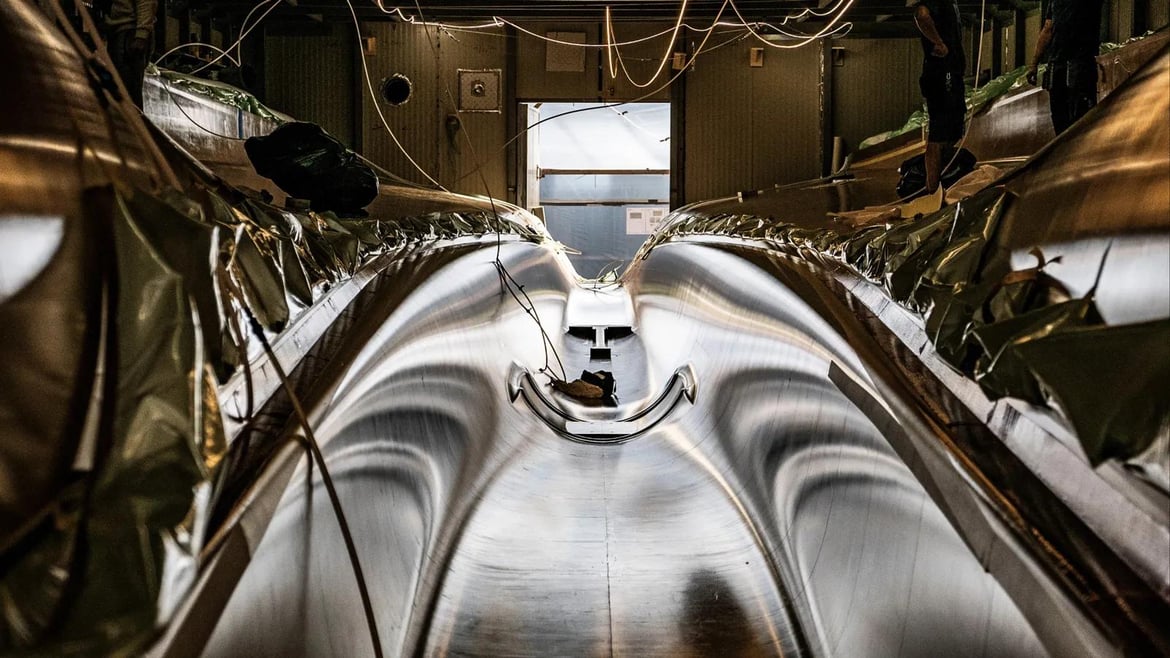
The Hypersail project represents Ferrari’s bold entry into high-performance sailing, featuring a 30.5-meter ocean racing monohull that promises complete energy independence through renewable sources alone. Unlike the hesitation surrounding its electric car development, Ferrari appears entirely committed to this maritime venture, with construction already underway in Italy under the guidance of renowned sailor Giovanni Soldini and French naval architect Guillaume Verdier. The yacht’s innovative three-point foiling system, anchored by a revolutionary canting keel design, demonstrates the kind of engineering confidence that seems absent from Ferrari’s electric vehicle planning.

The timing of these divergent announcements raises intriguing questions about Ferrari’s technology roadmap. While electric vehicles represent a fundamental shift that could potentially dilute the brand’s combustion engine heritage, the Hypersail yacht allows Ferrari to explore sustainable energy solutions without abandoning their core performance identity. The yacht operates entirely on solar, wind, and kinetic energy systems, eliminating combustion engines while maintaining the extreme performance standards Ferrari customers expect. This approach offers a pathway to environmental responsibility that doesn’t compromise the visceral excitement traditionally associated with the prancing horse brand.

Ferrari’s yacht project also showcases their commitment to open innovation, actively collaborating with external partners in aerodynamics, energy management, and kinetic energy recovery. This collaborative approach contrasts sharply with the more cautious, internally focused development strategy apparent in their electric vehicle program. The company has already filed nine patents related to the Hypersail project, with six additional patents in development, suggesting a level of innovative momentum that appears missing from their automotive electrification efforts.

The strategic implications extend beyond mere product diversification. By succeeding in sustainable marine technology before mastering electric automobiles, Ferrari could establish credibility in renewable energy applications while maintaining distance from the increasingly commoditized electric vehicle market. The yacht’s complex energy management systems and flight control technology, adapted from Ferrari’s automotive expertise, create valuable learning opportunities that could eventually inform their delayed electric vehicle development.

Whether Ferrari’s confidence in conquering the oceans while remaining uncertain about electric roads proves prescient or misguided will become clear when the Hypersail yacht takes to the water in 2026, potentially demonstrating that sometimes the most challenging technical problems require the boldest strategic leaps.