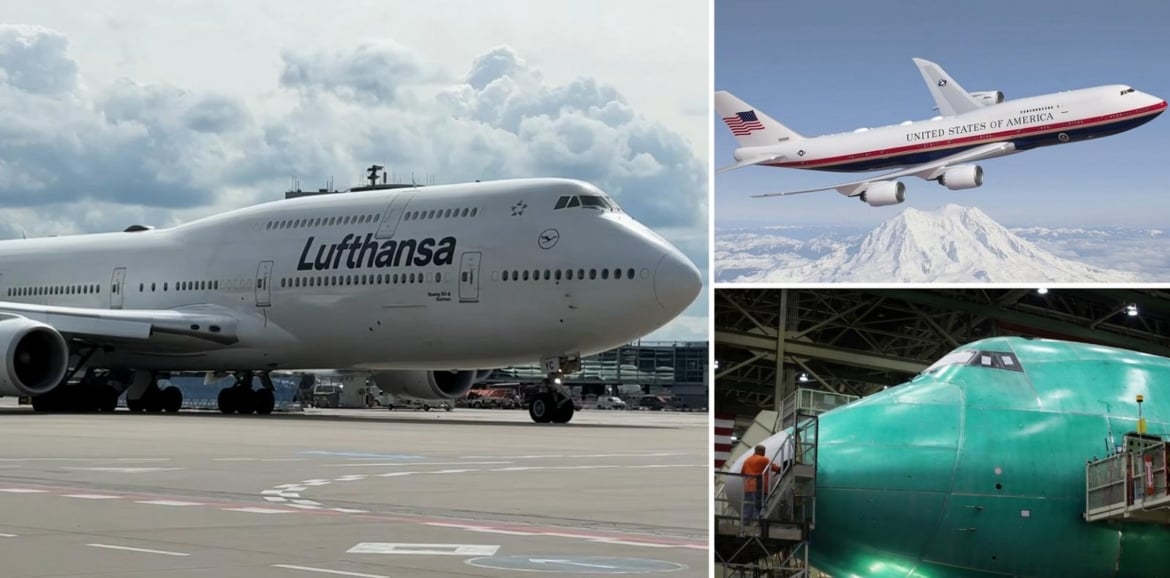
The US Air Force has taken delivery of a former Lufthansa Boeing 747-8 that will have a very different second life from the one it enjoyed carrying passengers across the globe. The aircraft, registered D-ABYG and named Baden-Württemberg, has arrived in the United States to become a source of spare parts for the next generation of presidential aircraft.
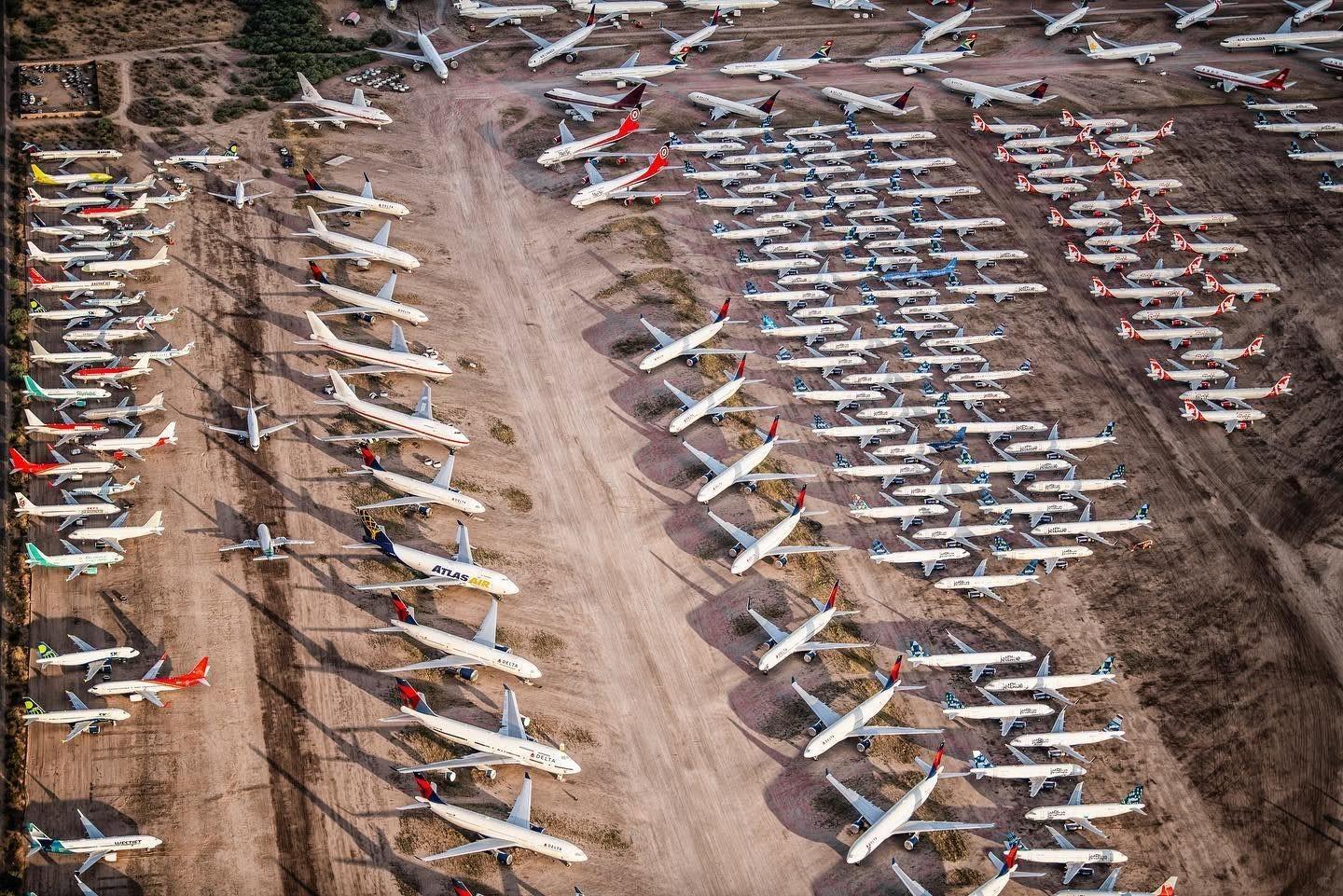
It departed Frankfurt on September 26 as LH9866, bound for Pinal Airpark in Arizona, after Lufthansa removed its name, crane emblem and other exterior markings. The nearly 11-hour ferry flight marked the end of more than 13 years of commercial service for the 747-8I, which was delivered new to Lufthansa in March 2013 and made its final passenger flight from Los Angeles to Frankfurt on August 31, 2026.
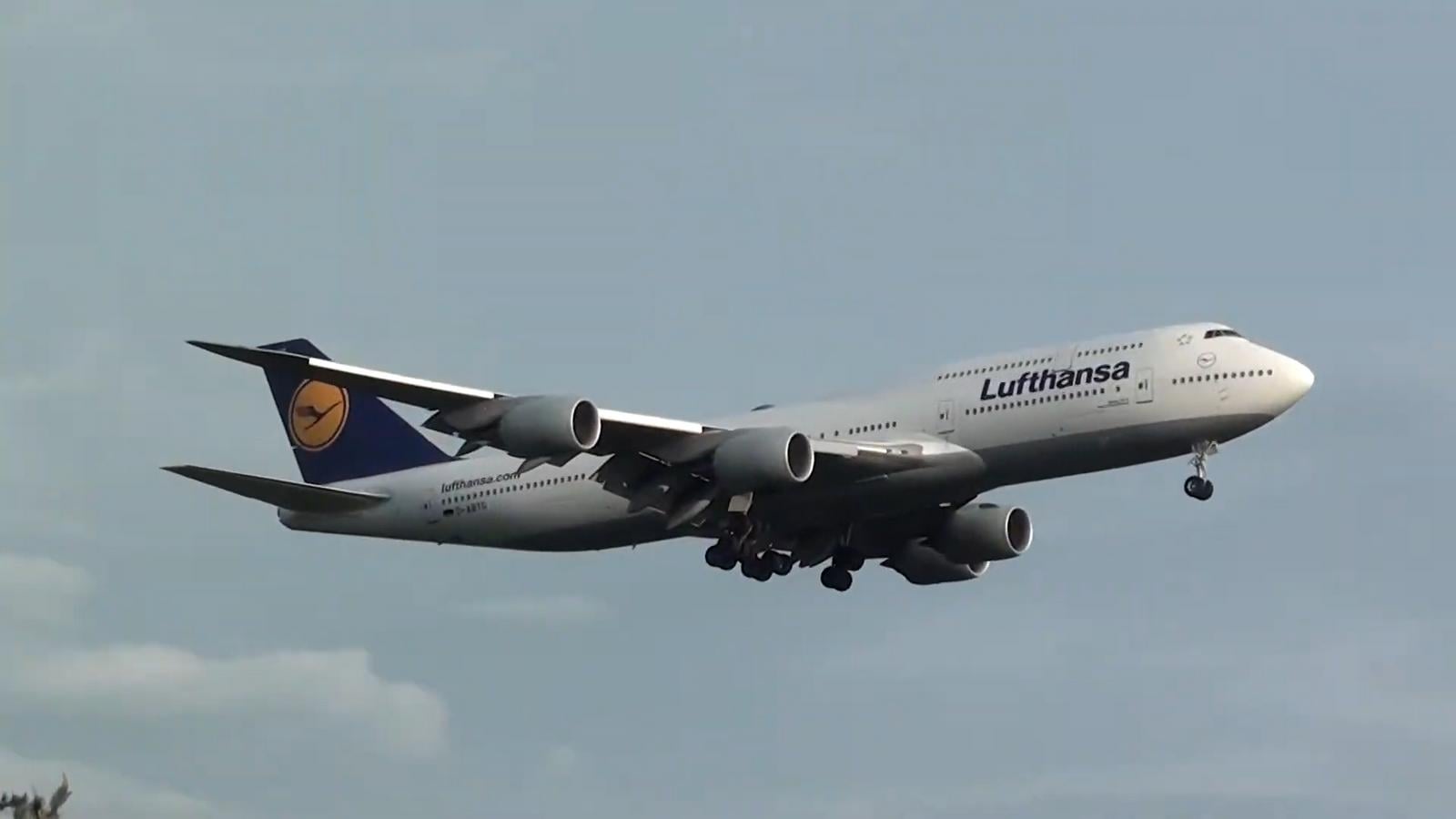
D-ABYG is the second of two Lufthansa 747-8Is purchased by the Air Force for about $400 million, but it is not destined to become an Air Force One itself. Instead, the aircraft is being incorporated into an organic parts pool that will provide components for the 747-8 fleet over the long term. Its sister aircraft, D-ABYD, has a different role and is being used as a dedicated trainer for aircrews and maintainers. The acquisition gives the Air Force relatively young 747-8 airframes that closely match the aircraft it is preparing to operate, while also providing a way to secure components for a jet whose production line has already closed, according to Air Journal.

A 747-8 bought for its parts
The unusual purchase reflects a straightforward problem. Boeing no longer builds the 747. The final 747 left the production program in 2022 and was delivered to Atlas Air in January 2023, leaving the Air Force without a factory line from which to order new 747-8-specific components. Passenger 747-8s remain in commercial service, but maintaining a small presidential fleet with highly specialized requirements makes a dedicated parts reserve particularly valuable.
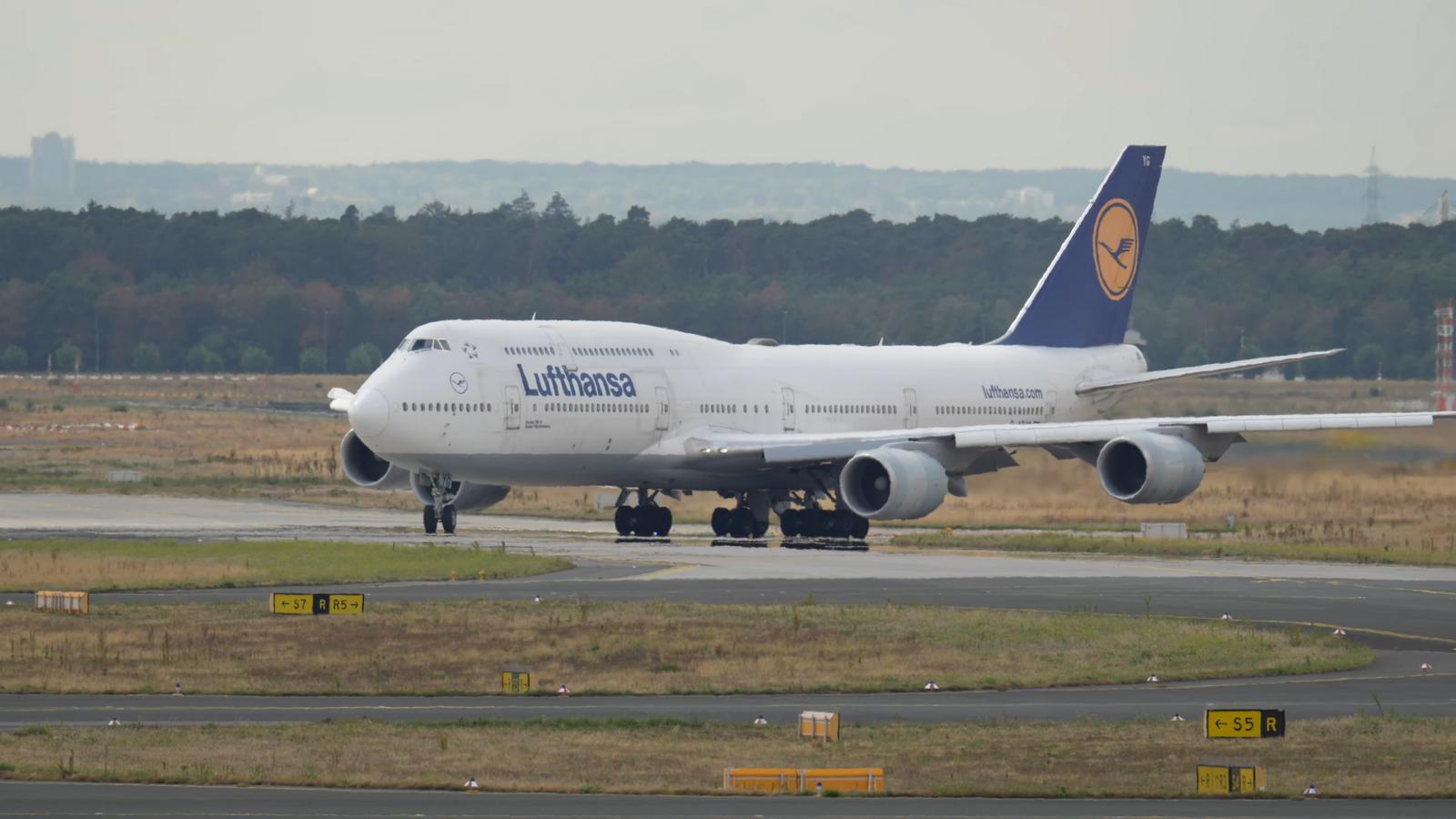
D-ABYG has therefore been assigned to the Air Force’s spare-parts pool, although its exact dismantling schedule has not been disclosed. There is no public component-removal manifest or confirmation that the aircraft has already been stripped at Pinal Airpark. The safer description is that it has arrived in Arizona to become a source of parts that can eventually be removed, inspected, documented and preserved for future use.
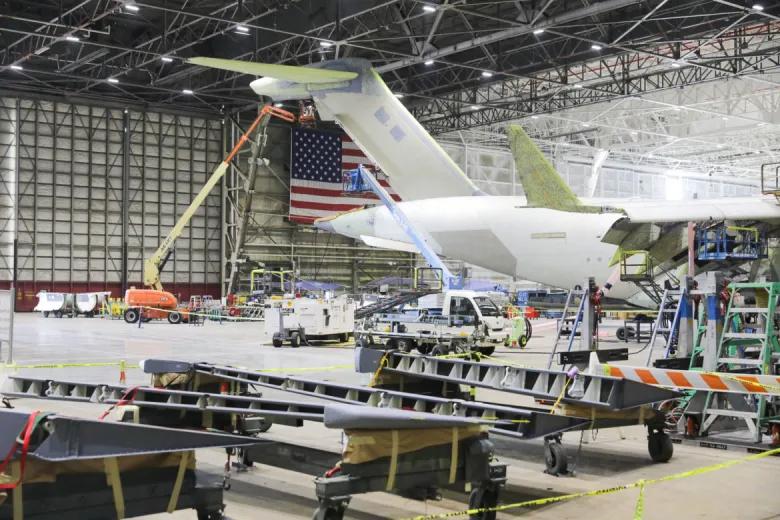
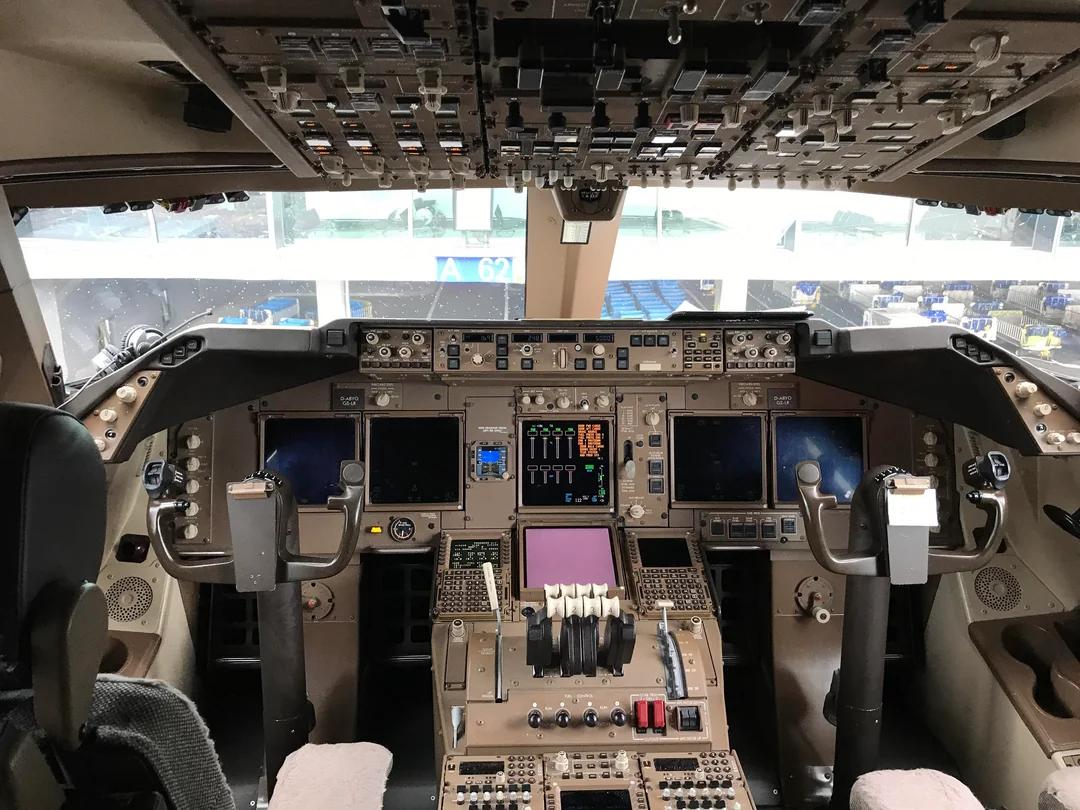
The need for that reserve is illustrated by problems with certain 747-8 components. A government report on the VC-25B program noted in 2023 that commercial 747-8 aircraft had zero spares available in its windshield risk assessment. The report said the previous supplier had closed its factory, while Boeing had contracted PPG to develop replacement windshields that still required certification. Passenger windows have presented another manufacturing and quality challenge.
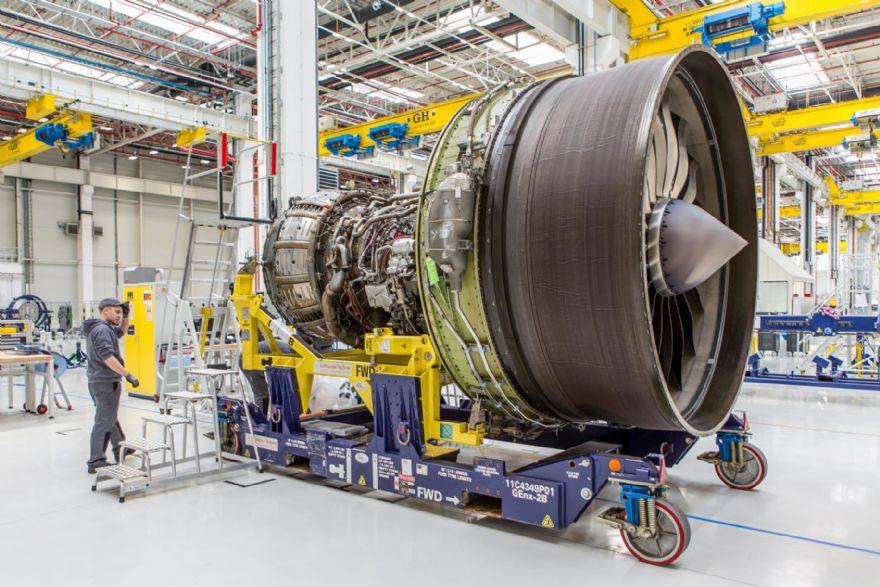
“The two aircraft mentioned above are additional aircraft to be used for training and spares,” Air Force spokesperson Ann Stefanek said, underscoring the distinct roles of the former Lufthansa jets. D-ABYD, which carries the military serial 25-32000, has been based at Joint Base Andrews since March 2026 to train aircrews and technicians on the 747-8.
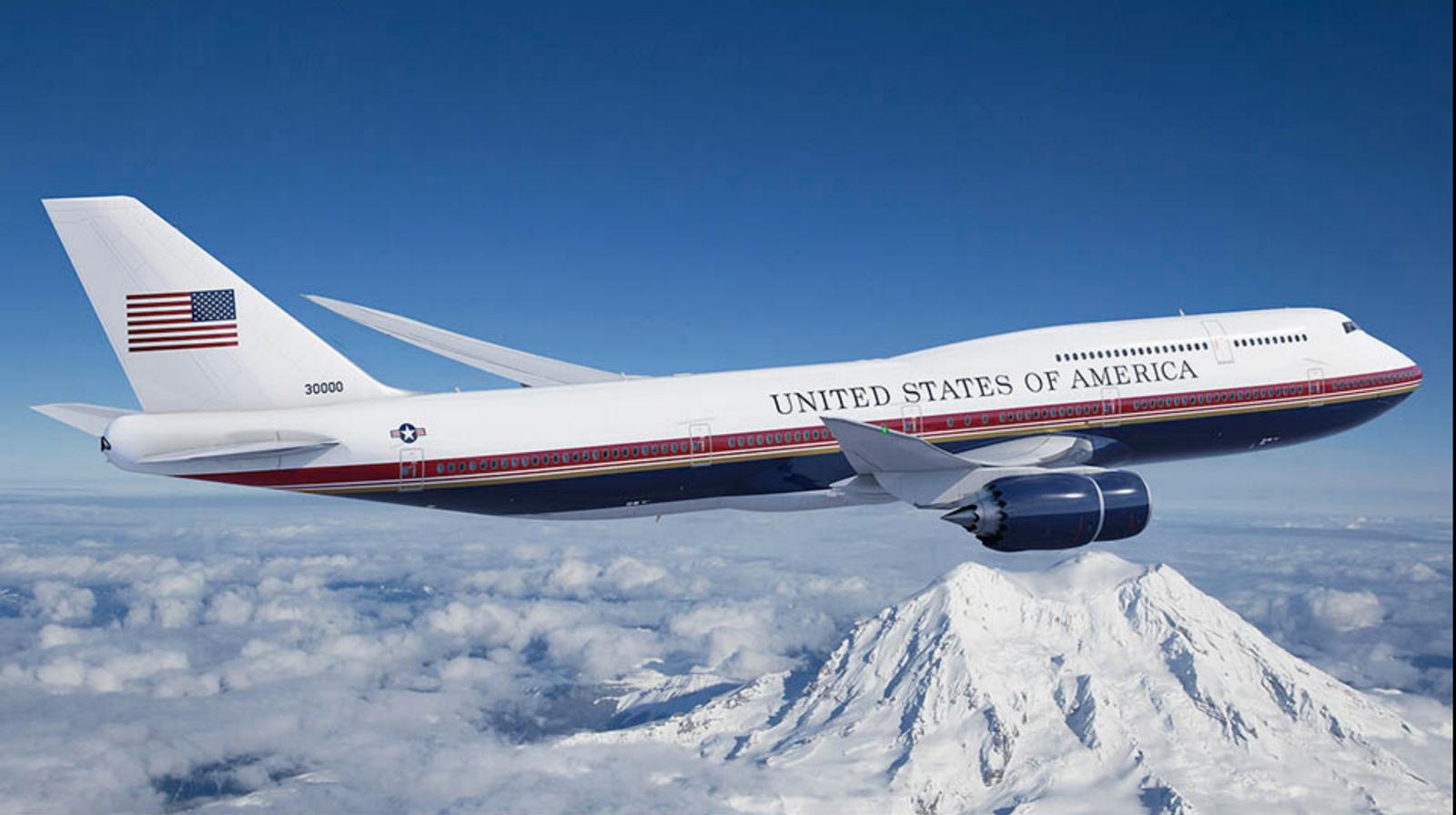
Supporting the next Air Force One
The parts aircraft is ultimately supporting two much more important 747-8s, the future VC-25Bs. Boeing is converting two 747-8Is into the next-generation Air Force One aircraft, but the program is years behind its original schedule. The first was initially due in December 2024, while the Air Force now expects the two aircraft in 2028 and 2029. Gen. Dale White, Director, Critical Major Weapon Systems, said in September that the first should power on this year and fly in 2027.
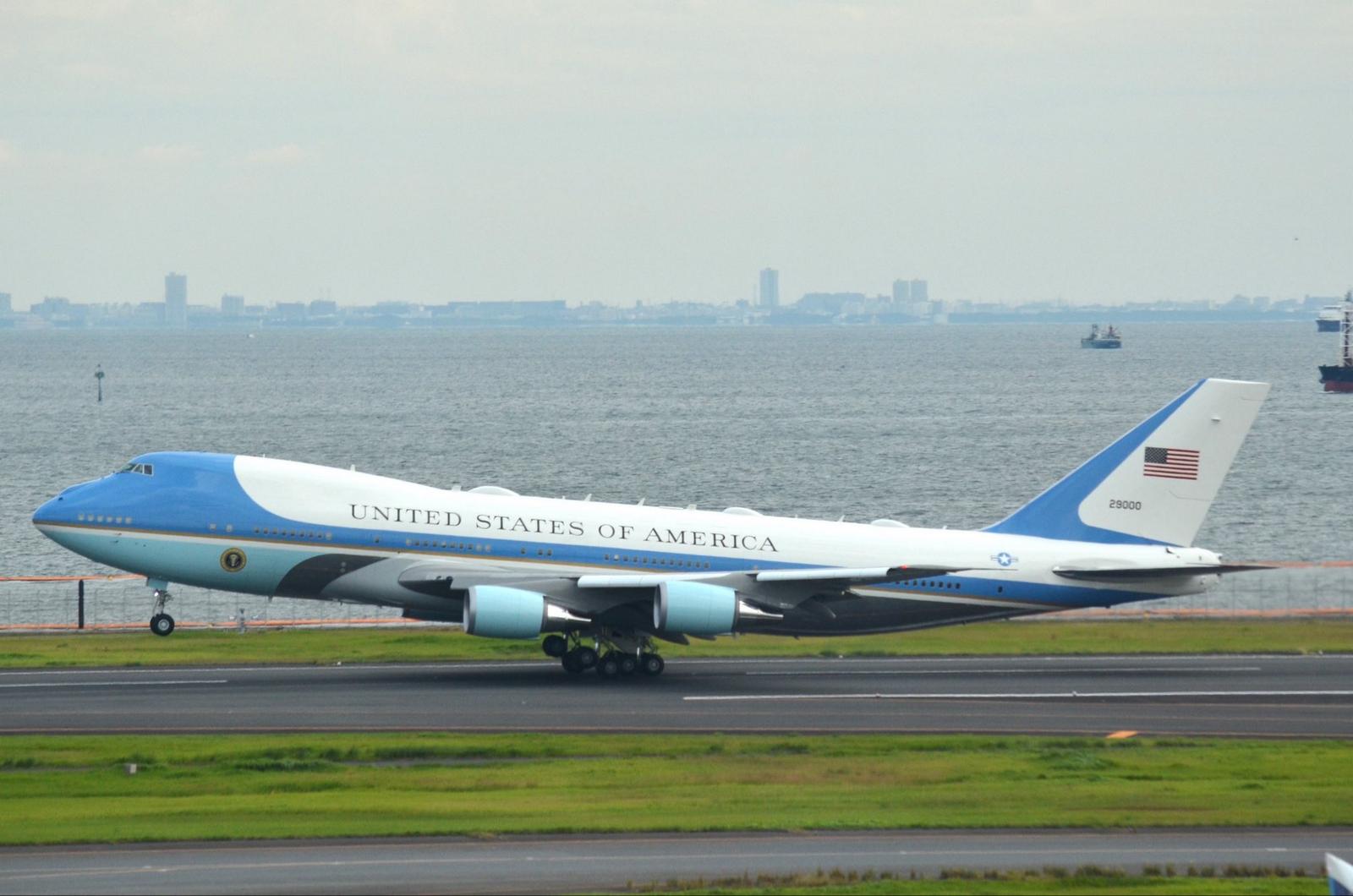
The transition also requires the Air Force to build an entirely new support system. The 747-8 differs substantially from the 747-200-based VC-25A, bringing different engines, wings, avionics, maintenance requirements and supplier networks. “We are building the ecosystem necessary to ensure this fleet remains mission-ready for the next 30 to 40 years,” Air Force Secretary Troy Meink said in May.

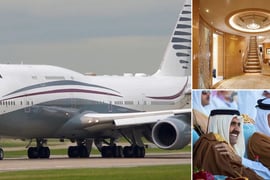
That ecosystem also includes the Qatar-donated 747-8 known as the Bridge, which is providing an interim presidential capability while the purpose-built VC-25Bs remain under construction. The aircraft has recently been grounded for another round of upgrades, including cosmetic work, with the president saying the latest process should take around 60 days.
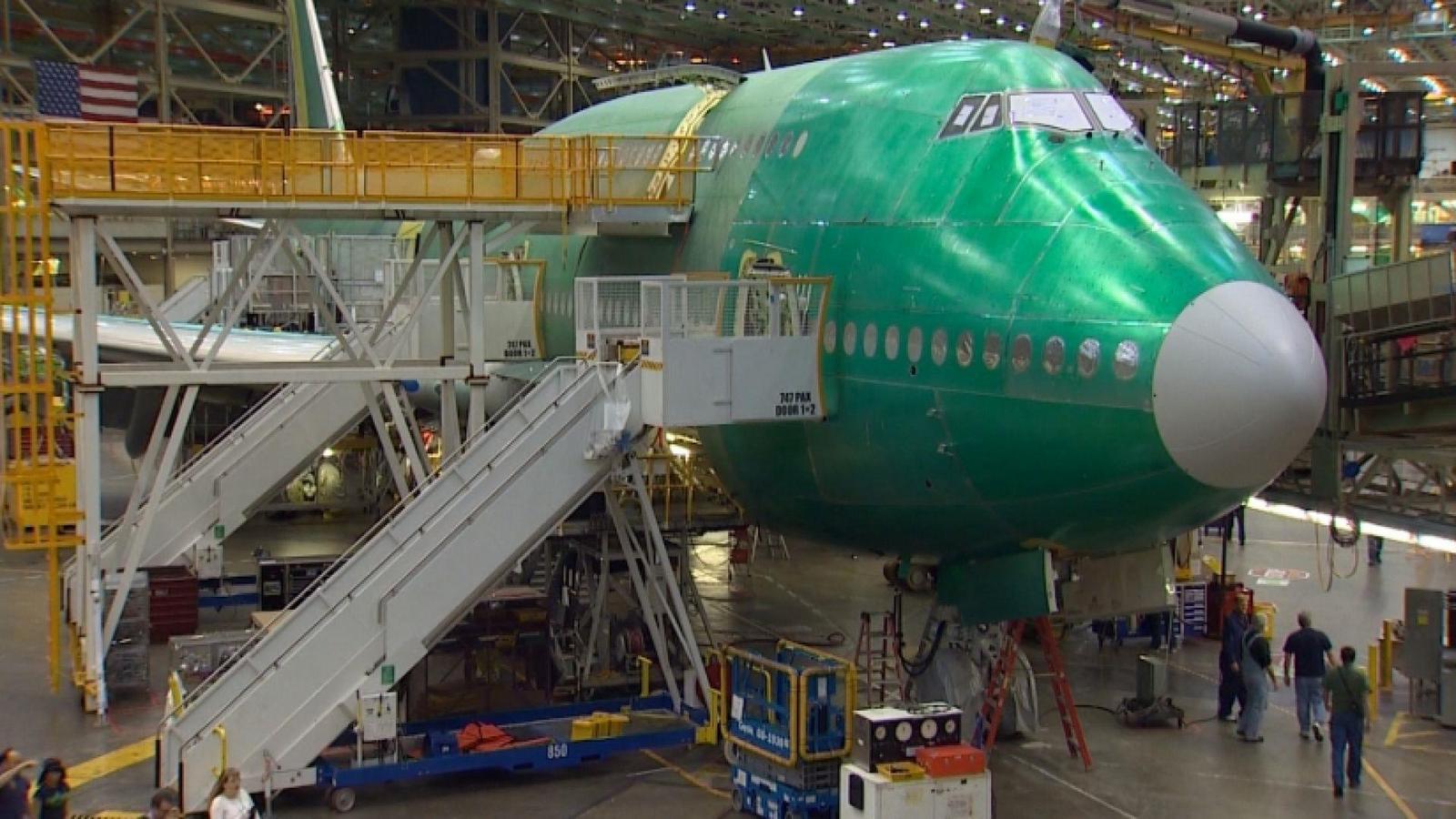
For D-ABYG, the flight to Arizona marks the end of its passenger career but not its usefulness. Its value will now be measured in the components that can keep the 747-8 presidential fleet operational when replacements are difficult to source. As the Bridge fills the gap and Boeing works on the delayed VC-25Bs, the former Baden-Württemberg is becoming a quiet but crucial part of the next generation of Air Force One.