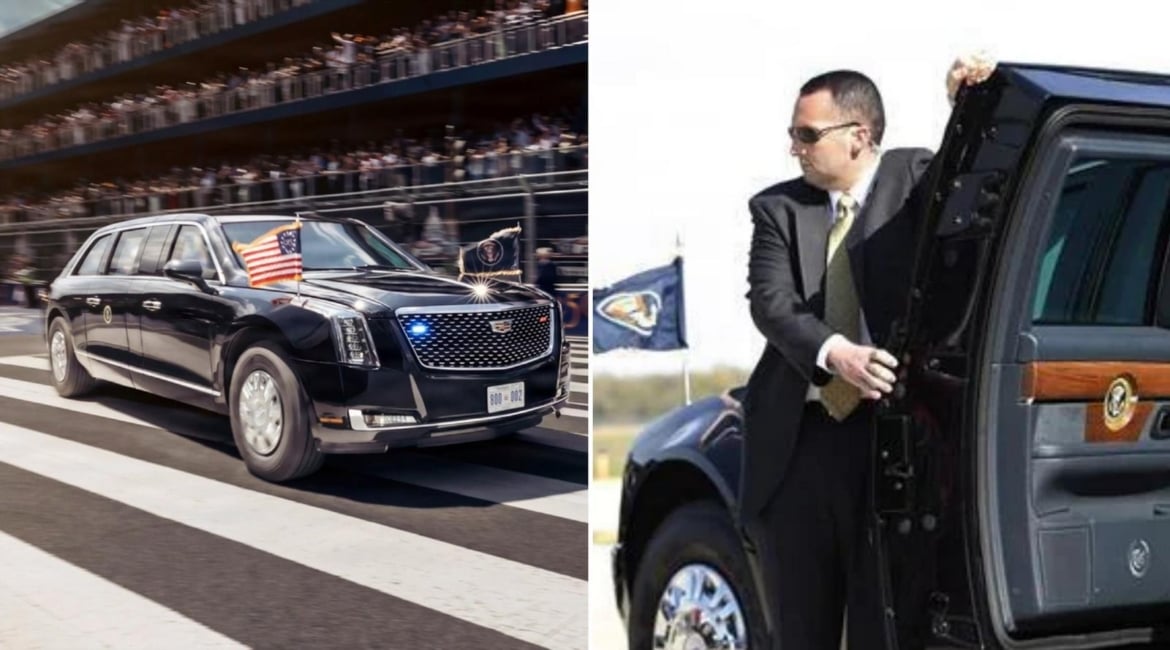
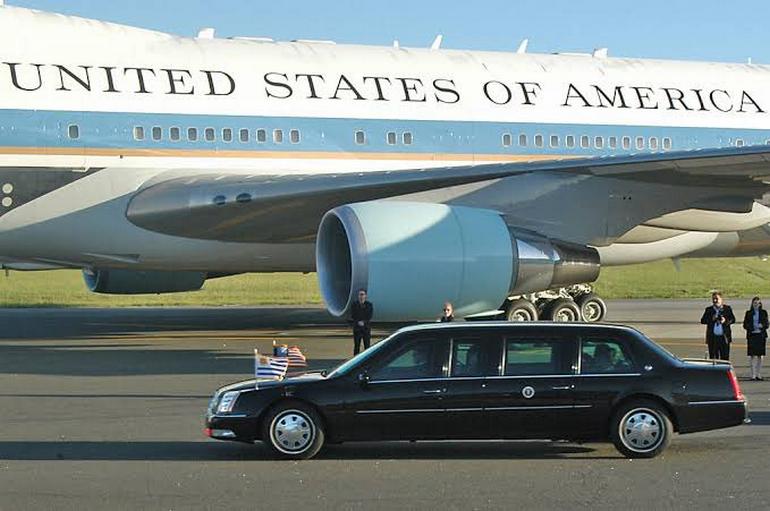
The President of the United States may command the world’s most powerful military, but when it comes to getting around, he still has to rely on a limousine that may have outlived its intended service life. Known as the Beast, the heavily armored Cadillac-branded vehicle has carried Donald Trump through his first term, Joe Biden’s presidency, and now his second term, protecting him with layers of armor and specialized security systems hidden beneath its familiar exterior. Yet, as the United States waits for its next-generation Air Force One aircraft, the Beast is also approaching the point when it should be replaced. The problem is that its successor has not arrived, and the presidential limousine program is moving on a timeline that could leave the president using the same eight-year-old vehicle for some time yet.
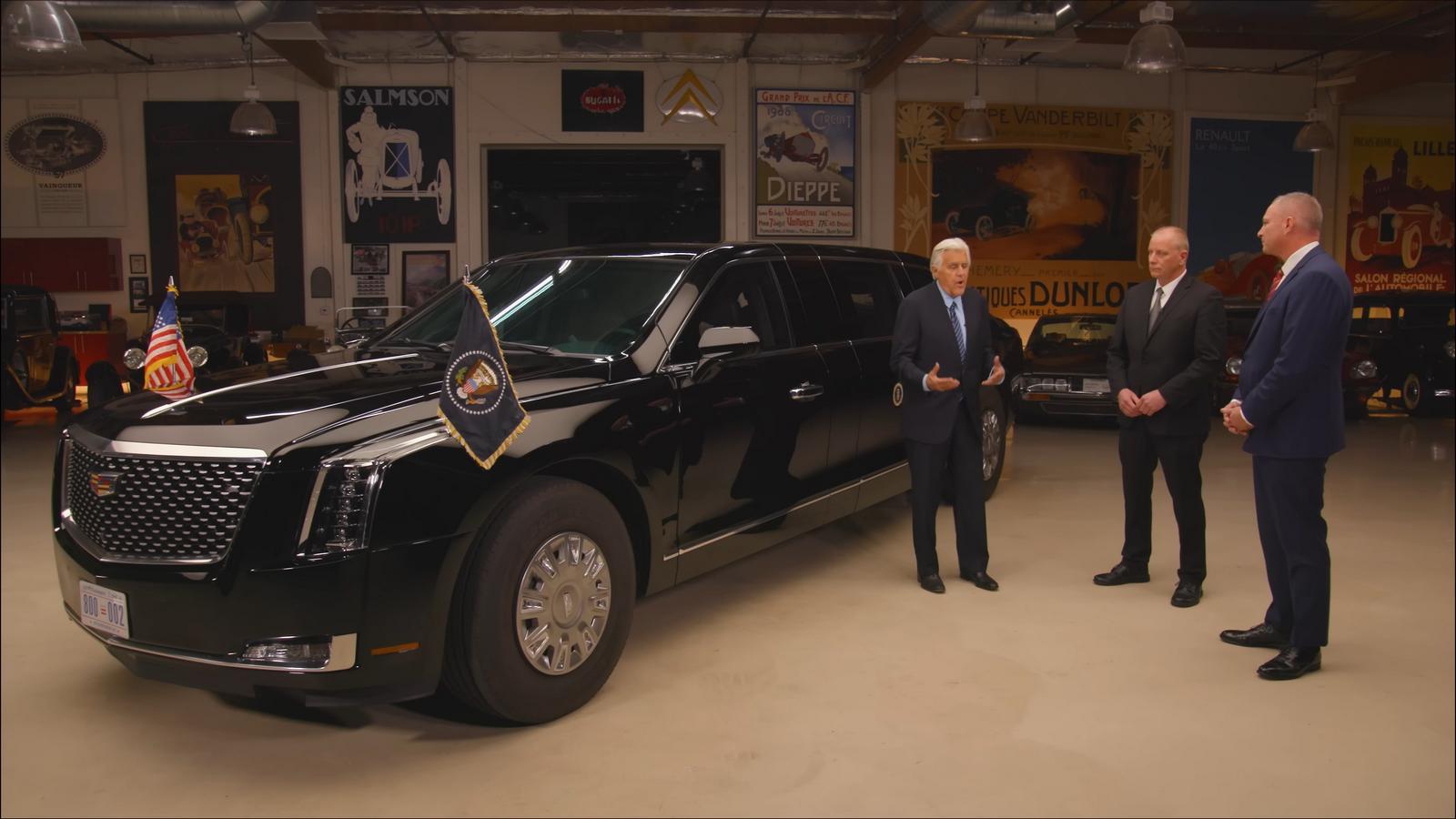
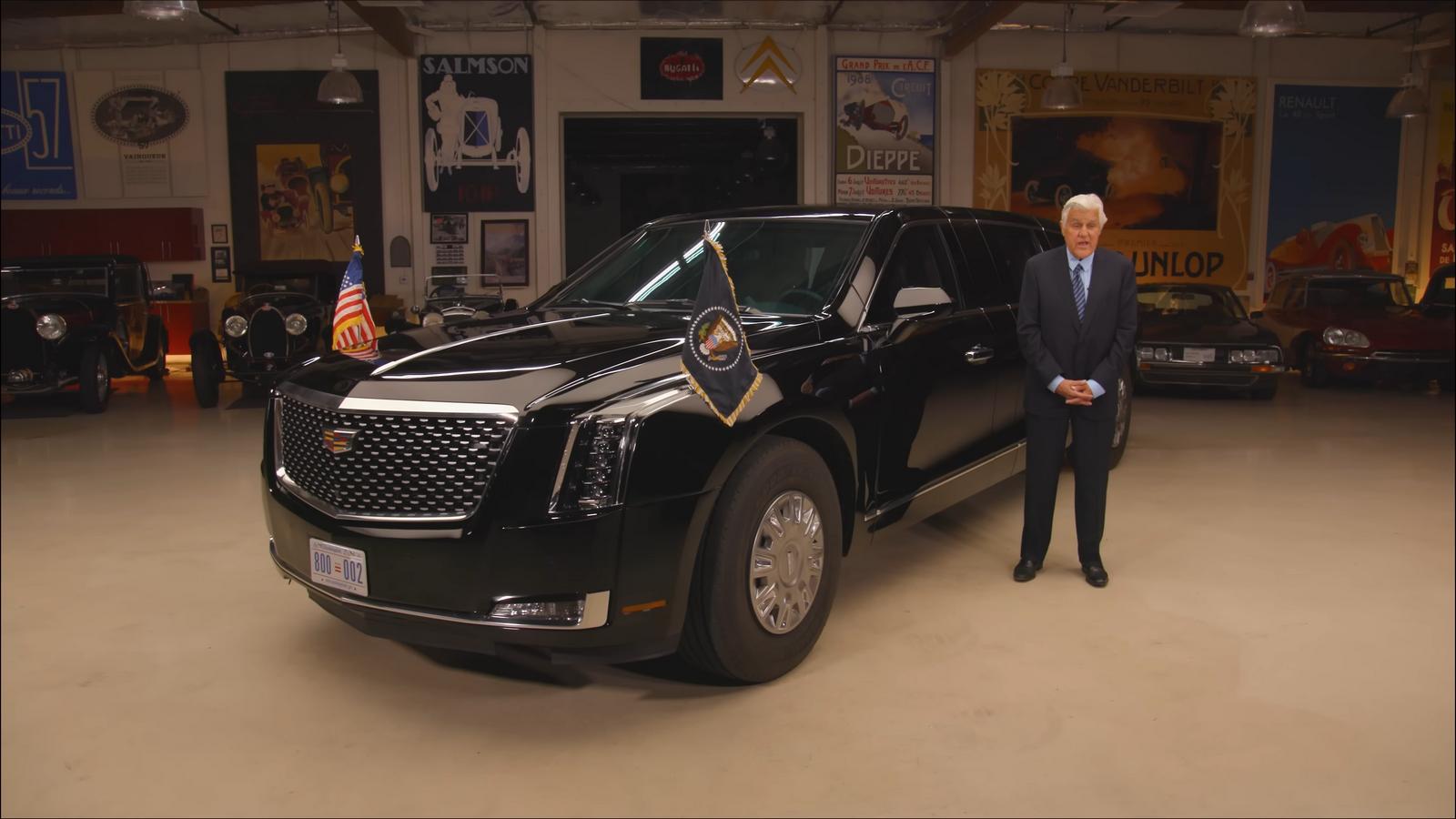
According to The War Zone (TWZ), Secret Service Assistant Special Agent in Charge Jay Nasworthy said in 2024 that each Beast has “probably an eight-year shelf life.” The current generation entered service on September 17, 2018, and made its public debut six days later in New York City. This means it has now passed that approximate eight-year mark. The remark was never an official retirement deadline, but it raises an interesting question about how long the Secret Service intends to keep using a vehicle built to protect the most powerful person in the world. With no confirmed debut date for the next Beast, the current fleet may have to continue serving well beyond the age its handlers once suggested was typical.
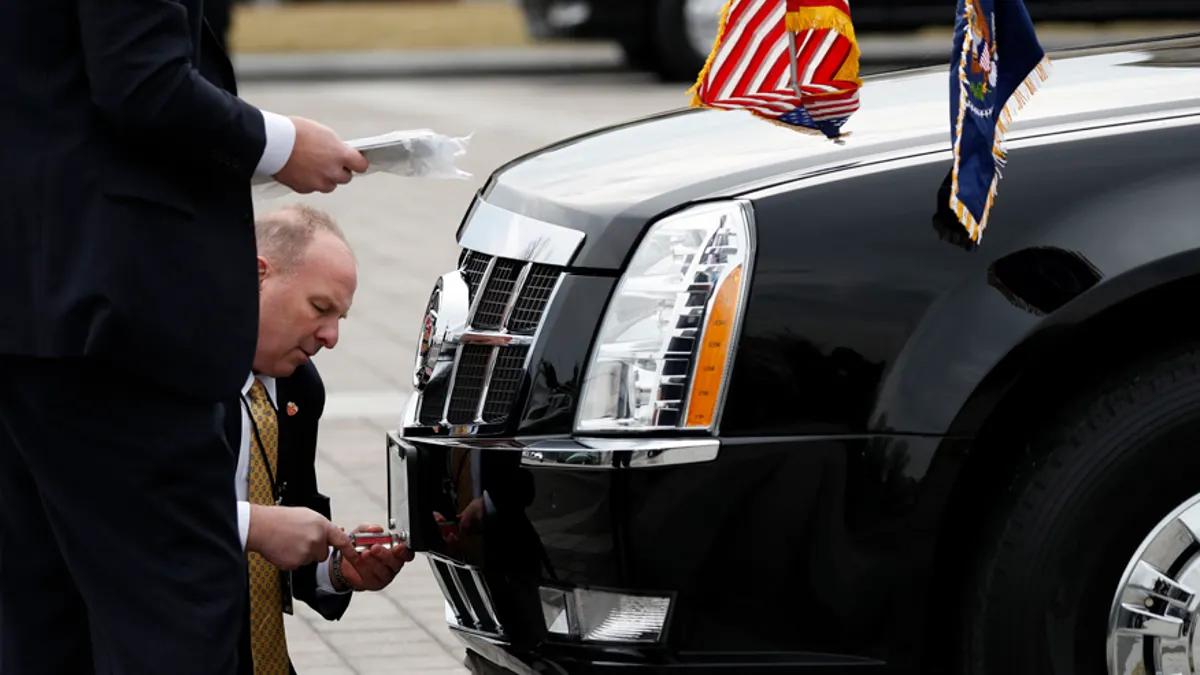
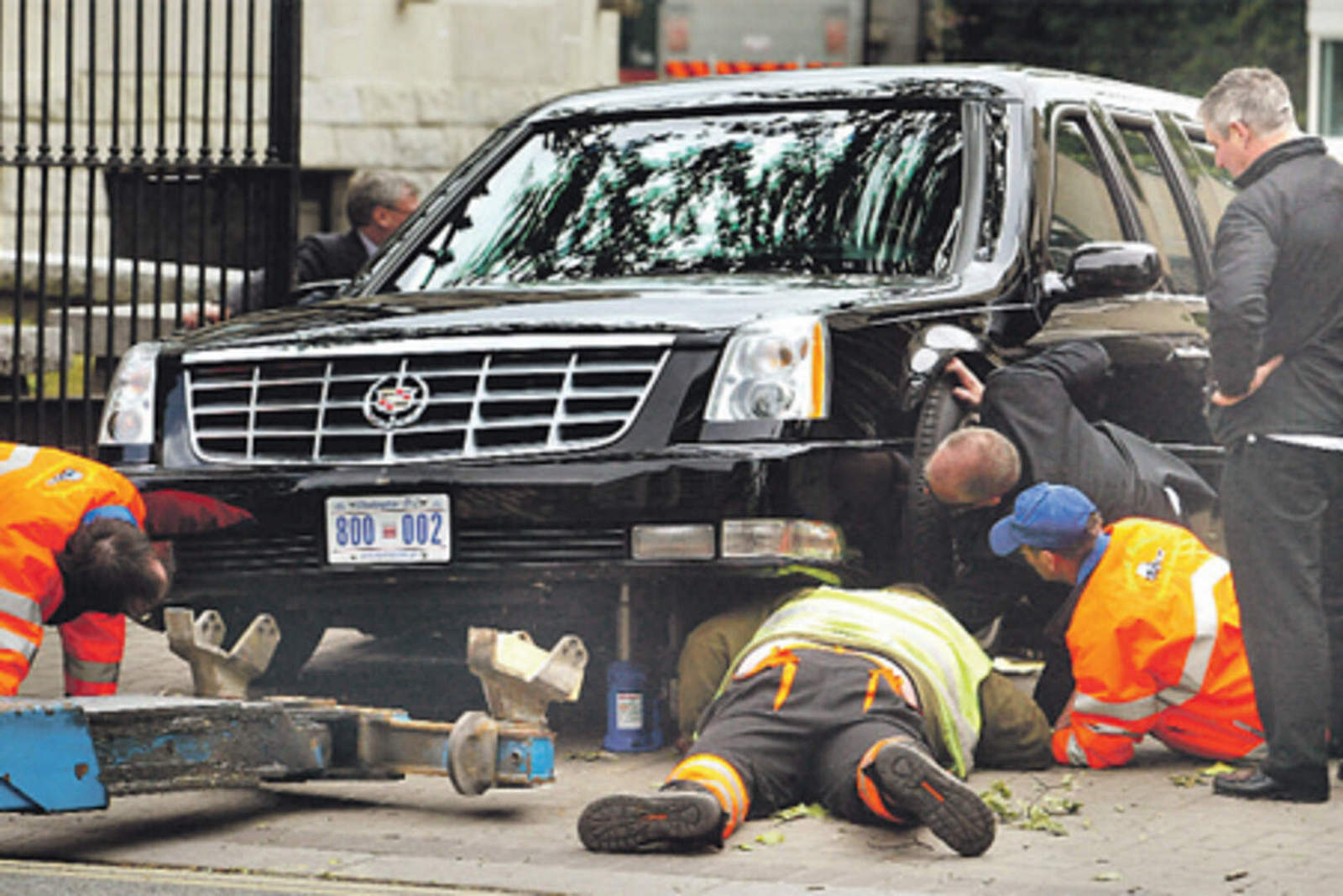
The Beast is built to take a beating, but it cannot serve forever
The Beast may look like a Cadillac, but underneath, it is a very different machine. Built by General Motors around a heavy-duty truck-derived chassis, the limousine reportedly weighs around 22,000 pounds and features thick armor, heavily reinforced glass, and a range of defensive systems. The Secret Service has confirmed that every wheel has a run-flat device, allowing the vehicle to keep moving even if its tires are damaged, while a redundant fuel pump helps keep the engine running if the primary fuel-delivery system fails. Inside, the President gets heated, cooled, and massaging seats, a reminder that even a rolling fortress has to offer some comfort.

The next generation is already in development, with the Department of Homeland Security awarding General Motors an initial $14.8 million contract in September 2024. The contract’s potential value could reach $40.8 million through 2029, following an additional $13.5 million option exercised in August 2025. However, that money covers development work and potentially supporting vehicles, rather than revealing how much each finished limousine will cost.
The Secret Service has not announced when the next Beast will be delivered, and there is no confirmed evidence that the replacement will be based on the Cadillac Escalade. If the next generation follows the roughly four-year development cycle of the current model, a debut around late 2028 is conceivable, although that remains a projection rather than an official schedule.

Air Force One is also running late
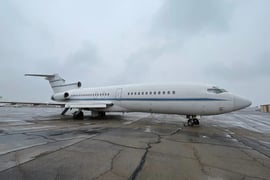
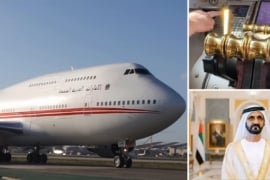
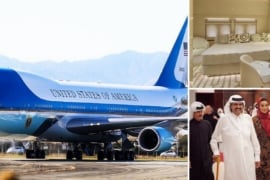
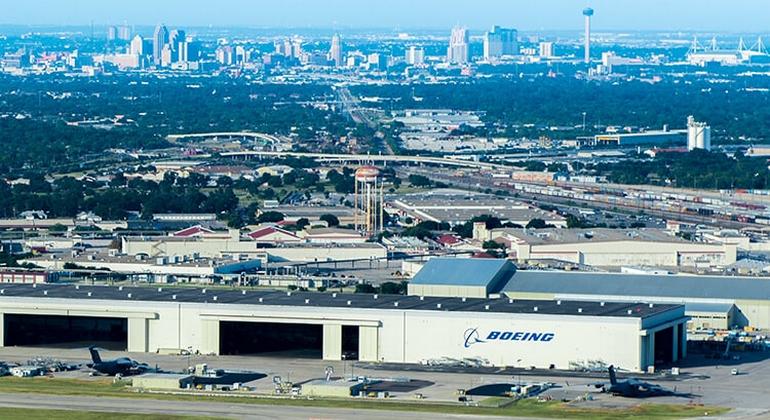
The Beast is not the only presidential transport caught in a long wait. Boeing’s next-generation VC-25B Air Force One aircraft, based on the 747-8, has suffered years of delays, pushing the delivery of the first aircraft well beyond the original 2024 target. The program has faced expensive engineering challenges and complex modifications needed to turn commercial airliners into secure airborne command centers. The first VC-25B is now projected for delivery in mid-2028, with the second expected around mid-2029, leaving the existing VC-25A aircraft to continue carrying the President in the meantime.
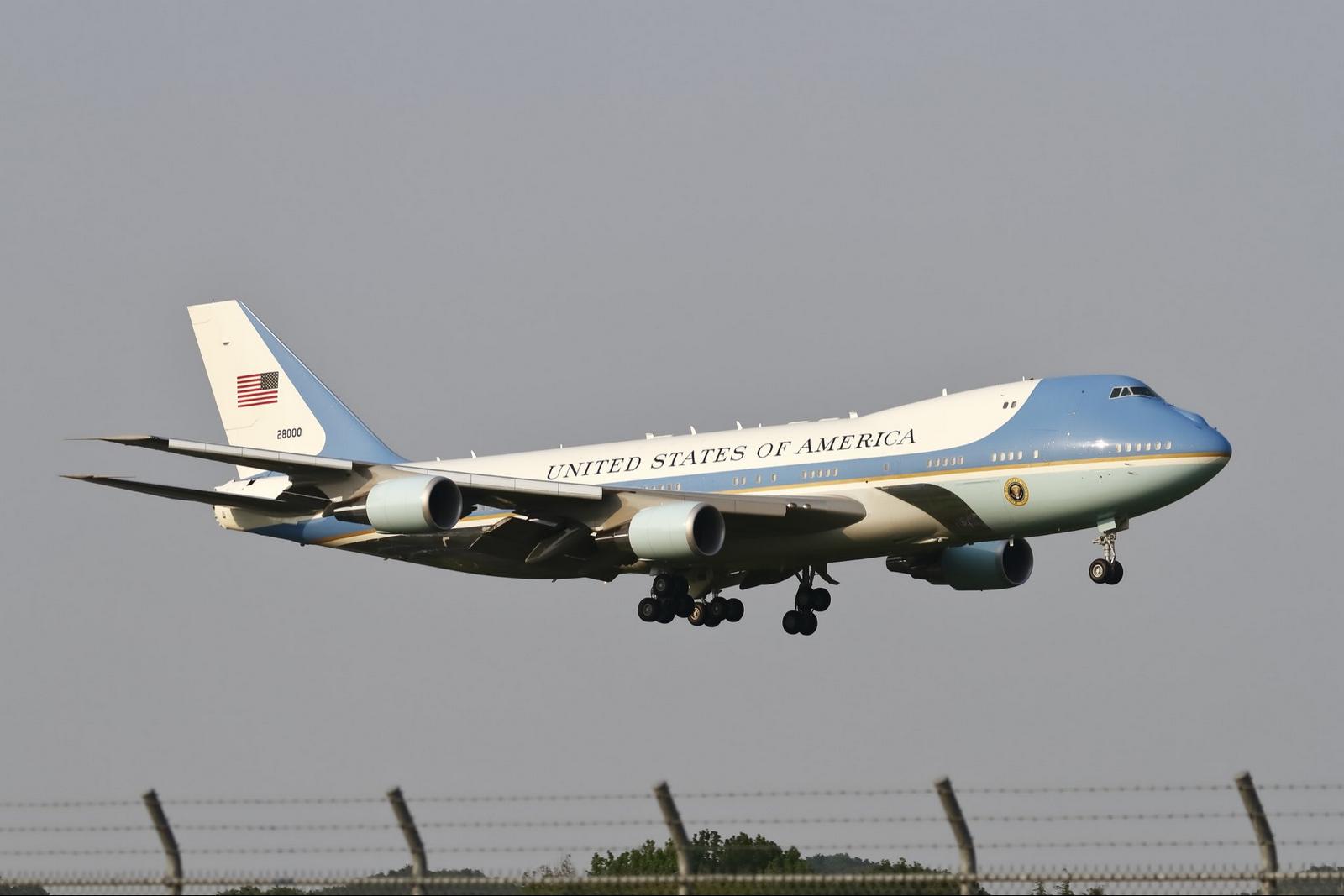

There are, however, some important milestones ahead. The Air Force plans to power up the first VC-25B by the end of 2026, ahead of a first test flight targeted for 2027. Those steps would mark progress, but they do not mean the aircraft will be ready to carry the President immediately, since testing, certification, and further work will still be required before delivery. Until then, the United States will continue relying on its existing presidential aircraft and the aging Beast fleet on the ground.

For now, the presidential limousine remains a remarkable piece of engineering, built to protect its passenger rather than follow the usual automotive replacement cycle. But with the current Beast already past the shelf life suggested by its Secret Service handlers and a successor still in development, the wait for a new presidential ride could stretch on.