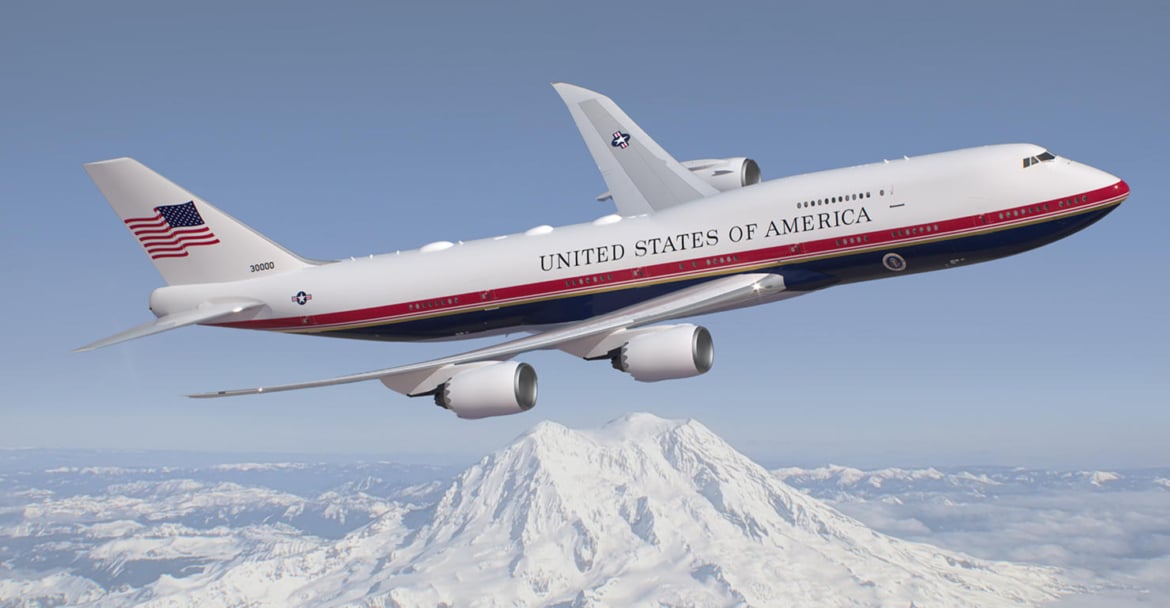
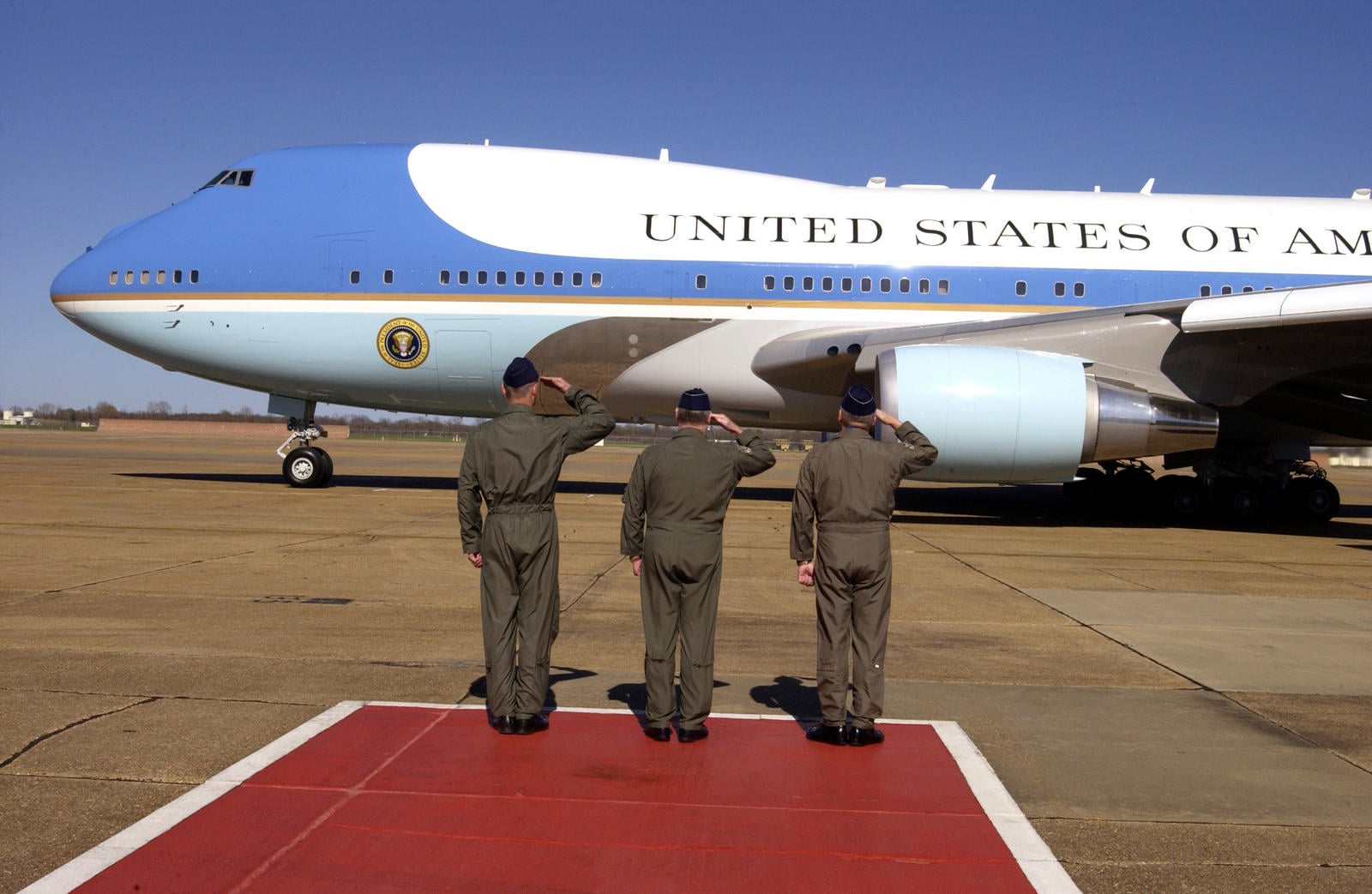
The two Boeing 747-8 aircraft being transformed into America’s next Air Force One have received another $11.7 million repair contract, adding to the mounting costs of a presidential aircraft program that is already years behind schedule. The US Air Force has awarded Boeing additional funding to repair unique components on the two VC-25B aircraft being converted into the next generation of Air Force One, with the work expected to be completed before the jets are delivered. The aircraft are still undergoing extensive modifications in Texas, where Boeing is attempting to turn two commercial Boeing 747-8 airframes into highly specialized presidential transports capable of serving as airborne command centers.
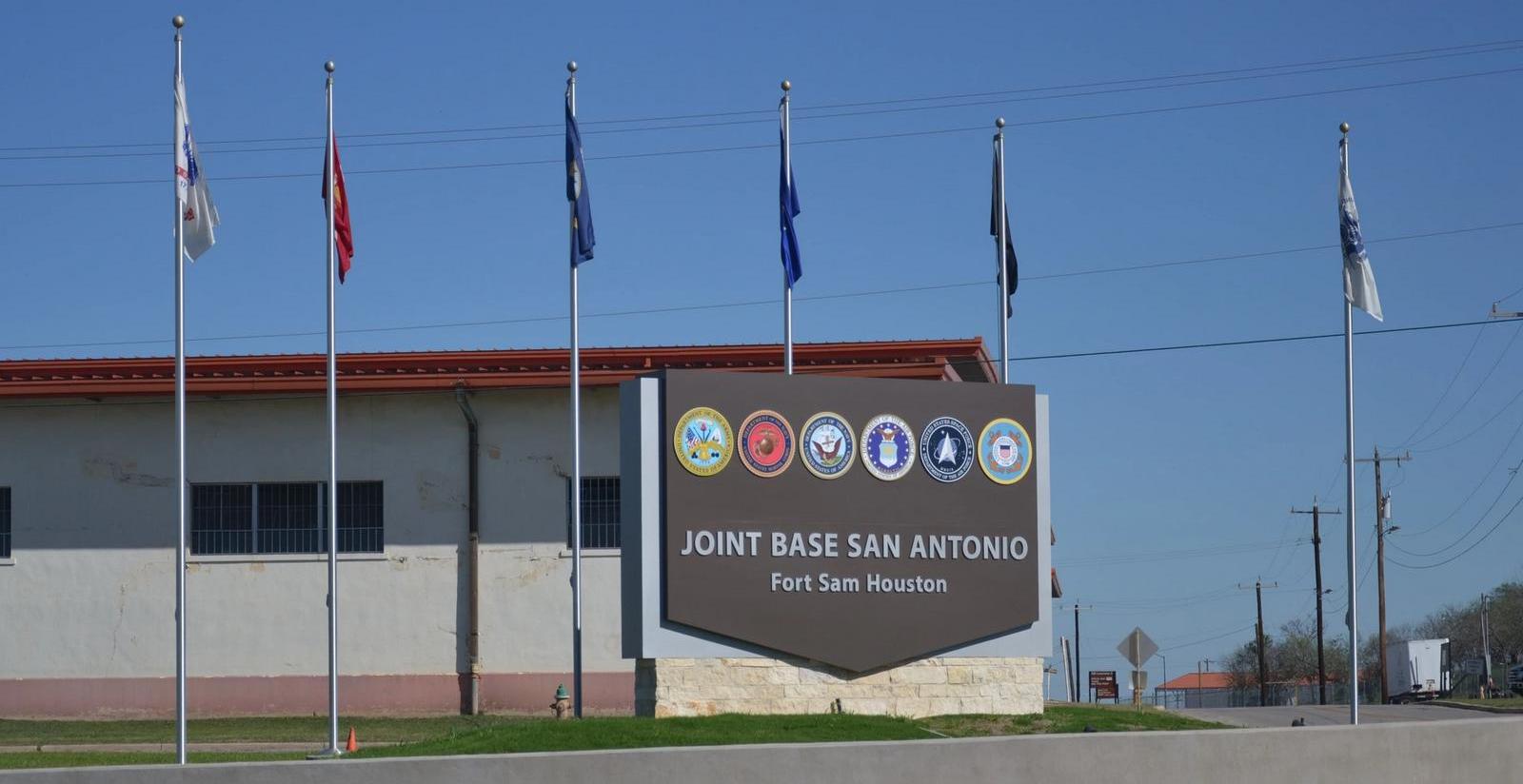
According to the Department of Defense’s latest contracts announcement, Boeing received an additional $11.7 million under its existing VC-25B contract for repairs to unique aircraft components. The work will be carried out at Joint Base San Antonio, Texas, and is expected to be completed before the two jets are delivered. The Air Force has not disclosed which parts need repairing or what caused the problem, leaving questions about the latest work being carried out on the unfinished presidential aircraft. The award comes as Boeing continues to deal with structural defects, engineering challenges and repeated rework during the conversion process. It also adds to a growing list of separately funded requirements that have pushed the overall contract value beyond $4.5 billion.
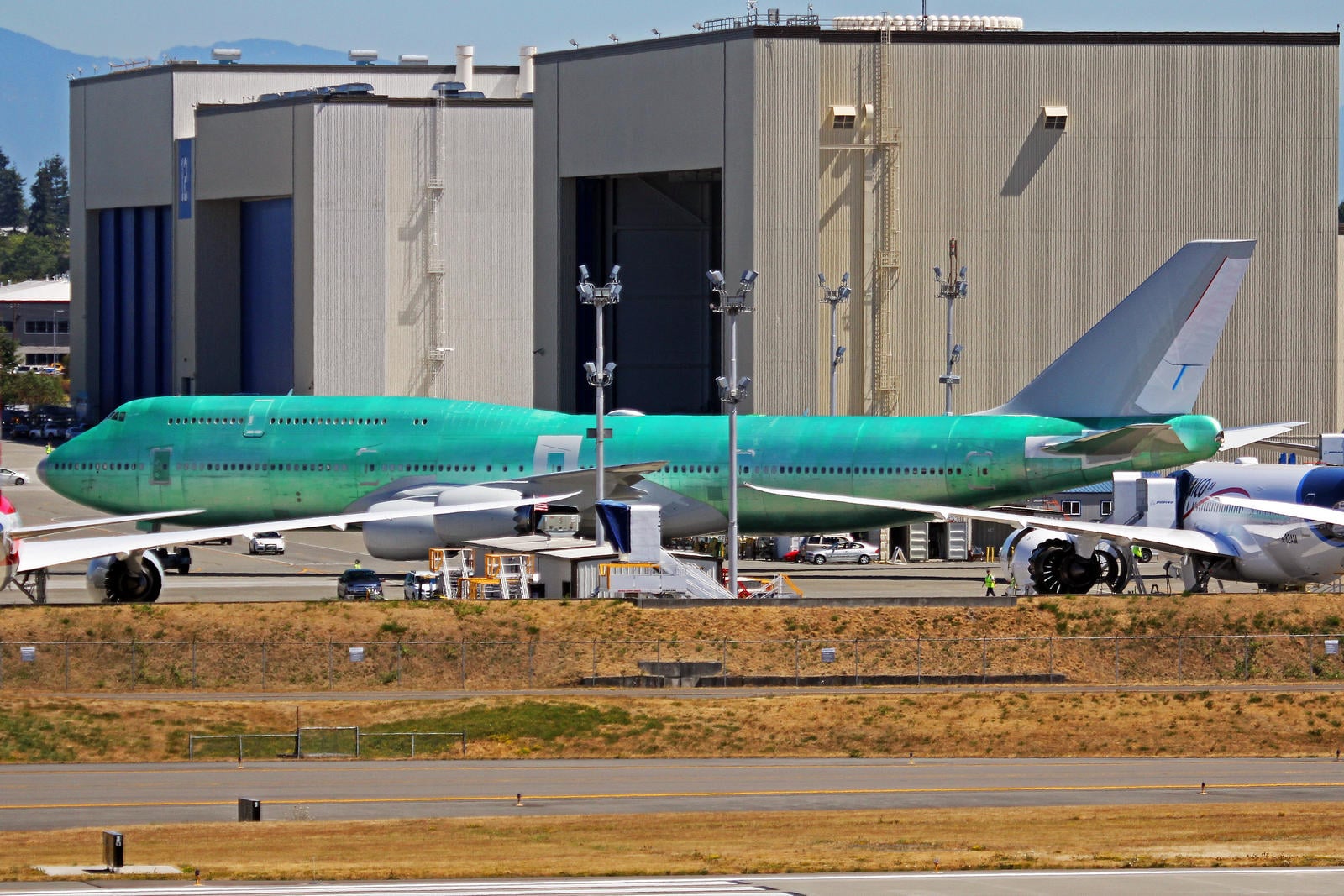
Another repair bill for aircraft that have yet to fly
The additional funding comes at a particularly awkward time for Boeing, which has been struggling to complete the two presidential aircraft for years. Both 747-8 airframes were originally built for Russian airline Transaero, which collapsed before taking delivery. The US government subsequently acquired the aircraft for conversion into presidential transports, with work beginning on the first jet in February 2020 and the second in June 2020. The transformation involves far more than installing an executive cabin. Boeing is adding military avionics, a sophisticated communications system, an upgraded electrical architecture, two auxiliary power units that can operate during flight, self-defense equipment and an entirely redesigned presidential interior.
The aircraft are also being equipped with autonomous enplaning and deplaning capabilities, while an earlier requirement for aerial refueling was dropped in 2017 to reduce costs. However, the conversion has been anything but straightforward. The aircraft have encountered manufacturing-related structural problems, including approximately 300 stringer cracks on each jet, according to Air Force figures reported in July 2026. The FAA had previously linked similar cracking across the wider 747-8 fleet to improperly shimmed gaps at stringer splice joints during manufacturing. An April progress report also recorded 237 remaining stringer repair or installation tasks across both aircraft, although that figure was specific to April 13 and does not represent the current backlog.
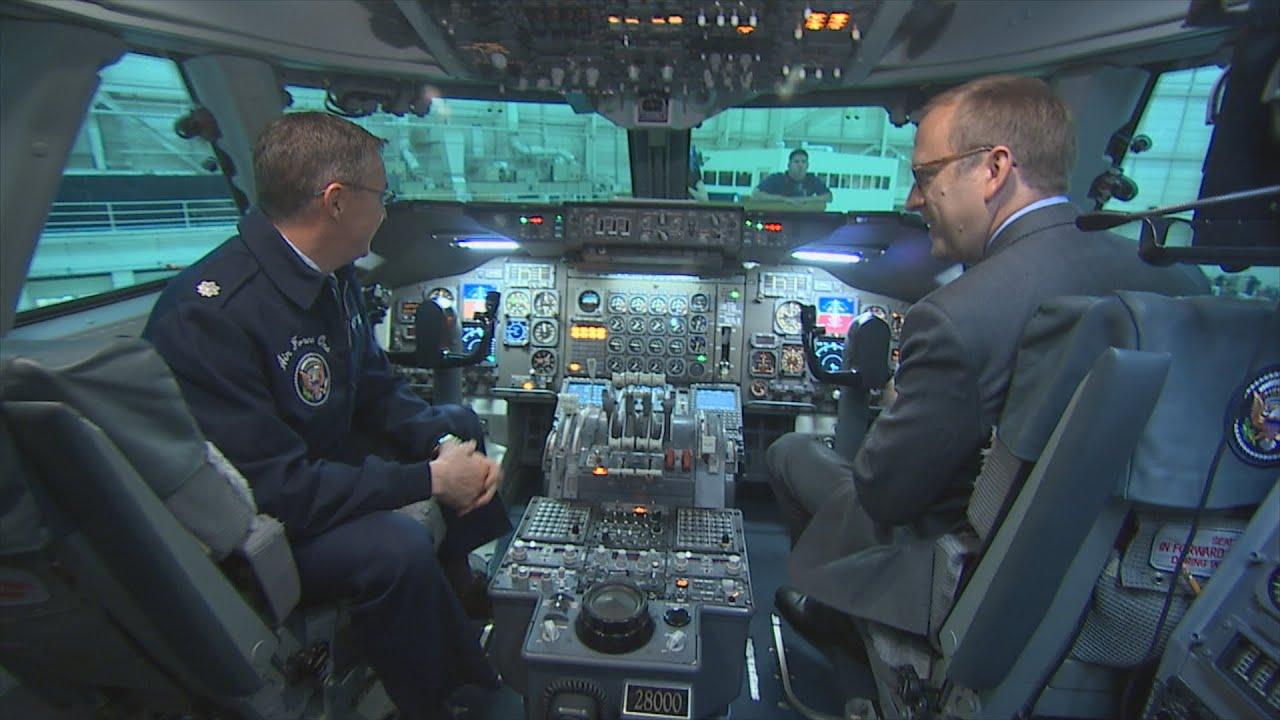
Boeing is spending more to prevent further delays
Structural problems are only part of the headache. Changes to the interior design, the transition to a new interiors supplier, complicated wiring installation, staffing shortages, and difficulties obtaining certified windows and cockpit windshields have all contributed to the delays. Some of these problems have a knock-on effect, with window shortages potentially holding up pressurization testing, interior installation and other subsequent work. The Pentagon has also identified engineering inefficiencies and excessive rework as problems affecting the program.

The financial consequences have been considerable. Boeing signed the original firm-fixed-price development agreement in 2018 for approximately $3.9 billion, which means the company has been responsible for absorbing cost overruns on the core work. Its cumulative losses on the program have now exceeded an estimated $3 billion, including a fresh multi-million-dollar charge recorded in the second quarter of 2026. Boeing is also spending an additional $280 million on production and certification resources, adding workers and other resources in an effort to prevent further delays and get the presidential jets delivered.
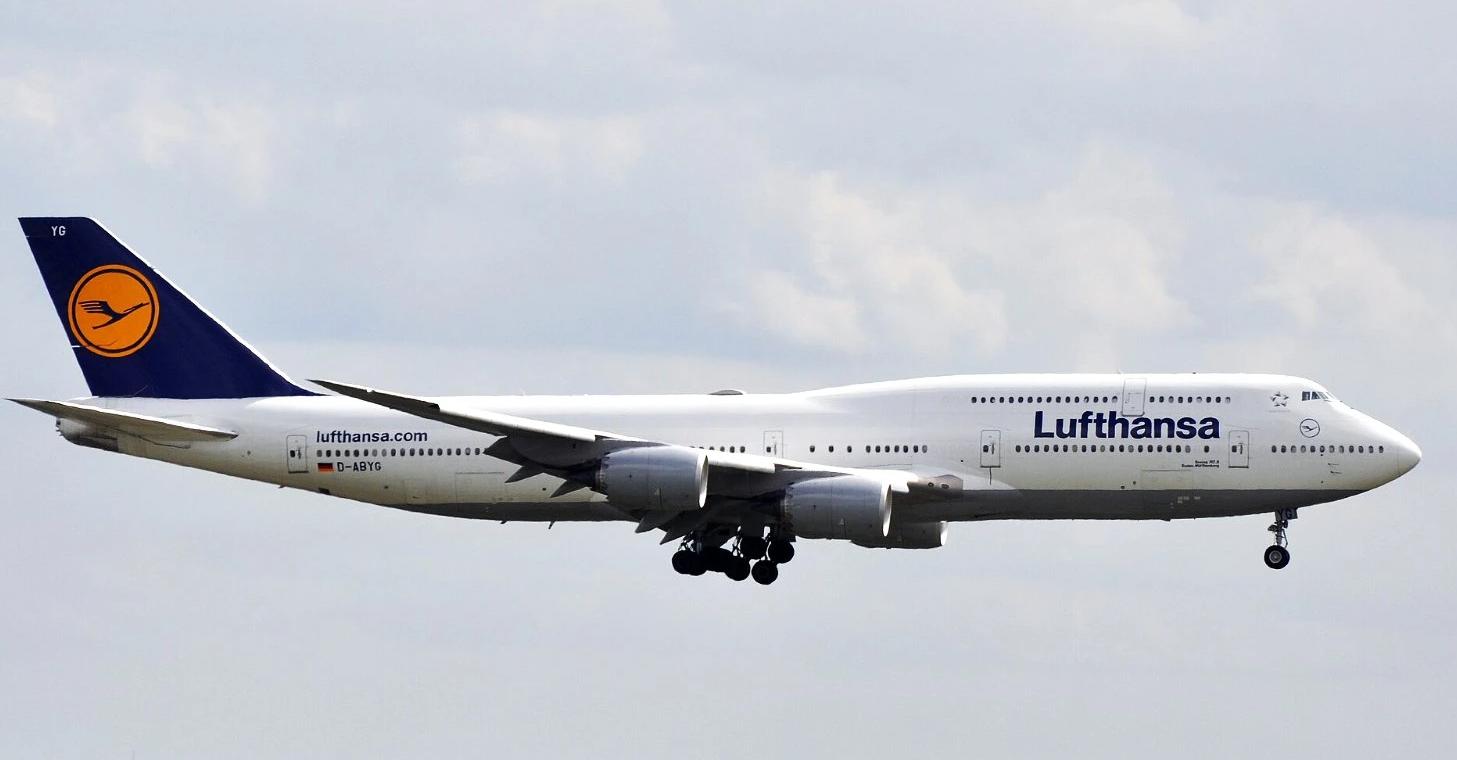
The government, meanwhile, has continued funding additional requirements separately. Earlier in 2026, the Department of Defense authorized another $125 million for initial spare parts for the two aircraft, following a separate $15.5 million modification in December 2025 to expand their communications capabilities. The Air Force has also acquired two former Lufthansa Boeing 747-8 aircraft for $400 million, one intended for training and the other to provide spare parts.
The next Air Force One is finally approaching its first flight
After years of delays, the program is approaching an important milestone. The first VC-25B is expected to be powered up in its new configuration before the end of 2026, allowing Boeing and the Air Force to move further into ground testing. Its first test flight is scheduled for 2027, although considerable testing and certification work will remain before the aircraft can enter presidential service. The first aircraft is currently expected to be delivered in mid-2028, with the second following around mid-2029. That puts the replacement program roughly four years behind its original 2024 delivery objective, leaving the existing VC-25A aircraft to continue carrying the president in the meantime.

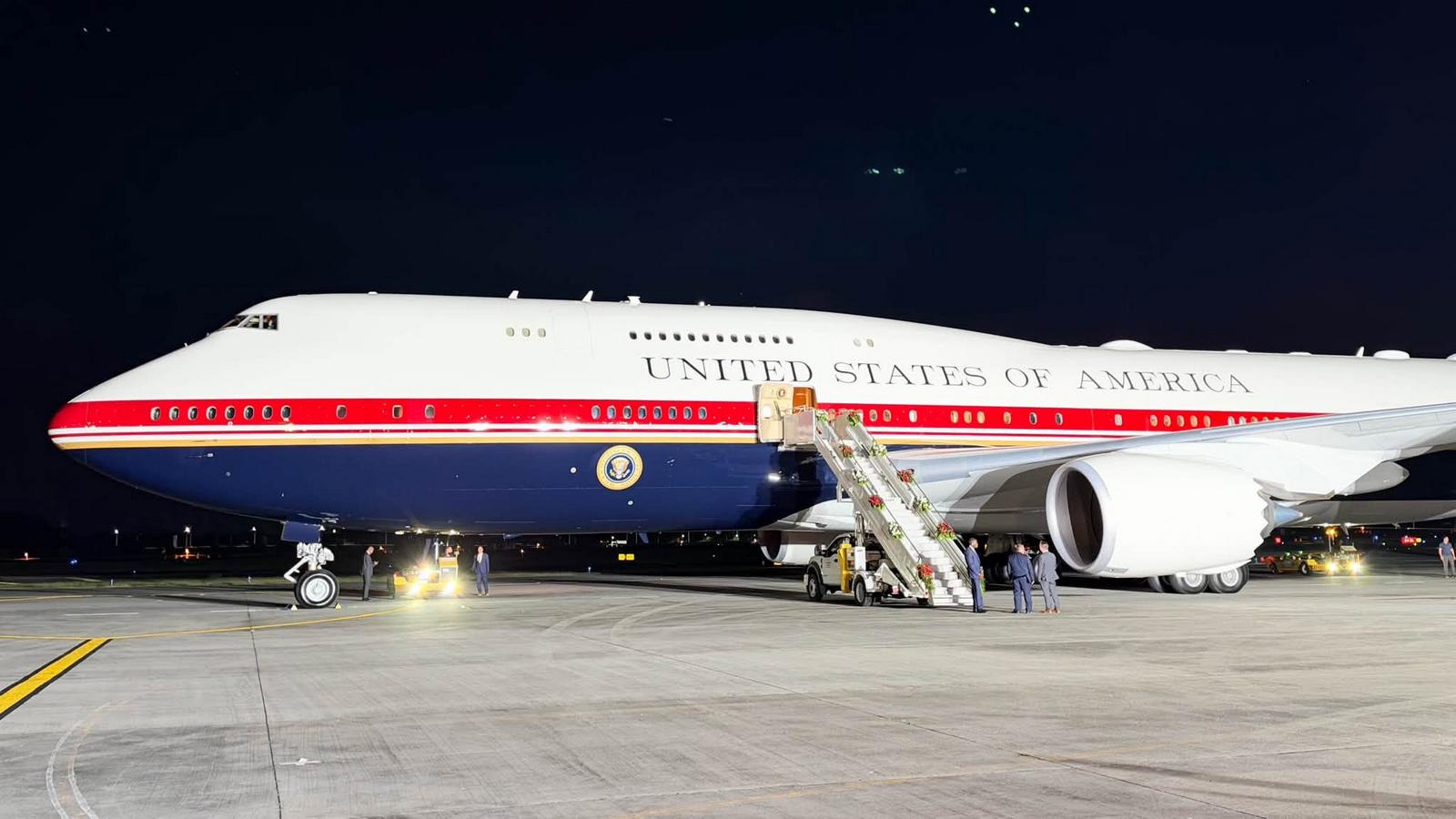
Until then, the Air Force is relying on an interim VC-25B Bridge aircraft, a Qatari-donated Boeing 747-8 converted by L3Harris. It already carried President Donald Trump nonstop from Shenzhen, China, to Joint Base Andrews on November 19, completing an approximately 15-hour journey that the White House described as the longest nonstop Air Force One sortie to date. The two Boeing-built replacements, however, still have considerable work ahead of them, and the latest $11.7 million repair award is another reminder that turning a commercial jumbo jet into a flying White House is proving considerably more complicated than originally expected.