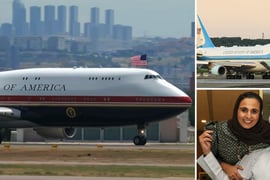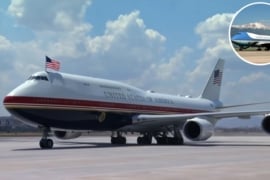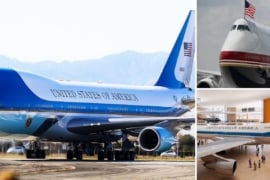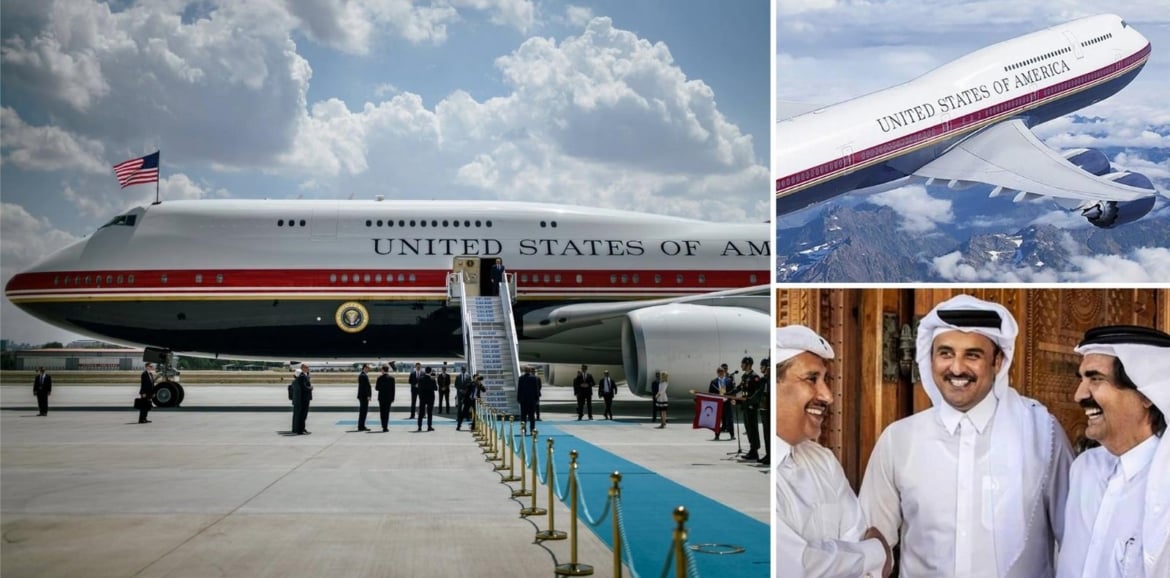
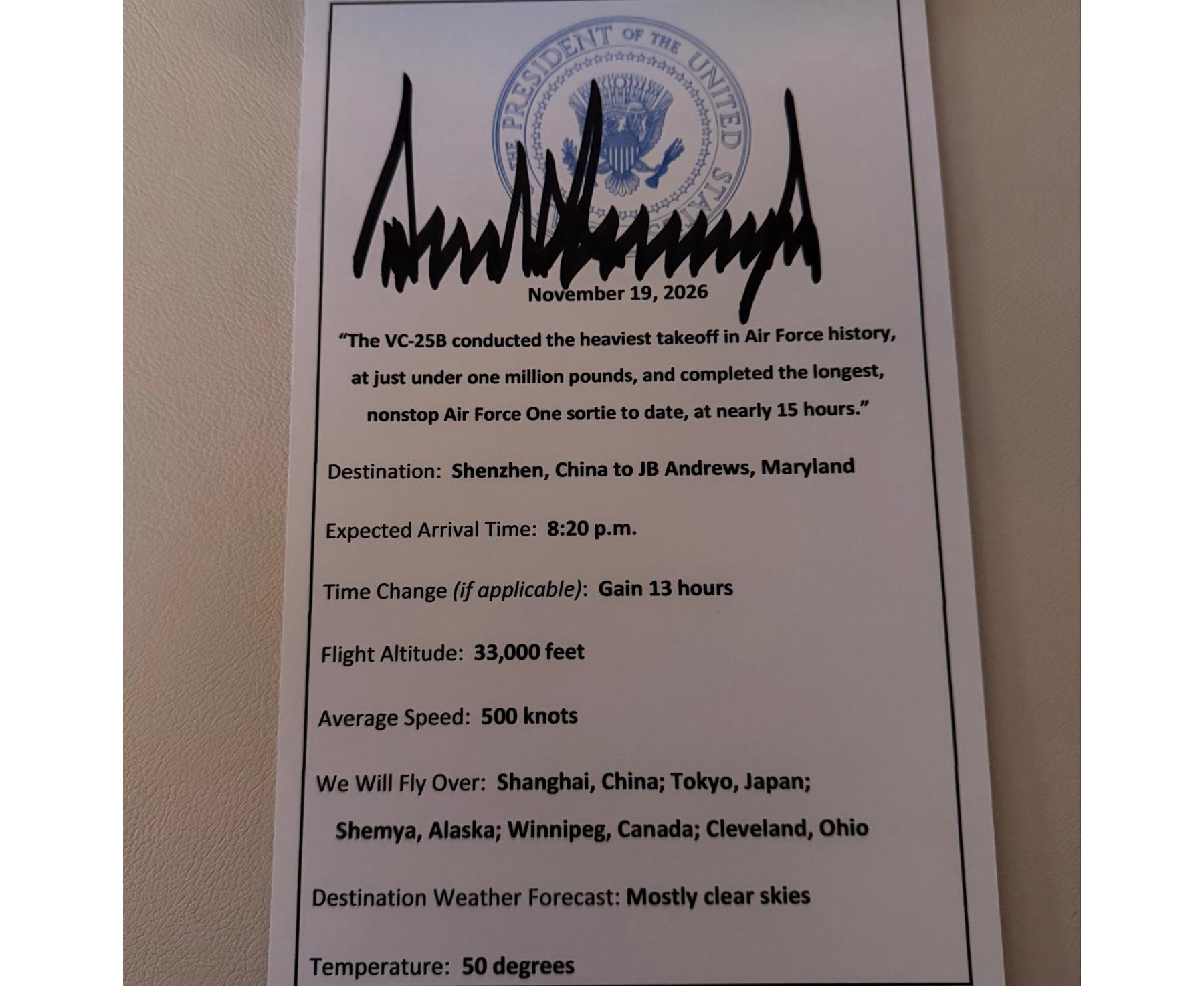
The Qatar-donated Boeing 747-8i has accomplished something that the two aircraft being developed to become America’s next Air Force One may struggle to replicate. The modified jumbo jet recently completed a nonstop flight from Shenzhen, China, to Joint Base Andrews in Maryland, covering approximately 7,500 nautical miles without stopping for fuel, setting new records in the 73-year-long history of Air Force One. The journey took nearly 15 hours and demonstrated the impressive long-distance capabilities of the aircraft, which is temporarily serving as the United States’ presidential transport under the VC-25B Bridge program. However, there is an unexpected twist to the achievement, as the permanent Air Force One aircraft being developed by Boeing have a substantially shorter revised range requirement despite being based on the same Boeing 747-8 platform.
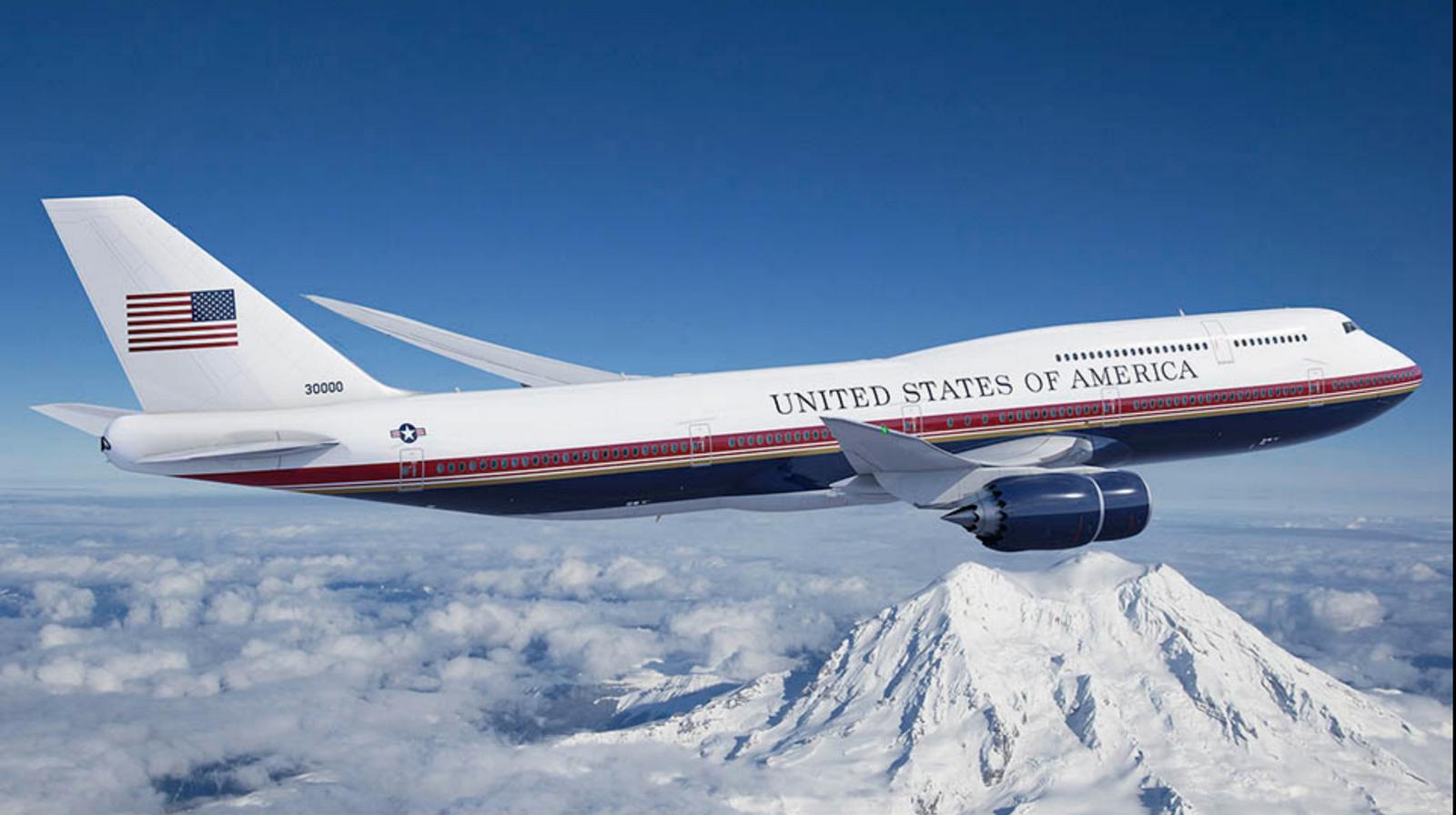
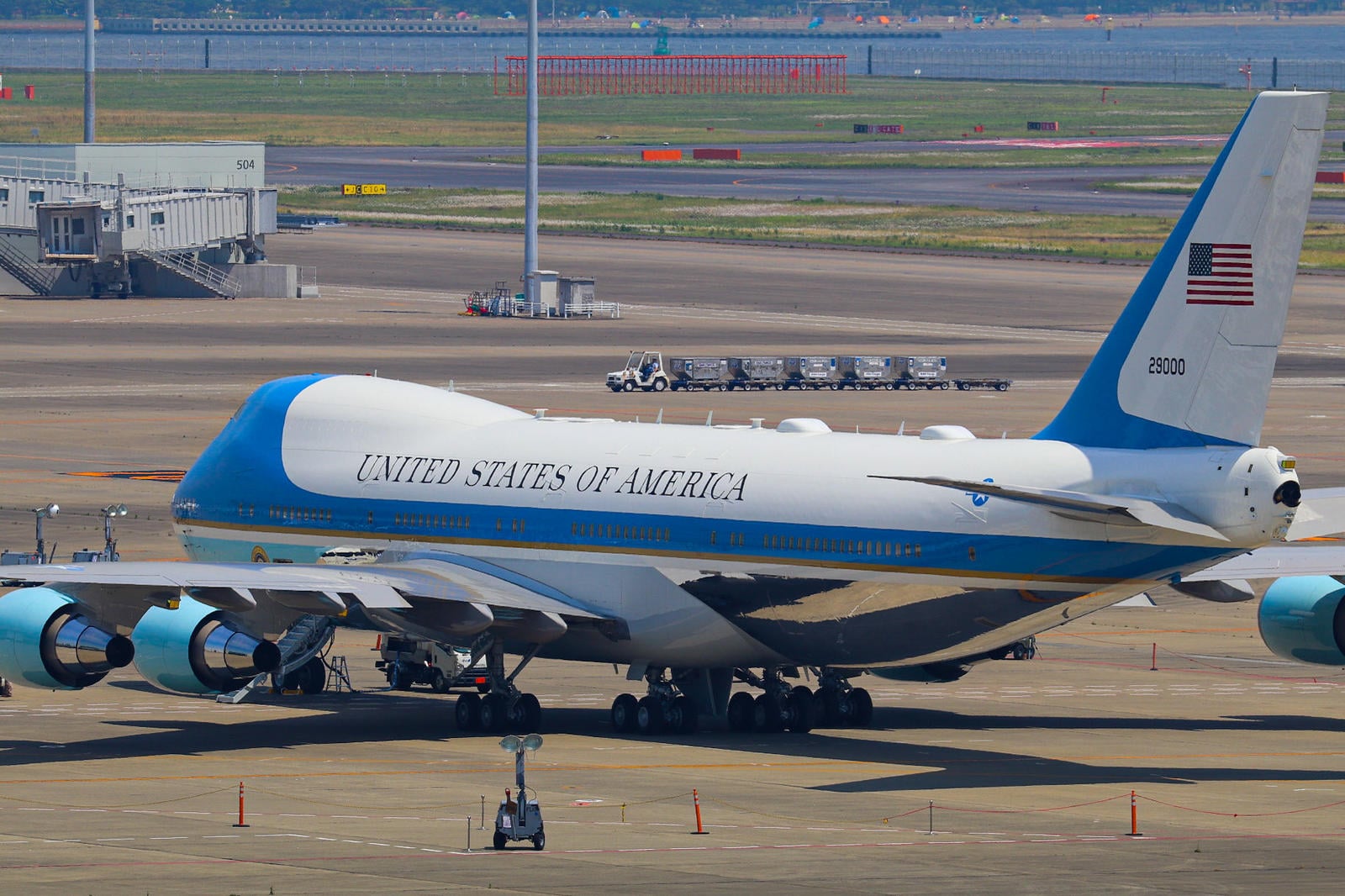
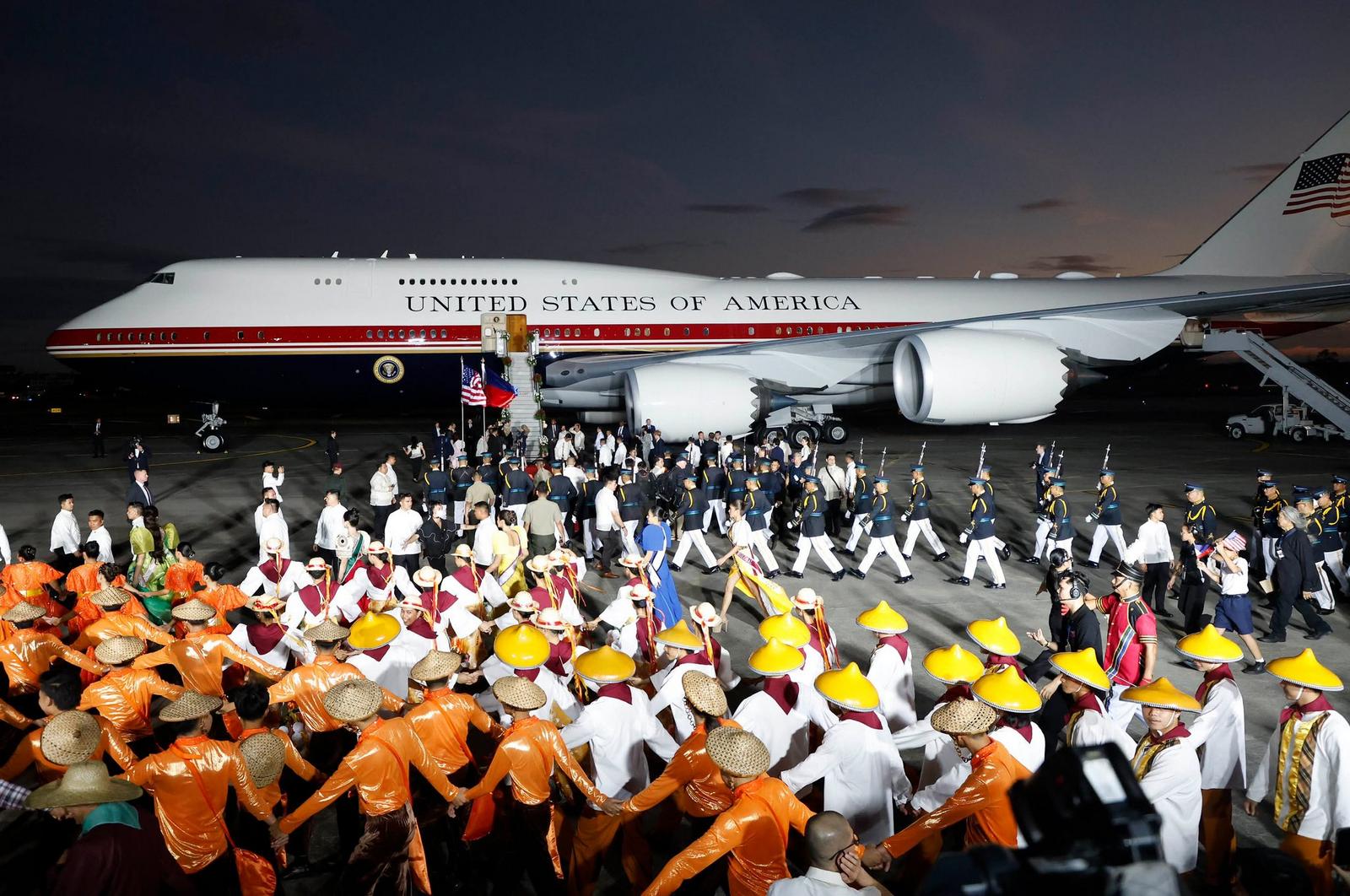
According to The War Zone, the original range requirement for the permanent VC-25B aircraft was approximately 7,100 nautical miles, but the US Air Force subsequently reduced that figure to around 5,900 nautical miles, a reduction of approximately 17%. This is considerably less than the 7,500 nautical miles covered by the Qatar-donated aircraft during its journey from China, although the revised requirement is not a confirmed maximum operational range for the new aircraft. The difference raises an interesting question about why two aircraft based on the same commercial jet have such different performance expectations, particularly when the permanent replacements are expected to cost billions of dollars. The answer appears to involve the enormous amount of equipment being installed inside the new presidential aircraft, along with an unexpected problem involving their kitchens, carpets and soundproofing materials.
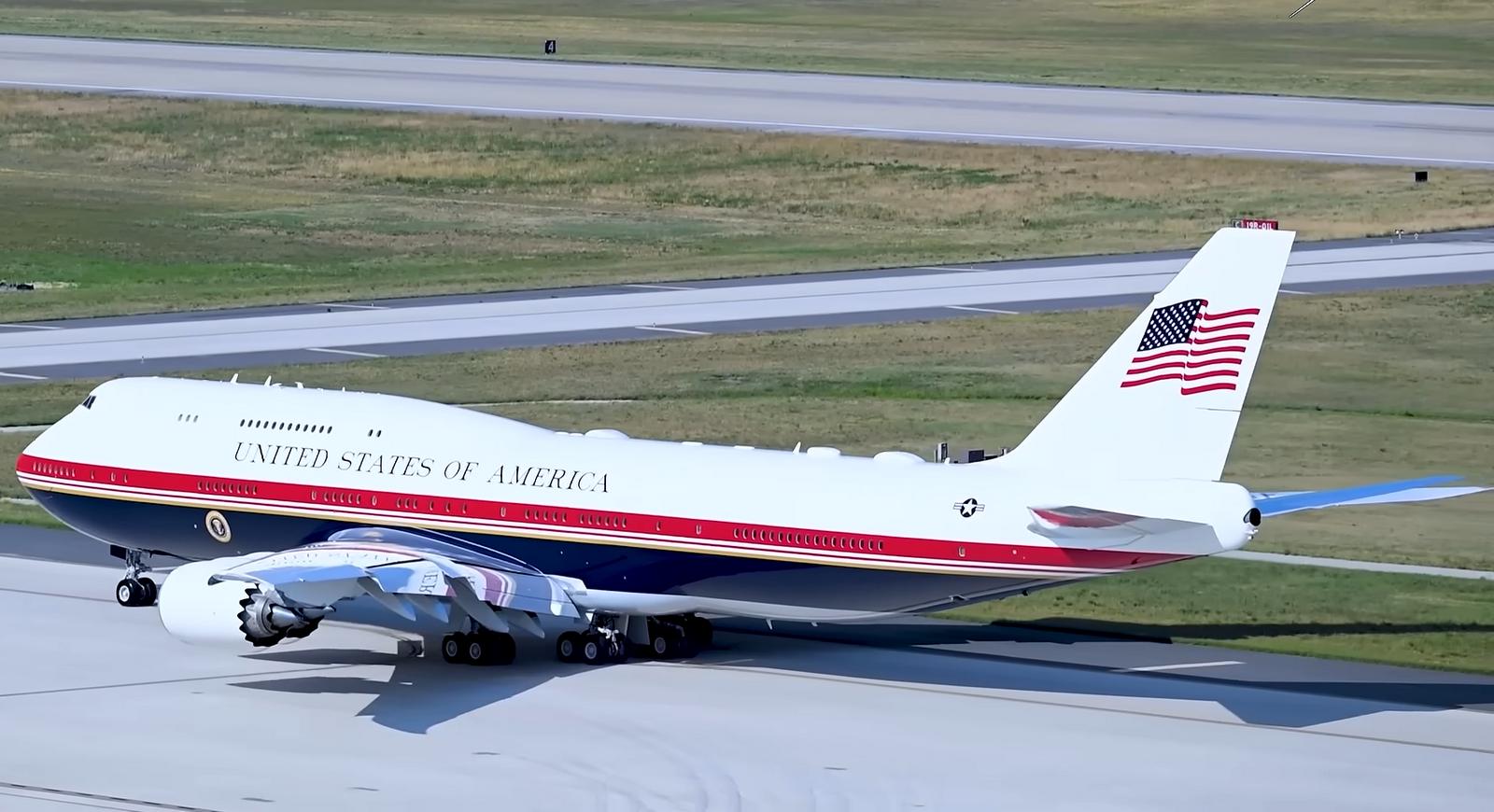
The Qatar-donated 747 has demonstrated impressive range
The aircraft responsible for the remarkable journey is a modified Boeing 747-8i that Qatar donated to the United States. It departed Shenzhen and arrived at Joint Base Andrews on the same day, completing the journey without an intermediate refueling stop. The flight covered approximately 7,500 nautical miles, equivalent to roughly 8,630 miles, and lasted close to 15 hours. During the journey, the aircraft flew over parts of China and Japan before crossing Alaska and Canada on its way to Maryland, demonstrating the capabilities of the 747-8 platform on an exceptionally long presidential transport mission.
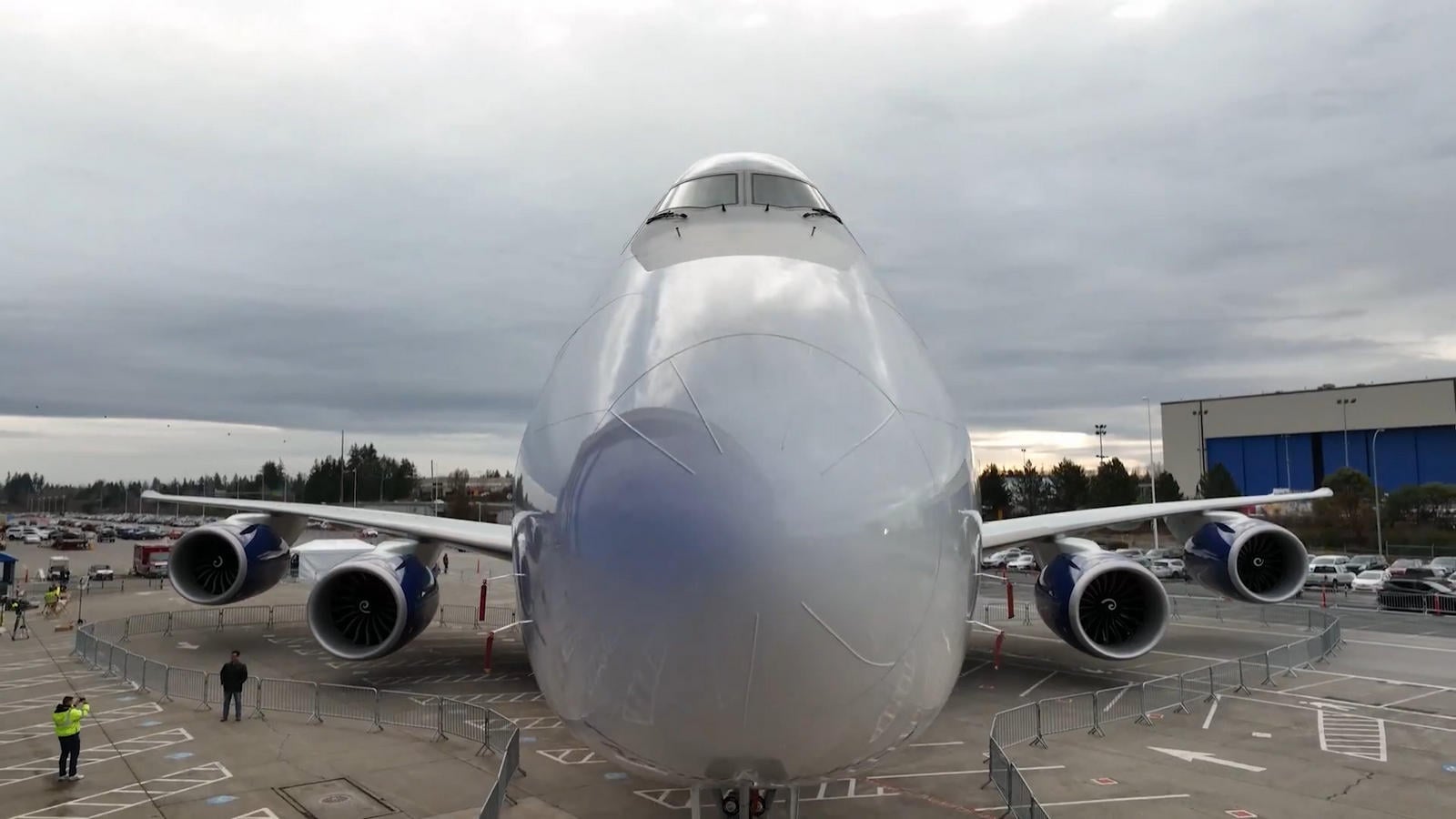
The commercial Boeing 747-8i has a published maximum range of approximately 7,800 nautical miles, although the precise maximum range of the modified Qatar-donated aircraft has not been established publicly. Its successful journey therefore does not mean that it has exhausted its maximum range, but it provides a useful demonstration of what the aircraft can accomplish without refueling. The two permanent VC-25B aircraft, meanwhile, will carry considerably more specialized equipment than the Bridge aircraft, making their weight and fuel requirements a different engineering challenge. Both aircraft have a maximum takeoff weight of approximately 987,000 pounds, but the amount of fuel they can carry within that limit depends on how much weight is occupied by passengers, equipment and other onboard installations.
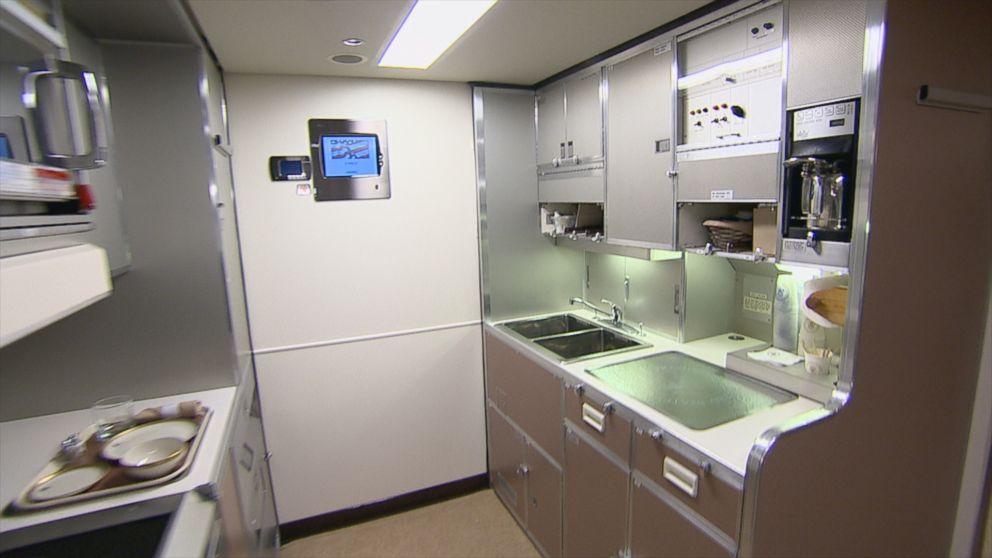
Even the kitchens and carpets are creating problems
The Pentagon’s acquisition documents reveal that the range challenge is not limited to the military equipment being installed aboard the new presidential aircraft. A December 2023 acquisition report, cleared for public release in July 2024, specifically warned about significant weight increases in the aircraft’s interior design. The report identified the forward and rear galleys, acoustic blankets, carpet pads and cabin fixtures as contributors to the additional weight, warning that these increases threatened the aircraft’s required range and other performance specifications. It also highlighted the potential impact on a 180-minute contingency endurance requirement, certification to operate at 40,100 feet and the maximum mission zero-fuel weight limit.
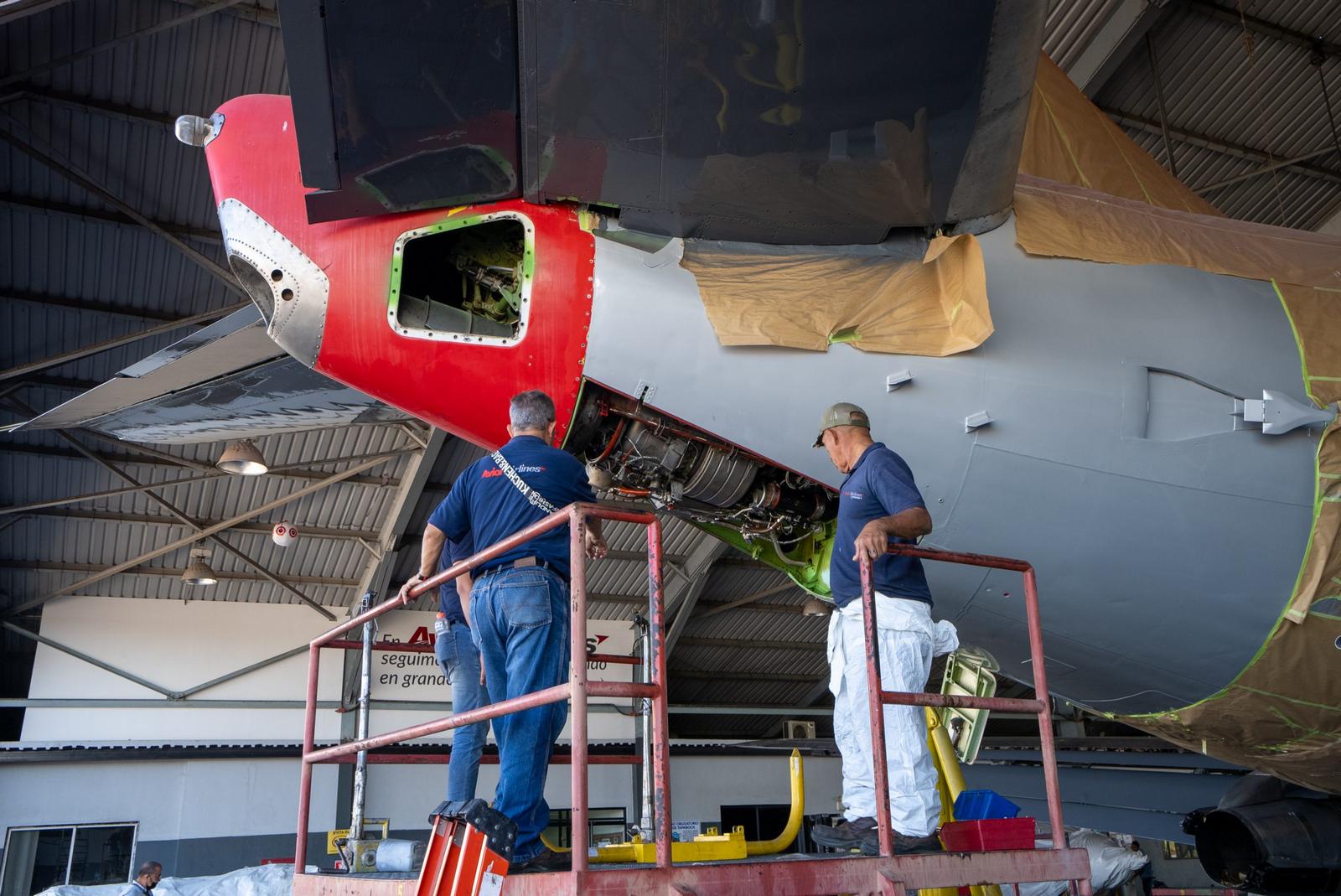
The report’s proposed solutions included refining engineering weight calculations, reviewing acoustic materials and measuring wiring to establish a more accurate picture of the aircraft’s overall mass. These seemingly ordinary cabin features are important because the permanent VC-25B aircraft must accommodate an extensive collection of additional equipment while remaining within their maximum permissible takeoff weight. Their military conversion includes upgraded electrical systems, two auxiliary power units capable of operating during flight, military avionics, secure mission communications and specialized self-defense equipment.
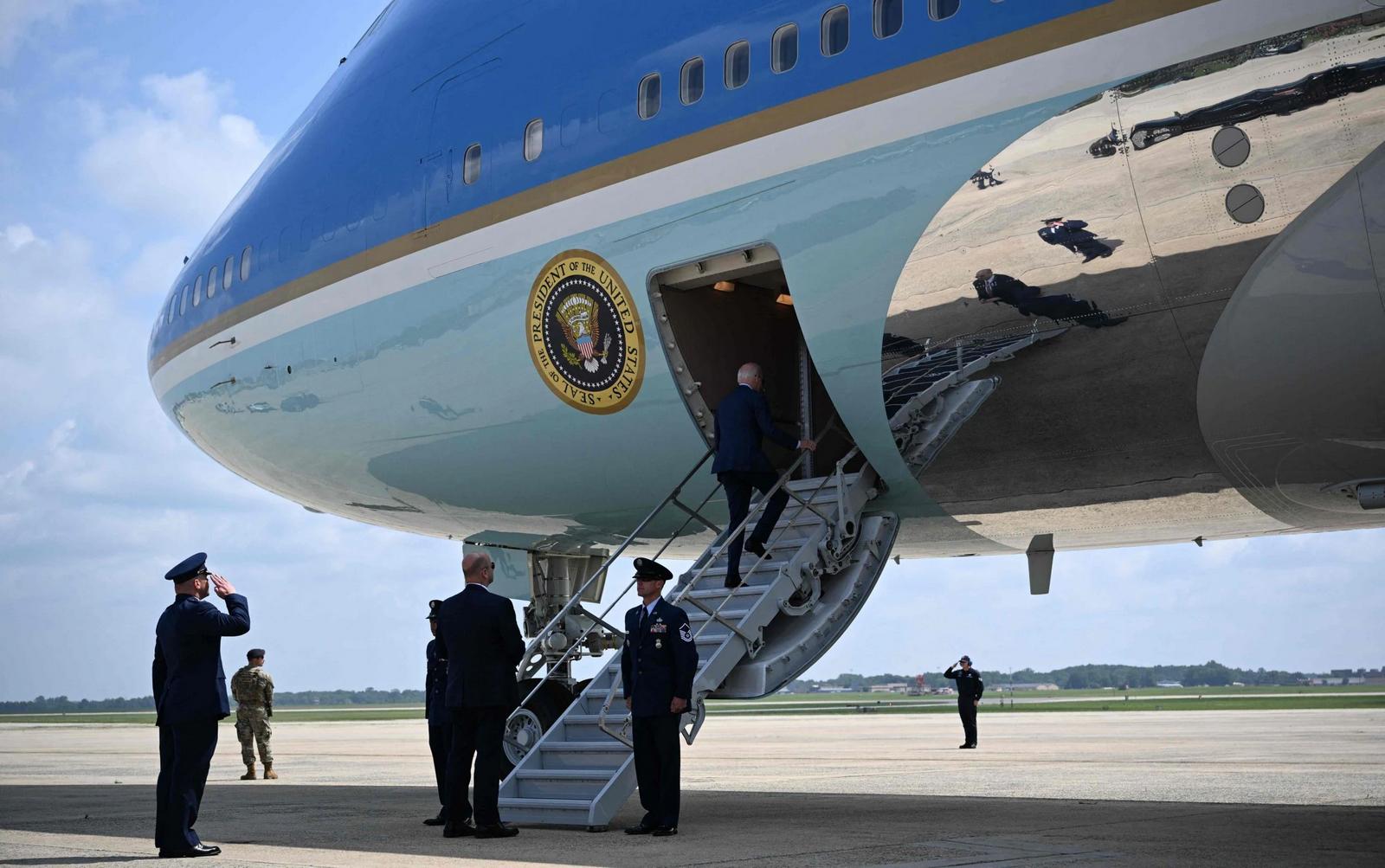
They will also feature built-in boarding stairs, independent baggage-loading systems and a completely redesigned executive interior. With the maximum takeoff weight remaining fixed, every additional pound of permanent equipment reduces the weight allowance available for fuel or other payload, potentially affecting how far the aircraft can travel.
The $5 billion Air Force One replacement is still years away
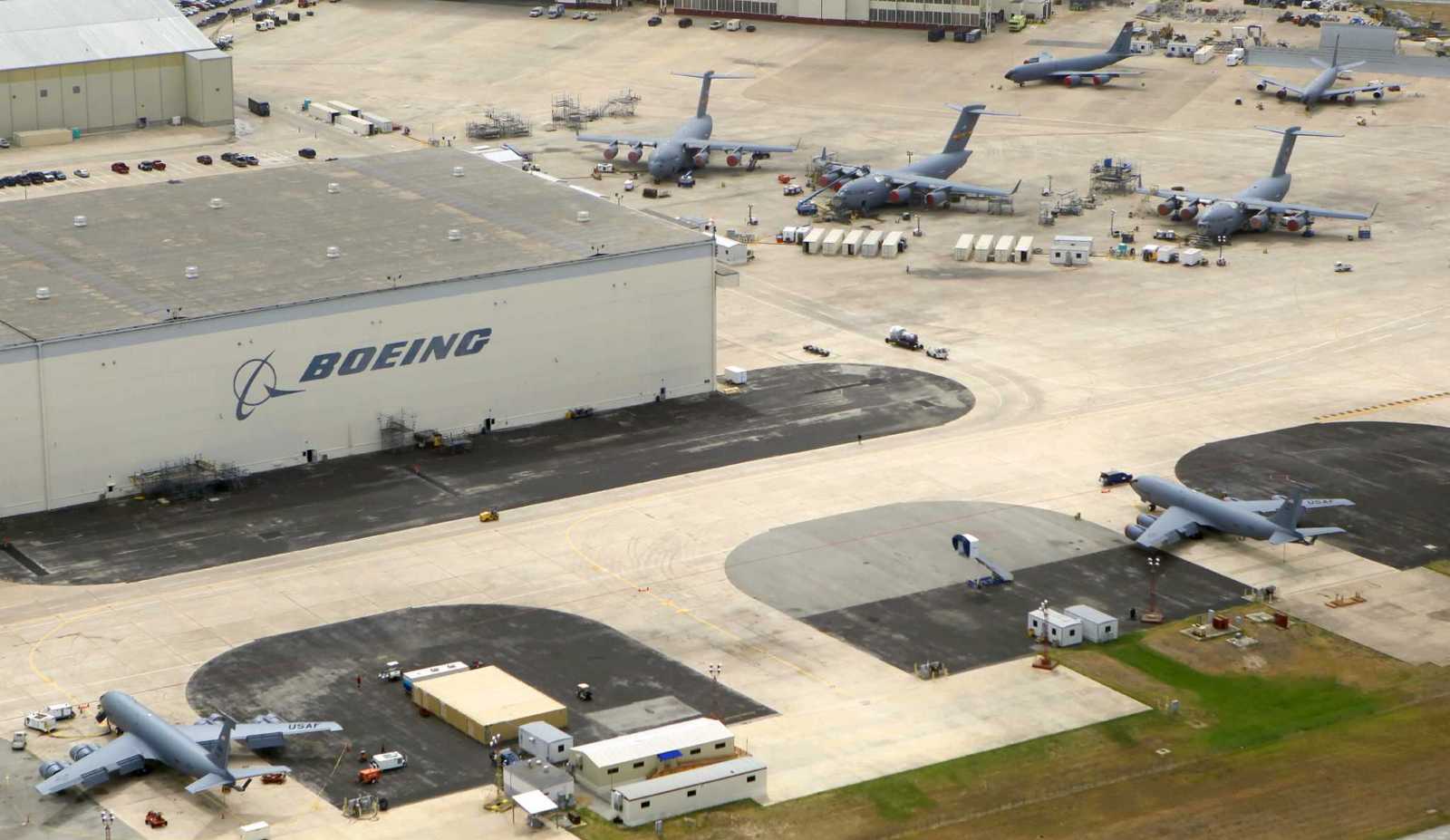
Boeing’s development of the two permanent VC-25B aircraft has been plagued by delays, technical complications and rising costs, turning the replacement program into a considerably longer undertaking than originally anticipated. The project was initially expected to deliver the first aircraft in 2024, but the schedule has slipped substantially, with the first delivery now projected for around mid-2028 and the second expected around mid-2029. The overall program has also become significantly more expensive, with costs reaching approximately $5 billion, reflecting the complexity of converting commercial passenger aircraft into specialized military presidential transports.
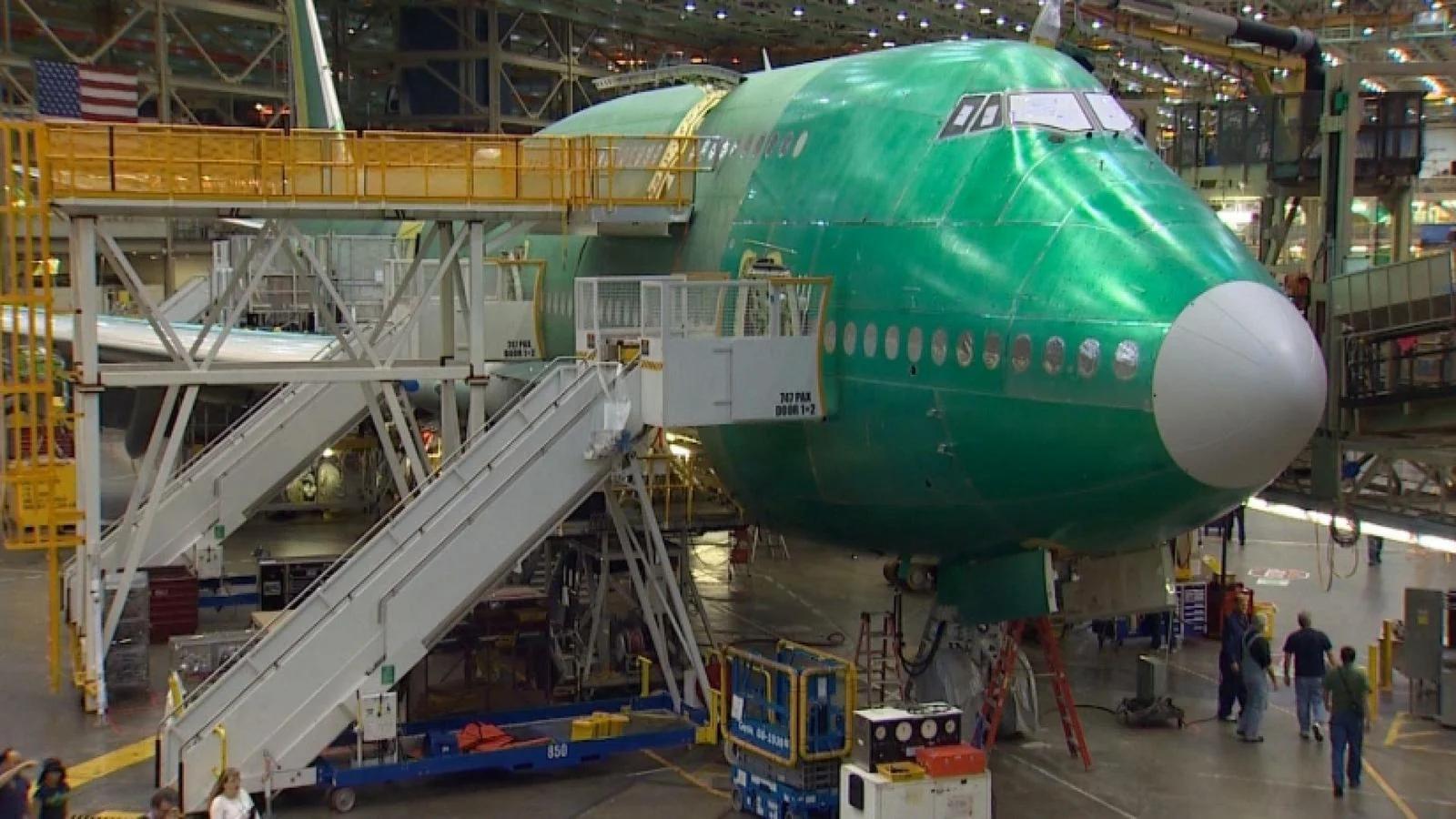
Despite the delays, the aircraft are expected to reach an important milestone before the end of 2026, when the first VC-25B is scheduled to be powered on for the first time. This will be followed by further ground testing and preparations for its first flight, which is currently expected in 2027. The aircraft will then undergo extensive testing and certification before entering presidential service, with the first expected to become operational around 2028 and the second following in 2029. Until then, the Qatar-donated 747-8i will continue serving as a temporary solution, offering a glimpse of what the next generation of Air Force One could look like while Boeing works to complete the much more complicated permanent replacements.